Major Depressive Disorder: Can Saffron Lift Your Mood?
Scientifically Reviewed · Dr. Marwa Abd-Alazim · September 15, 2026
Review Criteria & Clinical Standards
This content undergoes rigorous scientific peer-review and medical editorial standards at Arab Psychology Network to ensure clinical accuracy, validity, and compliance with evidence-based guidelines from leading psychological and healthcare authorities (APA / WHO).
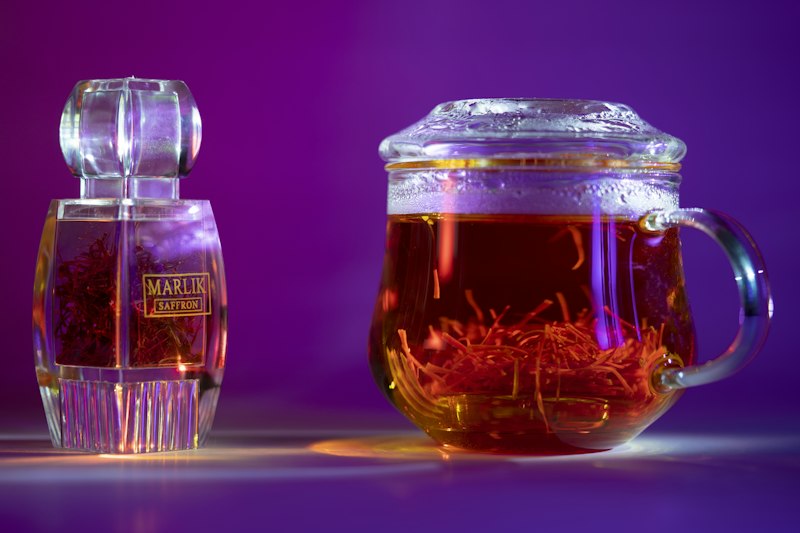
Introduction to Depression and Alternative Treatments
Depression, clinically known as Major Depressive Disorder (MDD), is a debilitating mental health condition characterized by persistent feelings of sadness, loss of interest or pleasure, and a range of physical and cognitive symptoms that severely impair daily functioning. The global burden of this disorder is immense, affecting millions worldwide. In the United States alone, estimates suggest that over 17.3 million adults experience a depressive episode in any given year, highlighting the pervasive nature of this illness (Kessler, Chiu, Demler, & Walters, 2005). While recognized diagnostic criteria and established treatment guidelines exist, the search for effective, well-tolerated therapeutic options remains a critical focus of psychiatric research.
Traditional treatments for depression typically involve a combination of psychological interventions, such as cognitive behavioral therapy (CBT) or interpersonal therapy, and pharmacological agents, most commonly selective serotonin reuptake inhibitors (SSRIs) and serotonin-norepinephrine reuptake inhibitors (SNRIs). However, these conventional approaches are not universally successful. A significant subset of patients experiences treatment resistance, failing to achieve remission after multiple medication trials. Furthermore, pharmaceutical antidepressants are frequently associated with undesirable side effects, including sexual dysfunction, weight gain, insomnia, and gastrointestinal distress, which can severely impact patient adherence and quality of life. These limitations necessitate the exploration of alternative or adjunctive therapeutic strategies.
This growing need for effective and gentle alternatives has spurred significant interest in complementary and alternative medicine (CAM), particularly botanical supplements. Among the natural products currently being investigated for their psychotropic potential, saffron capsules for depression have emerged as a particularly compelling subject of study. Saffron, derived from the highly prized Crocus sativus flower, possesses a long history of use in traditional medicine as a mood enhancer. Modern scientific inquiry is now focused on validating these historical claims, examining the extract’s safety profile, and elucidating the precise mechanisms by which it may alleviate depressive symptoms, positioning it as a potentially valuable alternative for individuals suffering from mild to moderate depression.
Defining Saffron and its Origin
Saffron capsules contain concentrated extracts derived from the spice saffron, which originates from the delicate crimson stigmas of the flower Crocus sativus L., commonly known as the saffron crocus. This perennial plant belongs to the Iridaceae family and is highly valued globally, not only for its use as a culinary spice and coloring agent but also for its profound medicinal properties. Saffron is often considered the world’s most expensive spice by weight, a status earned due to the labor-intensive harvesting process; each flower produces only three stigmas, which must be hand-picked during a short flowering period, making the resulting extract a potent and costly natural resource.
The medicinal efficacy of saffron is intrinsically linked to the complex mixture of phytochemicals contained within the dried stigmas. When processed into capsule form for therapeutic use, the raw saffron is typically converted into a standardized extract. Standardization is crucial in phytomedicine to ensure that each capsule delivers a consistent concentration of the key bioactive compounds responsible for the clinical effects. These extracts are concentrated to maximize potency while maintaining the integrity of the crucial chemical components. The resulting capsule provides a reliable, measurable dose, facilitating its integration into clinical settings and allowing for comparison across scientific trials.
The extract is particularly rich in several classes of compounds, each contributing to its unique profile. These include the carotenoid derivatives crocin and crocetin, which are responsible for the spice’s intense yellow-orange color and potent antioxidant capabilities. Another critical component is safranal, an aldehyde derived from picrocrocin, which gives saffron its distinctive aroma and contributes significantly to its proposed neuroprotective and anxiolytic effects. It is this synergy of carotenoids and monoterpene aldehydes that scientists believe endows saffron extract with its anti-inflammatory, antioxidant, and neuroprotective properties, forming the basis for its utility in treating mood disorders (Mousavi et al., 2015).
Historical Context and Traditional Use
The historical use of saffron stretches back millennia, woven into the fabric of ancient civilizations across the Mediterranean, Middle East, and Asia. Archaeological evidence suggests its cultivation and use date back to at least the Bronze Age, with depictions found in Minoan frescoes on the island of Crete. Historically, saffron was prized for its versatility, serving purposes ranging from a luxurious dye for royal robes to a sophisticated perfume and, most relevantly, a panacea in early medical traditions. This extensive history provides a strong traditional foundation for its contemporary therapeutic investigation.
Saffron’s role in treating ailments related to mood and nervous system function is particularly well-documented in traditional medical systems. In ancient Greco-Roman and Egyptian medicine, saffron was frequently prescribed for stomach ailments, wound healing, and menstrual issues, but also specifically noted for its ability to uplift spirits and counter melancholy. However, the most profound and consistent traditional application relating to mental health is found in traditional Persian (Iranian) medicine. Practitioners in this region frequently utilized saffron preparations to treat symptoms associated with depression, anxiety, and sleep disturbances, referring to it as the “sunshine spice” dueing to its perceived mood-brightening effects (Hosseinzadeh et al., 2008).
The therapeutic credibility established over centuries of empirical use provided the initial impetus for modern pharmacological research. The consistency of historical accounts across diverse cultures—all pointing toward saffron’s efficacy in modulating mood and enhancing emotional well-being—suggested that the observed benefits were likely not coincidental. This historical precedent encouraged contemporary researchers to move beyond anecdotal evidence, initiating rigorous controlled trials to scientifically validate the plant’s efficacy against current diagnostic standards for mood disorders, thereby bridging the gap between ancient remedies and modern neuropsychiatry.
Pharmacological Profile and Bioactive Compounds
The therapeutic effectiveness of saffron capsules is fundamentally linked to the sophisticated pharmacological activities of its constituent compounds. As a complex botanical extract, saffron’s overall effect is often greater than the sum of its individual parts, involving synergistic action among its primary metabolites. A high level of detail regarding these compounds is necessary to understand how the spice exerts its antidepressant effects within the central nervous system (CNS).
The chemical profile of saffron is dominated by two main groups of water-soluble carotenoids: crocin and crocetin. Crocins are glycosidic derivatives of crocetin, and they are the primary compounds responsible for the strong color and high antioxidant capacity of the spice. Once ingested, crocins are hydrolyzed in the gut to release crocetin. Research indicates that these compounds are highly effective free radical scavengers, capable of crossing the blood-brain barrier. By neutralizing reactive oxygen species (ROS) and reducing oxidative stress, crocin and crocetin play a direct role in neuroprotection, safeguarding neuronal structures that are often damaged or dysfunctional in depressive states.
In addition to the carotenoids, safranal is a key volatile compound, responsible for saffron’s characteristic aroma. Derived from picrocrocin (the compound responsible for the spice’s bitterness), safranal is thought to contribute significantly to the extract’s psychotropic effects. Studies suggest safranal possesses notable anxiolytic (anxiety-reducing) and sedative properties, which are beneficial components in managing the comorbid symptoms often accompanying depression, such as generalized anxiety and insomnia. Furthermore, research postulates that safranal may influence gamma-aminobutyric acid (GABA) receptors, similar to benzodiazepines, leading to a calming effect on the CNS without the severe dependence issues associated with many conventional anxiolytics.
The importance of standardization cannot be overstated in utilizing saffron therapeutically. Given the variability in saffron quality based on geographic origin, harvesting method, and storage, clinical trials rely exclusively on standardized extracts. These extracts guarantee that the patient receives a precise concentration of the principal active components, usually standardized based on the percentage content of crocin. This stringent quality control ensures that the therapeutic response observed in research settings is reproducible in clinical practice, confirming that the benefits derived from saffron capsules are indeed attributable to the measured levels of these powerful bioactive molecules.
Mechanisms of Antidepressant Action
The mechanisms underlying saffron’s antidepressant activity are multifaceted, encompassing pathways that overlap with, and in some cases exceed, the scope of conventional pharmaceutical antidepressants. While traditional SSRIs primarily target serotonin reuptake, saffron appears to act simultaneously on several critical neurobiological systems implicated in the pathophysiology of depression, offering a broader spectrum of action that may contribute to its efficacy.
One of the most well-established proposed mechanisms centers on the modulation of monoamine neurotransmitters, particularly serotonin and dopamine. Evidence suggests that certain saffron components, possibly safranal and crocin, may inhibit the reuptake of these monoamines in the synaptic cleft, effectively increasing their availability to postsynaptic receptors. This mechanism mirrors the action of standard antidepressants. Additionally, some research indicates that saffron extracts may act as mild inhibitors of monoamine oxidase (MAO), the enzyme responsible for breaking down monoamines. By inhibiting MAO, saffron helps maintain higher levels of mood-regulating neurotransmitters, directly addressing the monoamine deficit theory of depression.
A second critical mechanism involves the powerful anti-inflammatory and antioxidant effects. Contemporary neuroscience increasingly recognizes that chronic, low-grade inflammation and resulting oxidative stress contribute significantly to the development and persistence of depression. Inflammatory cytokines can disrupt neurotransmitter synthesis and damage neuronal integrity. Saffron, through its high concentration of crocin and crocetin, effectively combats this process. It has been shown to reduce levels of pro-inflammatory markers (such as IL-6 and TNF-alpha) and protect neurons from damage induced by free radicals, supporting a healthier neurobiological environment conducive to mood regulation.
Furthermore, saffron demonstrates potential in regulating the stress response system, specifically the Hypothalamic-Pituitary-Adrenal (HPA) axis. Chronic stress and depression are often associated with HPA axis dysregulation, leading to elevated and sustained cortisol levels. Saffron appears to exert a normalizing effect on this axis, which may lead to improved stress resilience and reduction in anxiety symptoms commonly co-occurring with depression. This multi-target approach—simultaneously addressing neurotransmitter balance, neuroinflammation, and stress hormone regulation—suggests why saffron capsules may offer a robust therapeutic intervention for mild to moderate depressive episodes.
Clinical Efficacy: Evidence from Randomized Controlled Trials
The scientific validation for the use of saffron capsules rests primarily on a growing body of evidence derived from randomized controlled trials (RCTs), considered the gold standard in clinical research. A systematic review and meta-analysis of these trials confirms that saffron extract consistently demonstrates efficacy superior to placebo in the treatment of individuals diagnosed with mild to moderate depression (Lopresti et al., 2014). These findings provide strong clinical support for integrating saffron into the treatment paradigm for specific populations experiencing depressive symptoms.
Key trials have established saffron’s therapeutic potential. For instance, in a seminal double-blind, randomized, placebo-controlled study involving patients with mild to moderate depression, saffron extract (30 mg/day) was found to have a significant positive effect on depressive symptoms compared to the placebo group (Akhondzadeh et al., 2005). Crucially, other comparative trials have assessed saffron against standard pharmaceutical antidepressants, demonstrating non-inferiority. In studies comparing saffron extract to drugs like fluoxetine or imipramine, saffron was found to be equally effective in reducing scores on standard depression rating scales (such as the Hamilton Depression Rating Scale, HDRS), yet often reported a more favorable tolerability profile.
While the evidence is compelling for mild to moderate depression, it is important to note the limitations regarding severity. Most positive trials have focused on less severe presentations of the disorder. The typical therapeutic dosage found effective in these trials is generally around 30 milligrams per day of a standardized saffron extract. The consistent reporting across numerous studies, showing significant improvement in depressive symptoms and reduction in anxiety scores, positions saffron as one of the most promising botanical interventions in contemporary psychiatry, warranting continued investigation into its application for broader populations and long-term use.
Safety Profile and Side Effects
A significant advantage attributed to saffron capsules, particularly when compared to conventional pharmaceutical antidepressants, is its generally excellent safety and tolerability profile. Saffron, when used at the dosages typically prescribed in clinical trials (30-50 mg daily), is considered safe for human consumption and is associated with a significantly lower incidence of severe adverse effects. This superior tolerability is often a deciding factor for patients who are sensitive to the side effects of traditional medications or who seek a treatment option that minimally interferes with daily physiological functions.
Traditional antidepressant medications, particularly SSRIs, frequently lead to discontinuation or non-adherence due to significant adverse effects such as weight gain, sexual dysfunction (including reduced libido and anorgasmia), and emotional blunting. In stark contrast, clinical trials involving saffron extract have reported remarkably few adverse events. The side effects that have been reported are typically mild and transient, primarily involving minor gastrointestinal disturbances such as nausea, dry mouth, or changes in appetite. Critically, studies comparing saffron to pharmaceutical alternatives found that saffron resulted in fewer side effects overall and specifically minimized the incidence of treatment-limiting side effects like sexual dysfunction (Lopresti et al., 2014).
Despite its favorable safety profile, caution is advised regarding high dosages and specific patient populations. While therapeutic doses are well-tolerated, very high doses of saffron (several grams daily) can be toxic. Furthermore, due to its potential to slightly influence platelet aggregation, individuals taking anticoagulant or antiplatelet medications (blood thinners) should consult a healthcare provider before starting saffron supplementation. Pregnant women are also generally advised to avoid high-dose saffron extracts, consistent with standard precautionary measures for most herbal supplements. Overall, saffron remains highly regarded for its safety when used responsibly under therapeutic guidance.
Conclusion: Future Directions and Summary
The accumulated evidence strongly supports the use of saffron capsules as an effective and well-tolerated alternative or complementary treatment for individuals experiencing mild to moderate depression. The efficacy demonstrated in numerous randomized controlled trials, coupled with a highly favorable side effect profile compared to conventional pharmacological agents, positions saffron extract as a valuable option in the integrative mental health toolkit. The therapeutic action is robust, derived from a complex synergy of phytochemicals that simultaneously modulate neurotransmitter reuptake, reduce neuroinflammation, and mitigate oxidative stress within the central nervous system.
However, despite the promising results, ongoing research is essential to fully realize the potential of saffron in depression treatment. Future studies must focus on several key areas, including establishing long-term safety data beyond the typical six-to-twelve-week trial period, evaluating the extract’s effectiveness in patients with severe or treatment-resistant depression, and rigorously exploring its potential as an adjunctive therapy alongside standard SSRIs or psychotherapy. Understanding potential drug-herb interactions and optimizing standardized dosing protocols for diverse patient demographics will further solidify saffron’s role in evidence-based practice.
In summary, saffron capsules represent an exciting convergence of traditional wisdom and modern science. Their demonstrated efficacy, rooted in a comprehensive multi-target pharmacological profile, offers hope to patients seeking natural alternatives with minimal side effects. As the field of nutritional psychiatry continues to expand, saffron remains at the forefront of botanical interventions, offering a validated path toward improved mood regulation and psychological well-being, though its use should always be guided by consultation with a qualified healthcare professional.
References
- Akhondzadeh, S., Tahmacebi-Pour, N., Noorbala, A. A., Amini, H., Fallah-Pour, H., Jamshidi, A. H., & Khani, M. (2005). Saffron in the treatment of patients with mild to moderate depression: A double-blind, randomized and placebo-controlled trial. BMC Complementary and Alternative Medicine, 5(1), 12. https://doi.org/10.1186/1472-6882-5-12
- Hosseinzadeh, H., Tajabadi, M., & Hosseinzadeh, A. (2008). The effects of Crocus sativus (saffron) and its constituents on nervous system: A review. Phytotherapy Research, 22(2), 191–203. https://doi.org/10.1002/ptr.2239
- Kessler, R. C., Chiu, W. T., Demler, O., & Walters, E. E. (2005). Prevalence, severity, and comorbidity of 12-month DSM-IV disorders in the National Comorbidity Survey Replication. Archives of General Psychiatry, 62(6), 617–627. https://doi.org/10.1001/archpsyc.62.6.617
- Lopresti, A. L., Maes, M., Maker, G. L., Hood, S. D., & Drummond, P. D. (2014). Saffron (Crocus sativus) for depression: A systematic review of clinical studies and examination of underlying antidepressant mechanisms of action. Human Psychopharmacology: Clinical and Experimental, 29(2), 97–103. https://doi.org/10.1002/hup.2345
- Mousavi, S. H., Hosseinzadeh, H., & Ziaee, T. (2015). Crocus sativus L. (saffron) and its constituents: A review of biological activities and toxicity studies. Food and Chemical Toxicology, 78, 199–213. https://doi.org/10.1016/j.fct.2015.03.042