Scoliosis: The Hidden Mind Behind the Curve
Scientifically Reviewed · Dr. Marwa Abd-Alazim · September 18, 2026
Review Criteria & Clinical Standards
This content undergoes rigorous scientific peer-review and medical editorial standards at Arab Psychology Network to ensure clinical accuracy, validity, and compliance with evidence-based guidelines from leading psychological and healthcare authorities (APA / WHO).
Defining Characteristics and Epidemiology of Scoliosis
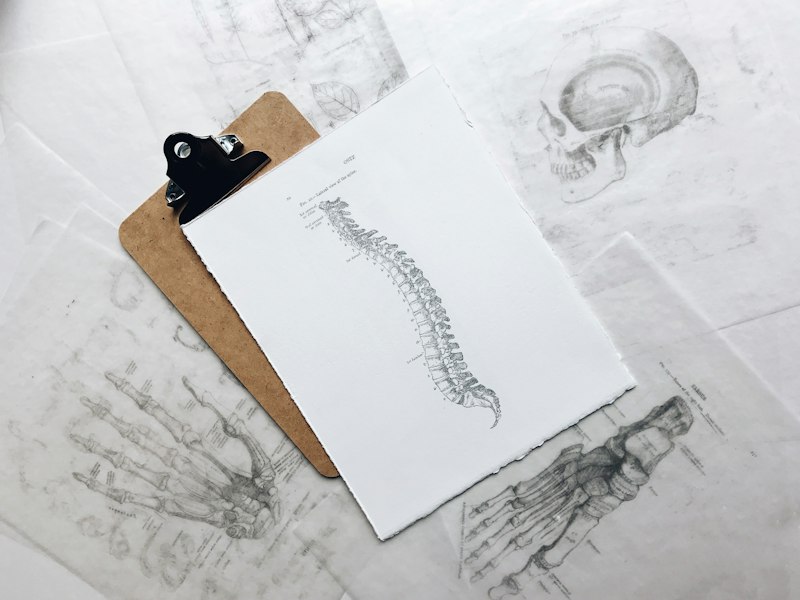
Scoliosis is fundamentally defined as a complex, three-dimensional deformity of the spine characterized by a lateral curvature exceeding ten degrees, often accompanied by an axial rotation of the vertebrae. This abnormal curvature, unlike simple postural deviations, results in a structural change where the spine deviates sideways, typically presenting as an ‘S’ or ‘C’ shape when viewed from the posterior. The rotational component is critical, as it often leads to the rib cage asymmetry known as a rib hump, which is particularly noticeable during a forward bend test. This condition affects millions globally, transcending geographical and socioeconomic boundaries, making it one of the most prevalent orthopedic spinal conditions. While scoliosis can manifest at any point in the lifespan, its highest incidence is observed during the adolescent growth spurt, leading to the designation of Adolescent Idiopathic Scoliosis (AIS) as the most common form. Early detection and precise characterization of the curve type and magnitude are essential steps in determining the appropriate clinical management pathway and mitigating the risk of progression.
The severity of scoliosis is quantified using the Cobb angle measurement on a standing radiograph, a standardized technique that measures the angle between the most tilted vertebrae above and below the apex of the curve. A Cobb angle of 10 degrees or more is required for a formal diagnosis. Mild cases typically involve curves between 10 and 25 degrees, often requiring only observation. Moderate scoliosis, ranging from 25 to 40 degrees, often necessitates intervention such as bracing to prevent further progression, particularly in skeletally immature patients. Severe scoliosis, defined by curves exceeding 40 or 50 degrees, frequently presents significant clinical challenges, including potential cardiopulmonary compromise and noticeable cosmetic deformity. These more extreme curvatures are usually the threshold at which surgical correction is considered essential to stabilize the spine and alleviate associated symptoms, which can include chronic back pain, gait abnormalities, and functional limitations.
Epidemiological studies reveal that while mild scoliosis affects roughly 2% to 3% of the general population, the prevalence of curves severe enough to warrant treatment (over 20 degrees) is considerably lower, falling closer to 0.3% to 0.5%. Interestingly, although mild curves are found almost equally in males and females, females are significantly more likely to experience curve progression and require aggressive treatment, exhibiting a progression risk ratio that is substantially higher than that for males. This demographic trend underlines the importance of focused screening during the pubertal growth phase, especially for female adolescents. Furthermore, the timing of onset allows for categorization into distinct types: Infantile (0–3 years), Juvenile (4–10 years), and Adolescent (10–18 years). Understanding these age groups is vital because the potential for progression is inversely related to the age of onset; that is, scoliosis presenting earlier in childhood often carries a much higher risk of severe deformity by the time skeletal maturity is reached.
The physical manifestation of scoliosis extends beyond a simple sideways bend. Due to the vertebral rotation, the trunk experiences asymmetry. Key anatomical markers that become asymmetrical include the shoulders (one higher than the other), the waistline (uneven contours), and the hips (one appearing more prominent). When the patient bends forward, the rotational component causes the ribs on one side of the back to protrude, creating the characteristic rib hump, which is the most reliable clinical sign indicating structural scoliosis. In addition to these obvious cosmetic and structural changes, severe cases can lead to restrictive lung disease due to reduced chest cavity volume and potential compression of nerve roots, although neurological deficits are relatively rare unless the scoliosis is secondary to a underlying congenital or neuromuscular condition.
Classification and Types of Spinal Curvature
The classification of scoliosis is crucial for guiding prognosis and treatment planning, primarily differentiating between structural and non-structural (functional) curves. Structural scoliosis involves fixed changes in the vertebral body and associated tissues, meaning the curve does not correct itself with positional changes or side-bending. This category encompasses the vast majority of clinically significant cases, including the idiopathic, congenital, and neuromuscular types. Conversely, non-structural scoliosis is a temporary, flexible curve caused by factors external to the spine, such as leg length discrepancy, muscle spasms, or inflammatory conditions. These functional curves resolve when the underlying cause is addressed or when the patient changes position, and they do not involve the permanent vertebral rotation characteristic of structural deformity.
Idiopathic scoliosis, where no clear cause can be identified, accounts for approximately 80% of all cases and is further categorized based on the age of onset, as previously discussed. Adolescent Idiopathic Scoliosis (AIS) is the most common subtype, typically presenting after age 10. The classification within AIS is refined by the location of the curve apex—thoracic, thoracolumbar, or lumbar—and the specific curve pattern, often utilizing systems like the Lenke Classification which helps surgeons plan complex fusion procedures. A typical pattern might involve a primary right thoracic curve and a compensatory left lumbar curve. Identifying the primary curve—the largest and least flexible—is pivotal because it dictates the extent of surgical correction required to achieve spinal balance and prevent future complications.
Beyond the idiopathic form, Congenital Scoliosis arises from malformations of the vertebrae that occur during embryonic development, often involving failure of formation (e.g., hemivertebrae) or failure of segmentation (e.g., unilateral unsegmented bar). This form is highly complex because the abnormal anatomy creates intrinsic instability and a high potential for rapid, unpredictable progression, often necessitating early and aggressive surgical intervention even in infancy. Due to its congenital nature, this type frequently coexists with other organ system anomalies, notably renal or cardiac defects, requiring a multidisciplinary approach for comprehensive management. The severity and prognosis of congenital scoliosis depend heavily on the specific type and location of the vertebral anomaly present.
Another major classification is Neuromuscular Scoliosis, which develops secondary to underlying neurological or muscular diseases that impair the control of spinal alignment and posture. Conditions such as cerebral palsy, muscular dystrophy, spinal cord injury, and poliomyelitis fall into this category. These patients often exhibit long, C-shaped curves extending from the cervical to the pelvic region, frequently associated with pelvic obliquity and profound muscular weakness. The progression of neuromuscular curves is often relentless, even after skeletal maturity, primarily due to persistent asymmetrical muscle tone or paralysis. Management in this group is often complicated by poor bone quality, impaired respiratory function, and the need to maintain seated balance, making surgical stabilization a crucial, albeit challenging, endeavor for improving quality of life and functional independence.
The Complex Etiology and Risk Factors
Despite extensive scientific inquiry, the precise etiology of Idiopathic Scoliosis remains elusive, suggesting that it is a multifactorial disorder involving an intricate interplay of genetic, biomechanical, and potentially environmental influences. Research has strongly implicated a significant genetic predisposition, as evidenced by familial aggregation studies showing that scoliosis is notably more common among first-degree relatives of affected individuals. While no single gene has been definitively identified as the sole causative agent, numerous susceptibility loci and candidate genes have been pinpointed, often related to bone formation, connective tissue structure (such as collagen), and neurological pathways controlling balance and proprioception. This genetic complexity suggests a polygenic inheritance pattern, where multiple genes contribute small effects that collectively increase the risk of developing the condition, often triggered or modulated by other factors.
Several biological theories attempt to explain the pathogenesis, focusing on potential underlying systemic abnormalities. One prominent theory relates to subtle defects in skeletal growth and bone metabolism, proposing that asymmetric growth velocity of the anterior versus the posterior elements of the vertebral column could initiate the rotational deformity. Another avenue of investigation involves the central nervous system, specifically defects in balance control and coordination. Abnormalities in the brainstem, cerebellum, and vestibular function have been observed in some patients with AIS, suggesting a failure in the neural mechanisms responsible for maintaining upright posture and spinal stability. Furthermore, subtle irregularities in hormone regulation, particularly those related to melatonin and calmodulin—substances crucial for bone and cartilage maintenance—have been explored, although evidence remains inconclusive regarding their primary role in initiating the deformity.
Specific risk factors significantly influence whether a mild curve will progress to a clinically relevant deformity. The most critical risk factor is skeletal immaturity, measured by the Risser sign (a grading scale for ossification of the iliac apophysis). A lower Risser score indicates greater remaining growth potential, correlating directly with a higher risk of curve progression. Other key prognostic indicators include the magnitude of the initial Cobb angle at diagnosis and the sex of the patient, with girls having a progression risk up to ten times greater than boys for curves of similar magnitude. Additionally, the location of the curve plays a role; thoracic curves tend to progress more aggressively than lumbar curves. These factors are critically evaluated using predictive models to determine the optimal window for intervention, such as bracing, before the curve exceeds the threshold for non-surgical management.
While the role of non-structural, environmental factors like poor posture, heavy backpacks, or participation in specific sports was once heavily debated, current medical consensus suggests that these factors do not cause structural idiopathic scoliosis. However, environmental and lifestyle factors are highly relevant in the non-idiopathic forms. For example, in Neuromuscular Scoliosis, the progression is inherently linked to the severity of the primary neurological disease and the degree of associated muscle imbalance. Similarly, certain medical conditions, such as Marfan syndrome, Ehlers-Danlos syndrome, and osteogenesis imperfecta—all involving connective tissue disorders—significantly increase the likelihood of developing scoliosis due to ligamentous laxity and generalized skeletal weakness. Therefore, while posture may not cause the structural defect, understanding the patient’s comprehensive medical history is paramount in determining the underlying drivers of the spinal deformity.
Detailed Diagnostic Procedures and Assessment
The diagnosis of scoliosis begins with a thorough clinical assessment, which includes a detailed medical history and a comprehensive physical examination. History taking focuses on family history of scoliosis, the timing of pubertal development (menstrual history in females), presence of pain, and any signs of underlying neurological issues. The physical exam employs key observation techniques, starting with inspection of the patient’s posture while standing. The clinician looks for telltale signs of asymmetry, including uneven shoulders, a prominent scapula, differences in hip height, and discrepancies in the arm-to-trunk spacing (the angle of the waist). A careful assessment of skin lesions, such as café-au-lait spots or hairy patches, is also performed, as these findings can suggest underlying neurofibromatosis or other congenital anomalies linked to secondary scoliosis.
The cornerstone of the clinical physical assessment is the Adam’s Forward Bend Test. This simple yet highly effective screening maneuver requires the patient to bend forward at the waist, keeping their feet together and their arms hanging freely. This position maximizes the visibility of the spinal rotation component, as any structural scoliosis will cause a noticeable prominence or hump on one side of the back, either in the thoracic (rib hump) or lumbar (flank hump) region. The degree of truncal rotation is often measured using a specialized tool called a scoliometer, which provides a quantitative measurement of the angle of trunk rotation (ATR). An ATR measurement exceeding five to seven degrees typically warrants referral for radiographic confirmation. This screening method is vital for early detection in school-based programs or pediatric clinics, allowing for timely intervention before the curve progresses significantly.
Following the physical examination, radiographic imaging serves as the definitive diagnostic tool. The standard imaging study is the posteroanterior (PA) and lateral standing full-length spine X-ray. These images are crucial for several reasons: they confirm the diagnosis (Cobb angle > 10°), determine the exact curve magnitude, identify the location and flexibility of the curve, and assess skeletal maturity using the Risser sign. The PA view minimizes breast radiation exposure, which is a significant concern given that multiple X-rays are often required for monitoring progression during adolescence. Specialized imaging techniques, such as biplanar slot-scanning radiography (e.g., EOS imaging), offer high-quality, weight-bearing images with significantly reduced radiation doses compared to traditional X-rays, representing a technological advancement in routine monitoring.
In cases where the diagnosis is unclear, the curve progresses rapidly, or there is suspicion of congenital anomalies, intraspinal pathology, or neurological involvement (e.g., abnormal reflexes, severe pain, or left-sided thoracic curve), advanced imaging studies are required. Magnetic Resonance Imaging (MRI) is utilized to visualize the spinal cord, nerve roots, and surrounding soft tissues. An MRI is essential for ruling out underlying conditions such as tethered cord syndrome, syrinx (fluid-filled cavity within the spinal cord), or spinal tumors, which can mimic or cause atypical scoliosis patterns. Furthermore, computed tomography (CT) scans may be employed pre-surgically to provide highly detailed, three-dimensional bone anatomy necessary for precise surgical planning, particularly in complex congenital cases where vertebral anatomy is severely distorted.
Non-Surgical Management: Bracing and Physical Therapy
Non-surgical management is the primary treatment strategy for patients with moderate scoliosis (typically 25 to 40 degrees) who are still skeletally immature. The overarching goal of non-operative treatment is to halt the progression of the curve until skeletal maturity is reached, thus preventing the need for surgical correction. The most established and evidence-based non-surgical intervention is orthotic bracing. Bracing functions by applying external pressures to the trunk, acting as a rigid mold that guides spinal growth and prevents further rotational and lateral deviation. Success depends critically on the patient’s compliance, the severity of the curve, and the remaining growth potential. Braces are typically prescribed to be worn full-time (16–23 hours per day) and are only effective if utilized consistently during the period of rapid adolescent growth.
Various types of orthoses are used, each designed for specific curve patterns and levels. The traditional and most common brace is the Boston brace, a low-profile, custom-molded thoracolumbosacral orthosis (TLSO) used for thoracolumbar and lumbar curves. For high thoracic curves, the Milwaukee brace, which includes a neck ring, may be necessary, although it is less commonly used today due to cosmetic concerns. More recently, innovative, dynamic bracing systems and custom-fit 3D-printed braces are being developed, aiming to improve patient comfort and compliance while maintaining corrective forces. Clinical trials, such as the Bracing in Adolescent Idiopathic Scoliosis Trial (BrAIST), have definitively demonstrated that bracing significantly reduces the risk of curve progression to the surgical threshold compared to observation alone, underscoring its pivotal role in preventive care.
Physical therapy and exercise regimens play a supportive, yet increasingly recognized, role in the non-surgical management of scoliosis. While traditional exercises are not proven to stop curve progression, specialized physiotherapeutic approaches, collectively known as Scoliosis-Specific Exercises (SSE), show promise. The most established of these is the Schroth method, which focuses on postural awareness, muscular stabilization, and specific breathing techniques designed to de-rotate and stabilize the spine. These exercises are tailored to the patient’s specific curve pattern and aim to improve muscular symmetry, flexibility, and overall trunk balance. SSE are frequently used in conjunction with bracing to enhance muscle strength and minimize the muscle atrophy that can sometimes occur due to prolonged brace wear, thereby maximizing the overall conservative treatment outcome.
Other conservative measures, such as chiropractic adjustments, acupuncture, and general massage, are often sought by patients but lack rigorous scientific evidence to support their efficacy in preventing structural curve progression. While they may offer temporary relief from localized muscle pain or stiffness sometimes associated with the condition, they should not be viewed as substitutes for established treatments like bracing or surgery for curves that risk progression. Continuous monitoring remains fundamental to conservative management. Patients receiving bracing or observation are typically reassessed every four to six months with clinical examinations and standing radiographs to ensure the curve is stable or improving. The decision to transition from observation to bracing, or from bracing to surgery, is a dynamic process based on the rate of curve progression and the patient’s remaining skeletal growth.
Surgical Interventions for Severe Curvature
Surgical intervention is generally reserved for patients with severe, progressive scoliosis—typically defined by a Cobb angle exceeding 40 to 50 degrees—who have failed conservative management or are presenting with significant functional impairment, severe pain, or cardiopulmonary compromise. The primary goal of surgery is spinal fusion, which aims to permanently correct the deformity, stabilize the spine, and prevent future progression while maintaining overall trunk balance. Modern spinal fusion techniques utilize advanced instrumentation, including pedicle screws, hooks, and rods, meticulously placed along the spine to meticulously correct the rotational and lateral components of the curve before fusing the involved vertebrae into a single, rigid bone segment. This complex procedure requires careful preoperative planning and intraoperative neuromonitoring to safeguard the spinal cord and nerve roots.
The most common surgical approach is the posterior approach, where the surgeon accesses the spine from the back. After meticulous exposure and preparation of the vertebral segments, powerful corrective forces are applied via the rod and screw system to derotate the spine and reduce the lateral curvature. Bone graft material (autograft or allograft) is then placed along the instrumented segments to facilitate bony fusion, which is the long-term biological process essential for permanent stabilization. The extent of the fusion—the number of vertebrae included—is a critical surgical decision, balancing the need for adequate correction and stability against the desire to preserve as much motion segment as possible. Successful fusion leads to a durable correction, allowing patients to return to most normal activities once the bone healing is complete, typically within six to twelve months.
For young children with significant growth remaining (Infantile or Juvenile Scoliosis), definitive fusion is often delayed due to the risk of creating a “crankshaft phenomenon” (continued growth anteriorly leading to deformity) and the detrimental effect fusion has on lung development. In these cases, growth-sparing techniques are employed. These involve the use of specialized, expandable systems such as magnetically controlled growing rods (MCGR) or traditional growing rods. These rods are anchored to the spine but are periodically lengthened non-invasively (MCGR) or surgically (traditional rods) to allow the spine and chest cavity to grow over several years, optimizing lung capacity development before a final, definitive fusion is performed near skeletal maturity. These highly specialized procedures require a series of planned interventions throughout childhood.
Surgical management carries inherent risks, including blood loss, infection, instrumentation failure, and, most critically, potential neurological injury. However, advancements in surgical navigation, improved anesthetic techniques, and mandatory intraoperative neurophysiological monitoring (IONM) have significantly reduced these complication rates, making scoliosis surgery safer than ever before. Postoperative management involves intensive pain control and early mobilization. While surgery dramatically improves the cosmetic appearance and halts progression, patients must understand that the goal is not a perfectly straight spine but rather a balanced and stable spine, which alleviates symptoms and ensures long-term spinal health. For patients with severe neuromuscular scoliosis, surgery often extends into the pelvis (sacropelvic fixation) to address debilitating pelvic obliquity and improve sitting balance.
Psychological and Quality of Life Impacts
The impact of scoliosis, particularly Adolescent Idiopathic Scoliosis (AIS), extends far beyond the physical domain, profoundly affecting the psychological well-being and overall quality of life of affected individuals. Adolescence is a period characterized by intense focus on body image and peer acceptance, and the visible spinal deformity or the requirement to wear a restrictive, conspicuous brace can lead to significant emotional distress. Studies consistently report higher rates of anxiety, depression, and lowered self-esteem among adolescents with scoliosis compared to their peers. The cosmetic changes, such as the rib hump or uneven shoulders, can foster feelings of self-consciousness, shame, and isolation, often leading to avoidance of activities like swimming or participation in physical education classes where their bodies might be exposed or compared to others.
The treatment itself, particularly bracing, introduces a unique set of psychological challenges. Wearing a rigid orthosis for up to 23 hours a day is physically restrictive and socially demanding. Compliance often hinges on the patient’s ability to cope with the social stigma and discomfort associated with the device. Non-compliance, which is a major factor in treatment failure, is frequently rooted in psychological resistance, poor body image perception, and fear of being teased. Therefore, comprehensive scoliosis care must integrate psychological support, including counseling and peer support groups, to enhance coping mechanisms and improve adherence to bracing protocols. Addressing these psychological barriers is as critical to the success of conservative management as the physical design of the brace itself.
Even after surgical correction, the psychological effects may persist. While fusion surgery typically yields significant improvements in body symmetry and reduction of the Cobb angle, patients often require time to adjust to their new body schema and manage expectations regarding the degree of correction. Furthermore, chronic pain, even if reduced post-surgery, can still contribute to long-term emotional strain. For adults with degenerative scoliosis, the persistent pain and functional limitations severely restrict daily activities, leading to reduced social engagement and a decline in overall life satisfaction. Quality of life assessments often score physical function, pain intensity, and self-image as the most heavily impacted domains in the scoliosis population, highlighting the need for holistic management strategies.
In the context of Neuromuscular Scoliosis, the psychological burden is often compounded by the severity of the underlying condition. These patients and their families face challenges related to severe physical dependency, continuous medical care, and the limitations imposed by the physical deformity on essential functions like sitting, eating, and breathing. For this population, surgical correction, while inherently riskier, is often viewed primarily as a means to improve seated balance, reduce pain from pressure sores, and optimize respiratory function, thereby dramatically enhancing the quality of life and ease of care, rather than purely cosmetic improvement. Support systems, including specialized physical and occupational therapists and social workers, are indispensable components of the care team for addressing the multifaceted impacts of the condition on both the patient and the caregiver.
Ongoing Research and Future Directions
Research into scoliosis continues to evolve rapidly, focusing heavily on identifying the genetic markers responsible for idiopathic forms and developing less invasive, more effective treatment modalities. Significant effort is being dedicated to genetic screening tools that could potentially predict which mild curves are most likely to progress aggressively, allowing for highly personalized and preemptive intervention. Current studies are utilizing whole-genome sequencing and large-scale genetic association studies (GWAS) to pinpoint specific gene networks involved in bone development, neurological signaling, and cellular matrix formation that differentiate progressive from non-progressive curves. Such breakthroughs promise a future where treatment initiation is based on genetic risk profile rather than solely on radiographic observation of progression.
In the realm of non-surgical management, technological advancements are driving the development of smart bracing systems. These new orthoses incorporate embedded sensors to monitor wear time, pressure applied, and patient movement in real time. This data allows clinicians to objectively assess compliance and adjust treatment plans dynamically, thereby maximizing the efficacy of bracing and providing crucial feedback to the patient. Furthermore, biomechanical modeling research is exploring customized bracing protocols that utilize finite element analysis to predict the optimal corrective forces needed for specific curve patterns, moving away from standardized brace designs toward truly personalized orthotics tailored to the individual patient’s anatomy and curve rigidity.
Perhaps the most exciting surgical innovation lies in the field of Anterior Vertebral Body Tethering (VBT) and Vertebral Body Stapling (VBS). These growth modulation techniques are designed for skeletally immature patients and represent a significant shift from fusion. VBT involves placing screws into the vertebral bodies on the convex (outer) side of the curve and connecting them with a flexible, strong synthetic cord (the tether). By applying tension, the tether restricts growth on the convex side while allowing continued growth on the concave side, gradually correcting the curve through the patient’s remaining growth. VBT is a less invasive, motion-sparing alternative to fusion, preserving flexibility and potentially offering a quicker recovery, though long-term outcomes and the potential for overcorrection are still subjects of intense ongoing clinical investigation.
Prevention Strategies and Early Detection
Since the exact cause of idiopathic scoliosis is unknown, primary prevention strategies aimed at eliminating the onset of the condition are not currently feasible. Therefore, the focus shifts overwhelmingly to secondary prevention, which involves early detection and timely intervention to prevent mild curves from progressing into severe deformities requiring surgery. School-based screening programs, often utilizing the Adam’s Forward Bend Test and scoliometer measurements, have historically been the primary mechanism for early case finding in adolescents. While the efficacy and cost-effectiveness of mass screening remain debated in some medical communities due to the high rate of false positives, targeted screening by pediatricians during routine well-child checks, especially during the peak growth spurt years (ages 10–14), is universally recommended.
Parents and educators play a critical role in recognizing the subtle signs of scoliosis that may appear before a formal screening. Early indicators often include clothing hanging unevenly, one shoulder blade being more prominent than the other, noticeable asymmetry in the waistline, or a slight leaning to one side. Education campaigns are vital to raise awareness that scoliosis is not simply caused by “bad posture” but is a structural spinal condition requiring professional evaluation. Prompt referral to a specialist (pediatric orthopedist or spine surgeon) upon noticing any of these signs ensures that diagnosis and monitoring begin during the critical growth window when non-surgical treatments like bracing have the highest chance of success.
For individuals diagnosed with mild scoliosis (10–25 degrees), the primary strategy is active surveillance, coupled with targeted rehabilitation. Active surveillance involves rigorous monitoring through regular clinical appointments and periodic low-dose X-rays to track the Cobb angle and Risser sign. During this period, although braces are not indicated, the use of Scoliosis-Specific Exercises (SSE) is often recommended. These specific exercises are utilized not to reverse the curve, but to improve postural awareness, core strength, and muscle balance, aiming to potentially stabilize the curve and mitigate the risk of minor progression that might otherwise push the curve into the bracing range. Empowering the patient through knowledge and proactive, condition-specific exercise engagement is a key component of this approach.
Finally, in cases of secondary scoliosis, prevention strategies focus on managing the underlying systemic condition. For Neuromuscular Scoliosis, managing muscle spasticity, optimizing seated posture using specialized wheelchairs and seating supports, and aggressive physical therapy are crucial in delaying the onset and slowing the progression of the spinal deformity. In conditions like cerebral palsy or muscular dystrophy, multidisciplinary care involving neurologists, physical therapists, and orthopedists ensures that all facets of the disease are addressed holistically, minimizing the secondary orthopedic complications such as severe scoliosis and pelvic obliquity.
References
The following academic sources provide foundational information and clinical updates regarding the diagnosis, management, and ongoing research related to scoliosis:
- Fam, A., Clements, J. H., & Steele, K. M. (2013). Scoliosis: An update on diagnosis and management. American Family Physician, 88(2), 111-118.
- Kan, J., & Hresko, T. (2008). Scoliosis and its management. Current Opinion in Pediatrics, 20(3), 281-287.
- Staheli, L. T., & Corbett, M. (2009). Management of scoliosis. Journal of Pediatric Orthopaedics, 29(3), 263-269.
- Weinstein, S. L., Dolan, L. A., Cheng, J. C., Danielsson, A., & Morcuende, J. A. (2008). Adolescent idiopathic scoliosis: The prevalence and long-term natural history. Spine, 33(10), 1082-1093.
- Dolan, L. A., & Weinstein, S. L. (2018). The evidence-based approach to the treatment of adolescent idiopathic scoliosis. The Orthopedic Clinics of North America, 49(1), 1-13.