Self-Confidence: Unlock Your Potential for Peak Success
Scientifically Reviewed · Dr. Marwa Abd-Alazim · October 12, 2026
Review Criteria & Clinical Standards
This content undergoes rigorous scientific peer-review and medical editorial standards at Arab Psychology Network to ensure clinical accuracy, validity, and compliance with evidence-based guidelines from leading psychological and healthcare authorities (APA / WHO).
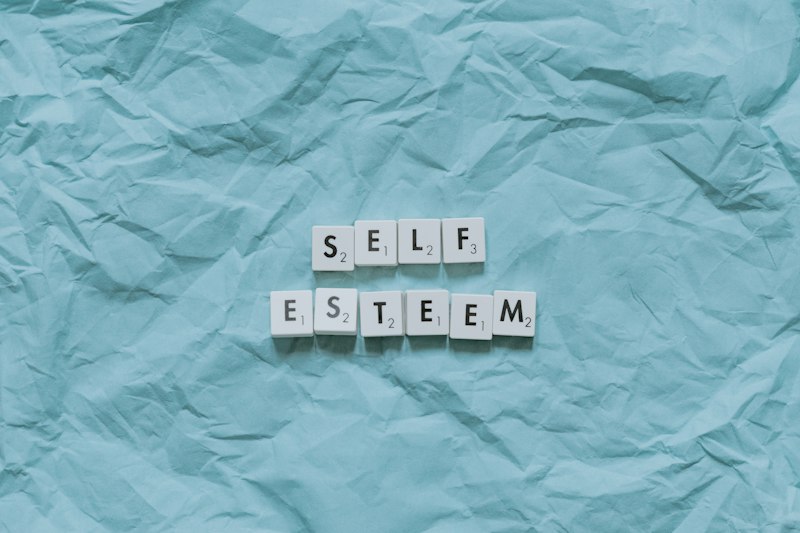
Self-confidence is a psychological concept that describes an individual’s belief in their abilities and potential to succeed. Subjective self-confidence is a key factor in determining an individual’s motivation and success in achieving their goals. There is a growing body of literature which suggests that self-confidence can be improved through various interventions (Brackett & Rivers, 2018; Neyer & Schütz, 2011).
Self-confidence is related to a variety of positive outcomes such as academic achievement and career success (Lent et al., 2002). Studies have found that self-confidence is a strong predictor of academic achievement (Eccles & Wigfield, 2002). Additionally, self-confidence has been shown to be an important factor in career success, with higher levels of self-confidence predicting higher job satisfaction and goal attainment (Komarraju & Karau, 2005).
Self-confidence can be improved through various interventions. Brackett and Rivers (2018) proposed a resilience-based approach to building self-confidence. This approach involves helping individuals to identify and develop their inner strengths, and to recognize and accept their weaknesses. Additionally, Neyer and Schütz (2011) suggested that interventions should focus on enhancing self-efficacy, which is an individual’s belief in their ability to perform a given task.
In conclusion, self-confidence is a key factor in determining an individual’s motivation and success in achieving their goals. Self-confidence is related to a variety of positive outcomes such as academic achievement and career success. Self-confidence can be improved through various interventions such as a resilience-based approach and enhancing self-efficacy.
References
Brackett, M.A., & Rivers, S.E. (2018). Building self-confidence in children and adolescents: A resilience-based approach. The Counseling Psychologist, 46(2), 217-250.
Eccles, J.S., & Wigfield, A. (2002). Motivational beliefs, values, and goals. Annual Review of Psychology, 53, 109-132.
Komarraju, M., & Karau, S.J. (2005). Self-efficacy and academic motivation. Educational Psychologist, 40(3), 153-162.
Lent, R.W., Brown, S.D, & Larkin, K.C. (2002). Self-confidence and academic achievement: Toward a systematic model of motivation and achievement. Journal of Counseling Psychology, 49(2), 207-219.
Neyer, F.J., & Schütz, A. (2011). Self-efficacy, self-confidence, and academic success: An integrative model of student learning. International Journal of Educational Research, 50(1), 49-60.