Sexual Trauma: Healing the Invisible Wounds of Violation
Scientifically Reviewed · Dr. Marwa Abd-Alazim · August 28, 2026
Review Criteria & Clinical Standards
This content undergoes rigorous scientific peer-review and medical editorial standards at Arab Psychology Network to ensure clinical accuracy, validity, and compliance with evidence-based guidelines from leading psychological and healthcare authorities (APA / WHO).
Definition and Scope of Sexual Trauma
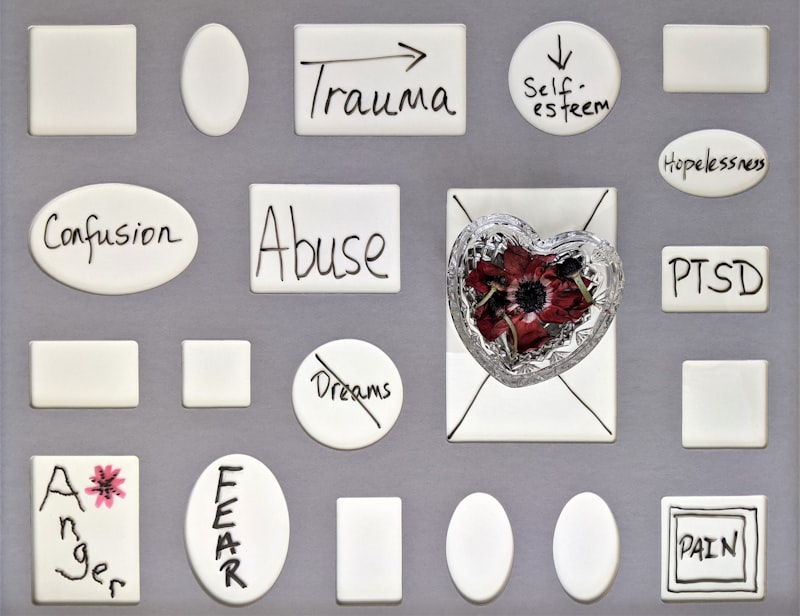
Sexual trauma is formally defined as a deeply distressing or disturbing experience relating to sex, encompassing a wide array of events that violate an individual’s physical and psychological integrity. These experiences inherently involve a loss of autonomy and a breach of trust, often leading to profound and lasting psychological injury. While the most widely recognized forms include rape and other sex offenses, the scope of sexual trauma is far broader, extending to any unwanted sexual contact, exposure, or psychological coercion where consent is absent, revoked, or impossible to give. It is not merely a bad experience related to sex; it is an overwhelming event that challenges the victim’s core assumptions about safety, self-worth, and the predictability of the world. The resulting injury may manifest as either physical trauma, involving bodily harm or injury, or purely mental and emotional distress, which frequently proves to be the most debilitating and persistent aspect of the trauma response.
The traumatic nature of these incidents stems from the subjective experience of terror, helplessness, and the inability to escape or mitigate the harm. Unlike other forms of generalized trauma, sexual violence carries an intense layer of violation directed specifically at one’s intimate self and identity. The trauma is often compounded by feelings of profound shame and guilt, which are frequently internalized due to societal pressures and victim-blaming narratives. This internalization complicates the healing process, as survivors may struggle to distinguish between the perpetrator’s actions and their own perceived failings. Therefore, understanding sexual trauma necessitates acknowledging both the objective severity of the act and the subjective, catastrophic impact it has on the victim’s emotional landscape and capacity for future intimacy and trust.
The definition must also account for the developmental stage of the individual at the time of the event. Trauma experienced during childhood or adolescence, often referred to as child sexual abuse (CSA), has unique and devastating consequences on brain development, attachment formation, and identity construction. For adults, the trauma shatters existing schemas of safety, whereas for children, these schemas may never fully form, leading to chronic difficulties in emotional regulation and interpersonal relationships later in life. Furthermore, sexual trauma is often relational, meaning the perpetrator is frequently known to the victim, intensifying the feelings of betrayal and complicating the necessary process of social reintegration and establishing healthy boundaries.
Typologies of Sexually Traumatic Experiences
Sexual trauma encompasses a diverse spectrum of events, which can be broadly categorized based on the nature of the violation and the relationship between the survivor and the perpetrator. The most severe and recognized category involves sexual assault and rape, defined by non-consensual penetration or sexual contact achieved through force, threat of force, coercion, or when the victim is incapacitated. Within this category, distinctions are often made between trauma inflicted by strangers and trauma perpetrated by known individuals (acquaintance rape or intimate partner sexual violence), the latter frequently involving complex psychological manipulation and prolonged abuse that compounds the betrayal element. The experience of forced penetration, whether vaginal, anal, or oral, represents a fundamental violation of bodily autonomy and is a central driver of the subsequent psychological sequelae observed in clinical settings.
Beyond physical assault, significant trauma arises from non-contact forms of sexual violence and exploitation. These experiences, though lacking direct physical injury, inflict deep psychological wounds through manipulation, humiliation, and control. Examples include persistent and aggressive sexual harassment in occupational or academic settings, non-consensual exposure to sexually explicit material, and, increasingly, trauma resulting from digital or online exploitation, such as sextortion or the distribution of non-consensual intimate images. These forms of trauma are often characterized by a loss of privacy and control over one’s own image and narrative, leading to pervasive feelings of exposure and helplessness that can be just as debilitating as physical assault. The lack of visible wounds in these cases sometimes leads to minimization by others, hindering the survivor’s ability to seek and receive appropriate support.
A critical typology focuses on systemic and institutional sexual abuse, where the trauma is facilitated or ignored by structures designed to protect vulnerable populations. This includes sexual abuse within institutions such as religious organizations, correctional facilities, military units, or residential treatment centers. This type of trauma is particularly destructive because it involves a profound betrayal of institutional trust, often trapping the victim in an environment where reporting the abuse is dangerous or impossible. Furthermore, trauma resulting from sexual exploitation, such as human trafficking or prostitution, involves systemic coercion where sexual acts are traded for survival, leading to complex trauma characterized by prolonged psychological, physical, and economic entrapment. Recognizing these typologies is essential for tailoring therapeutic approaches, as the context of the trauma significantly influences the nature of the long-term psychological damage.
The Neurobiological and Psychological Impact
The initial response to sexual trauma is rooted in the activation of the body’s threat detection system, primarily the hypothalamic-pituitary-adrenal (HPA) axis. When faced with an overwhelming, inescapable threat, the surge of stress hormones—cortisol and adrenaline—prepares the body for fight, flight, or freeze. In the context of sexual assault, where flight or fight is often impossible or counterproductive, the nervous system frequently defaults to the freeze or tonic immobility response. This state, characterized by physical paralysis and mental detachment, is a protective mechanism designed to minimize pain and potentially increase survival chances, but it often confuses survivors who later blame themselves for not resisting. Crucially, the extreme levels of stress hormones can impair the hippocampus, the brain region responsible for processing context and chronological memory, leading to the fragmented, sensory-driven memory encoding characteristic of traumatic recall.
This neurobiological disruption directly translates into specific psychological injuries. One of the most significant impacts is the shattering of fundamental assumptions—the deeply held beliefs that the world is generally safe, that bad things happen only to bad people, and that one has control over one’s own body and destiny. Sexual trauma violently dismantles these schemas, leaving the survivor with a pervasive sense of vulnerability, hypervigilance, and distrust. This leads to a profound shift in self-perception, where the survivor often experiences feelings of being permanently tainted, damaged, or fundamentally different from others. This cognitive distortion, often fueled by internalized shame, is a key barrier to recovery and contributes heavily to the development of complex psychological disorders.
Furthermore, the body’s inability to fully process and integrate the traumatic event means that the raw, sensory data of the trauma remains active in the nervous system. This manifests through somatic symptoms, such as chronic pain, tension, and hyperarousal, and through involuntary intrusive experiences like flashbacks or nightmares. In these moments, the survivor re-experiences the trauma as if it is happening in the present, demonstrating that the brain has not filed the event as past history. The psychological impact also involves complex emotional dysregulation, where the survivor may swing rapidly between emotional numbness (affective constriction) and intense, overwhelming feelings (hyperarousal), reflecting the constant, exhausting effort required to manage the internalized threat signals that persist long after the physical danger has passed.
Connection to Dissociative and Post-Traumatic Disorders
A cornerstone finding in trauma psychology confirms that sexual trauma is a common cause of dissociative disorders and post-traumatic disorders. The overwhelming nature of sexual violence exceeds the individual’s capacity to process the information coherently, making dissociation a necessary, immediate psychological defense mechanism. Dissociation involves a mental separation from the traumatic experience, allowing the mind to detach from intolerable pain, terror, or humiliation. While this mechanism is adaptive during the event, its persistence becomes maladaptive, creating gaps in memory, identity confusion, and difficulties with emotional presence. Common dissociative symptoms include derealization (feeling that the world is not real) and depersonalization (feeling detached from one’s own body or self), which serve to buffer the psyche from unbearable distress but severely impede daily functioning and relational capacity.
The high correlation between sexual trauma and Post-Traumatic Stress Disorder (PTSD) is well-established. PTSD, as defined by diagnostic manuals, involves four symptom clusters: intrusion (e.g., nightmares, flashbacks), avoidance (e.g., avoiding places or conversations that remind one of the trauma), negative alterations in cognition and mood (e.g., emotional numbness, persistent negative beliefs about self or world), and alterations in arousal and reactivity (e.g., hypervigilance, exaggerated startle response). In the context of sexual trauma, avoidance often manifests as difficulty with intimacy or sexual function, while hypervigilance focuses on potential threats in social or relational contexts. If the trauma was chronic or occurred early in life, survivors may develop Complex PTSD (C-PTSD), which includes all standard PTSD symptoms plus deep-seated difficulties in emotional regulation, identity, and relational patterns.
Furthermore, sexual trauma is a primary etiological factor in the development of the full spectrum of Dissociative Disorders, including Dissociative Identity Disorder (DID) and other specified and unspecified dissociative disorders. When trauma is repetitive, severe, and occurs before the personality is fully integrated (typically before age eight or nine), the child may permanently wall off the overwhelming experiences into separate self-states or identities. This mechanism, known as structural dissociation of the personality, allows the child to continue functioning in daily life while compartmentalizing the traumatic memory, emotion, and behavior. Thus, the frequency and severity of sexual trauma, particularly early-life abuse, directly correlate with the complexity and severity of the resulting dissociative pathology, underscoring the critical need for specialized, phase-oriented trauma treatment.
Immediate and Long-Term Psychological Consequences
In the immediate aftermath of sexual trauma, survivors often enter a state of acute stress reaction characterized by emotional shock, numbness, or overwhelming panic. The immediate consequences include an intense, often debilitating fear for safety, coupled with profound distrust of others and the environment. Survivors may experience severe sleep disturbances, including insomnia or terrifying nightmares, and exhibit high levels of irritability or emotional volatility. Paradoxically, some survivors may appear outwardly calm or detached due to dissociation, which masks the internal turmoil and often leads to misinterpretation by first responders or medical staff. Immediate self-blame, shame, and a desperate desire to erase or deny the event are also common, representing the initial psychological efforts to regain control in an uncontrollable situation.
The long-term psychological consequences of sexual trauma are pervasive and often span decades, significantly impacting quality of life and functional capacity. These chronic manifestations frequently include co-occurring mental health conditions such as chronic major depressive disorder, generalized anxiety disorder, and substance use disorders, which are often utilized as maladaptive coping mechanisms to manage intrusive symptoms and emotional pain. A particularly debilitating long-term consequence is the disruption of attachment patterns, leading to severe difficulties in forming and maintaining healthy, trusting intimate relationships. Survivors may oscillate between emotional isolation and chaotic relationships, driven by a fear of intimacy and re-enactment patterns rooted in the original trauma. Self-destructive behaviors, including self-harm and suicidal ideation, are also highly prevalent, reflecting the survivor’s internalized pain and sense of hopelessness.
The functional impairment resulting from long-term trauma often extends into occupational, academic, and social domains. Difficulty concentrating, memory problems, and chronic fatigue, all symptoms related to sustained hypervigilance and emotional dysregulation, interfere with work performance and educational attainment. Social withdrawal is common, driven by fear, mistrust, and the overwhelming burden of shame, leading to profound loneliness and isolation. Furthermore, sexual trauma survivors often face revictimization risk, meaning they are statistically more likely to experience subsequent traumatic events, potentially due to the lingering psychological and relational vulnerabilities created by the initial trauma. Addressing these complex and interlocking consequences requires sustained, comprehensive therapeutic engagement focused not just on symptom reduction but on reconstructing a cohesive sense of self and safety in the world.
Societal and Contextual Factors
The recovery trajectory for survivors of sexual trauma is profoundly influenced by societal and contextual responses, often leading to a phenomenon known as secondary victimization. This occurs when the survivor, upon disclosing the trauma, encounters negative, hostile, or disbelieving reactions from family, friends, institutions, or the legal system. The pervasive nature of victim-blaming culture, which questions the survivor’s actions, clothing, sobriety, or consent, exacerbates the original feelings of shame and isolation. When disclosure is met with dismissal or skepticism, it reinforces the survivor’s feeling that the trauma was their fault and severely limits their willingness to seek necessary support, thereby deepening psychological injury. This societal context acts as a chronic stressor, impeding the ability to integrate the trauma and move toward healing.
Institutional responses, particularly within legal and medical settings, can further compound the traumatic injury. The process of reporting sexual assault often requires the survivor to repeatedly recount the most painful details of the event, potentially triggering intense re-traumatization without adequate support. In legal proceedings, the adversarial nature of cross-examination frequently targets the credibility and character of the survivor, effectively transforming the legal venue into another site of perceived attack. This systemic failure to provide trauma-informed support during reporting and judicial processes communicates a message of invalidation, which can be more damaging in the long term than the original event, especially regarding the survivor’s capacity to trust authority figures and systems of justice.
Vulnerability to sexual trauma is also shaped by contextual factors, including socioeconomic status, gender, sexual orientation, and race. Individuals belonging to marginalized communities frequently face compounded risks due to systemic oppression and reduced access to resources. For instance, individuals with intellectual disabilities or those in correctional settings are disproportionately targeted. Moreover, the cultural norms surrounding masculinity and femininity often dictate how trauma is experienced and expressed; men, for example, may face intense barriers to reporting due to societal expectations of strength, while women often face intensified scrutiny regarding their sexual history. Addressing sexual trauma effectively requires acknowledging these intersectional vulnerabilities and implementing interventions that are culturally competent and structurally sensitive to the systemic barriers facing diverse survivor populations.
Clinical Assessment and Diagnosis
The clinical assessment of sexual trauma must be executed within a strict trauma-informed care framework, prioritizing the survivor’s safety, autonomy, and control throughout the process. The initial goal is not necessarily immediate diagnosis, but rather the establishment of a safe therapeutic alliance and the stabilization of acute symptoms. Assessment typically begins with a comprehensive, non-judgmental history-taking, which carefully documents the nature of the traumatic event(s), the survivor’s immediate response, and the development of post-trauma symptoms. Clinicians must be acutely aware of signs of dissociation, shame, and avoidance, and utilize indirect questioning techniques to gather information without triggering re-traumatization or overwhelming the client. The core principle dictates that the clinician assumes that any behavioral or emotional challenge the client presents is a logical, albeit sometimes maladaptive, response to an unbearable traumatic event.
Formal diagnosis often relies on standardized, validated clinical instruments used to measure the severity and clustering of symptoms related to PTSD and dissociation.
- The Clinician-Administered PTSD Scale for DSM-5 (CAPS-5): Considered the gold standard for diagnosing PTSD, this structured interview assesses the frequency and intensity of all 20 DSM-5 symptoms.
- The Post-Traumatic Stress Disorder Checklist (PCL-5): A self-report measure used for screening, monitoring symptoms, and provisional diagnosis.
- The Dissociative Experiences Scale (DES): Measures the prevalence and impact of various dissociative symptoms, including amnesia, depersonalization, and absorption, which are highly correlated with a history of sexual trauma, particularly complex trauma.
- Trauma Symptom Inventory (TSI): A broad measure that assesses a range of trauma-related symptoms beyond core PTSD criteria, such as self-injurious behavior, defensive avoidance, and relational difficulties.
A crucial component of assessment involves differential diagnosis, as sexual trauma symptoms frequently mimic or co-occur with symptoms of other conditions, including Borderline Personality Disorder, Bipolar Disorder, and generalized anxiety disorders. For instance, the emotional dysregulation and unstable relationships common in C-PTSD can be misdiagnosed as Borderline Personality Disorder if the underlying trauma history is not thoroughly explored. Likewise, dissociative flashbacks may be mistaken for psychotic episodes. Therefore, the clinician must meticulously explore the temporal relationship between the traumatic event and the onset of symptoms, ensuring that the treatment plan targets the foundational traumatic injury rather than merely addressing surface-level symptoms. Failure to identify the traumatic etiology can lead to ineffective or even harmful interventions.
Therapeutic Interventions and Recovery Pathways
The treatment of sexual trauma is typically guided by a phase-oriented model, recognizing that recovery is a sequential process that cannot be rushed. This model, often attributed to Judith Herman, divides treatment into three distinct stages: 1) Safety and Stabilization, 2) Remembrance and Mourning (Trauma Processing), and 3) Reconnection and Integration. The initial stabilization phase is critical, focusing entirely on establishing external and internal safety, teaching emotion regulation skills, managing self-destructive behaviors, and strengthening coping resources. Trauma processing is ethically contraindicated until the client has achieved sufficient stability to tolerate the intensity of traumatic memory recall without becoming overwhelmed or highly dissociative.
Once stabilization is achieved, the focus shifts to phase two, utilizing evidence-based therapies designed to process the traumatic memories and associated emotions. The most effective interventions for PTSD resulting from sexual trauma include:
- Cognitive Processing Therapy (CPT): A specific type of Cognitive Behavioral Therapy (CBT) that focuses on challenging and modifying unhelpful beliefs related to the trauma (e.g., self-blame, safety, trust) that prevent recovery.
- Prolonged Exposure (PE): Involves systematically confronting feared trauma-related thoughts, memories, and situations, using techniques such as imaginal exposure (reliving the memory safely) and in vivo exposure (gradually confronting real-world avoidance).
- Eye Movement Desensitization and Reprocessing (EMDR): A treatment approach that uses bilateral stimulation (e.g., eye movements) to help the brain process traumatic memories, transforming them from emotionally charged, immediate experiences into ordinary narrative memories.
- Dialectical Behavior Therapy (DBT): Often used for complex trauma and C-PTSD, DBT focuses intensively on skills training in mindfulness, distress tolerance, emotion regulation, and interpersonal effectiveness to manage the chaotic symptoms resulting from chronic trauma exposure.
The final phase of recovery, Reconnection and Integration, focuses on helping the survivor find meaning in their experience, re-establish healthy relationships, and integrate the trauma into their life narrative without allowing it to dominate their identity. This involves addressing the core injuries related to self-worth, shame, and isolation. Recovery is fundamentally about shifting from a state of victimhood to a position of survivorship, recognizing the capacity for post-traumatic growth—positive psychological changes experienced as a result of struggling with highly challenging life circumstances. This involves finding new strengths, deepening relationships, and gaining a greater appreciation for life. The prognosis for recovery is significantly enhanced by strong social support systems, psychoeducation, and the survivor’s own inherent resilience, emphasizing that while the trauma is a permanent part of the history, it does not define the future.


