Sexual Education: Empowering Minds Through Informed Choice
Scientifically Reviewed · Dr. Marwa Abd-Alazim · September 1, 2026
Review Criteria & Clinical Standards
This content undergoes rigorous scientific peer-review and medical editorial standards at Arab Psychology Network to ensure clinical accuracy, validity, and compliance with evidence-based guidelines from leading psychological and healthcare authorities (APA / WHO).
Introduction and Foundational Mission
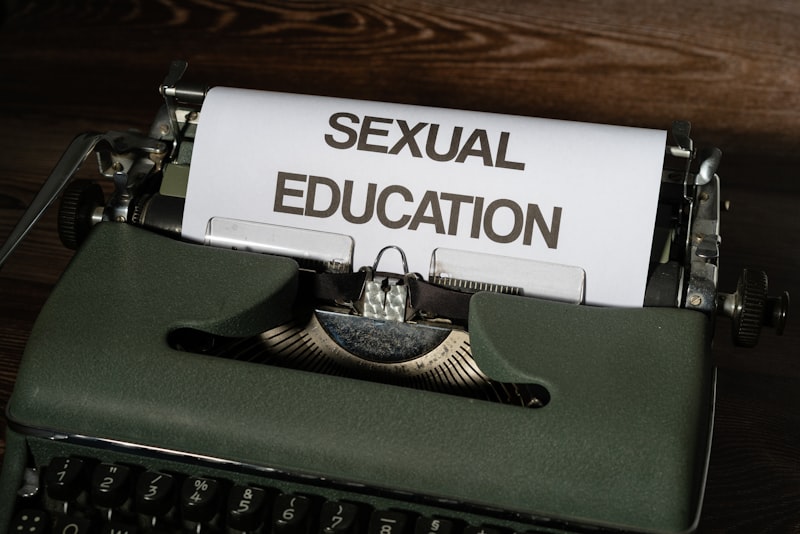
The Sexuality Information and Education Council of the United States, commonly known by its acronym SIECUS, stands as a pivotal non-profit organization dedicated to advocating for and promoting comprehensive sexuality education and accurate information about human sexuality across the nation. Established on the core belief that access to factual, age-appropriate, and inclusive information is fundamental to individual health and societal well-being, SIECUS has championed the cause of informed sexual literacy for decades. Its mission extends beyond mere biological instruction, striving instead to integrate discussions of emotional health, relationships, consent, diversity, and responsible decision-making into educational curricula, recognizing that sexuality is a complex, lifelong aspect of human experience that influences physical, mental, and social outcomes. This commitment to holistic education positions SIECUS as a primary resource for educators, policymakers, parents, and young people seeking reliable, evidence-based guidance in a frequently polarized public discourse.
SIECUS operates under the foundational principle that comprehensive sexuality education is a critical component of public health infrastructure, serving as a prophylactic measure against negative outcomes such as unintended pregnancies, sexually transmitted infections (STIs), and sexual violence. By empowering individuals, particularly adolescents, with knowledge and essential communication skills, the organization aims to foster environments where healthy sexual attitudes and behaviors can flourish, moving the conversation away from fear-based abstinence-only approaches toward proactive, skill-building models. The organization meticulously develops and disseminates educational materials, policy recommendations, and research summaries that reflect the latest scientific understanding and pedagogical best practices, ensuring that the information provided is both medically accurate and developmentally appropriate for diverse populations across the spectrum of age, culture, and sexual orientation.
The scope of SIECUS’s work is inherently broad, encompassing legislative advocacy at both the state and federal levels to secure mandates for quality sex education, alongside direct support for schools and community organizations implementing new curricula. They serve as a vital clearinghouse, bridging the gap between academic research in psychology, sociology, and public health, and practical application in the classroom setting. Furthermore, SIECUS emphasizes the importance of inclusivity, ensuring that educational frameworks acknowledge and affirm the experiences of lesbian, gay, bisexual, transgender, and queer (LGBTQ+) youth, addressing the unique challenges and vulnerabilities faced by these groups. This dedication to equity underscores their belief that comprehensive education is not just about reducing risk, but about promoting sexual rights, justice, and overall emotional resilience for every young person.
Historical Context and Formation
SIECUS was formally founded in 1964, a period marked by significant cultural shifts regarding sexual norms, public morality, and medical advancements, including the widespread availability of hormonal contraception. The organization emerged from the efforts of Dr. Mary S. Calderone, a pioneering physician and public health advocate who recognized the profound gap between scientific knowledge about human sexuality and the restrictive, often harmful, education provided—or, more frequently, withheld—in schools and homes. Calderone, who had previously served as Medical Director for the Planned Parenthood Federation of America, envisioned an organization that could professionally and scientifically approach the subject of sex education, dismantling the pervasive taboos and misinformation that characterized the era. Her leadership provided the initial intellectual rigor and moral conviction necessary to launch a national movement dedicated to evidence-based education.
The early years of SIECUS were characterized by intense activism and the difficult task of establishing credibility in an environment deeply skeptical of open discussions about sexuality. The organization quickly became a central figure in the nascent field of sexology, attracting respected educators, medical professionals, and theologians who shared the commitment to informed dialogue. SIECUS focused initially on training teachers and developing foundational curriculum guidelines, insisting that sexuality education must be integrated throughout the school years rather than confined to a single, often inadequate, high school health class. This early advocacy helped professionalize the field, moving sex education away from purely moralistic instruction and aligning it with established public health and educational standards, thereby laying the groundwork for the modern comprehensive approach.
Despite facing immediate and often fierce opposition from conservative groups who viewed sex education as an intrusion into parental rights or a catalyst for sexual promiscuity, SIECUS maintained its unwavering commitment to scientific accuracy and ethical principles. The debates surrounding the organization’s work in the 1960s and 1970s often mirrored broader societal conflicts over family structure, gender roles, and individual autonomy. Through persistent lobbying, publishing influential reports, and collaborating with national educational associations, SIECUS successfully cultivated a network of supporters, solidifying its role as the authoritative voice advocating for the necessity and efficacy of comprehensive sexuality education as a crucial component of holistic education in the United States.
The Philosophy of Comprehensive Sex Education (CSE)
The central pillar of SIECUS’s philosophy is the promotion of Comprehensive Sexuality Education (CSE), a model distinct from abstinence-only or abstinence-plus programs. CSE is defined by its broad scope, developmental appropriateness, scientific accuracy, and its focus on empowering youth to make informed, responsible decisions about their sexual health and relationships throughout their lives. This model recognizes that sexuality encompasses much more than sexual intercourse; it includes gender identity, sexual orientation, emotional intimacy, reproductive health, body image, and the critical skill of communication, particularly concerning boundaries and consent, which is foundational to preventing sexual assault and harassment.
A key characteristic of the SIECUS-supported CSE framework is its emphasis on skills development rather than simply information transmission. While knowledge about anatomy, reproduction, and disease prevention is essential, CSE curricula dedicate significant time to fostering practical skills such as negotiation, refusal strategies, identifying and managing peer pressure, effective communication with partners and parents, and accessing healthcare services. This practical orientation ensures that students are not merely aware of risks, but are equipped with the tools necessary to navigate complex social and emotional situations safely and respectfully. Furthermore, CSE is designed to be culturally competent and inclusive, acknowledging the diverse backgrounds, values, and experiences of students, and striving to create an environment where all identities are respected and affirmed.
SIECUS works extensively to define and update the standards that underpin quality CSE. These standards typically organize content into thematic areas that span from kindergarten through 12th grade, ensuring that learning is cumulative and tailored to the cognitive and emotional development of students at each stage.
- Human Development: Covers anatomy, puberty, reproductive health, and body image.
- Relationships: Focuses on friendships, family relationships, romantic love, healthy boundaries, and avoiding abuse.
- Personal Skills: Includes communication, decision-making, goal setting, and media literacy regarding sexual messages.
- Sexual Health: Addresses contraception, STI prevention, accessing healthcare, and risk reduction.
- Sexual Behavior: Discusses values, ethics, responsible sexual choices, and consent.
- Society and Culture: Explores gender roles, sexual orientation, diversity, and the influence of cultural norms on sexuality.
Key Initiatives and Advocacy Efforts
Over its history, SIECUS has spearheaded several critical initiatives aimed at standardizing and expanding quality sex education nationwide. One of its most significant contributions is the development and promotion of the National Sexuality Education Standards (NSES), a collaborative effort with other leading health and education organizations. These standards provide a comprehensive, research-based framework for what students should know and be able to do at various grade levels, offering a vital resource for states and local districts aiming to implement effective CSE programs. The NSES emphasizes six core concepts, ensuring consistency and rigor in curriculum design across diverse educational settings, thereby elevating the professional quality of sex education instruction.
In the realm of policy advocacy, SIECUS has consistently fought against federal and state funding for programs based solely on abstinence until marriage, arguing that such programs are unethical, fail to provide necessary health information, and have been proven ineffective by rigorous public health research. The organization actively monitors legislation and provides expert testimony to lawmakers, utilizing scientific data to underscore the public health imperative of comprehensive education. This advocacy often involves building broad coalitions with medical associations, public health agencies, and youth advocacy groups to present a unified front supporting evidence-based educational policies that prioritize the health and safety of young people over ideological restrictions.
Furthermore, SIECUS dedicates considerable effort to public awareness and education campaigns designed to shift public opinion regarding sexuality education. These campaigns often target parents, encouraging them to view sex education as a partnership between home and school, and providing resources to help facilitate open, non-judgemental conversations with their children about sex and sexuality. By demystifying the content of CSE and highlighting its positive outcomes—such as increased condom use, delayed sexual initiation, and enhanced self-esteem—SIECUS works to reduce political and cultural resistance, fostering greater community acceptance for robust educational programming that addresses real-world challenges faced by youth.
Impact on Policy and Education Standards
The influence of SIECUS on educational policy in the United States is substantial, particularly in establishing the philosophical foundation for what constitutes effective sexuality education. By consistently providing well-researched, non-partisan resources, SIECUS has helped numerous state and local educational agencies draft or revise policies to mandate or strongly recommend comprehensive approaches. Their work has been instrumental in shifting the narrative away from purely moralistic frameworks toward a public health model, treating sex education as essential preventative care, similar to immunization campaigns or nutritional guidance. This strategic positioning has allowed CSE to gain traction even in politically challenging environments, emphasizing risk reduction and safety as primary goals.
A significant achievement related to policy impact involves challenging and ultimately dismantling the long-standing federal funding streams dedicated exclusively to abstinence-only-until-marriage (AOUM) programs. SIECUS played a key role in demonstrating the ineffectiveness and misleading nature of these programs, advocating successfully for the redirection of federal funds toward medically accurate, evidence-based programs that include information on both abstinence and contraception. This legislative success redirected millions of dollars annually towards supporting state and local efforts to implement CSE, dramatically improving the quality of instruction available to millions of students who would have otherwise received incomplete or biased information.
Moreover, SIECUS’s persistent effort to articulate clear standards, such as the NSES, has created a benchmark against which curricula can be assessed. This standardization is critical for ensuring quality control and professional integrity among educators. Many states and large school districts now utilize the framework developed by SIECUS and its partners to train teachers, select textbooks, and measure student outcomes, thereby institutionalizing the comprehensive approach. By establishing these professional norms, SIECUS ensures that even when specific legislation is absent or weak, the professional consensus among educators and health professionals leans heavily toward providing complete and accurate information.
Challenges and Controversies
Despite its long-standing commitment to evidence-based education, SIECUS consistently faces significant challenges, primarily stemming from deep ideological divisions within the American public regarding sexuality, morality, and the role of schools versus parents. The organization remains a frequent target of conservative advocacy groups who accuse comprehensive sexuality education of promoting premature sexual activity, undermining parental authority, and violating traditional moral values. These attacks often involve mischaracterizing the content of CSE curricula, leading to localized political battles over textbook selection, teacher training, and curriculum mandates, often forcing SIECUS and its allies into reactive defense of existing programs.
One of the ongoing political battlegrounds involves the inclusion of LGBTQ+ issues within the curriculum. SIECUS strongly advocates for educational materials that are inclusive of diverse sexual orientations and gender identities, stressing that such inclusion is vital for the mental health and safety of LGBTQ+ youth, who face disproportionately higher rates of bullying, depression, and suicide ideation. However, this commitment to inclusivity often triggers intense opposition, with opponents arguing that such topics are inappropriate for school settings or conflict with religious beliefs. SIECUS must continuously navigate this volatile landscape, balancing the imperative for ethical, inclusive education with the pragmatic need to secure local and state policy victories.
Furthermore, maintaining consistent quality across diverse educational settings remains a structural challenge. Even when comprehensive education is mandated, implementation can be uneven due to factors such as inadequate teacher training, lack of administrative support, or local community resistance. SIECUS addresses this through continuous professional development offerings and resource creation, but the decentralized nature of the US education system means that the fight for quality, comprehensive sexuality education must be waged county by county, requiring sustained effort and resources to ensure that policy gains translate effectively into beneficial classroom experiences for all students.
The Future Role of SIECUS
As societal understanding of sexuality evolves rapidly, influenced by digital technology, shifting norms around gender, and new public health crises, the role of SIECUS remains critically relevant and dynamic. Moving forward, the organization is focusing on adapting CSE to address the unique challenges of the digital age, particularly issues related to online safety, cyberbullying, sexting, and the pervasive influence of pornography and social media on young people’s perceptions of intimacy and relationships. Integrating digital literacy and critical media analysis into sexuality education is becoming a primary focus to ensure the curriculum remains relevant to the lived experiences of modern youth.
SIECUS is also intensifying its efforts to embed principles of sexual justice within its advocacy framework. This involves recognizing and addressing how race, class, and systemic inequality intersect with sexual health outcomes, advocating for policies that dismantle barriers to healthcare access, and ensuring that educational resources are tailored to meet the needs of marginalized communities who often experience the greatest disparities in sexual health knowledge and outcomes. This commitment to justice strengthens the organization’s partnerships with civil rights organizations and reproductive justice advocates, broadening the scope of its mission beyond traditional educational reform.
In conclusion, the Sexuality Information and Education Council of the United States continues to serve as the nation’s leading expert voice for comprehensive, rights-affirming sexuality education. By adhering to scientific integrity, championing inclusivity, and tirelessly advocating for sound public policy, SIECUS remains essential in ensuring that all young people receive the factual information and critical life skills necessary to navigate their sexual development safely, responsibly, and with dignity throughout their lives. The enduring mission of SIECUS is to empower future generations through knowledge and understanding, fostering a society where sexual health and well-being are recognized as fundamental human rights.