Sham Surgery: The Science of the Placebo Effect
Scientifically Reviewed · Dr. Marwa Abd-Alazim · September 1, 2026
Review Criteria & Clinical Standards
This content undergoes rigorous scientific peer-review and medical editorial standards at Arab Psychology Network to ensure clinical accuracy, validity, and compliance with evidence-based guidelines from leading psychological and healthcare authorities (APA / WHO).
Introduction to Sham Surgery
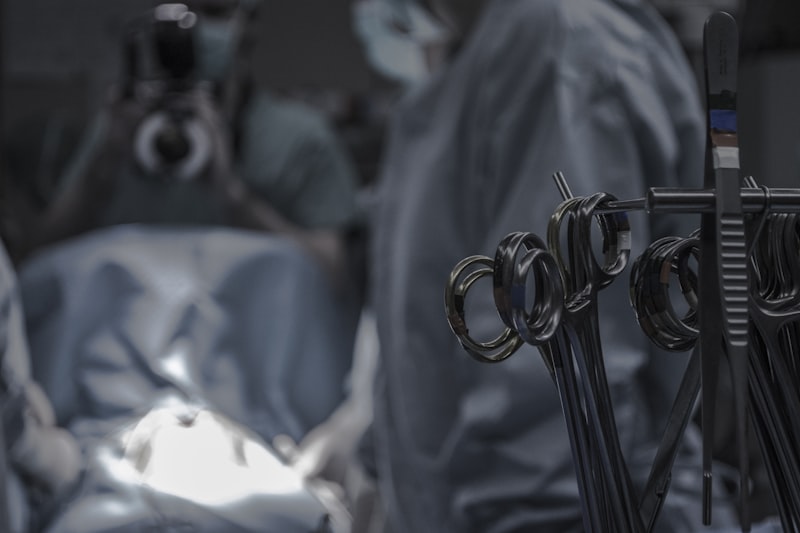
Sham surgery, also frequently termed a sham operation, represents a crucial and often ethically complex component of experimental design, specifically within contexts involving surgical interventions on animal models or, historically, human subjects. It is fundamentally a control procedure meticulously designed to mimic the exact operative experience of the experimental group without performing the critical therapeutic or investigative manipulation being tested. The primary objective is to isolate the true physiological or behavioral effects resulting solely from the novel surgical procedure, distinguishing them from effects that arise merely from the trauma of anesthesia, incision, tissue manipulation, and post-operative care. This rigorous control is essential for establishing internal validity in surgical research, ensuring that observed outcomes are attributable only to the intervention under scrutiny and not to confounding variables inherent in the operative setting itself.
The definition dictates that during a sham procedure, the surgeon follows all steps of the experimental surgery, including preparation, incision, exposure of the target tissue, and closure, but stops short of executing the key experimental maneuver, such as the removal of tissue, the implantation of a device, or the alteration of a neural pathway. For instance, if the experimental group receives a lesion in a specific brain region, the sham group receives all preceding steps—craniotomy, dura mater exposure, and instrument insertion—but the damaging electrical current or chemical agent is not applied, or the instrument is retracted immediately. This careful replication ensures that non-specific systemic effects, such as stress responses, inflammatory reactions, or recovery time, are equalized between the control and experimental cohorts, thereby isolating the variable of interest.
Crucially, the effectiveness of sham surgery as a control relies on the premise that it introduces all potential non-specific influences associated with the invasive procedure. The integrity of the experimental results hinges on the assumption that the physical trauma, the duration of anesthesia, the exposure to the operating theater environment, and the subsequent pain management protocols are identical for both groups. The quote often associated with its function highlights this specificity: “Sham surgery does not have any systemic effects,” meaning that while the procedure itself is traumatic, it is only the specific, targeted manipulation that yields the physiological outcome being measured, reinforcing the need for the control group to experience everything but that singular alteration.
The Rationale for Control Groups in Surgical Research
The application of control groups is a cornerstone of the scientific method, designed to eliminate alternative explanations for experimental findings. In the realm of surgical investigation, this necessity is dramatically amplified due to the inherently invasive nature of the intervention. Surgical procedures, even minimally invasive ones, introduce significant confounding variables that can independently affect biological outcomes. These variables include systemic shock, localized inflammation, changes in metabolic rates due to anesthesia, and neural responses triggered by tissue disruption. Without a meticulously designed control group that experiences these non-specific effects, researchers cannot confidently assert that the observed differences between operated and non-operated subjects are genuinely caused by the specific manipulation being tested.
The unique challenge posed by surgical research lies in the difficulty of blinding both the experimenter and the subject (especially in animal models) to the intervention. While true placebo controls work well for drug trials (where an inert pill mimics the active one), the equivalent in surgery—the sham procedure—must replicate the physical trauma. The rationale dictates that if a new surgical technique designed to improve cardiac function shows positive results, these results must first be compared against the baseline recovery and trauma response of subjects who underwent the identical preparatory and closing procedures without the functional alteration. If the sham group exhibits similar improvements, the benefits are likely due to general recovery or non-specific effects of the operation, rendering the specific surgical technique ineffective or secondary to the trauma response.
Furthermore, sham surgery plays a vital role in quantifying the background noise inherent in complex biological systems responding to stress. Any significant surgical incision, for example, triggers an acute inflammatory cascade. If the primary outcome measure is related to immune function or tissue healing, the inflammatory response caused by the mere opening and closing of the site must be factored out. By comparing the outcome measure in the experimental group to the outcome measure in the sham group, researchers utilize the sham control as a rigorous baseline, effectively subtracting the physiological impact of the non-specific trauma and isolating the effect of the primary intervention. This comparative methodology ensures that the resulting scientific claims are robust and reproducible, satisfying the highest standards of empirical evidence.
Methodology and Procedural Execution
Executing a successful sham surgery requires stringent adherence to protocols designed to maximize similarity with the experimental procedure while ensuring the key variable is omitted. The methodology begins long before the actual operation, encompassing identical pre-operative preparation, including fasting, administration of pre-anesthetics, and handling protocols. During the operation itself, the duration of anesthesia must be meticulously matched. This is often achieved by calculating the expected time needed for the experimental group and maintaining the sham group under anesthesia for the precise same duration, even if the actual sham manipulation takes less time. The goal is to standardize all exposures, including duration of hypothermia or temperature fluctuations, length of exposure to surgical lights, and time under mechanical ventilation.
The core of the procedural execution involves simulating the depth and invasiveness of the experimental operation. If the experimental surgery involves penetrating deep tissue layers to access a target organ, the sham procedure must penetrate the identical layers. The surgeon may use the same instruments to gently manipulate the target area without causing the intended alteration. For example, in studies involving nerve ligation, the sham procedure might involve isolating the nerve, placing the suture material around it, and then removing the material immediately before closure, ensuring the nerve is handled and exposed but not functionally impaired. This level of detail in simulation is crucial, as even slight variations in tissue handling can introduce significant physiological differences.
Post-operative care is equally critical for maintaining methodological integrity. Both the sham and experimental groups must receive identical analgesic regimens, hydration protocols, monitoring frequency, and recovery environments. Any differential treatment in the post-operative phase could unintentionally bias the results. The successful execution of a sham procedure thus extends far beyond the time spent on the operating table; it requires a standardized, blinded approach to the entire perioperative experience. The detailed documentation of every step—from anesthetic induction to final wound closure—is mandatory to verify that the only genuine difference between the two groups is the inclusion or exclusion of the specific variable under investigation.
Distinguishing Sham Surgery from Placebo Effects
While both sham procedures and placebos serve as control mechanisms in medical research, their contexts and mechanisms of action differ significantly, particularly when discussing invasive interventions. A placebo is typically an inert substance or non-invasive procedure designed to elicit psychological expectation effects in conscious human subjects. The placebo effect relies heavily on the patient’s belief in the treatment and the associated neurobiological responses (e.g., endorphin release). Conversely, sham surgery operates primarily as a control for the physical trauma and non-specific physiological stress responses inherent in the surgical act itself, especially in animal research where psychological expectation is minimal or absent.
In human surgical trials, the distinction becomes more complex, yet the fundamental purpose of the sham remains physiological control. For example, historical human trials involving procedures like internal mammary artery ligation for angina pectoris utilized sham surgery. The patient received the incision and closure, creating the expectation of treatment (the placebo component), but the vessel was not ligated. If both the experimental group and the sham group reported significant pain relief, the improvement was deemed attributable to the psychological placebo effect and the trauma of incision, not the ligation itself, thus questioning the efficacy of the novel surgery. In this scenario, the sham procedure functions as both a trauma control and a strong psychological placebo.
However, in preclinical animal models, where the majority of sham surgery is conducted, the emphasis shifts entirely away from psychological expectation. Here, the sham procedure is purely a rigorous control for surgical invasiveness. It ensures that any measured biological markers—like gene expression changes, inflammatory cytokines, or tissue damage—are not merely artifacts of the preparation, anesthesia, or tissue handling. Therefore, while both placebos and shams aim to isolate the specific effect of the active intervention, sham surgery specifically targets and controls for the complex, multifactorial physiological consequences triggered by physical penetration and manipulation of living tissue.
Ethical and Regulatory Considerations
The use of sham surgery, particularly in animal models, raises profound ethical and regulatory questions because it deliberately subjects research animals to the morbidity and potential mortality risks of a major surgical procedure without providing any direct therapeutic benefit. This necessary invasiveness means that institutional review boards (IRBs) and institutional animal care and use committees (IACUCs) scrutinize protocols involving sham controls with extreme rigor. Researchers must provide compelling justification that the scientific question cannot be answered effectively using less invasive controls or alternative methodologies.
The principle of the “Three Rs”—Replacement, Reduction, and Refinement—is central to the ethical approval process. While replacement (using non-animal methods) and reduction (using fewer animals) are always priorities, sham surgery directly relates to Refinement. Refinement mandates that procedures must be performed in a manner that minimizes pain, suffering, and distress. This includes ensuring that the sham procedure is performed by highly skilled surgeons, that anesthesia and monitoring are optimized, and that post-operative analgesia is robust and standardized across all groups, including the sham controls.
Furthermore, ethical guidelines require that the complexity and invasiveness of the sham procedure must be strictly limited to what is absolutely necessary to control for the experimental manipulation. Researchers cannot justify a full laparotomy if the experimental intervention only requires a small incision to access a superficial structure. The severity of the procedure must be proportional to the scientific gain. If preliminary data or existing literature strongly suggests that the non-specific effects of the surgery are negligible for the measured outcome, the necessity of a full sham control may be challenged, favoring a less invasive control group, such as an anesthesia-only control, thereby minimizing unnecessary harm to the animals involved.
Applications Across Scientific Disciplines
Sham surgery is indispensable across numerous biomedical and scientific disciplines where invasive techniques are employed to study function and pathology. Perhaps its most prevalent application is in neuroscience, particularly in studies involving brain lesions, deep brain stimulation (DBS) device implantation, or localized drug delivery. For example, when investigating the behavioral effects of an induced stroke (ischemia), the sham group undergoes the identical skull drilling and vessel exposure without the actual occlusion being performed. This ensures that observed cognitive deficits are due to the induced ischemia, not the craniotomy itself.
In cardiology and vascular research, sham operations are critical for evaluating the efficacy of novel devices or bypass procedures. If a stent is implanted into an artery, the sham group may receive an arterial incision, exposure of the vessel, and passage of the delivery catheter up to the implantation site, but the stent is not deployed. This controls for local trauma, blood flow disturbance caused by catheterization, and the systemic inflammatory response associated with accessing the vascular system. Without this control, researchers might mistakenly attribute changes in vascular remodeling or heart function to the device itself, when they are merely artifacts of the procedural trauma.
Similarly, in orthopedics and regenerative medicine, sham controls validate treatments involving bone grafts, joint replacements, or targeted injection therapies. When testing a novel cartilage repair technique, the sham procedure involves opening the joint capsule, manipulating the cartilage surface, and closing the joint without applying the therapeutic substance or technique. This allows researchers to distinguish true regeneration induced by the therapy from non-specific healing responses or scar tissue formation resulting from the necessary surgical exposure. The rigor provided by the sham control is thus foundational to validating translational research findings across diverse fields.
Limitations and Criticisms of Sham Procedures
Despite its essential role as a control, sham surgery is not without significant limitations and faces specific criticisms, primarily stemming from its inherent invasiveness. The most frequent criticism is the ethical dilemma discussed previously: subjecting animals to unnecessary pain and risk. This constant tension between scientific necessity and ethical obligation drives ongoing efforts to refine experimental design and seek alternatives.
A key methodological limitation is the potential for the sham procedure to be imperfectly matched to the experimental procedure. Even the most skilled surgeon may inadvertently introduce subtle differences between the groups. For instance, the mere handling of tissue, even without the definitive intervention, might trigger physiological responses that are quantitatively different from the response observed when the tissue is actively altered, leading to a slight mismatch in control. Furthermore, if the experimental manipulation drastically alters the post-operative recovery timeline (e.g., causing severe neurological deficits), the standardized post-operative care may cease to be truly equal, as the needs of the two groups diverge significantly, potentially compromising the control effectiveness.
Another criticism relates to the logistical complexity and cost. Performing a sham operation requires the same resources, surgical time, and specialized expertise as the full experimental procedure. This increases the overall cost and complexity of the study, demanding robust funding and highly trained staff. Researchers must continuously justify this investment by demonstrating that less resource-intensive controls (e.g., non-operated controls or anesthesia-only controls) would fail to provide the necessary distinction between the treatment effect and the procedural side effects. These limitations necessitate careful planning and rigorous justification within grant applications and ethical review submissions.
Conclusion: The Continued Necessity of Sham Controls
Sham surgery remains an indispensable methodology for maintaining the integrity and validity of research involving invasive procedures. Although challenged by ethical considerations regarding the deliberate infliction of trauma without therapeutic intent, its function as the gold standard for controlling non-specific surgical effects is currently unmatched. It successfully isolates the variable under test by ensuring that all subjects experience the confounding factors associated with anesthesia, incision, exposure, and recovery, guaranteeing that any measured difference is genuinely attributable to the specific manipulation.
The future of surgical research aims to minimize invasiveness through techniques like robotics and advanced imaging, which may eventually reduce the reliance on highly invasive sham controls. However, as long as research requires physical alteration or direct access to internal structures, the need for a control that mimics this physical disruption will persist. Therefore, ongoing efforts are focused on refining the sham methodology—making it as minimally invasive as possible while retaining its scientific rigor—and providing robust justification for its necessity in every experimental design.
Ultimately, the commitment to scientific truth demands the most rigorous controls available. By meticulously equating the experience of the control group (the sham operation) with the experimental group in every aspect except the singular intervention, researchers ensure that their conclusions are based on causation rather than correlation or artifact. Sham surgery, though ethically demanding, is thus a critical tool for advancing responsible and evidence-based surgical innovation.