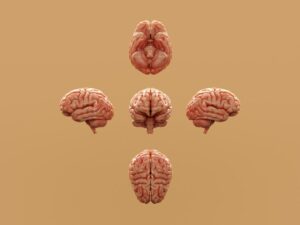
Sinistrality: The Hidden Science of Left-Handedness
Scientifically Reviewed · Dr. Marwa Abd-Alazim · August 27, 2026
Review Criteria & Clinical Standards
This content undergoes rigorous scientific peer-review and medical editorial standards at Arab Psychology Network to ensure clinical accuracy, validity, and compliance with evidence-based guidelines from leading psychological and healthcare authorities (APA / WHO).

Definition and Scope of Sinistrality
Sinistrality refers formally to the preferential and habitual use of the left hand or the left side of the body for engaging in complex motor activities requiring precision, strength, or coordination. This tendency is most commonly observed and studied through left-handedness, where the left hand is chosen for tasks such as writing, eating, throwing, or utilizing specialized tools. It represents a fundamental aspect of human behavioral laterality, reflecting underlying asymmetries in brain organization. While often used interchangeably with the colloquial term left-handedness, sinistrality carries a more precise, clinical, and physiological connotation, positioning it as the direct counterpoint to dextrality, or right-handedness, which characterizes the vast majority of the human population. The phenomenon of sinistrality is not merely a matter of arbitrary choice but is deeply rooted in genetic, developmental, and neurological factors that dictate the functional specialization of the cerebral hemispheres, thus influencing motor output and sensory processing throughout the individual’s life.
The spectrum of activities encompassed by sinistrality is broad, extending beyond simple manual tasks. A strongly sinistral individual will demonstrate a consistent preference for the left side when engaging in bimanual tasks, favoring the left hand for leading actions, while the right hand assumes a supportive or stabilizing role. This dominance can also manifest in lower limb preference (left-footedness) and even ocular preference (left-eyedness), although these aspects of laterality do not always perfectly align with manual preference. The prevalence of strict sinistrality within the global human population typically ranges between 8% and 15%, a figure that has remained relatively stable across recorded history and diverse cultures, suggesting a strong biological imperative guiding its occurrence, despite significant historical and cultural pressures often exerted to suppress or alter this natural preference.
Understanding sinistrality requires recognizing it as a quantitative trait existing on a continuum, rather than a simple binary division. While many individuals exhibit strong, consistent left-hand dominance across all tasks, others present a degree of mixed handedness or weak laterality, where preference shifts depending on the task’s complexity or learned environmental constraints. This continuum highlights that laterality is a systemic property of the nervous system, crucial for efficiency in motor planning and execution. The study of sinistrality provides essential insights into the mechanisms of cerebral asymmetry and the adaptability of the human brain, especially when contrasted with the overwhelmingly dominant pattern of dextrality, which historically has been treated as the default setting for human development and cognitive organization.
Historical and Cultural Perspectives
Historically, sinistrality has been viewed through a lens of suspicion, superstition, and negative cultural coding across numerous civilizations, a bias deeply embedded in language and societal practices. The very root of the term, derived from the Latin word sinister, originally meant simply “left” but quickly evolved in meaning to denote concepts of ill omen, misfortune, awkwardness, or even malevolence. This linguistic prejudice is mirrored in many other languages; for instance, the French word gauche means both “left” and “clumsy” or “socially awkward.” Such negative connotations fostered systemic discrimination, often treating left-handedness not as a natural variation but as a flaw that needed correction, a perspective that persisted well into the early 20th century, particularly within educational institutions.
In many cultures, especially those emphasizing strict social rituals or religious adherence, the left hand was, and occasionally still is, designated as the “unclean” hand, reserved exclusively for bodily hygiene. This designation led to strict prohibitions against using the left hand for public activities deemed socially important, such as eating, shaking hands, handling money, or offering gifts. Children exhibiting signs of strong sinistrality were frequently subjected to attempts at forced conversion—a practice known as “switching”—where teachers or parents would tie the left hand behind the back, physically punish its use, or mandate the exclusive use of the right hand for writing and drawing. This coercion was driven by a belief that sinistrality was linked to moral weakness or intellectual deficiency, or simply by the practical desire to enforce uniformity in a world designed for right-handed individuals.
The modern shift in perspective, beginning significantly in the mid-20th century, was driven by advancements in psychology and neurology that confirmed sinistrality as a natural, neurobiological trait devoid of moral or intellectual deficiency. Scientific advocacy helped dismantle the stigma, leading to widespread changes in educational policy that now protect a child’s natural handedness. However, the legacy of historical prejudice persists indirectly; the physical environment remains heavily optimized for dextrality. From common tools like scissors and can openers to complex machinery and musical instruments, the design bias forces sinistral individuals into constant adaptation, requiring them often to develop a higher degree of bilateral motor skills simply to navigate daily life effectively, a subtle but continuous reminder of the statistical minority status associated with sinistrality.
Biological and Genetic Underpinnings
The etiology of sinistrality is highly complex, believed to be determined by a combination of genetic factors, stochastic developmental events, and environmental influences, defying any simple Mendelian inheritance pattern. Early genetic models, such as the single-gene hypothesis, proved inadequate to explain the observed transmission rates; while handedness tends to run in families, the concordance rate for left-handedness in monozygotic twins is far from 100%, indicating that non-genetic factors play a crucial, perhaps dominant, role. Current research favors polygenic models, suggesting that multiple genes, each contributing a small effect, interact to influence the probability of developing either dextral or sinistral preference, often affecting the establishment of embryonic asymmetry rather than directly coding for hand use.
Specific genetic loci have been tentatively identified as potential contributors to the establishment of laterality. For instance, studies have implicated genes involved in establishing the left-right axis during embryonic development (known as situs), such as those affecting cilia movement, as potentially having a secondary role in hemispheric specialization and, consequently, handedness. One highly cited candidate gene is LRRTM1, which has been linked to variations in handedness and, interestingly, also to increased risk for certain psychiatric conditions, although the mechanisms linking these traits remain subjects of intensive investigation. It is critical to note that genetics typically account for only about 25% of the total variance in handedness, suggesting that the majority of the determination process is governed by non-heritable, developmental factors.
Beyond genetics, biological factors affecting the prenatal environment are thought to contribute significantly to the establishment of sinistrality. Theories include the influence of prenatal testosterone exposure, which some research suggests may be linked to atypical lateralization patterns, and mechanical factors observed during fetal development. For example, the consistent positioning of the fetus within the uterus, leading to one arm being more free or active than the other (sometimes referred to as the ‘fencing reflex’ or postural bias), may reinforce a preference before birth. Furthermore, the role of stochastic chance—random, non-heritable variations in cell development or synaptic pruning—is increasingly acknowledged as a powerful component in determining the final outcome of cerebral asymmetry, suggesting that the precise expression of sinistrality in any given individual is the result of a delicate, often unpredictable, balance between nature and nurture.
Neurological Correlates and Hemispheric Specialization
Sinistrality is intrinsically tied to the concept of cerebral lateralization, the functional specialization of the brain’s two hemispheres. In the vast majority of dextral individuals, the left cerebral hemisphere is dominant for critical functions such as language processing (Broca’s and Wernicke’s areas) and the control of fine motor skills for the dominant right hand. Sinistrality represents a significant, yet normal, variation in this organizational pattern. While most sinistrals (approximately 70%) still exhibit the typical left-hemisphere dominance for language, a substantially higher proportion of left-handers (around 30%) show either right-hemisphere dominance for language or, perhaps most commonly, a bilateral representation of language function, meaning both hemispheres contribute significantly to linguistic tasks.
This variation in lateralization among sinistrals suggests a higher degree of functional flexibility or a less rigid partitioning of cognitive resources between the hemispheres compared to their dextral counterparts. Research using functional magnetic resonance imaging (fMRI) has confirmed these differences, showing distinctive patterns of activation during motor tasks. For strong sinistrals, the right hemisphere is primarily responsible for the execution of complex manual movements, reflecting the contralateral control principle (the right hemisphere controls the left side of the body). The increased prevalence of bilateral language representation in sinistrals is particularly noteworthy, as it suggests that the evolutionary pressures that led to dominant left-hemisphere language specialization in humans may be less absolute or more susceptible to developmental modification in the sinistral population.
Structural neurological differences have also been observed, providing potential anatomical correlates for sinistrality. Some studies suggest that the corpus callosum, the massive bundle of nerve fibers connecting the two hemispheres, may be proportionally larger or possess greater connectivity in sinistral and ambidextrous individuals. A more robust corpus callosum could potentially facilitate quicker and more efficient inter-hemispheric communication, a necessity if critical functions like language and motor control are distributed across both sides of the brain, as is often the case in left-handers. These findings lead to complex debates regarding whether these structural differences confer cognitive advantages or simply reflect the neural architecture necessary to manage a less tightly lateralized system, highlighting sinistrality as a key phenotype for studying the fundamental mechanisms of human brain organization.
Developmental Trajectory of Hand Preference
The emergence of stable handedness is a gradual developmental process that spans the first several years of life, moving from reflexive, symmetrical movements to consistent, skilled motor preference. In infancy, early hand movements are often highly variable; while subtle preferences for reaching or grasping may be observed before 12 months, these transient biases are not reliably predictive of ultimate handedness. The crucial period for the establishment of stable, adult-like hand preference typically occurs between the ages of three and five years. During this preschool phase, children begin engaging in tasks that require high levels of precision, such as drawing, manipulating small objects, and, most importantly, learning to write, which forces the system to select a dedicated dominant hand.
Researchers assess developing laterality through observational measures of spontaneous behavior, tracking which hand is consistently chosen for unimanual tasks like throwing a ball, holding a spoon, or solving a puzzle. For children destined for sinistrality, the left-hand preference begins to solidify during this period. Environmental factors, particularly parental modeling and cultural expectations, interact dynamically with the child’s biological predisposition. While a child may have a strong genetic tendency toward sinistrality, the ease of using dextral tools or the pressure to conform may subtly influence the final expression of handedness, though true biological preference usually overrides minor environmental nudges unless explicit coercion is applied.
The historical practice of forced switching remains a key concern in developmental psychology, as interference with natural handedness during this critical period can have observable consequences. While earlier theories posited severe negative outcomes like profound learning disabilities or stuttering, modern research suggests that outcomes vary based on the intensity of the coercion and the natural strength of the child’s predisposition. However, attempts to force a child to use their non-preferred hand can undeniably induce stress, frustration, and motor inefficiency, potentially leading to lower quality handwriting or reduced speed in manual tasks, particularly if the child is strongly sinistral. Recognizing and supporting the natural developmental trajectory towards sinistrality is now considered essential for optimal motor skill development and psychological well-being.
Cognitive and Motor Implications of Sinistrality
The relationship between sinistrality and cognitive abilities has been a subject of extensive research, often generating popularized myths regarding superior creativity or mathematical prowess among left-handers. While standardized studies consistently show that overall intelligence quotient (IQ) scores do not differ significantly between sinistrals and dextrals, there is some evidence suggesting a slightly different profile of cognitive strengths. Sinistral individuals are sometimes overrepresented in fields requiring strong visual-spatial skills, divergent thinking, and pattern recognition, such as architecture, music performance, and certain types of complex mathematics. This potential difference is hypothesized to stem from the increased bilateral representation of function in the brain, which may enhance the ability to integrate information across the hemispheres more efficiently, particularly during tasks requiring simultaneous processing of verbal and spatial data.
In terms of motor skill, sinistrality presents unique adaptive challenges within a world overwhelmingly structured for the right-handed majority. Simple tasks, like cutting with standard scissors or using specific industrial tools, require sinistral individuals to utilize the tools inefficiently or to develop compensatory techniques. This constant need for adaptation often results in a significant motor implication: many sinistrals develop a higher level of competence and dexterity in their non-dominant (right) hand compared to the non-dominant hand of a typical dextral. This forced bilateral training can lead to superior overall motor flexibility, allowing the sinistral individual to perform certain tasks, especially those requiring cross-body movements or rapid shifts in tool handling, with greater ease than highly lateralized dextrals.
Furthermore, a body of epidemiological research has investigated potential links between sinistrality and certain neurodevelopmental conditions, suggesting that the same factors influencing atypical lateralization might also contribute to conditions like dyslexia, ADHD, or autism spectrum disorder. It is crucial to emphasize that the vast majority of sinistral individuals are neurotypical; however, the rate of sinistrality is slightly elevated in populations diagnosed with these conditions. This correlation does not imply causation but suggests that complex disruptions or variations in the developmental mechanisms responsible for establishing typical cerebral asymmetry may be a shared risk factor for both atypical handedness and certain learning differences, making sinistrality a valuable biomarker for studying developmental variation.
Measurement and Assessment of Handedness
Accurate identification and classification of sinistrality are essential for research and clinical assessment, requiring standardized measurement tools that move beyond simple observation of which hand is used for writing. The most widely accepted and utilized instrument is the Edinburgh Handedness Inventory (EHI). The EHI assesses hand preference across a battery of common unimanual tasks, such as writing, drawing, throwing, using scissors, brushing teeth, and striking a match. Participants indicate which hand they prefer, or which hand they would use if given the choice, for each task. This inventory yields a quantitative score, known as the Laterality Quotient (LQ), ranging from -100 (absolute sinistrality) to +100 (absolute dextrality), providing a continuous measure of preference rather than a strict binary classification.
The use of such inventories is crucial because many individuals exhibit mixed handedness—a pattern where they are left-dominant for certain tasks (e.g., throwing) but right-dominant for others (e.g., writing, perhaps due to cultural pressure). The continuous scale generated by instruments like the EHI allows researchers to differentiate between strongly consistent sinistrals and those with weaker or mixed preference, which is critical for studies correlating handedness with cognitive function or neurological structure. Other assessment tools may utilize observation of performance measures, such as recording the speed and accuracy of repetitive movements (tapping speed) using both hands, providing an objective measure of motor competence rather than subjective preference.
In clinical and neuroscientific contexts, researchers employ sophisticated, objective methods to confirm the functional implications of sinistrality, particularly concerning language processing. Techniques such as Functional Magnetic Resonance Imaging (fMRI) or the Wada test (intracarotid sodium amobarbital procedure) are used to map the precise location of language centers in the brain. These techniques are vital for confirming whether a sinistral individual relies primarily on the right hemisphere, the left hemisphere, or both, for language. Such assessments confirm that sinistrality is not just a behavioral trait but a measurable reflection of distinct and varied underlying patterns of cerebral organization.
Comparison with Dextrality and Ambidexterity
Sinistrality must be clearly differentiated from its statistical opposite, dextrality, and the often-misunderstood state of ambidexterity. Dextrality, or right-handedness, is the prevailing pattern of laterality, characterizing approximately 85-90% of the population, and is closely correlated with the typical pattern of left-hemisphere dominance for language and motor control. Dextral individuals generally exhibit a strong preference and superior performance in their right hand across virtually all motor tasks, reflecting the established norm of human laterality. Sinistrality, while representing the statistical minority, is considered a normal, healthy variation of this biological design.
Ambidexterity, in its truest definition, refers to the rare state of possessing equal skill, power, and coordination in both the left and right hands across a range of motor tasks, without significant preference for either. Genuine ambidexterity is exceptionally uncommon and is usually the result of intense, specialized training (e.g., musicians, certain athletes) or, in some cases, may arise following early childhood trauma or neurological damage to the dominant hemisphere, forcing the reorganization of motor function. Crucially, most individuals who describe themselves as ambidextrous are, in fact, exhibiting mixed dominance or mixed handedness.
Mixed handedness, often confused with true ambidexterity, describes individuals who show a clear preference for the right hand on some tasks (perhaps writing or cutting) and the left hand on others (perhaps throwing or brushing teeth). These individuals, sometimes categorized near the center of the laterality quotient scale, possess a less rigid pattern of cerebral specialization than strong dextrals or strong sinistrals. Thus, while sinistrality represents a consistent, preferred use of the left side, mixed handedness reflects a fragmented laterality profile. Ultimately, the classification of sinistrality serves to define a distinct, biologically determined phenotype characterized by the consistent, primary reliance on the left side of the body for skilled action, a pattern essential for understanding the full scope of human neurological diversity.