Spontaneous Memorialization: Why We Build Shrines to Grief
Scientifically Reviewed · Dr. Marwa Abd-Alazim · September 2, 2026
Review Criteria & Clinical Standards
This content undergoes rigorous scientific peer-review and medical editorial standards at Arab Psychology Network to ensure clinical accuracy, validity, and compliance with evidence-based guidelines from leading psychological and healthcare authorities (APA / WHO).
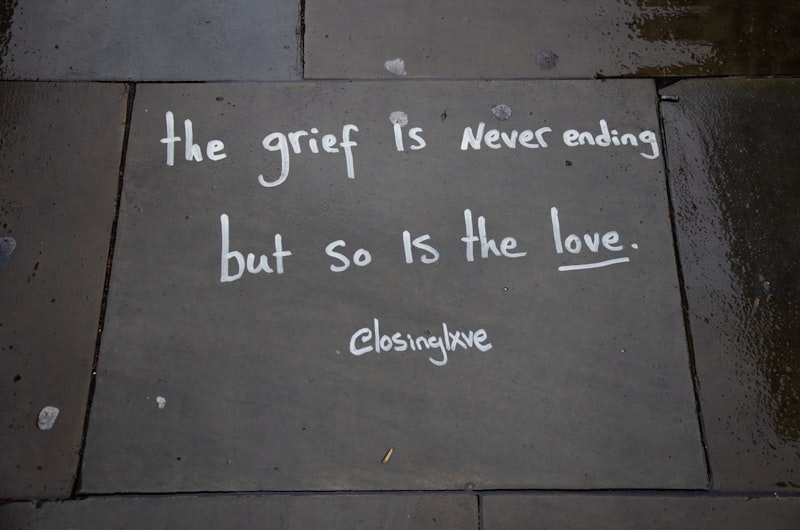
SPONTANEOUS MEMORIALIZATION
Spontaneous memorialization refers to a powerful and immediate public response initiated by individuals or groups following a sudden, often violent, and unexpected death. This phenomenon manifests through the creation of temporary shrines or commemorative installations typically situated at the precise location where the traumatic event occurred, serving as an unsanctioned, organic space for communal grief and emotional processing. The core catalyst for this behavior is the shocking nature of the loss—when life is violently interrupted, such as the murder of a local shopkeeper or the death of a child struck by a hit-and-run driver—the community seeks an immediate, visible outlet for distress that traditional, formalized mourning rituals often fail to provide in the crucial initial hours and days. This immediate outpouring of sentiment differentiates spontaneous memorials from planned monuments or official state-sanctioned acts of remembrance, emphasizing the organic, ground-up nature of the public’s need to acknowledge the rupture caused by the violence.
The defining characteristic of spontaneous memorialization is its immediacy and ephemerality; the initial installation is usually erected within hours of the incident being publicized, utilizing readily available materials like flowers, candles, handwritten messages, and personal tokens. Unlike permanent civic structures designed to commemorate historical figures or long-past events, these memorials are intensely focused on the present trauma and the raw emotional response of those affected, often including individuals who did not personally know the deceased but feel connected through proximity or shared vulnerability. This rapid construction and often temporary lifespan highlight the function of the memorial as a crisis intervention mechanism for the collective psyche, allowing the community to externalize the internalized shock and confusion caused by unpredictable violence. The location itself—a roadside curb, a street corner, or the entrance to a building—becomes sacralized momentarily, transitioning from an ordinary public space into a temporary sacred site dedicated to remembrance and reflection on mortality.
The concept inherently links to the necessary psychological process of acknowledging a death that defies typical expectations of life continuity, especially those resulting from criminal acts or devastating accidents. Scholars view spontaneous memorialization as a crucial form of social ritual that emerges outside of established religious or governmental frameworks, offering a necessary structure when formal systems are too slow or emotionally distant to address acute, widespread distress. Furthermore, the act of placing objects at the site is a tangible effort to reclaim control over a space that was violently violated, transforming a site associated with horror into one associated with respect and collective memory. This collective, visible action serves not only as a tribute to the victim but also as a public declaration of solidarity against the chaos and meaninglessness often inherent in violent death, thereby reinforcing community identity and shared moral boundaries against destructive forces.
The Context of Sudden, Violent Death
The specific context of sudden and violent death is paramount to understanding the triggers for spontaneous memorialization. This type of loss fundamentally differs from deaths anticipated due to old age or chronic illness because it introduces profound elements of shock, injustice, and often, preventable tragedy. When a community member is killed through an act of violence, whether intentional (such as terrorism or homicide) or unintentional (such as a vehicular fatality), the incident shatters the local sense of safety and predictability. The immediate public response of erecting a memorial is an attempt to manage this existential shock, providing a focal point for the overwhelming emotions of fear, anger, and sorrow that permeate the community following such a traumatic event. The spontaneous nature reflects the urgency required to address the emotional crisis before the event becomes normalized or obscured by official investigations.
Incidents that provoke spontaneous memorialization often involve victims who represent perceived innocence or vulnerability, thereby maximizing the perceived societal threat. Examples frequently include the deaths of children, young people, or individuals killed while performing routine, everyday tasks, such as the aforementioned shopkeeper working in their neighborhood establishment. These scenarios elicit a heightened sense of vulnerability among the populace, leading to the collective realization that such arbitrary violence could affect anyone. The memorial thus functions as a symbolic demarcation: a public acknowledgment that an unacceptable transgression against the social contract has occurred, and that the community demands both recognition of the loss and affirmation of shared values. This context explains why events perceived as mere accidents might generate less intense memorialization than those perceived as acts of malice or gross negligence, even if the result is the same—the violence inherent in the cause dictates the communal response intensity.
Crucially, spontaneous memorials serve to bridge the gap between private grief and public accountability. In the immediate aftermath of violence, official responses often focus on investigation, legal procedures, and public safety announcements, which, while necessary, do not fulfill the community’s emotional need for immediate mourning and validation of the victim’s life. By creating a temporary shrine, the public asserts the importance of the individual life lost, ensuring that the victim is remembered not merely as a statistic or a case file, but as a valued member of the community whose absence is profoundly felt. This proactive form of remembrance ensures the victim’s humanity remains central to the narrative, particularly during periods where the focus might otherwise shift entirely to the perpetrator or the technical aspects of the tragedy.
Manifestations and Physical Forms of Memorials
The physical manifestations of spontaneous memorialization are characterized by their improvisation and deeply personal symbolism, often utilizing a specific lexicon of objects that universally convey mourning, innocence, and remembrance. The most common physical components include flowers, particularly roses and lilies, symbolizing purity and sorrow; candles or vigil lights, representing the enduring light of the deceased’s memory and often requiring meticulous maintenance by community members; and various forms of written communication. These written tokens range from simple, printed condolence cards to heartfelt, handwritten letters, poems, or drawings affixed to street furniture, walls, or fences near the site of the tragedy. The collective accumulation of these diverse items transforms the ordinary location into a powerful, multi-sensory landscape of grief.
Specific categories of spontaneous memorials often develop recognizable typologies based on the victim’s profile. For instance, memorials dedicated to children typically feature stuffed animals, toys, and brightly colored drawings, emphasizing the tragedy of lost potential and the violation of innocence. Memorials marking traffic fatalities frequently incorporate crosses, white bicycles (ghost bikes), or permanent markers embedded into the earth, reflecting the often utilitarian nature of the site (e.g., a roadside). These physical forms are not static; they evolve over time, growing in size and complexity as more individuals contribute, reflecting the ongoing, dynamic nature of collective grief. The materials chosen—often inexpensive and readily available—underscore the spontaneity and accessibility of the ritual, allowing anyone, regardless of socioeconomic status or organizational affiliation, to participate in the act of remembrance.
The placement of these items is critical; the memorialization is intrinsically tied to the exact geography of the loss. This site-specific practice emphasizes the concept of contagion of place, where the trauma associated with the event imbues the physical location with emotional significance. The memorialization effort seeks to symbolically cleanse or consecrate the tainted ground, transforming it from a place of violence into a site of communal reflection and honoring. However, this occupation of public space often creates friction with municipal authorities, who must balance the public’s need for mourning space against concerns related to traffic safety, maintenance, and the legal definition of public access. The temporary nature of the memorial, therefore, is often dictated not only by the natural degradation of the materials but also by official intervention, which typically removes the items once the immediate, acute phase of grieving has passed, leading to the necessity of either digitalization or the creation of a permanent, formalized tribute elsewhere.
Psychological Functions for the Community
The establishment of spontaneous memorials serves vital psychological functions for the affected community, acting as a crucial mechanism for managing collective distress following trauma. In the face of a shocking, violent death, individuals often experience a sense of fragmentation, helplessness, and emotional overload. The memorial provides a concrete, shared locus for these overwhelming emotions, transforming abstract fear into a manageable, physical ritual. By participating in the ritual—lighting a candle, leaving a note, or simply visiting the site—people regain a measure of psychological control over an event that was inherently uncontrollable. This collective action validates individual suffering and converts private anguish into a publicly recognized and shared experience, thereby diminishing feelings of isolation often associated with traumatic exposure.
Furthermore, spontaneous memorialization facilitates the necessary, immediate work of grief processing, particularly when dealing with the cognitive dissonance inherent in sudden loss. When death is unexpected, the mind struggles to integrate the reality of the loss. The physical presence of the memorial serves as a powerful, unavoidable reminder of the tragedy, forcing confrontation with the facts and aiding in the transition from denial to acceptance. For bystanders or witnesses, the act of contributing to the shrine can serve as a form of vicarious mourning and emotional catharsis, helping to mitigate the symptoms of secondary traumatic stress. This public display effectively externalizes the community’s inner turmoil, providing a socially acceptable structure for expressing intense emotions, such as anger at the injustice or deep sadness for the victim.
The ritual also plays a critical role in social cohesion and the restoration of communal identity. Violent death is inherently divisive, challenging the perceived safety of the group. By gathering at the site, individuals reaffirm their bonds and demonstrate mutual support, effectively drawing a protective circle around the community unit. The shared activity of maintaining the shrine—replacing wilted flowers, relighting candles—becomes a collective labor of love and remembrance that strengthens interpersonal connections and rebuilds trust that was fractured by the violence. In essence, the spontaneous memorial functions as a temporary therapeutic intervention, providing immediate emotional support and signaling to all members that the community acknowledges the pain and is actively working toward healing and reintegration following the disruption of the social order.
Sociological and Cultural Significance
Sociologically, spontaneous memorialization acts as a powerful barometer of societal values and community solidarity, often highlighting tensions between organic, grassroots expressions of grief and formal, bureaucratic control over public space. These memorials are inherently democratic and inclusive, transcending barriers of class, race, or formal affiliation because participation requires only willingness and the simple act of contributing a token. They create a temporary counter-site within the urban landscape, challenging the official narrative of public order and efficiency by prioritizing emotional necessity and human connection over municipal regulations regarding cleanliness or public thoroughfare. The existence and persistence of the memorial signal the community’s assertion of its right to mourn publicly and collectively.
Culturally, these spontaneous shrines often reflect specific regional or national mourning customs, though they share a core universality rooted in human grief. In certain cultures, the use of prayer beads, specific religious iconography, or unique forms of light sources might be prevalent, integrating the spontaneous act into broader cultural traditions surrounding death and remembrance. Regardless of local variation, the memorials universally signify a moral indictment of the circumstances surrounding the death. They serve as a silent protest against violence, negligence, or societal failures that allowed the tragedy to occur, positioning the collective community not merely as passive mourners but as active participants demanding recognition and perhaps, future change. This political dimension, though often subtle, is inherent in the public appropriation of space dedicated to a victim of social trauma.
Furthermore, spontaneous memorials contribute significantly to the shaping of collective memory, defining how a specific traumatic event will be remembered locally before official historians or monument committees have begun their work. Because these memorials are immediate and highly emotive, they capture the raw, unfiltered experience of the trauma, leaving a powerful initial impression on the communal memory. They emphasize the humanity of the victim and the shock of the event, ensuring that the initial emotional impact remains central to the long-term historical record, even after the physical shrine is removed. In many cases, these temporary spontaneous sites become the inspiration, and sometimes the template, for permanent markers or formalized community monuments erected later, demonstrating the profound and lasting influence of this initial, organic act of remembrance on the subsequent, sanctioned forms of commemoration.
Relationship to Traumatic Grief and Mourning
The connection between spontaneous memorialization and traumatic grief is profound, serving as the functional and psychological underpinning of the phenomenon, as suggested by the original encyclopedia reference. Traumatic grief is characterized not just by the sorrow of loss, but by the shock, confusion, and horror associated with the circumstances of the death, often leading to difficulty in accepting the reality of the loss, intense intrusive thoughts, and feelings of detachment. Spontaneous memorials are specifically adapted to address the unique challenges posed by traumatic grief because they provide an immediate, tangible location for externalizing the internal chaos caused by the trauma. The site serves as a transitional object, helping individuals anchor their overwhelming internal feelings to a physical, shared reality.
For those experiencing traumatic grief, traditional, closed-door mourning rituals may be insufficient because they do not adequately address the public violation inherent in violent death. Spontaneous memorialization transforms the site of the trauma into a site of pilgrimage and healing, allowing the bereaved—both family and community members—to engage in repetitive acts of care (visiting, tending the shrine) that are essential for processing the trauma. This ritualized engagement helps individuals move past the paralyzing shock by providing a constructive outlet for their energy and emotion, gradually integrating the horrific memory into their narrative of the loss. The public visibility of the grief also validates the extremity of the emotional response, which is crucial for individuals who might feel isolated or pathologized by the intensity of their traumatic reactions.
The phenomenon of spontaneous memorialization can be understood as a collective effort to prevent the development of complicated or prolonged grief by providing immediate, collective validation and ritual structure. By encouraging the rapid, shared expression of shock and sorrow, the memorials help the community move toward a process of collective meaning-making. When a death is senseless and violent, the community struggles to find meaning; the act of memorializing, of valuing the life lost and condemning the violence, imposes a necessary moral order onto the chaos. This ritual affirmation of meaning is a critical component in mitigating the long-term psychological damage associated with sudden, traumatic loss, confirming the importance of the deceased and affirming the resilience of the living.
Evolution and Digitalization of Spontaneous Memorials
In the contemporary era, the practice of spontaneous memorialization has evolved significantly through the integration of digital technologies, creating parallel or hybrid forms of commemoration. While the physical shrine remains the primary, visceral response to localized trauma, the emergence of the internet and social media platforms has facilitated the immediate creation of digital spontaneous memorials. These online spaces—including dedicated hashtags, Facebook groups, or online condolence books—allow for participation by individuals geographically distant from the site of the tragedy, expanding the definition of “community” far beyond the immediate neighborhood to encompass global networks connected by shared experience or media coverage.
Digital memorials share the core characteristics of their physical counterparts: they are immediate, spontaneous, and non-sanctioned by official bodies. They utilize digital tokens—photos, videos, shared memories, and virtual candles—to replicate the physical offerings of the roadside shrine, allowing grief to be expressed and witnessed instantaneously and continuously. This digital extension is particularly crucial in cases where the physical site is inaccessible due (to security concerns, vast geographic distance, or rapid removal by authorities). The digital space provides a permanent, searchable archive of the spontaneous outpouring of grief, often preserving the immediate emotional intensity of the tragedy long after the flowers have wilted and been cleared from the physical site.
The interplay between physical and digital spaces creates complex, hybrid commemorative landscapes. Often, photographs of the physical spontaneous memorial are shared widely online, linking the tangible reality of the loss to the expansive virtual network. Conversely, online messages or tributes are sometimes printed out and physically placed at the roadside shrine, blurring the boundaries between the two spheres. This digitalization demonstrates the enduring human need for spontaneous ritual in response to shock and violence, proving that the impulse to create a communal space for recognition and mourning transcends the limitations of physical geography and traditional media, ensuring that the legacy of spontaneous memorialization remains a vital and adaptive practice in modern society.