Symbolic Processing: How Your Mind Constructs Reality
Scientifically Reviewed · Dr. Marwa Abd-Alazim · August 28, 2026
Review Criteria & Clinical Standards
This content undergoes rigorous scientific peer-review and medical editorial standards at Arab Psychology Network to ensure clinical accuracy, validity, and compliance with evidence-based guidelines from leading psychological and healthcare authorities (APA / WHO).
The Fundamental Nature of the Symbolic Process
The symbolic process represents a cornerstone of advanced human cognition, defining the sophisticated mechanisms by which the mind uses proxies or representations—whether they be ideas, images, or abstract mental constructs—to mediate and execute complex thought. At its core, this process involves the ability to decouple a direct stimulus from its immediate response, instead substituting the stimulus or concept with a signifier that holds meaning beyond its physical presence. This intermediary role is crucial; it allows the mind to manipulate, categorize, and synthesize information about the world without needing the physical object or event to be present. For example, when considering the concept of ‘justice,’ the mind engages a symbolic framework built upon language, societal norms, and abstract philosophical principles, none of which are tangible but are essential for the operation of higher-order reasoning. This reliance on symbolic mediation is precisely what elevates human thinking above more rudimentary forms of cognitive activity observed in other species, enabling planning, prediction, and the creation of shared cultural realities.
Historically, the introduction of the term symbolic process served a vital taxonomic function within psychology and philosophy, primarily acting to clearly delineate the characteristics of higher cognitive operations from lower, more instinctual or associative forms of thought. Lower processes might involve simple conditioning or direct perceptual processing, where the relationship between input and output is immediate and concrete. In contrast, the symbolic process requires an additional layer of translation: the internal representation must first be encoded into a symbol, manipulated according to abstract rules (such as grammar or logic), and then decoded back into a meaningful outcome. This capacity for abstraction is not merely an efficiency measure; it fundamentally transforms the scope of thought, making mathematics, theoretical physics, and moral reasoning possible. Without the capacity to employ symbols, thought would be restricted to the immediate sensory environment, severely limiting the potential for innovation and cumulative knowledge construction.
Furthermore, the mechanism of symbol formation is deeply intertwined with the development of internal mental models. A symbol is not merely a label; it is a repository of associated meanings, emotional valences, and contextual information. When an individual engages in the symbolic process, they are activating vast networks of related concepts. Consider the difference between perceiving a physical tree and contemplating the symbolic meaning of a ‘tree’ in mythology or literature—representing life, growth, or knowledge. This illustrates the dual function of the symbol: it acts both as an efficient placeholder in working memory and as a rich source of semantic depth, enriching the texture of human consciousness. Understanding how these symbols are generated, stored, and utilized is central to fields ranging from cognitive psychology to artificial intelligence research, all seeking to map the complex architecture of human meaning-making.
Differentiation of Higher and Lower Thought
The psychological utility of defining the symbolic process lies in its robust capacity to distinguish between cognitive activities that rely on complex representation and those that are purely reactive or based on simple association. Lower-order thinking often manifests as habit formation, rote memorization, or stimulus generalization, processes heavily dependent on immediate sensory feedback and lacking the intentional use of abstract intermediaries. For instance, classical conditioning demonstrates an immediate link between a conditioned stimulus and a response, bypassing the need for a conceptual ‘idea’ of the stimulus. In stark contrast, higher-order thought, characterized by symbolic processing, includes complex activities like hypothesis testing, metaphorical reasoning, and problem-solving that requires planning across extended temporal gaps. These activities necessitate the creation and manipulation of mental representations that stand in for potential outcomes, past events, or hypothetical states, allowing for mental rehearsal before physical action.
The transition from purely associative thought to symbolic thought marks a critical developmental milestone in human life, reflecting an increasing capacity for internal self-regulation and intentionality. Children move from relying on sensorimotor feedback to using language and iconic symbols (such as drawing or pretend play) to structure their reality. This acquisition of symbolic capability permits the development of self-awareness and Theory of Mind, enabling individuals to understand that others possess intentions and beliefs that may differ from their own. The ability to utilize symbols allows for the internalization of dialogue and the development of inner speech, transforming the external, social world into a complex, manipulable internal landscape. Thus, the symbolic process is not merely an adjunct to thought but the very engine that permits metacognition—thinking about thinking.
Furthermore, the differentiation highlights the efficiency and power gained through symbolic abstraction. By assigning a single symbol (like the number ‘5’ or the algebraic variable ‘x’) to represent a potentially infinite set of concrete examples, the cognitive load required for complex calculation or logical inference is drastically reduced. This economy of thought permits the construction of vast, interlocking knowledge systems—science, philosophy, and legal frameworks—that would be utterly inaccessible if thought required constant, direct interaction with every physical object being discussed. Therefore, defining the symbolic process serves as a framework for understanding not only the mechanics of human intelligence but also the limits and potential of systems that rely on representational mediation.
The Psychoanalytic Interpretation and Symbolization
Within the domain of clinical psychology, particularly the psychoanalytic tradition, the symbolic process takes on a unique and deeply significant meaning, shifting from a purely cognitive mechanism to a dynamic tool for managing internal conflict. In this context, the symbolic action serves as a crucial replacement mechanism where a symbol or symbolic behavior acts as a proxy for a deep-seated, often unconscious, restrained desire or urge. This definition posits that when direct gratification of an instinctual drive (such as aggression or libido) is prohibited by societal norms, personal morality, or internal defense mechanisms, the energy associated with that urge is channeled into a symbolic manifestation. This concept is fundamentally linked to the related term, symbolization, which describes the specific mental operation of creating such a substitute.
The use of symbols as substitutes is frequently observed in clinical settings, notably in dream analysis, where latent content (the true, repressed meaning) is translated into manifest content (the remembered, symbolic representation). For example, a repressed urge for power might manifest symbolically in a dream as climbing a mountain or wearing a crown. These symbols provide a necessary release for psychic tension without triggering the anxiety or guilt associated with the direct fulfillment of the prohibited wish. The effectiveness of the symbolic process in this context relies on its ability to disguise the original urge sufficiently to pass the censorship of the conscious mind while still providing enough psychological connection to dissipate the underlying tension. Thus, psychoanalysis views symbolism as a defense mechanism, a language of the unconscious designed to negotiate the conflict between the id’s demands and the superego’s restrictions.
Understanding this psychoanalytic dimension is critical because it highlights the emotional and motivational forces driving certain symbolic behaviors that cognitive psychology might only view as neutral representations. When the symbolic process is distorted or rigid, it can lead to symptomatic behaviors or neurotic patterns, where the individual is perpetually acting out a symbolic substitute without ever resolving the core conflict. Therapeutic interventions often aim to decode these personal symbols, helping the patient understand the original, restrained desire that the symbol is replacing. Therefore, the symbolic process in this psychological sense is not just about abstract thought, but about the deeply personal and often hidden narrative of emotional regulation and psychic compromise.
The Central Role of Language in Symbolism
Language stands as the most pervasive and powerful manifestation of the symbolic process, serving as the primary vehicle through which humans organize, communicate, and share complex abstract concepts. Words themselves are arbitrary symbols; there is no inherent connection between the sound ‘tree’ and the physical object it represents. Yet, through collective agreement and systematic usage, these acoustic or written tokens gain immense symbolic power. Language allows for the rapid encoding and decoding of information, transforming transient thoughts into enduring, communicable structures. This linguistic framework facilitates the construction of shared realities—social institutions, historical records, and scientific theories—that exist purely in the symbolic domain.
The symbolic nature of language extends beyond simple noun-object mappings to encompass complex grammatical structures and rhetorical devices. Grammar provides the symbolic rules for manipulating meaning, allowing us to combine basic symbols (words) into complex symbolic equations (sentences and narratives). Furthermore, figures of speech, such as metaphor and simile, exemplify the flexible power of the symbolic process, allowing one concept to stand in for another based on perceived analogy or association. When we say someone is a ‘pillar of the community,’ the word ‘pillar’ symbolically carries attributes of strength, support, and stability, attributes that are transferred to the person being described. This capacity for figurative language demonstrates the mind’s ability to layer symbolic meaning, enriching communication far beyond literal description.
The impact of linguistic symbolism on human cognition is profound; language does not merely describe reality, it actively structures it. Different languages categorize the world in distinct ways, influencing how speakers perceive and process information—a concept often explored in the Sapir-Whorf hypothesis. By providing a finite set of symbols and rules, language simultaneously constrains and expands thought, offering a standardized symbolic toolkit essential for teaching, learning, and cultural transmission. The mastery of language is, therefore, synonymous with the mastery of symbolic representation, forming the bedrock of advanced intellectual functioning and communal life.
Cultural and Social Dimensions of Symbolic Systems
The symbolic process is intrinsically social, underpinning the creation and maintenance of culture itself. Symbols, whether linguistic, visual, or behavioral, function as shared codes that bind individuals into cohesive communities by conveying common values, histories, and status hierarchies. These cultural symbols are rarely arbitrary to the community that uses them; they are deeply imbued with collective emotional and historical significance. A national flag, a religious icon, or a specific ritualistic gesture all operate symbolically, triggering immediate, shared recognition and emotional responses that transcend individual experience. This collective symbolic investment is necessary for the stability and continuity of social structures.
The transmission of cultural knowledge relies almost entirely on symbolic systems. Myths, laws, and educational curricula are all elaborate symbolic structures designed to encode complex societal norms and empirical knowledge. Consider the original example provided: Feathers worn on the head can stand for the leadership. This is a classic example of cultural symbolism, where a physical item (feathers) is detached from its natural function and assigned a social status meaning (authority or achievement). Without this shared symbolic understanding, the item is merely decoration; with it, it becomes a powerful social marker that dictates interaction and respect.
Moreover, the negotiation of social power often occurs through the manipulation of symbolic resources. Those who control the symbols (e.g., those who define language, control media narratives, or dictate ritual practices) often hold significant power within a society. Changes in cultural paradigms frequently manifest first as shifts in symbolic usage—the introduction of new terminology, the reinterpretation of historical events, or the adoption of new artistic styles. Therefore, the study of the symbolic process in cultural anthropology reveals how shared representations facilitate cooperation, define identity, and, conversely, lead to conflict when symbolic meanings clash between different groups.
Developmental Acquisition of Symbolic Thought
The development of the symbolic process in children is a fascinating area of cognitive study, typically charting the progression from sensorimotor intelligence to operational thought, as described by developmental psychologists like Jean Piaget. Initially, infants interact with the world directly, without internal symbolic intermediaries. The shift begins with the acquisition of object permanence—the realization that an object exists even when not perceived—which requires a rudimentary internal representation, or symbol, of the object. This early representational ability sets the stage for more complex symbolic usage.
The key milestones in symbolic development include the onset of deferred imitation (imitating an action observed hours or days earlier), the emergence of pretend play, and the explosion of language acquisition. Pretend play is particularly instructive, as it demonstrates the child’s active willingness to substitute one object for another (e.g., a block for a phone), showing a conscious manipulation of symbolic meaning. As children mature, their symbols become less tethered to concrete physical referents and increasingly abstract, moving from iconic symbols (pictures) to formal symbols (numbers and letters). This progressive abstraction is essential for success in formal education, which relies heavily on the manipulation of abstract, symbolic systems like algebra, history timelines, and grammatical rules.
Difficulties in acquiring the symbolic process can manifest in various learning challenges or developmental delays. For instance, individuals with certain cognitive impairments may struggle specifically with tasks requiring the manipulation of abstract symbols, highlighting that this process is not uniformly acquired but depends on specific neural and experiential input. The trajectory of symbolic development underscores the human reliance on these representations; it is through the internal construction and external application of symbols that the child fully integrates into the complex, meaning-laden world of human culture.
Neurobiological Underpinnings of Symbolic Processing
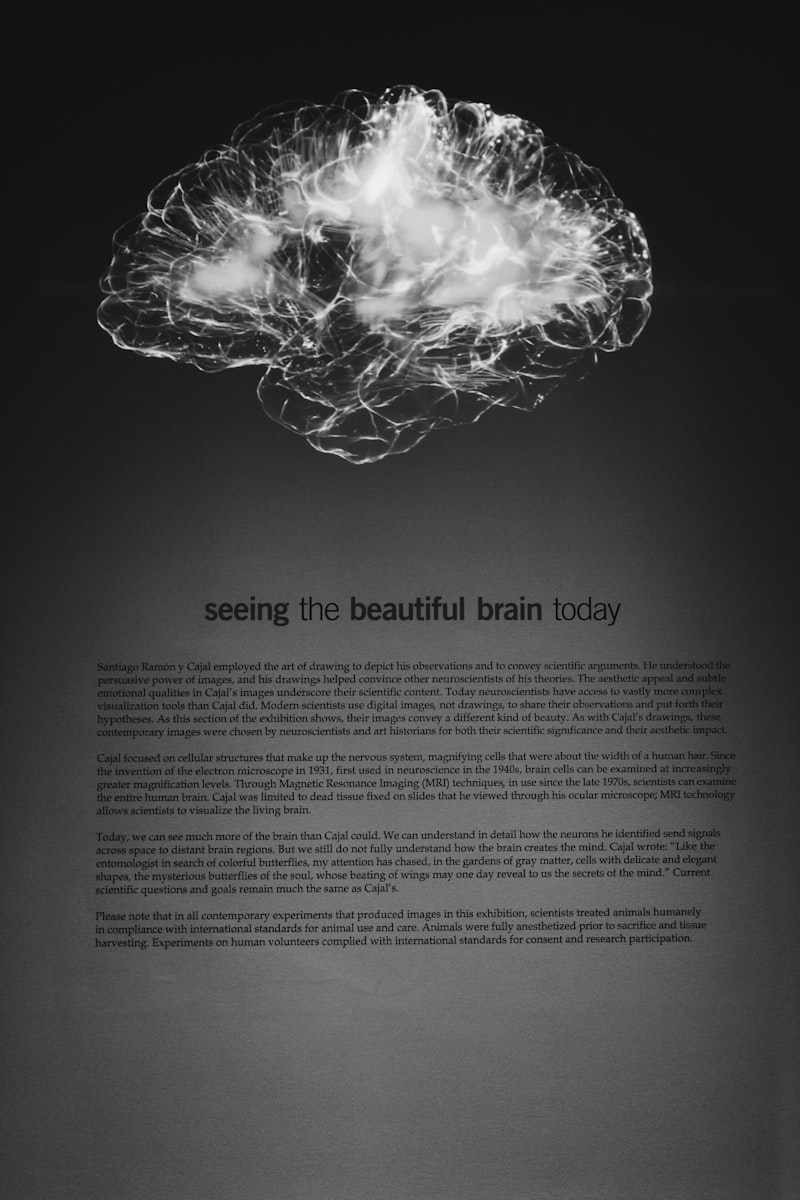
Investigating the neurobiological basis of the symbolic process involves mapping the complex neural networks responsible for decoupling sensory input from internal representation and subsequent abstract manipulation. Research in cognitive neuroscience suggests that symbolic functions are widely distributed across the brain, but certain regions, particularly the left hemisphere (including Broca’s and Wernicke’s areas for linguistic symbols) and the prefrontal cortex (for abstract thought and executive functions), play crucial mediating roles. The prefrontal cortex, in particular, is essential for maintaining and manipulating symbols in working memory, allowing for the execution of multi-step plans and complex reasoning tasks.
The efficiency of symbolic processing likely relies on the brain’s capacity for rapid pattern recognition and association. When a symbol is encountered, the brain must quickly access and integrate information from multiple modalities—visual, auditory, and semantic—to activate the appropriate network of meanings. Neuroimaging studies often show increased activity in regions responsible for conceptual integration when subjects are engaged in tasks requiring metaphorical understanding or abstract problem-solving, indicating the intensive neural resources required to manage non-literal representations. The plasticity of these symbolic networks is also remarkable, allowing individuals to acquire new symbolic systems throughout their lives, from learning a new language to mastering computer code.
Furthermore, understanding neurological conditions that impair symbolic capacity, such as aphasias or certain forms of dementia, provides critical insight into the system’s architecture. Damage to areas critical for language processing can severely hinder the ability to use words as symbols, demonstrating the fragile reliance of human cognition on intact symbolic machinery. Ultimately, the neurobiological study of the symbolic process seeks to bridge the gap between physical brain activity and the emergence of abstract meaning, exploring how electrochemical signals give rise to the rich tapestry of human conceptual life.
Applications in Logic, Mathematics, and Technology
The formalization of the symbolic process is the foundation of modern logic, mathematics, and computer science. Symbolic logic, pioneered by thinkers like Frege and Russell, replaces natural language variability with highly precise, abstract symbols (e.g., universal quantifiers or implication arrows). This substitution allows for rigorous, unambiguous manipulation of propositions, enabling proofs and inferences that are independent of context or emotional bias. The power of mathematics lies entirely in its symbolic nature, where numerals, operational signs, and variables serve as universally defined intermediaries for quantitative thought.
In technology, the symbolic process is embodied in the design and function of computing systems. Computer programming languages are themselves highly formalized symbolic systems, translating human instructions into binary code—the ultimate reduction of complex tasks into fundamental symbols (0 and 1). Artificial intelligence (AI), particularly early “Good Old-Fashioned AI,” focused heavily on Symbolic AI, attempting to replicate human intelligence by creating complex symbolic models of the world and manipulating them using logical rules. While contemporary AI often uses connectionist models, the underlying structure of data representation and the manipulation of informational units remain fundamentally symbolic, demonstrating the enduring importance of this concept in technological innovation.
The application of symbolic thought allows for the creation of virtual realities and simulations, where complex systems—from climate models to financial markets—can be represented and manipulated entirely within a symbolic domain. This predictive power, derived from the ability to substitute physical reality with abstract, formal models, is arguably the pinnacle of human intellectual achievement. Therefore, whether examining linguistic metaphors or the binary code powering global networks, the symbolic process remains the essential mechanism for extending human thought beyond the limits of immediate physical experience and into the realm of abstract, systematic knowledge.