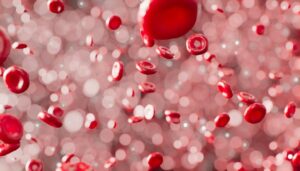
Tag: blood clot


PULMONARY EMBOLISM

Introduction and Definition A pulmonary embolism (PE) represents a critical and potentially life-threatening medical event characterized by the obstruction of one or more pulmonary arteries by a foreign substance, most commonly a thrombus, or blood clot. This obstruction leads directly to a profound loss of blood flow, or perfusion, to the corresponding segment of lung […]

Read More

EMBOLIC STROKE

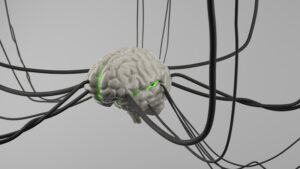
Introduction and Definition Embolic stroke represents a distinct and severe subtype of ischemic stroke, characterized by the occlusion of a cerebral artery by an embolus—a detached intravascular mass that has traveled from a distant site. This mechanism sharply distinguishes it from a thrombotic stroke, where the clot forms locally within the cerebral artery due to […]

Read More

DEEP VEIN THROMBOSIS (DVT)

DEEP VEIN THROMBOSIS (DVT) Deep Vein Thrombosis, commonly referred to as DVT, is a serious medical condition characterized by the formation of a blood clot, or thrombus, within a deep vein, most frequently located in the lower extremities such as the leg or thigh, though it can occur elsewhere in the body’s deep venous system. […]

Read More

AUDITORY THROMBOSIS

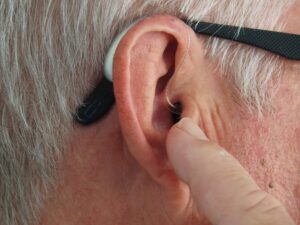
Introduction to Auditory Thrombosis Auditory thrombosis, a critical and often devastating vascular event, refers specifically to the occlusion of the blood supply to the inner ear structures, most commonly resulting from a thrombus or embolus lodging within the internal auditory artery, also known as the labyrinthine artery. This condition is a primary, albeit relatively rare, […]

Read More

EMBOLISM

An interruption of blood flow due to a blocked vessel by an embolus in the blood stream. EMBOLISM: “An embolus usually appears at a junction, branch or narrowing of a blood vessel.”

Read More

THROMBUS

Thrombus: Pathophysiology, Diagnosis, and Management The Core Definition of Thrombus A Thrombus is fundamentally defined as a blood clot that forms and remains attached within a blood vessel or the heart chamber, obstructing the flow of blood. This serious medical condition arises from a pathological process where the normal mechanisms designed to stop bleeding—known as […]

Read More