Articles
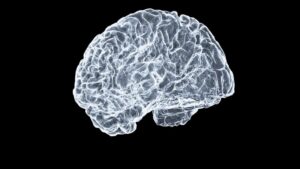
Organic Brain Syndromes: Understanding Biological Roots
Definition and Conceptual Framework The concept of Organic Brain Syndromes (OBS) historically served as a...
Definition and Conceptual Framework The concept of Organic Brain Syndromes (OBS) historically served as a...
Introduction: Defining the Cuneate Tubercle The Cuneate Tubercle represents a small, yet profoundly important, anatomical...

Oscillopsia: An Overview Oscillopsia represents a significant neuro-ophthalmological symptom characterized by the subjective perception of...

EPIDEMIC ENCEPHALITIS Encephalitis represents a grave and potentially life-threatening neurological disorder defined by the acute...

Introduction to Epilepsy: Definition and Global Impact Epilepsy is defined as a chronic neurological disorder...
Introduction and Anatomical Context The Cingulate Gyrus, derived from the Latin term cingulum meaning “belt”...
The Cholinergic System: Overview and Importance The term cholinergic fundamentally refers to biological systems, pathways,...

Abstract: Overview of Basic Reflexes This comprehensive encyclopedia entry details the subject of basic reflexes,...

The Barany Test: Definition, History, and Clinical Applications Introduction The Barany Test, also known as...

ACATHISIA: Definition and Clinical Presentation Acathisia, frequently documented as akathisia or occasionally akatizia, represents a...

Introduction to Brain Tumor Disorders Brain tumor disorders represent a heterogeneous group of conditions characterized...

Definition and Phenomenology of Autoscopic Syndrome Autoscopic Syndrome (AS) represents a profound and complex neurological...