Articles

Dyskinesia: When the Mind Loses Control of the Body
Introduction and Definition Dyskinesia, derived from the Greek words meaning “bad” or “abnormal” movement, refers...
Introduction and Definition Dyskinesia, derived from the Greek words meaning “bad” or “abnormal” movement, refers...
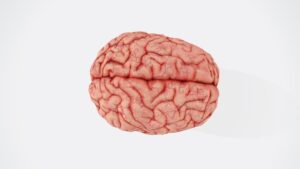
Introduction and Anatomical Definition The arcuate zone of the brain represents a crucial, though often...

The Conceptual Framework of the Facial-Affect Program The concept of the Facial-Affect Program (FAP) stands...

Introduction and Definition of the Face-Hand Test The Face-Hand Test, often employed within neurological and...

Definition and Fundamental Role The efferent neuron, universally known as a motor neuron, represents the...

Introduction to Dysdiadochokinesis Dysdiadochokinesis, often abbreviated as DDK, is a specific neurological sign defined as...

Kinesthetic Receptor: Definition and Foundational Importance The kinesthetic receptor, a specialized sensory organ embedded deep...
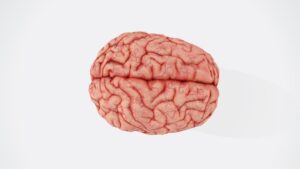
Introduction to the Kennard Principle The Kennard Principle stands as a foundational concept in the...

ISCHOPHONIA Ischophonia is an historical and now largely obsolescent term used within the field of...

Introduction and Definition Prion diseases represent a unique and devastating group of fatal neurodegenerative disorders...

Introduction and Nomenclature The Iritic Reflex, though a less commonly used descriptor, is scientifically synonymous...

Introduction and Definition of Alertness Alertness, in the context of cognitive psychology and neuroscience, describes...