Articles
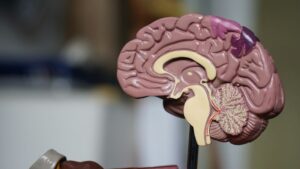
Neuronal Transport: Why Brain Cell Health Matters
Axoplasmic Transport and Axonal Varicosities in Neurodegenerative Disorders Introduction to Neuronal Transport and Pathology The...
Axoplasmic Transport and Axonal Varicosities in Neurodegenerative Disorders Introduction to Neuronal Transport and Pathology The...

Brain Disease: A Comprehensive Encyclopedia Entry Defining Brain Disease and Its Mechanisms Brain disease represents...

Bradykinesia: Understanding Slowness of Movement The Core Definition Bradykinesia is a fundamental motor disorder characterized...

Organic Dementia Core Definition of Organic Dementia Organic dementia represents a significant category within the...

Diphenhydramine: A Psychopharmacological Perspective The Core Definition: Understanding Diphenhydramine’s Role in Psychology Diphenhydramine is a...

Introduction to Atonia and Neurological Context Atonia is a significant clinical sign in neurology characterized...

Introduction to Clinical Neurology and Its Core Scope Neurology stands as a highly specialized and...

Introduction to Festinating Gait Festinating gait represents a distinctive and highly debilitating neurological manifestation characterized...

Core Definition and Clinical Manifestation of Ptyalism Ptyalism, medically referred to as sialorrhea, is a...

Overview of the Dopaminergic System and Its Biological Significance The dopaminergic pathway represents a sophisticated...
Defining the Paradigm of Brain Grafting and Neural Transplantation The concept of the brain graft,...

Defining Excitotoxicity and Its Clinical Significance Excitotoxicity represents a complex and highly destructive pathological process...