Tag: Regenerative Medicine


NEURAL REGENERATION

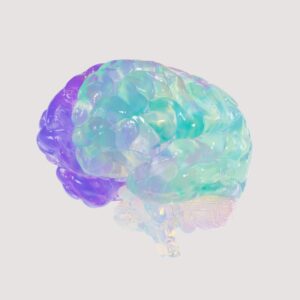
Conceptual Foundations of Neural Regeneration Neural regeneration refers to the biological process by which nervous system tissues repair themselves after injury or disease, encompassing the regrowth of damaged axons, the replacement of lost neurons, and the re-establishment of functional synaptic connections. Within the field of psychology and neuroscience, understanding these mechanisms is crucial for addressing […]

Read More

DEDIFFERENTIATION

Introduction to Differentiation and Dedifferentiation Cellular differentiation is the fundamental biological process through which a less specialized cell transforms into a more specialized cell type, acquiring distinct characteristics, morphologies, and functions necessary for the operation of complex multicellular organisms. This highly regulated progression, moving from pluripotent stem cells to terminally differentiated cells like neurons, muscle […]

Read More

EMBRYONIC STEM CELL

Definition and Origin of Embryonic Stem Cells Embryonic Stem Cells (ESCs) represent a unique population of undifferentiated biological cells derived from the inner cell mass (ICM) of a mammalian embryo at the blastocyst stage. This critical stage of development typically occurs approximately four to five days after fertilization in humans. The fundamental characteristic that defines […]

Read More

SKIN GRAFT

Introduction and Definition of Skin Grafts A skin graft is a fundamental surgical procedure in reconstructive medicine, defined precisely as the transplantation of a section of skin from one area of the body (the donor site) to another area where skin loss has occurred (the recipient site). This procedure is distinct from a skin flap, […]

Read More

STEM CELL

Defining the Undifferentiated Cell and Core Characteristics Stem cells represent a fundamental concept in biological science, defined primarily as undifferentiated cells that possess the remarkable capability to divide and produce more specialized cell types, while simultaneously retaining their own undifferentiated state through a process known as self-renewal. This dual capacity—self-renewal and differentiation—is what fundamentally distinguishes […]

Read More

REGENERATIVE MEDICINE

Regenerative Medicine The Core Definition of Regenerative Medicine Regenerative Medicine represents a highly interdisciplinary branch of applied medicine focused intensely on repairing, replacing, or regenerating human cells, tissues, or organs to restore normal function lost due to disease, damage, or congenital defects. It is fundamentally distinct from traditional medicine, which often manages symptoms or attempts […]

Read More

TYPE I CELL

Type I Error (Alpha Error) in Psychological Research The Core Definition of Type I Error The Type I Error, often referred to as the Alpha Error ($alpha$), stands as one of the two primary forms of statistical error inherent in the process of hypothesis testing. Fundamentally, a Type I Error occurs when a researcher mistakenly […]

Read More

REVIVIFICATION

Revivification The Essence of Revivification: Reactivating Life Revivification refers to the remarkable biological process involving the reactivation of biological processes after a prolonged period of dormancy. This phenomenon represents a state where an organism or its cellular components significantly reduce or completely suspend their metabolic activity, entering a quiescent phase that allows them to survive […]

Read More