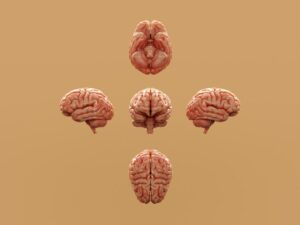
Neuroplasticity: Rewire Your Brain for Lasting Change
Scientifically Reviewed · Dr. Marwa Abd-Alazim · October 24, 2026
Review Criteria & Clinical Standards
This content undergoes rigorous scientific peer-review and medical editorial standards at Arab Psychology Network to ensure clinical accuracy, validity, and compliance with evidence-based guidelines from leading psychological and healthcare authorities (APA / WHO).
The Core Definition of Regenerative Medicine
Regenerative Medicine represents a highly interdisciplinary branch of applied medicine focused intensely on repairing, replacing, or regenerating human cells, tissues, or organs to restore normal function lost due to disease, damage, or congenital defects. It is fundamentally distinct from traditional medicine, which often manages symptoms or attempts to slow disease progression, by aiming instead for a complete biological restoration. The core ambition of Regenerative Medicine is to harness the body’s intrinsic ability to self-heal, a capacity often diminished or dormant in complex diseases or extensive injuries. This field encompasses a wide array of sophisticated scientific approaches, combining expertise from areas such as biology, chemistry, engineering, and clinical practice to develop innovative therapeutic strategies. The fundamental mechanism behind this medical discipline relies on utilizing the body’s own building blocks—primarily specialized cells, growth factors, and support structures—to initiate and guide the repair process, thereby moving beyond simple organ replacement toward intrinsic biological repair.
The concept is built on three pillars: cellular therapies, tissue engineering, and the use of smart biomaterials. Cellular therapies involve the introduction of new, healthy cells, such as adult or pluripotent stem cells, into damaged tissue to directly replace damaged cells or to modulate the environment to promote self-repair. Tissue engineering focuses on creating functional biological substitutes in the laboratory using scaffolds and living cells which are then implanted into the patient. Finally, the use of advanced biomaterials provides the structural support and necessary biochemical cues to encourage native cells to regenerate the desired tissue architecture. This holistic approach makes Regenerative Medicine one of the most promising avenues in modern healthcare, holding potential solutions for chronic conditions previously deemed incurable, such as severe heart failure, Parkinson’s disease, and Type 1 diabetes.
It is important to note that Regenerative Medicine is not merely advanced transplantation; rather, it seeks to create functional, living tissue within the patient, ideally minimizing the need for immunosuppressive drugs and eliminating the reliance on scarce donor organs. The critical mechanism is the strategic manipulation of the cellular microenvironment, ensuring that the introduced cells or scaffolds receive the necessary signals to differentiate correctly and integrate seamlessly with the host’s vascular and nervous systems. This integration is crucial for long-term viability and functional success, distinguishing truly regenerative therapies from temporary fixes. The complexity lies in controlling these biological processes precisely, ensuring safety and efficacy before widespread clinical adoption.
Historical Foundations and Key Pioneers
The concept of biological regeneration has fascinated scientists for centuries, but the formal foundation of modern Regenerative Medicine truly began to coalesce in the latter half of the 20th century. Key to this development was the burgeoning understanding of cellular biology and, crucially, the identification of the potential of stem cells. Early pioneers like Dr. Joseph E. Murray, who performed the first successful organ transplant (a kidney) in 1954, demonstrated the feasibility of replacing diseased organs, though the challenge of immune rejection remained paramount. However, the true regenerative turn came with researchers like Robert Langer and Joseph Vacanti in the 1980s and 1990s, who are often credited with establishing the field of tissue engineering, focusing on creating biological substitutes to restore, maintain, or improve tissue function. Their work moved the focus from simple replacement (transplantation) to complex biological reconstruction using scaffolds and living cells.
The discovery of adult stem cells in various human tissues, such as bone marrow, provided the initial practical tools for regenerative therapies. In the 1960s, researchers Ernest McCulloch and James Till provided definitive evidence for the existence of hematopoietic stem cells, the precursors to all blood cell types, paving the way for bone marrow transplantation as a standard regenerative treatment for certain cancers and blood disorders. This success demonstrated the powerful therapeutic potential of introducing healthy progenitor cells into a compromised system. The historical trajectory shows a clear evolution: from merely replacing failed organs (transplantation) to using biological tools to guide the body’s own restorative processes.
A significant leap occurred in 1998 when James Thomson successfully isolated and cultured human embryonic stem cells, opening up vast possibilities for cell replacement therapies, though this area remains fraught with ethical and political debate. Simultaneously, the rise of molecular biology and genetic engineering provided the necessary tools to manipulate cellular fate and function with unprecedented precision. The convergence of these fields—stem cell biology, materials science, and genetic engineering—in the early 21st century established Regenerative Medicine as a distinct and rapidly accelerating discipline, moving research from basic science into translational clinical trials across dozens of disease areas.
Core Mechanisms: Tissue Engineering and Cell Therapy
The application of Regenerative Medicine relies heavily on two interconnected core mechanisms: tissue engineering and advanced cell therapies. Tissue engineering is the strategic use of a combination of cells, engineering materials, and biochemical factors to improve or replace biological function. This typically involves designing a three-dimensional scaffold—often made from biodegradable polymers—that mimics the structural and mechanical properties of the native tissue. Cells, frequently derived from the patient themselves (autologous cells) to prevent immune rejection, are seeded onto this scaffold. The construct is then matured in a bioreactor under controlled conditions until it reaches the desired level of complexity before being implanted. The scaffold gradually degrades as the cells proliferate and produce their own extracellular matrix, leaving behind integrated, functional tissue.
Cell therapy, on the other hand, often involves the direct injection or infusion of therapeutic cells into the site of injury or disease. The power of these cells, particularly mesenchymal stem cells, is two-fold: they can differentiate into specific cell types (e.g., bone, fat, cartilage) and, perhaps more importantly, they exert strong paracrine effects. Paracrine signaling means these cells release a cocktail of growth factors, cytokines, and signaling molecules that suppress inflammation, recruit native repair cells, and prevent further tissue death. This signaling function is critical for treating widespread conditions like ischemic heart damage, where the goal is less about replacing every dead cell and more about rescuing the remaining tissue and stimulating endogenous repair mechanisms.
A crucial frontier merging these mechanisms is the development of induced pluripotent stem cells (iPSCs). Discovered by Shinya Yamanaka, iPSCs are adult cells, such as skin fibroblasts, that have been genetically reprogrammed back into an embryonic-like, pluripotent state. This breakthrough allows researchers to create patient-specific, ethically sound stem cells that can theoretically differentiate into any cell type required—from neurons to cardiomyocytes. This eliminates the need for controversial embryonic cells and mitigates the risk of immune rejection, offering the ultimate personalized medicine platform for both drug screening and regenerative therapeutic delivery. Controlling the differentiation of iPSCs into pure, functional cell populations remains a significant technical challenge but represents the pinnacle of cell therapy development.
Practical Applications and Clinical Examples
One of the most immediate and visible applications of regenerative strategies is in the treatment of severe burns and skin injuries. For instance, in cases of massive skin loss where traditional grafting is insufficient, tissue-engineered skin substitutes can be grown in a laboratory using the patient’s own cells. This process, which involves seeding dermal fibroblasts and epidermal keratinocytes onto a biocompatible scaffold, provides a practical example of how Regenerative Medicine bypasses the limitations of donor availability and reduces the risk of rejection. This approach is not merely an advanced dressing but a living, biological replacement that can fully integrate with the patient’s existing tissues. Furthermore, cell-based therapies are rapidly advancing in orthopedics, particularly for cartilage repair in joints damaged by osteoarthritis or trauma, where autologous chondrocyte implantation (ACI) represents a direct application of using a patient’s own cells to regenerate damaged tissue.
A compelling clinical example involves the treatment of spinal cord injury (SCI), a condition historically associated with permanent disability. While full regeneration of the central nervous system remains exceptionally complex, clinical trials utilizing neural stem cell transplantation show promise. The goal here is not immediate functional recovery but the prevention of secondary damage—reducing the inflammatory cavity and bridging the lesion gap. In these scenarios, the stem cells act as biological messengers, releasing neuroprotective factors and promoting the re-growth of axons across the damaged area. While functional restoration is gradual, any partial recovery in movement or sensation represents a monumental improvement in quality of life for the patient.
Another significant area of application is vascular regeneration. Chronic conditions like peripheral artery disease often result in tissue death due to insufficient blood supply. Regenerative therapies are being tested to promote therapeutic angiogenesis—the growth of new blood vessels. This is achieved either by implanting matrices seeded with endothelial progenitor cells or by directly injecting growth factors that stimulate the patient’s existing vascular cells to sprout new capillaries. The step-by-step process involves identifying the ischemic area, delivering the regenerative stimulus (cell or molecule), and monitoring the restoration of blood flow, providing a concrete example of how this medicine moves from the laboratory bench to clinically relevant, functional outcomes.
Ethical and Societal Significance
The significance of Regenerative Medicine extends far beyond clinical outcomes; it holds profound societal and ethical implications. The ability to restore damaged organs or halt age-related decline could dramatically shift the burden of chronic disease, reducing long-term healthcare costs and improving global life expectancy and quality. However, the development of treatments utilizing embryonic stem cells and, increasingly, complex gene therapy techniques introduces significant ethical scrutiny. Debates center on the moral status of the embryo, the potential for using regenerative techniques for enhancement (beyond therapeutic correction), and the risk of creating a two-tiered healthcare system where revolutionary cures are only accessible to the affluent.
From an ethical standpoint, the field must navigate the moral landscape surrounding gene therapy and genetic editing tools like CRISPR, which are increasingly being integrated into regenerative strategies. While genetic correction prior to cell transplantation offers immense promise for treating genetic disorders, the potential for permanent, inheritable changes raises serious questions about unforeseen consequences for future generations. Furthermore, the commercialization of regenerative therapies has led to the proliferation of unproven, often dangerous, stem cell clinics globally. Regulatory bodies must constantly adapt to ensure that the excitement surrounding the science does not bypass rigorous safety testing and informed patient consent, protecting vulnerable populations from medical tourism offering false hope.
Societally, the success of Regenerative Medicine could revolutionize demographics. By effectively treating diseases like Alzheimer’s, heart disease, and diabetes, it could lead to a massive increase in the healthy lifespan, necessitating major adjustments in retirement policies, workforce planning, and social security structures globally. The impact on quality of life is perhaps the most immediate significance: transforming individuals suffering from debilitating injuries or chronic pain into fully functional members of society. This transformative potential mandates careful, ethical stewardship of the underlying science, ensuring that its benefits are broadly and justly distributed.
Connections and Relations to Other Fields
Regenerative Medicine is inherently interdisciplinary, drawing heavily on and contributing significantly to several related scientific and medical fields. It is most closely connected to Gene Therapy, where the focus is on modifying or replacing genetic material within cells to treat disease. In many modern regenerative protocols, cells are genetically modified (e.g., to increase survival rates or guide differentiation) before transplantation, making gene editing a critical preparatory step for effective cell therapy. These two fields share the common goal of working at the molecular and cellular level to repair biological function, often utilizing viral vectors or non-viral delivery systems to introduce therapeutic genetic material.
The field also maintains a strong relationship with materials science and biomedical engineering, particularly through the development of specialized biomaterials. These materials, which range from synthetic polymers to decellularized natural tissues, are essential for creating the scaffolds necessary for tissue engineering. The success of a regenerative implant often hinges entirely on the biocompatibility, mechanical properties, and biodegradability of the scaffold material. The rapid advancement in 3D bioprinting technology, which allows for the precise layering of cells and materials to create complex organ structures, further solidifies this connection, pushing the boundaries toward creating entire organs on demand.
Finally, Regenerative Medicine is deeply connected to Immunology. The primary challenge in organ transplantation has historically been immune rejection. Regenerative strategies aim to overcome this by using autologous cells (the patient’s own) or by inducing immune tolerance. Research into immunomodulation—teaching the immune system not to attack the implanted cells or scaffold—is a vital component of successful long-term regenerative therapies. Understanding the inflammatory response to injury and controlling it pharmacologically or cellularly is paramount, positioning immunology as a foundational pillar supporting the clinical translation of advanced regenerative techniques.