Tardive Dyskinesia: Understanding Involuntary Movement
Scientifically Reviewed · Dr. Marwa Abd-Alazim · October 17, 2026
Review Criteria & Clinical Standards
This content undergoes rigorous scientific peer-review and medical editorial standards at Arab Psychology Network to ensure clinical accuracy, validity, and compliance with evidence-based guidelines from leading psychological and healthcare authorities (APA / WHO).
The Core Definition and Clinical Characteristics
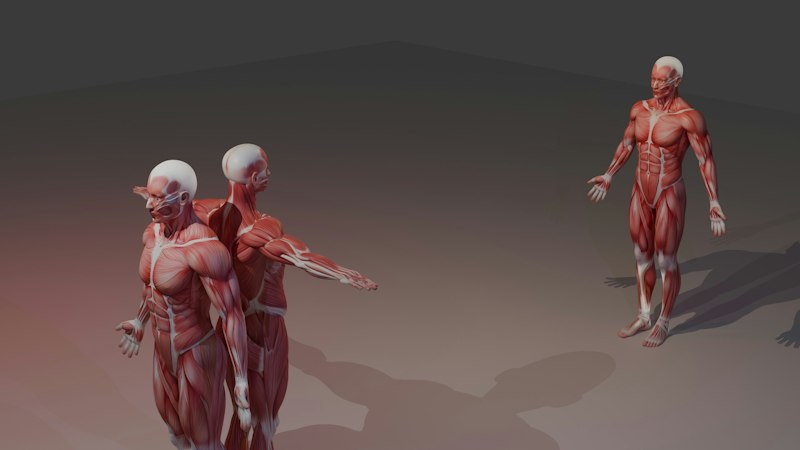
Tardive dyskinesia (TD) is a serious and potentially irreversible neurological disorder characterized by involuntary, repetitive movements, primarily affecting the face, mouth, tongue, trunk, and extremities. The term “tardive” signifies delayed onset, highlighting the fact that this condition typically emerges after months or, more commonly, years of continuous exposure to certain medications, most notably antipsychotic medications. These involuntary movements are often described as choreoathetoid, meaning they combine features of chorea (irregular, flowing movements) and athetosis (slow, writhing movements). While the presentation varies significantly among individuals, common manifestations include grimacing, lip smacking, rapid eye blinking, tongue thrusting, and involuntary movements of the jaw.
The fundamental mechanism of TD centers on a chronic imbalance within the basal ganglia, a region of the brain critical for motor control. These involuntary movements, which are often described as stereotyped—occurring in the same pattern and with the same force each time—can range in severity from mild and barely noticeable to profound and disabling, significantly impacting speech, swallowing, and overall quality of life. Unlike acute drug-induced movement disorders, TD often persists even after the offending medication is discontinued, underscoring its chronic and challenging nature. TD represents a significant source of morbidity and can lead to secondary complications, including difficulty sleeping and depression, particularly among individuals managing underlying psychiatric conditions such as schizophrenia or bipolar disorder.
Etiology and Neurochemical Mechanisms
The precise etiology of Tardive dyskinesia remains a subject of ongoing research, yet the prevailing theory points toward significant alterations in the brain’s neurochemical environment, specifically involving the neurotransmitter dopamine. Antipsychotic drugs, which are prescribed to treat psychotic disorders, primarily function by blocking dopamine D2 receptors in the mesolimbic pathway. While this blockade helps manage psychotic symptoms, chronic suppression of dopamine receptors in the nigrostriatal pathway—the motor control pathway—can lead to a compensatory mechanism known as receptor supersensitivity.
This theory posits that the prolonged blockade causes the postsynaptic dopamine receptors to become hypersensitive and up-regulated, meaning they increase in number and responsiveness. When the brain’s natural dopamine transmission occurs, or when the medication’s inhibitory effect briefly wanes, these supersensitive receptors overreact, leading to an excess of dopaminergic activity in the motor pathways. This resultant imbalance—too little dopamine initially leading to receptor sensitization, followed by exaggerated response—is believed to be the underlying mechanism responsible for the uncontrollable, repetitive movements characteristic of TD. Furthermore, research suggests that oxidative stress, damage to GABAergic neurons, and genetic factors may also contribute to the susceptibility and pathogenesis of this complex neurological disorder.
Historical Context of Antipsychotic Development
The history of Tardive dyskinesia is intrinsically linked to the development and widespread adoption of antipsychotic medications beginning in the mid-20th century. The introduction of chlorpromazine, the first effective antipsychotic, in the 1950s revolutionized the treatment of severe mental illness, particularly schizophrenia. These early drugs were later classified as first-generation or typical neuroleptics. While highly effective at managing positive symptoms of psychosis, clinicians soon recognized a range of debilitating motor side effects, collectively known as extrapyramidal symptoms (EPS).
Initially, acute side effects like Parkinsonism were noticed, but as patients remained on these potent dopamine antagonists for extended periods, the delayed, persistent movement disorder now known as TD began to emerge, particularly in the 1960s and 1970s. The realization that long-term treatment with these medications carried the risk of permanent disability spurred significant changes in prescribing practices and catalyzed the search for safer alternatives. The subsequent development of second-generation or atypical antipsychotics in the 1990s, which generally have a lower affinity for D2 receptors and a higher affinity for serotonin receptors, aimed to reduce this risk. However, while atypical antipsychotics present a lower risk profile than typical neuroleptics, they do not eliminate the risk of developing TD, demonstrating the complexity of balancing therapeutic efficacy with neurological safety.
Epidemiology and Key Risk Factors
The exact prevalence of Tardive dyskinesia is challenging to determine precisely due to variations in diagnostic criteria across research studies. Nonetheless, estimates consistently suggest that a significant minority of individuals exposed to long-term antipsychotic medications will eventually develop the condition, with reported rates ranging widely, but often cited between 5% and 20% of the treated population. This variability underscores the importance of ongoing monitoring and personalized risk assessment for all patients receiving these necessary, yet potent, pharmacological interventions. TD is one of the most significant sources of long-term morbidity in individuals with chronic psychiatric conditions, such as schizophrenia and bipolar disorder.
Several demographic and clinical factors have been identified as strong predictors that increase an individual’s susceptibility to developing TD. Age is a particularly potent risk factor, with the majority of cases occurring in individuals over the age of 40; older age is associated with reduced capacity for neurological repair and greater vulnerability to drug-induced receptor changes. Gender also plays a role, as research indicates that women are statistically more likely to develop TD than men. Furthermore, the risk of TD is directly correlated with the duration of antipsychotic use and the cumulative dose, reinforcing the “tardive” nature of the condition, with most cases presenting after at least one year of continuous treatment. Other contributing factors include pre-existing brain damage, the presence of affective disorders, and possibly genetic predispositions affecting drug metabolism or dopamine receptor sensitivity.
Diagnosis and Differential Assessment
The diagnosis of Tardive dyskinesia relies primarily on a comprehensive clinical evaluation, which must establish a history of exposure to dopamine receptor-blocking agents and confirm the presence of involuntary, choreoathetoid movements persisting for at least a few weeks. A thorough medical and psychiatric history is essential, alongside a physical examination focused on observing and rating the severity of the motor symptoms. Standardized rating instruments, such as the Abnormal Involuntary Movement Scale (AIMS), are crucial tools utilized by clinicians to systematically quantify the location, severity, and frequency of the movements. The AIMS examination helps track the progression of the disorder and assess the efficacy of treatment interventions over time.
A critical component of the diagnostic process is performing a differential assessment to rule out other neurological disorders that may mimic the clinical presentation of TD. Because TD movements can resemble those found in other motor system diseases, distinguishing TD from conditions such as Huntington’s disease, essential tremor, or drug-induced Parkinson’s disease is imperative before finalizing a diagnosis and determining the management strategy. For example, while both TD and Parkinson’s disease can be related to dopamine system dysfunction, the movements are fundamentally different: TD involves hyperkinesia (excessive movement), whereas Parkinson’s involves bradykinesia (slowness of movement) and rigidity. Therefore, the clinical distinction between these conditions guides the subsequent therapeutic choices, especially regarding the modification or discontinuation of the causative antipsychotic medications.
Therapeutic Approaches and Management
The management of Tardive dyskinesia is largely supportive and symptom-focused, aiming to reduce the severity of the involuntary movements while maintaining stability in the individual’s underlying psychiatric condition. The initial and most crucial step is often the careful review and modification of the offending antipsychotic regimen. This may involve reducing the dose, switching to an atypical antipsychotic with a lower TD risk profile, or, if clinically feasible and safe, discontinuing the medication altogether. However, medication cessation must be managed conservatively, as abrupt discontinuation can sometimes temporarily worsen the TD symptoms or precipitate a relapse of the primary psychiatric illness, necessitating close psychiatric supervision.
Pharmacological treatment for established TD focuses on dampening the excessive dopaminergic activity without compromising the primary treatment goals. Historically, various agents have been attempted, but recent advancements have introduced medications specifically approved for TD treatment, such as Vesicular Monoamine Transporter 2 (VMAT2) inhibitors. These specialized drugs work by regulating the release of dopamine into the synapse, thereby decreasing the hyperkinetic movements associated with receptor supersensitivity. Beyond pharmacological interventions, lifestyle modifications, including regular physical exercise and ensuring a healthy diet rich in antioxidants, may offer supplementary benefits in reducing symptom burden. Finally, psychotherapy is often recommended to help individuals cope effectively with the physical discomfort, social stigma, and psychological distress caused by the involuntary movements.
Real-World Impact: A Practical Scenario
To illustrate the insidious nature of Tardive dyskinesia, consider the case of Mr. David, a 62-year-old man who has been successfully managing his chronic bipolar disorder with a long-term regimen of a first-generation antipsychotic for over two decades. Mr. David initially tolerated the medication well, experiencing excellent mood stabilization. However, over the past 18 months, his family noticed subtle, involuntary movements that he seemed unaware of—a slight, repetitive movement of his tongue inside his mouth, followed by occasional lip smacking and a slow, involuntary movement of his fingers, resembling piano playing. This scenario highlights the characteristic delayed onset, reinforcing the “tardive” aspect of the disorder, as symptoms appear long after therapeutic stability is achieved.
The “How-To” of applying this principle involves recognizing the link between chronic medication exposure and the onset of these specific movements.
-
Observation and Identification: The physician, recognizing the nature of the movements (stereotyped, choreoathetoid) and the patient’s history of chronic dopamine antagonist use, utilizes the AIMS scale to objectively quantify the severity of the grimacing and tongue thrusting.
-
Diagnosis Confirmation: After ruling out other potential causes (e.g., dental issues, stroke, or Parkinson’s disease), the diagnosis of TD is confirmed. The fundamental principle of TD—dopamine receptor supersensitivity caused by prolonged blockade—is applied to explain the involuntary motor output.
-
Treatment Strategy: The clinical response is not to stop the antipsychotic immediately, which could risk relapse into bipolar mania or depression, but to initiate a slow taper or switch to a lower-risk atypical agent, combined with a targeted TD medication (like a VMAT2 inhibitor) to mitigate the receptor hypersensitivity while maintaining mood stability. This cautious approach minimizes the neurological and psychiatric risks inherent in managing this complex side effect.
Significance, Impact, and Related Movement Disorders
The significance of Tardive dyskinesia within the field of psychology and neuropsychiatry is profound, extending far beyond its physical manifestations. Its existence serves as a constant reminder of the fine balance required when intervening in the brain’s complex neurochemical environment. TD is a major ethical concern in psychopharmacology, forcing clinicians to weigh the immense benefits of antipsychotic treatment against the potentially irreversible risk of debilitating movement disorders. This risk profile often leads to therapeutic non-adherence among patients who fear the development of TD, thereby complicating the long-term management of chronic conditions like schizophrenia.
The concept of TD belongs broadly to the subfield of Psychopharmacology, which is itself situated within Biological Psychology and Neuropsychiatry. It is closely related to a class of conditions known as Extrapyramidal Symptoms (EPS), which are movement disorders resulting from the blockade of dopamine receptors outside the mesolimbic pathway.
Related Concepts include:
-
Acute Dystonia: Unlike TD, this is an acute EPS that occurs hours or days after starting antipsychotic medications and involves sustained muscle contractions leading to twisting postures. It is reversible with anticholinergic agents.
-
Drug-Induced Parkinsonism: An acute EPS characterized by tremor, rigidity, and bradykinesia, closely mimicking idiopathic Parkinson’s disease, which typically resolves upon medication cessation or dose reduction.
-
Tardive Dystonia: A related tardive syndrome characterized by sustained, involuntary muscle contractions and abnormal postures rather than the fluent, repetitive movements seen in classic TD. It is also caused by chronic antipsychotic use and can be highly disabling.