The Tectum: Your Brain’s Sensory Command Center
Scientifically Reviewed · Dr. Marwa Abd-Alazim · September 27, 2026
Review Criteria & Clinical Standards
This content undergoes rigorous scientific peer-review and medical editorial standards at Arab Psychology Network to ensure clinical accuracy, validity, and compliance with evidence-based guidelines from leading psychological and healthcare authorities (APA / WHO).
The Neuroanatomical Architecture of the Tectum
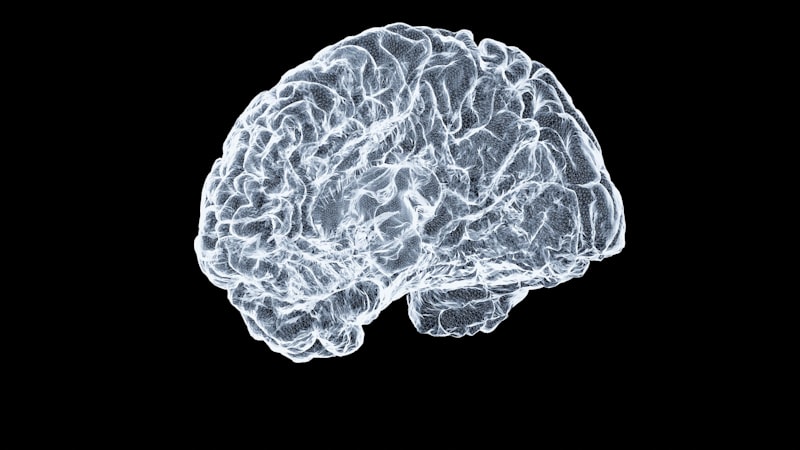
The tectum, a term derived from the Latin word for “roof,” represents the dorsal aspect of the midbrain, or mesencephalon. Situated posterior to the cerebral aqueduct, this region is a fundamental component of the brainstem, serving as a critical relay and integration center for sensory information. While its prominence varies across different vertebrate species, in the human brain, the tectum is primarily defined by the corpora quadrigemina, four specialized colliculi that mediate complex reflexive behaviors. This anatomical region is essential for the seamless transition of neural signals between the peripheral sensory organs and the higher cortical structures, ensuring that the organism can respond rapidly to environmental stimuli.
Structurally, the tectum is divided into distinct anatomical landmarks that facilitate its diverse functional roles. It comprises the superior colliculus, the inferior colliculus, the tectal plate, and the tectal commissure. Each of these components possesses a unique histological arrangement and connectivity pattern, allowing for the specialized processing of visual and auditory data. The tectum does not operate in isolation; rather, it is intricately connected to the thalamus, the cerebellum, and various cranial nerve nuclei, forming a sophisticated network that supports motor coordination, spatial orientation, and the modulation of sensory input. Its location within the midbrain places it at a strategic bottleneck where many ascending and descending tracts must pass, making it highly susceptible to clinical pathologies that affect the brainstem.
In the broader context of neurophysiology, the tectum is involved in functions as varied as vision, hearing, speech, and motor coordination. The evolutionary history of the tectum reveals its role as the primary visual processor in lower vertebrates, such as fish and amphibians. In mammals, although the visual cortex has assumed many of these responsibilities, the tectum retains vital “primitive” functions, particularly those related to survival reflexes. These include the startle response and the ability to orient the head and eyes toward sudden movements or sounds. Understanding the tectum is therefore crucial for both basic neuroscience and clinical neurology, as it provides insight into how the brain prioritizes and reacts to the external world.
The Superior Colliculus and Visual Reflexive Processing
The superior colliculus is a paired structure located at the most posterior aspect of the midbrain, sitting superior to the inferior colliculi. It is characterized by a sophisticated laminated architecture, traditionally divided into superficial and deep layers. The superficial layers are primarily concerned with receiving direct visual input from the retina via the optic tract, as well as from the primary visual cortex. This direct pathway allows for the rapid detection of motion and light changes in the periphery of the visual field. The superior colliculus acts as a topographic map of the visual world, where specific neural populations correspond to specific locations in space, facilitating precise spatial awareness.
The deep layers of the superior colliculus serve a more integrative function, receiving inputs from auditory, somatosensory, and motor systems. This multi-modal integration is essential for orienting behavior, which involves the coordinated movement of the eyes, head, and neck toward a stimulus. For instance, when a flash of light occurs, the superior colliculus processes the visual signal and sends motor commands to the extraocular muscles and cervical spinal cord to ensure the stimulus is brought into the center of the visual field. This process, often referred to as a saccade, is one of the fastest movements the human body can perform and is heavily dependent on the integrity of the superior colliculus.
Beyond simple reflexes, the superior colliculus plays a role in the modulation of visual attention and the filtering of irrelevant stimuli. By interacting with the pulvinar nucleus of the thalamus and the prefrontal cortex, it helps the brain decide which environmental factors merit a physical response. Damage to this area does not necessarily result in blindness, but it severely impairs the ability to perform reflexive eye movements and maintain stable gaze control. Consequently, the superior colliculus is viewed as a vital link between sensory perception and motor execution, bridging the gap between seeing an object and reacting to it.
The Inferior Colliculus and Auditory Signal Integration
Located immediately below the superior colliculus, the inferior colliculus serves as the principal midbrain nucleus of the auditory pathway. It is a major convergence point for virtually all ascending auditory information from the lower brainstem nuclei, including the superior olivary complex and the cochlear nuclei. The inferior colliculus is divided into several sub-nuclei, most notably the central nucleus, the dorsal cortex, and the external cortex. These divisions allow for the tonotopic organization of sound, where different frequencies are processed in specific spatial arrangements, ensuring that the brain can distinguish between high and low pitches with high fidelity.
The primary function of the inferior colliculus is the processing of auditory reflexes and sound localization. It integrates information regarding the timing and intensity of sounds reaching each ear, allowing the individual to determine the source of a noise in three-dimensional space. This localization is critical for the startle reflex; for example, a loud, unexpected sound will trigger a rapid motor response to turn the head toward the source. Furthermore, the inferior colliculus facilitates the integration of auditory data with other sensory modalities, ensuring that the organism’s response to sound is contextually appropriate and coordinated with visual observations.
In addition to its role in reflexive behavior, the inferior colliculus is involved in the complex processing of speech and frequency modulation. It acts as a gateway for auditory information heading toward the medial geniculate nucleus of the thalamus and subsequently the primary auditory cortex. By pre-processing these signals, the inferior colliculus helps refine the clarity of sound and aids in the detection of patterns within acoustic environments. Given its central role in the hearing hierarchy, any structural or functional disruption to this area can lead to significant sensory deficits, affecting everything from basic sound detection to the nuanced understanding of human language.
The Tectal Plate and Structural Support
The tectal plate, also known as the lamina quadrigemina, is a thin sheet of gray and white matter that forms the foundation upon which the superior and inferior colliculi reside. It is situated between these four collicular bodies and provides the structural framework necessary for their operation. The tectal plate serves as a transition zone where visual and auditory pathways intersect, facilitating the high-level integration of multisensory reflexes. While often discussed as a secondary structure to the colliculi, the tectal plate is essential for maintaining the spatial relationship between the sensory maps of the eyes and ears.
Within the tectal plate, various interneurons and fiber tracts allow for the cross-talk between the superior and inferior colliculi. This communication is vital for behaviors that require the synchronization of different senses, such as tracking a moving object that is also emitting sound. The tectal plate ensures that the motor output generated by the tectum is a cohesive response rather than a series of disjointed reflexes. It essentially acts as a localized processing hub that synthesizes spatial data, allowing the midbrain to produce a unified “map” of the surrounding environment that the motor system can then act upon.
The clinical significance of the tectal plate is often highlighted in cases of tectal gliomas or other space-occupying lesions in the midbrain. Because the tectal plate is located in close proximity to the cerebral aqueduct, any swelling or tumor growth in this region can lead to obstructive hydrocephalus by compressing the channel through which cerebrospinal fluid flows. Furthermore, damage to the tectal plate itself disrupts the delicate balance of visual and auditory reflexes, leading to a breakdown in orienting behavior. Therefore, the tectal plate is not merely a supportive structure but a functional component that ensures the fluid integration of sensory-motor pathways.
The Tectal Commissure and Interhemispheric Communication
The tectal commissure is a specialized band of nerve fibers that crosses the midline, connecting the two halves of the tectum. This structure is vital for the bilateral coordination of sensory and motor functions. In the human brain, symmetry is essential for accurate perception; the tectal commissure allows the left and right superior colliculi to exchange information, ensuring that eye movements are conjugate and that the visual field is perceived as a continuous whole. Without this inter-hemispheric communication, the brain would struggle to reconcile inputs from the two sides of the body, leading to significant deficits in spatial navigation.
The role of the tectal commissure extends to the coordination and balance of the organism. By sharing data between the two sides of the midbrain, the commissure assists in the regulation of posture and the stabilization of the head during movement. It works in tandem with the vestibular system to ensure that as the body moves through space, the tectal reflexes remain calibrated. This bilateral integration is particularly important during complex motor tasks, such as walking or reaching for objects, where the brain must constantly update its internal representation of space based on feedback from both sides of the sensory apparatus.
Functionally, the tectal commissure facilitates the synchronization of the auditory and visual maps across the midline. When a stimulus moves from the left side of the environment to the right, the commissure allows for a smooth transition of neural activity from one side of the tectum to the other. This ensures that the motor response remains fluid and uninterrupted. Lesions or developmental anomalies affecting the tectal commissure can result in a “split” in sensory processing, where the individual may experience difficulty in localizing stimuli that cross the midline or may suffer from a general lack of motor fluidity and equilibrium.
Clinical Implications of Tectal Lesions
Damage to the tectum, whether through trauma, stroke, or neoplastic growth, can result in a wide array of neurological deficits. Because the tectum is so densely packed with sensory and motor nuclei, even small lesions can have profound effects on an individual’s quality of life. The clinical presentation of tectal damage is often categorized based on which specific component of the structure is affected. The most common symptoms associated with tectal dysfunction include:
- Gaze Palsy: An inability to move the eyes in a specific direction, often vertically, due to damage to the superior colliculus.
- Oculomotor Apraxia: A condition where the patient has difficulty initiating voluntary saccades or following moving objects despite having intact muscle function.
- Strabismus: Misalignment of the eyes, which can occur if the reflexive control of the extraocular muscles is compromised.
- Hearing Deficits: Including tinnitus (ringing in the ears) or hyperacusis (increased sensitivity to sound) resulting from inferior colliculus lesions.
- Coordination Impairment: Difficulties with balance and fine motor control, often linked to damage in the tectal commissure.
One of the most well-known clinical syndromes involving the tectum is Parinaud’s syndrome, also known as dorsal midbrain syndrome. This condition is typically caused by a tumor in the pineal gland compressing the superior colliculi and the tectal plate. Patients with this syndrome exhibit a classic triad of symptoms: paralysis of upward gaze, pseudo-Argyll Robertson pupils (where the pupils respond to accommodation but not to light), and convergence-retraction nystagmus. This highlights how the anatomical location of the tectum makes it a focal point for diagnostic neurology, as specific ocular signs can point directly to midbrain pathology.
In addition to motor and visual signs, lesions to the inferior colliculus can cause complex auditory processing disorders. Patients may retain the ability to hear pure tones but lose the ability to understand speech in noisy environments or fail to localize where a sound is coming from. These auditory reflexes are often tested during neurological exams to assess the health of the brainstem. Furthermore, because the tectum is involved in the startle response, damage here can lead to an abnormal reaction to sudden stimuli, which may manifest as either an exaggerated jumpiness or a total lack of reflexive protection.
Summary of Anatomical Components and Functions
To better understand the complex nature of the tectum, it is helpful to categorize its parts and their primary responsibilities. The following list summarizes the functional anatomy discussed in this review:
- Superior Colliculus: Responsible for visual signal processing, the execution of saccadic eye movements, and the coordination of head-eye orienting behaviors.
- Inferior Colliculus: Acts as the central hub for the auditory pathway, mediating sound localization and reflexive responses to acoustic stimuli.
- Tectal Plate: Provides the structural base for the colliculi and facilitates the integration of multisensory inputs for unified environmental mapping.
- Tectal Commissure: Ensures bilateral communication between the left and right sides of the tectum, supporting balance and conjugate eye movements.
The integration of these four components allows the tectum to serve as a high-speed processor for survival-related information. By bypassing the slower, more deliberate processing of the cerebral cortex for immediate reflexive needs, the tectum provides the organism with a crucial temporal advantage in dangerous or rapidly changing environments. Its role in speech and motor coordination further emphasizes its importance in the daily functioning of the human nervous system, bridging the gap between primitive brainstem functions and sophisticated cortical control.
Conclusion and Final Perspectives
In conclusion, the tectum is an indispensable component of the human brainstem, serving as the “roof” of the midbrain and a vital center for sensory-motor integration. Its division into the superior colliculus, inferior colliculus, tectal plate, and tectal commissure allows for a highly specialized yet integrated approach to processing the visual and auditory world. The anatomical complexity of these structures supports a wide range of functions, from the most basic reflexive startle responses to the intricate coordination of gaze and balance. Without a functional tectum, the human ability to navigate and interact with the environment would be severely diminished.
The clinical implications of tectal damage underscore its importance in medical diagnostics. Conditions such as gaze palsy, tinnitus, and impaired coordination are not merely symptoms but indicators of the specific neural pathways that have been disrupted within the midbrain. As modern neuroimaging techniques continue to advance, our understanding of the tectum’s role in complex disorders continues to grow, offering hope for better diagnostic and therapeutic strategies for patients with brainstem lesions. The tectum remains a primary area of interest for both anatomists and clinicians alike.
Ultimately, the study of the tectum reveals the elegance of the brain’s design, where small, localized structures can exert profound influence over an organism’s behavior and sensory perception. By maintaining the integrity of visual and auditory reflexes, the tectum ensures that we remain responsive to our surroundings. As we continue to explore the depths of neuroanatomy, the tectum stands as a testament to the evolutionary refinement of the vertebrate brain, balancing ancient survival mechanisms with the needs of a modern, complex nervous system.
References
- Amini, A., & Hill, R. S. (2008). Neuroanatomy: An Illustrated Color Text. St. Louis, MO: Elsevier Saunders.
- Barr, M., & Kiernan, J. (2013). Barr’s the Human Nervous System: An Anatomical Viewpoint. Philadelphia, PA: Lippincott Williams & Wilkins.
- Fitzgerald, M. J. T., & Rengachary, S. S. (2016). Neurosurgery: Principles and Practice. Philadelphia, PA: Elsevier.