Psychological Torsion: Why Your Mind Feels Twisted
Scientifically Reviewed · Dr. Marwa Abd-Alazim · October 1, 2026
Review Criteria & Clinical Standards
This content undergoes rigorous scientific peer-review and medical editorial standards at Arab Psychology Network to ensure clinical accuracy, validity, and compliance with evidence-based guidelines from leading psychological and healthcare authorities (APA / WHO).
Defining Psychological Torsion: A Conceptual Overview
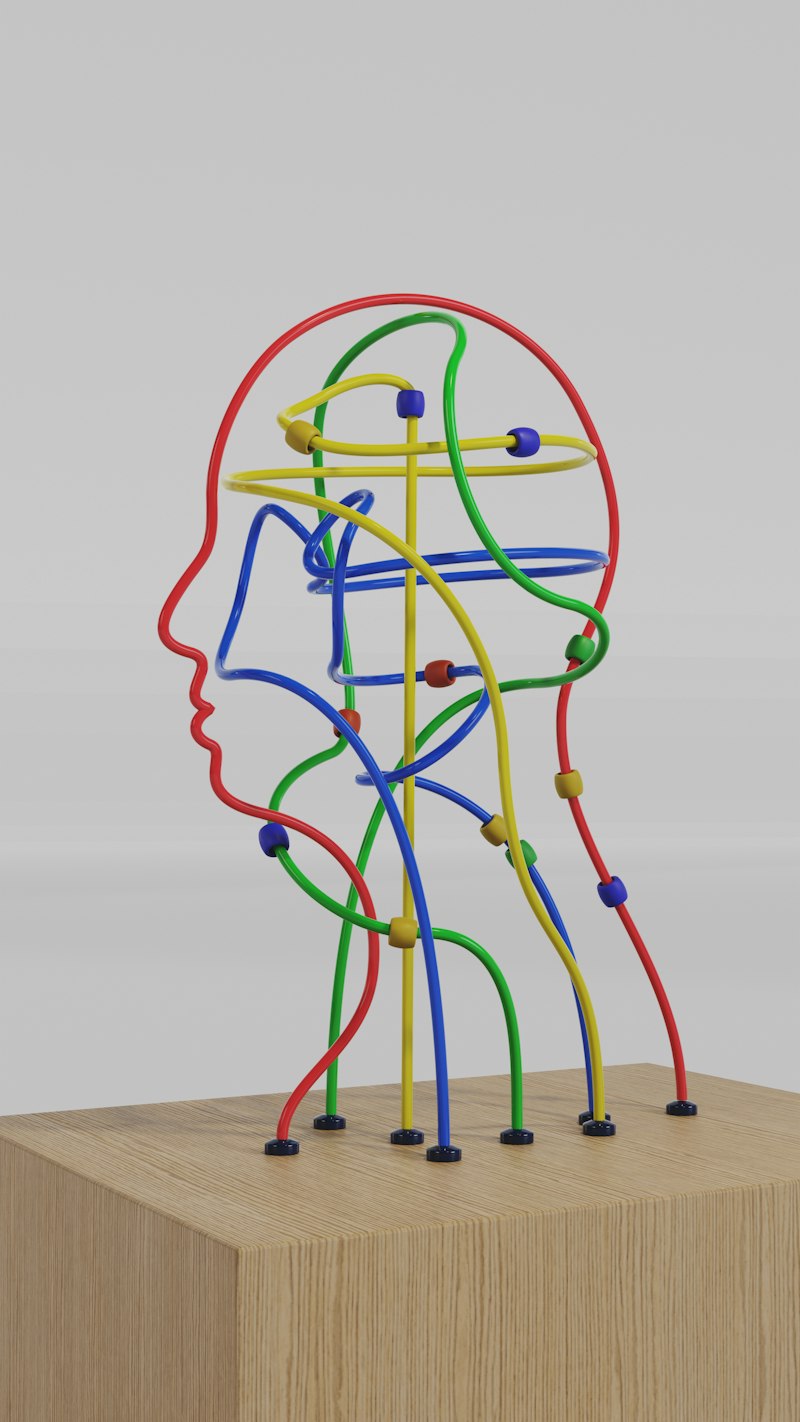
Psychological torsion represents a sophisticated conceptual framework used to describe the internal mental and emotional strain that occurs when an individual’s core psychological structures are subjected to incompatible pressures. Much like physical torsion in engineering—where an object is twisted by applied torque—psychological torsion involves a “warping” or “twisting” of the individual’s perceptions, beliefs, and emotional states. This phenomenon occurs when internal desires, moral imperatives, or external environmental demands clash with the established stability of the psyche. It is characterized not merely as generalized stress, but as a specific structural misalignment where the individual’s cognitive and emotional frameworks are forced away from their natural, integrated configuration to accommodate conflicting forces.
The experience of psychological torsion is fundamentally rooted in the tension between the need for internal consistency and the reality of contradictory information or experiences. When an individual encounters a situation that challenges their fundamental values or self-concept, the mind undergoes a state of duress. This duress necessitates a temporary or permanent restructuring of the mental landscape. The resulting strain can manifest as a profound sense of internal conflict, cognitive dissonance, or emotional disarray. In its mildest forms, torsion might lead to subtle shifts in perspective; however, in more severe instances, it can result in significant psychological fragmentation, identity crises, or the development of maladaptive defense mechanisms as the mind attempts to absorb the “twisting” force without breaking.
At the heart of this concept is the mind’s inherent drive toward psychological homeostasis. When external or internal pressures threaten this balance, the mind must exert an opposing force to maintain its integrity. This active resistance and the subsequent adaptation reflect the dynamic nature of human resilience. Psychological torsion highlights that the mind is not a static entity but a flexible structure capable of immense adaptation, yet also vulnerable to deformation under extreme pressure. By examining the mechanisms of torsion, psychologists can better understand how individuals navigate moral dilemmas, traumatic events, and the complexities of modern social existence, offering a lens through which the fragility and strength of the human spirit are revealed.
Theoretical Foundations and Historical Evolution
While the specific nomenclature of “psychological torsion” is a contemporary synthesis, the underlying principles have been explored throughout the history of philosophy and early psychology. Ancient schools of thought, particularly the Stoics, were among the first to document the internal strain caused by the conflict between rational thought and irrational passions. They recognized that when an individual allows external events to dictate their internal state, the psyche undergoes a form of distortion that leads to suffering. Their focus on maintaining an “inner citadel” can be viewed as an early attempt to prevent the twisting effects of external pressures on the individual’s moral and emotional equilibrium.
The formalization of these concepts began in earnest with the advent of psychoanalytic theory. Sigmund Freud’s exploration of the structural model of the psyche—the id, ego, and superego—provided a blueprint for understanding internal torsion. Freud posited that the ego is constantly subjected to the conflicting demands of primal drives (id) and moral constraints (superego). To manage the resulting torsion, the ego employs defense mechanisms such as repression, reaction formation, and sublimation. These mechanisms are essentially the mind’s way of “twisting” reality or internal impulses to alleviate the strain of conflict, allowing the individual to function despite the presence of incompatible internal forces.
In the mid-20th century, the focus shifted toward a more cognitive understanding of internal strain. Leon Festinger’s groundbreaking work on cognitive dissonance provided a measurable framework for psychological torsion. Festinger argued that holding contradictory cognitions creates a state of psychological discomfort that motivates the individual to resolve the inconsistency. This resolution often involves changing beliefs, adding new cognitions, or trivializing the importance of the conflict. This period also saw the rise of stress research led by Hans Selye, who described the “General Adaptation Syndrome.” Selye’s work illustrated how prolonged exposure to pressure leads to a predictable sequence of physiological and psychological responses, further detailing how the “torsion” of stress can eventually lead to exhaustion and system failure if not mitigated.
Taxonomy of Torsional Manifestations
Psychological torsion is not a singular experience but a multifaceted phenomenon that manifests across different domains of the human experience. Cognitive torsion is perhaps the most frequently observed type, involving the distortion of logic, memory, and perception. When individuals are presented with information that contradicts their deeply held worldviews, the mind may “twist” the facts to fit the existing schema. This can lead to the development of confirmation bias, where one selectively attends to information that supports their current state while ignoring or re-framing contradictory evidence. This cognitive warping serves as a protective layer, preventing the discomfort of a total intellectual overhaul.
Emotional torsion involves the suppression, redirection, or transformation of authentic feelings in response to internal or societal pressures. This often occurs in environments where certain emotions are stigmatized or deemed “unsafe” to express. For instance, a person experiencing profound anger in a professional setting that demands total equanimity may experience emotional torsion as they force that anger into a different form, such as passive-aggression or somatic symptoms like tension headaches. The original emotion is not eliminated but is instead twisted into a new, often more problematic, configuration that allows the individual to meet external expectations while suffering internal strain.
Identity torsion represents a deeper, more existential form of strain that affects the core of the self. This occurs when life transitions, cultural shifts, or traumatic events force an individual to reconcile incompatible roles or self-perceptions. A common example is the “identity crisis” experienced during mid-life or adolescence, where the pressure to conform to societal roles clashes with the emerging need for authentic self-expression. The result is a twisting of the individual’s life narrative, often leading to:
- Depersonalization: A sense of being detached from one’s own thoughts or body.
- Role Conflict: The strain of maintaining multiple, contradictory social personas.
- Value Realignment: The painful process of discarding old beliefs to adopt new ones that reduce internal tension.
- Existential Vacuum: A feeling of meaninglessness that arises when identity structures are twisted beyond their capacity to provide purpose.
The Mechanics of Cognitive Dissonance as Torsion
To understand how psychological torsion operates in daily life, one must examine the mechanics of cognitive dissonance. Consider the case of an individual who values health and longevity but continues to engage in high-risk behaviors, such as smoking. The torsion arises from the misalignment between the value (“I want to be healthy”) and the action (“I am smoking”). This creates a palpable mental torque. To resolve this, the individual does not simply stop the behavior; instead, the mind often initiates a series of “untwisting” maneuvers, such as rationalizing that “my grandfather smoked and lived to ninety” or “the stress of quitting is worse for my heart than the smoking itself.”
This process of resolution typically follows a structured sequence that illustrates the mind’s attempt to regain equilibrium:
- Initial Impact: Encountering a conflict that triggers immediate psychological discomfort.
- Dissonance Arousal: The recognition of the inconsistency, leading to increased heart rate, anxiety, or mental preoccupation.
- Strategy Selection: The unconscious choice of a coping mechanism, such as denial, justification, or behavior change.
- Cognitive Restructuring: The actual “twisting” of beliefs to create a new, consistent (though perhaps less accurate) reality.
- Torsion Resolution: The return to a state of internal peace, albeit one based on a modified psychological framework.
This illustration reveals that psychological torsion is an active, energy-consuming process. The mind works tirelessly to ensure that the internal world remains coherent. However, the cost of this coherence is often a departure from objective reality. When the torsion is resolved through rationalization rather than authentic change, the individual may find themselves in a “twisted” state of denial that protects the ego but hinders personal growth. Understanding this step-by-step process is crucial for clinicians who aim to help patients confront the reality of their conflicts rather than simply smoothing over the symptoms of the strain.
Clinical Significance and Applied Psychology
In the realm of clinical psychology, the concept of torsion is indispensable for understanding the etiology of various mental health disorders. Anxiety disorders, for example, can be viewed as chronic states of psychological torsion where the individual is perpetually bracing against perceived future threats. The constant mental “torque” required to maintain vigilance against an uncertain environment leads to the depletion of psychological resources. Similarly, depression may result from the exhaustion of the psyche after prolonged, unsuccessful attempts to resolve internal torsion, leading to a state of emotional “collapse” where the individual can no longer sustain the effort of maintaining their internal framework.
Beyond the clinical setting, organizational psychology applies these principles to understand workplace dynamics. Employees often experience torsion when their personal ethics conflict with corporate goals or when they are forced to engage in “emotional labor”—faking positive emotions to satisfy job requirements. This professional torsion is a primary driver of burnout. When an individual’s internal state is constantly twisted to meet external performance standards, the structural integrity of their work identity begins to fail. Organizations that recognize the signs of psychological torsion in their workforce can implement strategies to reduce role ambiguity and promote authenticity, thereby increasing employee retention and well-being.
In social psychology, torsion helps explain the power of social influence and conformity. When an individual’s private beliefs differ from the consensus of a group they value, they experience significant torsion. To alleviate this, many will “twist” their public (and eventually private) opinions to align with the group, a phenomenon famously demonstrated in the Asch conformity experiments. This highlights the social dimension of torsion: it is not just an internal struggle but often a response to the “torque” applied by the social environment. Recognizing these pressures is essential for fostering independent thinking and resisting the negative effects of groupthink in political, religious, or social organizations.
Synthesis with Related Psychological Frameworks
Psychological torsion serves as a meta-framework that integrates several disparate psychological theories. It is most closely aligned with Existential Psychology, which posits that the fundamental “twist” of human existence is the conflict between the desire for meaning and the apparent randomness of the universe. Existentialists like Viktor Frankl argued that finding meaning is the ultimate way to resolve the torsion of suffering. By assigning a purpose to the pain, the individual can transform the “twisting” force of trauma into a “straightening” force for personal development, illustrating that torsion can be a catalyst for post-traumatic growth.
Furthermore, the concept is deeply intertwined with Abnormal Psychology, particularly in the study of trauma and dissociation. When an experience is too overwhelming for the mind to integrate, the torsion becomes so great that the psyche “snaps” or fragments, leading to dissociative states. In these instances, the mind creates separate compartments for different aspects of the experience or the self to avoid the total destruction of the psychological framework. This extreme form of torsion resolution explains the mechanisms behind Dissociative Identity Disorder and PTSD, where the “twisting” of memory and identity serves as a desperate survival tactic against unbearable internal pressure.
The relationship between torsion and Biological Psychology is also significant. Research into the neurobiology of stress shows that psychological strain activates the HPA axis, releasing cortisol and adrenaline. Prolonged psychological torsion, therefore, has a physical footprint, potentially leading to neurostructural changes in the hippocampus and amygdala. This biological perspective confirms that the “twisting” of the mind is not merely metaphorical; it involves real, physiological changes that affect how the brain processes information and regulates emotion. This synthesis of the mental and the physical underscores the holistic nature of psychological torsion as a fundamental aspect of the human condition.
Strategies for Resolution and Psychological Resilience
Addressing psychological torsion requires a proactive approach centered on increasing psychological flexibility. One of the most effective interventions is Cognitive Behavioral Therapy (CBT), which focuses on identifying the “cognitive distortions” that act as the twisting forces in an individual’s mind. By teaching patients to recognize maladaptive patterns such as catastrophizing or black-and-white thinking, CBT provides the tools to “untwist” these perceptions and return to a more balanced state of mind. This process involves a rigorous questioning of the evidence for one’s beliefs, allowing the individual to release the tension held in irrational thoughts.
Another critical modality is Acceptance and Commitment Therapy (ACT), which takes a different approach to torsion. Rather than trying to untwist the thoughts, ACT encourages individuals to accept the presence of conflicting pressures without being controlled by them. This is achieved through:
- Cognitive Defusion: Learning to perceive thoughts as mere mental events rather than absolute truths.
- Mindfulness: Staying present in the moment to observe internal torsion without reacting impulsively to it.
- Values Clarification: Identifying what truly matters to the individual to provide a stable “anchor” against external pressures.
- Committed Action: Taking steps toward one’s values even when internal strain is present.
In addition to formal therapy, building social support systems is a vital strategy for mitigating torsion. Sharing one’s internal conflicts with trusted others can help “distribute the load” of the psychological pressure. Perspective-taking, offered by friends or mentors, can provide the external leverage needed to see a conflict from a new angle, often revealing that the “twisting” force is not as insurmountable as it felt in isolation. Ultimately, the goal of managing psychological torsion is not to reach a state of zero pressure—which is impossible in a complex world—but to develop a “psychological modulus” that allows the mind to bend and adapt without breaking, fostering a life of resilience and authenticity.
Conclusion: The Enduring Relevance of Psychological Torsion
In conclusion, psychological torsion provides a robust and evocative framework for understanding the complexities of the human experience under pressure. By viewing mental strain as a dynamic process of twisting and adaptation, we gain deeper insight into why individuals behave inconsistently, how they survive trauma, and what is required for genuine personal growth. The concept bridges the gap between ancient philosophical wisdom and modern clinical science, offering a unified language for the study of internal conflict. It reminds us that while the mind is susceptible to distortion, it also possesses an incredible capacity for reintegration and self-correction.
As we navigate an era characterized by rapid social change, information overload, and increasing existential uncertainty, the study of psychological torsion becomes more relevant than ever. Future research into the neuroplasticity of the brain may further reveal how we can “untwist” long-standing psychological patterns, while cross-cultural studies can help us understand how different societies manage the collective torsion of cultural shifts. By continuing to refine our understanding of this phenomenon, we can better support individuals in their quest for a stable, integrated, and meaningful self-identity.
The ultimate value of the psychological torsion framework lies in its recognition of the inherent dignity in the struggle for internal coherence. Every act of rationalization, every defense mechanism, and every moment of cognitive dissonance is a testament to the mind’s refusal to be crushed by the weight of contradiction. By learning to navigate these internal “twists” with awareness and compassion, individuals can move beyond mere survival, transforming the forces of torsion into the very energy required for a profound and lasting psychological evolution.