Temporal Lobectomy: Restoring Life Through Brain Surgery
Scientifically Reviewed · Dr. Marwa Abd-Alazim · September 14, 2026
Review Criteria & Clinical Standards
This content undergoes rigorous scientific peer-review and medical editorial standards at Arab Psychology Network to ensure clinical accuracy, validity, and compliance with evidence-based guidelines from leading psychological and healthcare authorities (APA / WHO).
Temporal Lobectomy: Definition and Scope
Temporal lobectomy is a major neurosurgical procedure defined by the partial or complete removal of the temporal lobe of the brain. This intervention is primarily utilized as a therapeutic option for patients suffering from severe, drug-resistant neurological disorders, most notably intractable epilepsy originating within the temporal lobe structures. The procedure represents a significant commitment, typically reserved for cases where pharmacological treatments have failed to control debilitating symptoms, thus necessitating the physical removal of the epileptogenic focus. Given the temporal lobe’s critical involvement in higher-order cognitive functions, successful outcomes depend heavily on meticulous preoperative planning and precise surgical execution aimed at maximizing lesion removal while preserving essential surrounding cortical tissue.
The core objective of a temporal lobectomy is to eliminate the source of pathological electrical activity that triggers recurrent seizures. The complexity of the procedure stems from the intricate anatomy of the temporal lobe, which houses vital structures such as the hippocampus and amygdala—components essential for memory encoding and emotional regulation, respectively. Therefore, the scope of the lobectomy must be carefully calibrated. In standard anterior temporal lobectomy (ATL), a significant portion of the anterior temporal lobe is resected, often including structures like the uncus, parahippocampal gyrus, and parts of the amygdala and hippocampus. This targeted, yet extensive, resection aims to achieve the highest possible rate of seizure freedom for patients diagnosed with mesial temporal lobe epilepsy (MTLE).
While epilepsy treatment forms the primary indication, temporal lobectomy techniques are also adapted for the management of other space-occupying lesions. These secondary indications include the surgical removal of certain brain tumors (such as gliomas or meningiomas) or the excision of vascular malformations (like cavernous malformations) located deep within the temporal lobe. In these non-epilepsy cases, the surgeon’s focus shifts to achieving a clean oncological resection margin or eliminating the risk of hemorrhage, while still employing similar surgical approaches and adhering to the constraints imposed by the adjacent eloquent cortex. The decision to proceed with a lobectomy always involves a rigorous multidisciplinary evaluation, including extensive neuroimaging (MRI, PET scans) and neurophysiological monitoring (EEG, depth electrodes) to precisely delineate the area of pathology.
Neuroanatomical Context: The Temporal Lobe
To fully appreciate the implications of a temporal lobectomy, one must understand the multifaceted roles of the temporal lobe itself. Situated inferiorly to the lateral fissure and anteriorly to the occipital lobe, the temporal lobe constitutes the lower, middle portion of the cerebral cortex. It is anatomically subdivided into the superior, middle, and inferior temporal gyri. Functionally, it is a hub for high-level processing, primarily responsible for the sophisticated integration of auditory information, language comprehension, and the organization of declarative memory. Damage or dysfunction within this area, especially in the dominant hemisphere, can profoundly impact an individual’s ability to communicate and recall events.
The superior temporal gyrus (STG) is intimately involved in the processing of sound and language. It houses the primary auditory cortex, where raw sound signals are initially received, and Wernicke’s area (typically in the dominant hemisphere), which is critical for the comprehension of spoken and written language. Therefore, resection in this area, particularly in the left (dominant) temporal lobe, carries a substantial risk of inducing or exacerbating receptive aphasia. Conversely, the inferior temporal gyrus is largely dedicated to the processing of visual information, particularly object recognition and facial recognition (a function often associated with the fusiform gyrus). Resection here can lead to specific visual recognition deficits, emphasizing the need for highly localized surgical planning.
Perhaps the most critical structures within the medial, or mesial, temporal lobe are the hippocampal formation and the adjacent amygdala. The hippocampus is the cornerstone of the limbic system responsible for consolidating short-term memory into long-term memory. Pathological changes in this region, such as hippocampal sclerosis (a common hallmark of TLE), are often the target of surgical resection. The amygdala, located immediately anterior to the hippocampus, plays a dominant role in processing emotions, particularly fear and pleasure, and is involved in emotional memory formation. Surgical removal of these structures, while necessary for seizure control, requires careful consideration of the patient’s existing cognitive reserve, especially concerning memory function in the contralateral hemisphere.
The functional complexity means that even subtle variations in the extent of the lobectomy can produce disparate neurological outcomes. For instance, the optic radiations, which convey visual information from the lateral geniculate nucleus to the visual cortex, course through the temporal lobe. Damage to the anterior loop of the optic radiations (Meyer’s loop) during resection is a well-documented risk, frequently resulting in a characteristic contralateral superior quadrantanopia, commonly known as a ‘pie-in-the-sky’ visual field deficit. Understanding these precise neuroanatomical relationships is fundamental to minimizing iatrogenic injury during the surgical procedure.
The Historical Trajectory of Resective Epilepsy Surgery
The concept of surgically intervening in the brain to treat epilepsy is not a modern one, dating back to rudimentary trephination attempts. However, the systematic development of temporal lobectomy as a viable treatment began in the late 19th and early 20th centuries. Early surgical attempts, though based on sound theoretical premises—that removing the epileptic focus would stop seizures—were often met with limited success and high morbidity due to the lack of adequate diagnostic tools to precisely locate the seizure onset zone. These initial procedures relied heavily on surface anatomy and crude clinical observations, leading to inconsistent results and slow adoption.
A revolutionary shift occurred in the mid-20th century, largely spearheaded by the pioneering work of neurosurgeons like Wilder Penfield and Herbert Jasper at the Montreal Neurological Institute. Their introduction of electrocorticography (ECoG) during surgery allowed surgeons, for the first time, to map the functional areas of the brain and identify the precise location of the epileptic focus in real time. Penfield’s meticulous method of stimulating the cortex while the patient was awake (under local anesthesia) permitted the surgical team to define the boundaries of eloquent cortex (areas responsible for speech, movement, and sensation) that needed preservation, significantly improving safety and efficacy.
By the 1950s and 1960s, the procedure had become standardized, particularly for treating temporal lobe epilepsy, which was recognized as the most common form of focal epilepsy and often the most resistant to medication. Advancements in neuroimaging, especially the advent of computed tomography (CT) and later Magnetic Resonance Imaging (MRI), further refined presurgical evaluation. MRI provided unparalleled resolution of soft tissue, allowing clinicians to identify subtle structural abnormalities like hippocampal sclerosis with high confidence, transforming temporal lobectomy into an accepted and relatively safe method for treating severe, refractory seizures. This technological progression allowed for increasingly selective resections, moving away from extensive, non-specific excisions toward targeted removal of the epileptogenic zone, thereby minimizing collateral neurological damage.
Clinical Indications for Surgical Intervention
The decision to perform a temporal lobectomy is based on stringent criteria, as it is an invasive procedure carrying inherent risks. The overwhelming majority of candidates are those suffering from refractory temporal lobe epilepsy (TLE). Refractory epilepsy is defined as the failure to achieve sustained seizure freedom after adequate trials of two tolerated and appropriately chosen antiepileptic drug (AED) regimens, administered alone or in combination. TLE accounts for approximately 60-70% of all focal epilepsies and is the most common form of epilepsy treated surgically. The presence of mesial temporal sclerosis (MTS)—a hallmark characterized by neuronal cell loss and gliosis in the hippocampus—is a powerful predictor of successful surgical outcome.
A comprehensive presurgical evaluation is mandatory to confirm that the temporal lobe is indeed the sole source of seizure initiation. This evaluation typically involves phases of monitoring designed to precisely locate the epileptogenic zone (EZ) and map the functional organization of the brain. Key diagnostic components include:
- Video-EEG Monitoring: Continuous recording of electrical brain activity synchronized with video observation of clinical seizures to confirm the temporal lobe origin.
- High-Resolution MRI: Used to identify structural lesions such as MTS, tumors, or focal cortical dysplasia.
- PET and SPECT Scans: Functional imaging modalities that can detect areas of hypometabolism (PET) or hypoperfusion (SPECT) during the interictal period, often localizing the EZ.
- Neuropsychological Testing: Essential for evaluating cognitive baseline and lateralizing language and memory dominance, which informs the risk assessment, particularly when considering surgery on the language-dominant hemisphere.
Beyond refractory epilepsy, temporal lobectomy may be indicated for the removal of localized mass lesions that are situated deep within the temporal lobe and are either symptomatic or carry a significant risk of future complications. These lesions include low-grade primary brain tumors, such as Gangliogliomas or Dysembryoplastic Neuroepithelial Tumors (DNETs), which are often associated with chronic focal seizures. Furthermore, certain vascular lesions, such as cerebral cavernous malformations (cavernomas), especially those causing recurrent hemorrhage or drug-resistant seizures, may necessitate resection via a temporal lobectomy approach. In these cases, the surgical goal is dual: achieving seizure control and providing definitive pathological diagnosis and treatment of the mass effect.
Detailed Surgical Procedures and Techniques
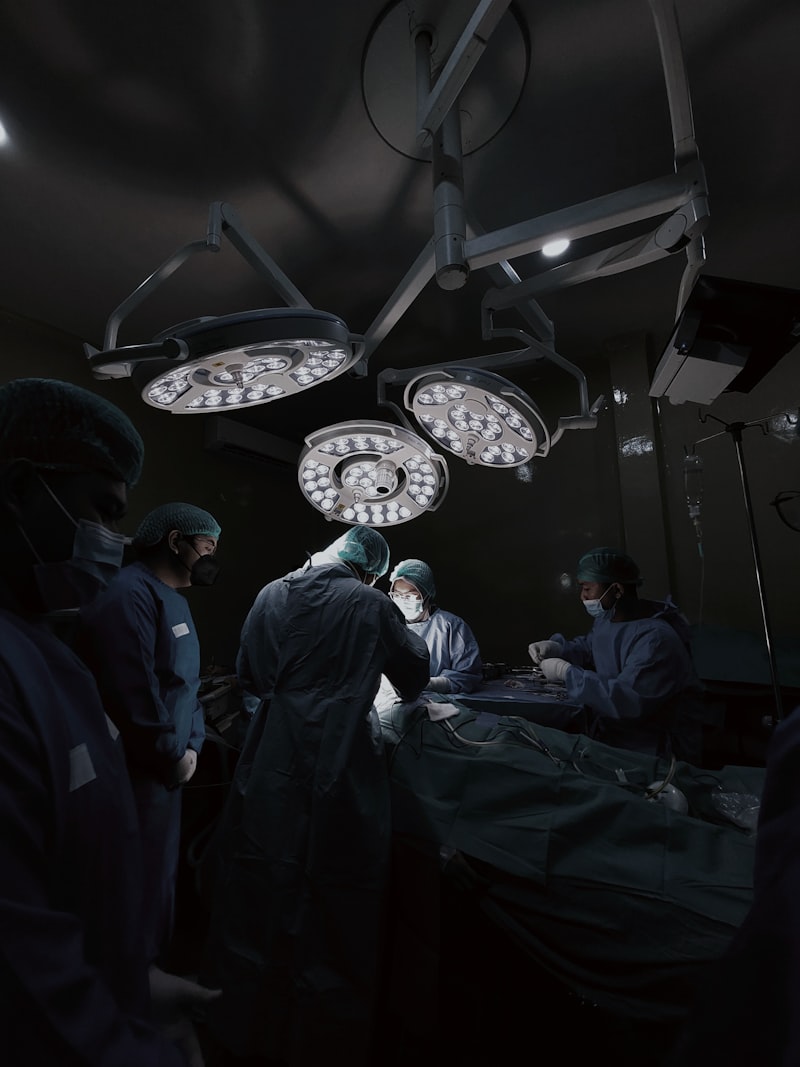
Temporal lobectomy is performed under general anesthesia and typically follows a craniotomy approach, although the extent of resection varies significantly based on the patient’s pathology and functional mapping results. The two primary techniques employed are the Standard Anterior Temporal Lobectomy (ATL) and Selective Amygdalohippocampectomy (SAH).
The Standard Anterior Temporal Lobectomy (ATL) involves a generous resection of the anterior 4 to 6 cm of the temporal lobe cortex, along with the underlying mesial structures—the amygdala and the anterior two-thirds of the hippocampus. This is the oldest and most widely practiced technique, particularly effective for patients with clear evidence of MTS, offering the highest rates of seizure freedom. The procedure begins with a temporo-frontal craniotomy, followed by the identification and coagulation of the superficial temporal vessels and the middle cerebral artery. The surgeon establishes the cortical resection boundary and then proceeds deep into the mesial structures, carefully identifying and preserving the brainstem and crucial vascular structures like the posterior cerebral artery. The ATL is highly effective but carries higher risks of cognitive deficits due to the wider cortical removal.
Conversely, the Selective Amygdalohippocampectomy (SAH) aims to remove only the deep mesial structures (amygdala and hippocampus) while leaving the majority of the temporal neocortex intact. This technique is often approached via a trans-sylvian, transcortical, or subtemporal route. The rationale behind SAH is to achieve equivalent seizure control with minimal impact on neocortical functions, potentially reducing the risk of language and memory deficits associated with broader cortical resections. While technically more challenging and requiring high surgical precision, SAH represents an evolution toward minimally invasive epilepsy surgery. However, studies comparing ATL and SAH have shown that while SAH may carry a slightly lower risk of memory decline, ATL often yields superior long-term seizure control rates, leading many centers to favor the standard ATL when dealing with severe, generalized temporal lobe pathology.
The duration of the surgery typically ranges from three to five hours, depending on the complexity and approach utilized. Throughout the procedure, electrophysiological monitoring, such as ECoG, may be used to confirm that the entire epileptogenic zone has been removed before closure. Precise hemostasis (control of bleeding) is critical, and the craniotomy flap is secured back into place upon completion. The ultimate success of the procedure hinges not only on the complete removal of the pathological focus but also on the rigorous avoidance of damage to surrounding vascular and neural structures, particularly the optic radiations and the internal capsule.
Postoperative Management and Rehabilitation
Following a temporal lobectomy, the patient is transferred to a neurosurgical intensive care unit (ICU) for immediate, intensive monitoring. The immediate postoperative period focuses on managing pain, controlling intracranial pressure, and monitoring for early complications such as hemorrhage or acute cerebral edema. Antiepileptic medications are usually continued in the immediate phase, though often at reduced dosages, and continuous electroencephalography (EEG) monitoring is frequently employed to detect any subclinical seizure activity or epileptiform discharges that might indicate incomplete resection or the development of a new focus.
Once stabilized, the patient is moved to a general neurosurgical ward. Rehabilitation efforts begin almost immediately. Given the temporal lobe’s involvement in speech and memory, patients often undergo comprehensive assessments by speech-language pathologists and neuropsychologists. Physical therapy may also be necessary if the surgery required extensive positioning or if transient motor deficits occurred. The rehabilitation process is highly individualized, focusing on restoring functional capacity and compensating for any new cognitive deficits. For instance, if minor memory impairment is detected, strategies focusing on external memory aids and organizational techniques are implemented.
Long-term management involves the gradual titration of antiepileptic drugs (AEDs). If the patient remains seizure-free for a predefined period (often one to two years), the physician may attempt to slowly wean the patient off medication. This decision is made cautiously and is based on continued EEG monitoring and the patient’s overall quality of life. Psychological support is also crucial, as patients often experience adjustment difficulties following major brain surgery, especially regarding changes in cognitive function or perceived identity. Comprehensive, multidisciplinary follow-up care is essential for optimizing long-term functional recovery and ensuring sustained seizure freedom.
Potential Risks and Associated Complications
While temporal lobectomy is considered relatively safe in specialized centers, it remains a major invasive neurosurgical procedure carrying significant potential risks. These complications can range from general surgical risks to specific neurological deficits associated with the resection site. It is imperative that patients and their families engage in a thorough discussion of the risk-benefit profile with the surgical team prior to the operation.
Specific neurological complications related to the temporal lobectomy procedure include:
- Memory Impairment: This is the most common and significant risk. If the surgery is performed on the language-dominant side, or if the contralateral hippocampus has compromised function, removal of the ipsilateral hippocampus can lead to severe verbal or non-verbal memory loss. Preoperative functional mapping is critical to predict and mitigate this risk.
- Language and Speech Difficulty (Aphasia): Resection in the dominant temporal lobe, particularly near Wernicke’s area, can result in temporary or permanent receptive aphasia (difficulty understanding language). Transient speech difficulties are often observed postoperatively but usually resolve.
- Visual Field Deficits (Quadrantanopia): Damage to the anterior loop of the optic radiation (Meyer’s loop) during removal of the temporal pole is highly common and results in a contralateral superior homonymous quadrantanopia (loss of vision in the upper quadrant of the visual field opposite the surgery site). While often permanent, patients generally adapt well as central vision is preserved.
- Infection and Hemorrhage: As with any intracranial surgery, there is a risk of wound infection, meningitis, or cerebral abscess. Postoperative intracranial hemorrhage (hematoma) can occur, requiring emergency reoperation.
- Persistent Seizures: Despite the best efforts, the procedure is not always curative. A minority of patients may continue to experience seizures, or new seizure types may emerge, requiring ongoing pharmacological management.
In addition to these neurological concerns, general surgical complications such as deep vein thrombosis (DVT), pulmonary embolism, and adverse reactions to anesthesia must also be considered. Long-term psychosocial consequences, including changes in mood, personality, and overall quality of life, necessitate careful long-term follow-up and psychological support to help patients integrate the cognitive and emotional changes resulting from the intervention.
Prognosis and Long-Term Efficacy
Temporal lobectomy is one of the most successful neurosurgical procedures for refractory epilepsy, offering a significantly improved prognosis compared to continued medical management. The efficacy is typically measured by the proportion of patients achieving seizure freedom, classified using the Engel classification system.
For patients with mesial temporal lobe epilepsy and confirmed hippocampal sclerosis, success rates are robust. Long-term studies indicate that approximately 60% to 80% of carefully selected patients achieve Engel Class I outcomes (seizure freedom or only non-disabling simple partial seizures) one year post-surgery. This high success rate significantly improves the patient’s quality of life, reduces the risk of sudden unexpected death in epilepsy (SUDEP), and allows for better social and occupational integration. Factors that strongly predict a positive outcome include a clear finding of hippocampal sclerosis on MRI, a short duration of epilepsy prior to surgery, and clear localization of the epileptogenic zone to the resected tissue.
However, long-term follow-up reveals that the seizure-free rate tends to decline slightly over time. By five to ten years post-surgery, the rate of Engel Class I outcomes may stabilize around 60%. For those patients who do not achieve complete seizure freedom, the surgery often results in a significant reduction in seizure frequency and severity, moving them into Engel Class II or III outcomes, which still represents a substantial therapeutic gain compared to their preoperative status. Continuous monitoring and neuropsychological support are vital for maximizing these long-term benefits and managing any emergent cognitive issues.
References
- Bachmeier, C., & Moshé, S. L. (2016). Temporal lobectomy for epilepsy: a review of current indications and techniques. Expert Review of Neurotherapeutics, 16(1), 37–46. https://doi.org/10.1586/14737175.2016.1110121
- Krauss, G. L., & Lüders, H. (2015). Temporal lobe epilepsy: surgery. Epilepsy & Behavior, 45, 174–180. https://doi.org/10.1016/j.yebeh.2014.12.021
- Litt, B., & Sperling, M. R. (2017). Surgery for temporal lobe epilepsy: where are we now? Neuropsychiatry, 7(1), 25–29. https://doi.org/10.4172/neuropsychiatry.1000283
- Wieser, H. G., & Elger, C. E. (2009). The temporal lobe and epilepsy: Historical and clinical perspectives. Epilepsy Research, 85(2–3), 89–103.