Tag: temporal lobe


The Temporal Lobe: Mastering Your Memory and Perception The temporal lobe represents a fundamental region of the human brain, strategically positioned beneath the lateral fissure on both the left and

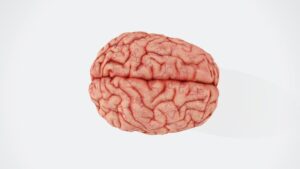
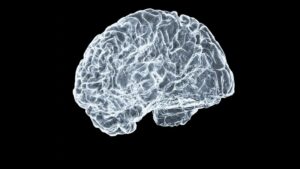
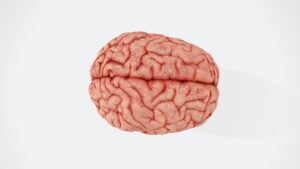
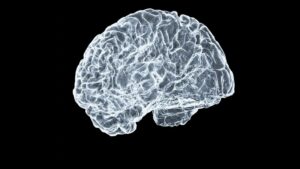
The Temporal Lobe: A Comprehensive Overview The Core Definition: Unveiling the Temporal Lobe The temporal lobe represents a fundamental region of the human brain, strategically positioned beneath the lateral fissure on both the left and right cerebral hemispheres. It is a highly intricate and multifunctional area, acting as a primary hub for a diverse array […]

Read More

WERNICKE’S AREA

Wernicke’s Area: An Overview of its Role in Language Processing Wernicke’s area is a region of the brain located in the posterior part of the superior temporal gyrus of the left hemisphere. It is named after the German neuroanatomist Carl Wernicke, who first described it in 1874. Wernicke’s area is known to play a crucial […]

Read More

PYRIFORM AREA (PIRIFORM AREA)

Pyriform Area (Piriform Area): A Brief Overview The Pyriform Area (PA) is a region of the brain located in the temporal lobe. It is also known as the Piriform Area, and is responsible for the processing of olfactory (smell) information. It is part of the olfactory cortex, which is responsible for the identification and discrimination […]

Read More

TEMPORAL LOBE ILLUSIONS

TEMPORAL LOBE ILLUSIONS Introduction to the Temporal Lobe and Illusory Phenomena The temporal lobe is a crucial and expansive region of the cerebral cortex, situated beneath the Sylvian fissure on the lateral side of the brain. Its functional diversity makes it central to several high-level cognitive processes, including the processing of auditory information, the comprehension […]

Read More

FUSIFORM GYRUS

Introduction to the Fusiform Gyrus The fusiform gyrus, also known as the occipitotemporal gyrus, is a highly significant structure located on the ventral surface of the temporal and occipital lobes of the human brain. It serves as an integral component of the visual processing stream, mediating sophisticated cognitive functions crucial for navigating the visual world. […]

Read More

AMYGDALA (Amygdaloid Complex)

AMYGDALA (Amygdaloid Complex): Definition, Structure, and Function The amygdala, often referred to as the amygdaloid complex due to its heterogeneous structure, is a crucial subcortical brain region primarily located deep within the medial temporal lobe. Recognized as central to the processing and memory of emotional reactions, particularly those related to fear, threat detection, and aggression, […]

Read More

TEMPORAL LOBECTOMY

Temporal Lobectomy: Definition and Scope Temporal lobectomy is a major neurosurgical procedure defined by the partial or complete removal of the temporal lobe of the brain. This intervention is primarily utilized as a therapeutic option for patients suffering from severe, drug-resistant neurological disorders, most notably intractable epilepsy originating within the temporal lobe structures. The procedure […]

Read More

PREPYRIFORM AREA

Introduction and Definition of the Prepyriform Area The Prepyriform Area, often referred to within the broader context of the primary olfactory cortex, represents a critical neural structure dedicated to the initial and sophisticated processing of olfactory information. This region constitutes the anterior segment of the piriform cortex, and its designation underscores its evolutionary significance as […]

Read More

MEDIAL TEMPORAL LOBE

Introduction and Anatomical Location The Medial Temporal Lobe (MTL) is a complex, critical structure situated deep within the temporal lobe, forming a vital component of the cerebral hemispheres in both the left and right sides of the brain. Its strategic location places it at the nexus of sensory processing and higher-order cognitive functions, particularly those […]

Read More

SEMANTIC JARGON

Introduction and Defining Semantic Jargon Semantic jargon represents a profound and complex disorder of language output, classified as a severe manifestation within the spectrum of fluent aphasias. Specifically, it is closely associated with receptive aphasia, or Wernicke’s aphasia. The hallmark characteristic of semantic jargon is the production of speech that, while maintaining normal prosody, intonation, […]

Read More

AMNESTIC DISORDER

Definition and Diagnostic Criteria Amnestic Disorder, as historically classified within major diagnostic systems such as the Diagnostic and Statistical Manual of Mental Disorders, Fourth Edition, Text Revision (DSM-IV-TR), defines a clinical syndrome characterized by a severe and isolated disruption of memory function. The cardinal features required for diagnosis include a significant incapacity to retain new […]

Read More

AUDIOVERBAL AMNESIA

Introduction and Definition of Audioverbal Amnesia (AVA) Audioverbal Amnesia (AVA) represents a highly specific and clinically distinct form of auditory language processing disorder, often classified as a subtype of auditory aphasia or short-term memory deficit. The defining characteristic of AVA is a profound dissociation in the capacity for acoustic retention based strictly on the length […]

Read More

PARIETAL LOBE

Introduction and Definitional Overview The parietal lobe constitutes one of the four principal lobes of the cerebral hemisphere, serving as a critical nexus for sensory integration and spatial processing within the central nervous system. Positioned in the upper central region of each hemisphere, its anatomical boundaries are well-defined yet complex, resting immediately posterior to the […]

Read More

PARAHIPPOCAMPAL GYRUS

Introduction and Anatomical Definition The Parahippocampal Gyrus (PHG) is a critical neuroanatomical structure situated on the medial aspect of the cerebral cortex’s temporal lobe, forming a prominent ridge. Its name derives from its location immediately adjacent to the hippocampus, specifically lying superiorly and medially to this vital memory structure. Functionally, the PHG is recognized as […]

Read More

SUPERIOR TEMPORAL GYRUS

Introduction and Anatomical Overview The Superior Temporal Gyrus (STG) is a critical structure situated in the lateral aspect of the brain, forming the uppermost convolution of the temporal lobe. Its location is generally superior to the outer ear, running roughly parallel to the lateral sulcus (Sylvian fissure), which separates the temporal lobe from the frontal […]

Read More

RETROGRADE AMNESIA

Retrograde Amnesia The Core Definition of Retrograde Amnesia Retrograde Amnesia (RA) is defined as the inability to recall information, events, or experiences that occurred prior to the onset of the amnesia-causing event. Fundamentally, it represents a specific deficit in memory retrieval, where access to previously encoded memories is compromised, often due to trauma or disease […]

Read More

AUDITORY CORTEX

The Auditory Cortex: Processing Sound Core Definition and Anatomy The Auditory Cortex (AC) constitutes the principal area of the cerebral cortex responsible for processing auditory information, serving as the central hub where sounds are consciously perceived, analyzed, and interpreted. It is located prominently within the superior aspect of the temporal lobe, specifically buried within the […]

Read More

ACULALIA

Aculalia: Non-Sensical Language Production The Core Definition of Aculalia Aculalia, derived from the Greek roots meaning “absence of speaking,” refers to a specific, severe symptom of language impairment characterized by the production of highly fluent but utterly meaningless speech. This condition is classified as a form of non-sensical talk that corresponds precisely with an absence […]

Read More

ACOUSTIC-MNESTIC APHASIA

Acoustic-Mnestic Aphasia Introduction: Defining Acoustic-Mnestic Aphasia Acoustic-mnestic aphasia is a distinct and relatively rare form of acquired communication disorder classified under the umbrella of aphasia. This condition is fundamentally characterized by a profound difficulty in the retention, storage, and subsequent retrieval of verbal information, particularly when that information is presented sequentially or when the volume […]

Read More

ANTERIOR CHOROIDAL ARTERY

The Anterior Choroidal Artery: Anatomy, Function, and Clinical Relevance The Core Definition of the Anterior Choroidal Artery The anterior choroidal artery (AChA) is a vital, albeit relatively small, branch of the internal carotid artery, playing a disproportionately significant role in supplying blood to several deep and critical structures within the brain. It is one of […]

Read More

MARGINAL SULCUS

MARGINAL SULCUS The Marginal Sulcus: A Core Definition The marginal sulcus refers to a set of prominent, deep grooves or infoldings found within the human cerebral cortex, serving as crucial anatomical landmarks. These sulci are instrumental in delineating the boundaries between the major lobes of the brain, specifically the frontal, parietal, and temporal lobes. Their […]

Read More

OLFACTORY SULCUS

The olfactory sulcus is a groove located in the nasal cavity that separates the olfactory bulb from the frontal lobe of the brain. It is an important structure in the brain for the processing of smell. The olfactory sulcus is composed of two parts: the lateral sulcus and the medial sulcus. The lateral sulcus is […]

Read More