Nature Exposure: Why Tenting Improves Your Mental Health
Scientifically Reviewed · Dr. Marwa Abd-Alazim · September 28, 2026
Review Criteria & Clinical Standards
This content undergoes rigorous scientific peer-review and medical editorial standards at Arab Psychology Network to ensure clinical accuracy, validity, and compliance with evidence-based guidelines from leading psychological and healthcare authorities (APA / WHO).
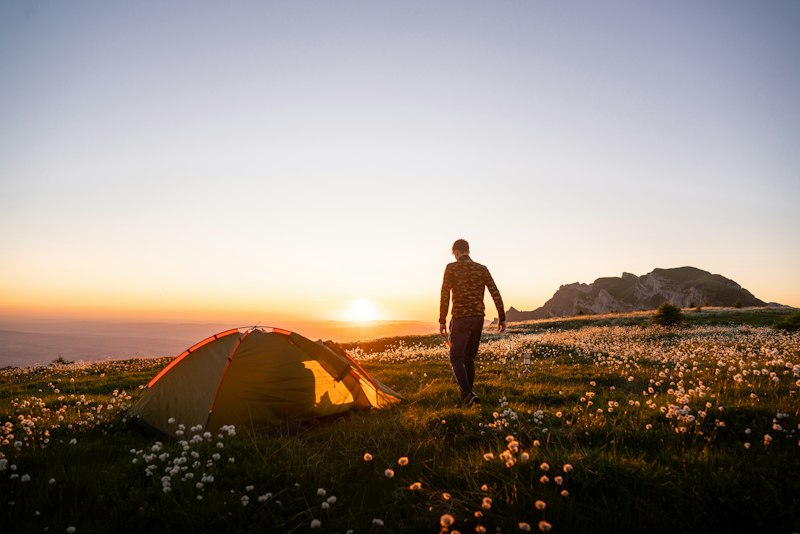
Tenting: An Overview
Abstract
Tenting is a method of camping that involves using a tent to sleep outside. Tent camping is a great way to experience the outdoors, providing a cost-effective and comfortable way to enjoy nature. This article provides an overview of the benefits and challenges of tenting, as well as some tips on how to prepare for a successful tenting experience.
Introduction
Tenting is a popular activity for many outdoor enthusiasts. It allows for an immersive experience in nature, as well as a cost-effective way to explore the outdoors. Tent camping can be a fun and rewarding experience if the proper preparations are taken. This article provides an overview of the benefits and challenges of tenting, as well as some tips on how to make the most of your tenting experience.
Benefits of Tenting
Tenting allows for a more immersive experience in nature than hotel or cabin stays. Campers are able to get closer to the landscape and observe the wildlife around them. Tent camping is also a cost-effective way to explore the outdoors, as tents are relatively inexpensive and can be set up anywhere. Additionally, pitching a tent can be a great way to bond with family and friends, as the act of setting up camp can be a fun activity for all involved.
Challenges of Tenting
Tenting can present some challenges, particularly if you are not prepared. Weather can be unpredictable, so it is important to pack the right gear and know how to set up your tent properly. Additionally, camping in bear country can be dangerous, so it is important to be aware of bear safety protocols and to practice proper food storage.
Tips for a Successful Tenting Experience
1. Do your research: Before setting out on your trip, make sure to research the area you will be camping in. This will help you to determine the best type of tent and camping gear to bring, as well as the best spots to set up camp.
2. Bring the right gear: Make sure to bring the right gear for the conditions you will be camping in. This includes a tent, sleeping bags, cooking supplies, and proper clothing.
3. Set up camp properly: Make sure to set up your tent in a safe and secure spot. This includes finding a spot that is level and free of debris, as well as one that is away from potential hazards such as water and wildlife.
4. Practice bear safety: If you are camping in bear country, make sure to practice proper food storage and bear safety protocols. This includes storing food away from your tent and avoiding cooking near your tent.
Conclusion
Tenting can be a great way to explore the outdoors, providing a cost-effective and immersive experience. However, it is important to be prepared and practice safety protocols when camping in bear country. With the proper research and preparations, tenting can be a rewarding and enjoyable experience for all involved.
References
Kruger, L. (2019). The Ultimate Guide to Tent Camping. Retrieved from https://www.rei.com/learn/expert-advice/tent-camping.html
National Park Service. (2019). Bear Safety. Retrieved from https://www.nps.gov/subjects/bears/bear-safety-in-parks.htm
REI Co-op. (2020). How to Choose a Tent: 5 Tips. Retrieved from https://www.rei.com/learn/expert-advice/tent-buying-guide.html