The Topographic Model: Freud’s Map of the Human Mind
Scientifically Reviewed · Dr. Marwa Abd-Alazim · August 21, 2026
Review Criteria & Clinical Standards
This content undergoes rigorous scientific peer-review and medical editorial standards at Arab Psychology Network to ensure clinical accuracy, validity, and compliance with evidence-based guidelines from leading psychological and healthcare authorities (APA / WHO).
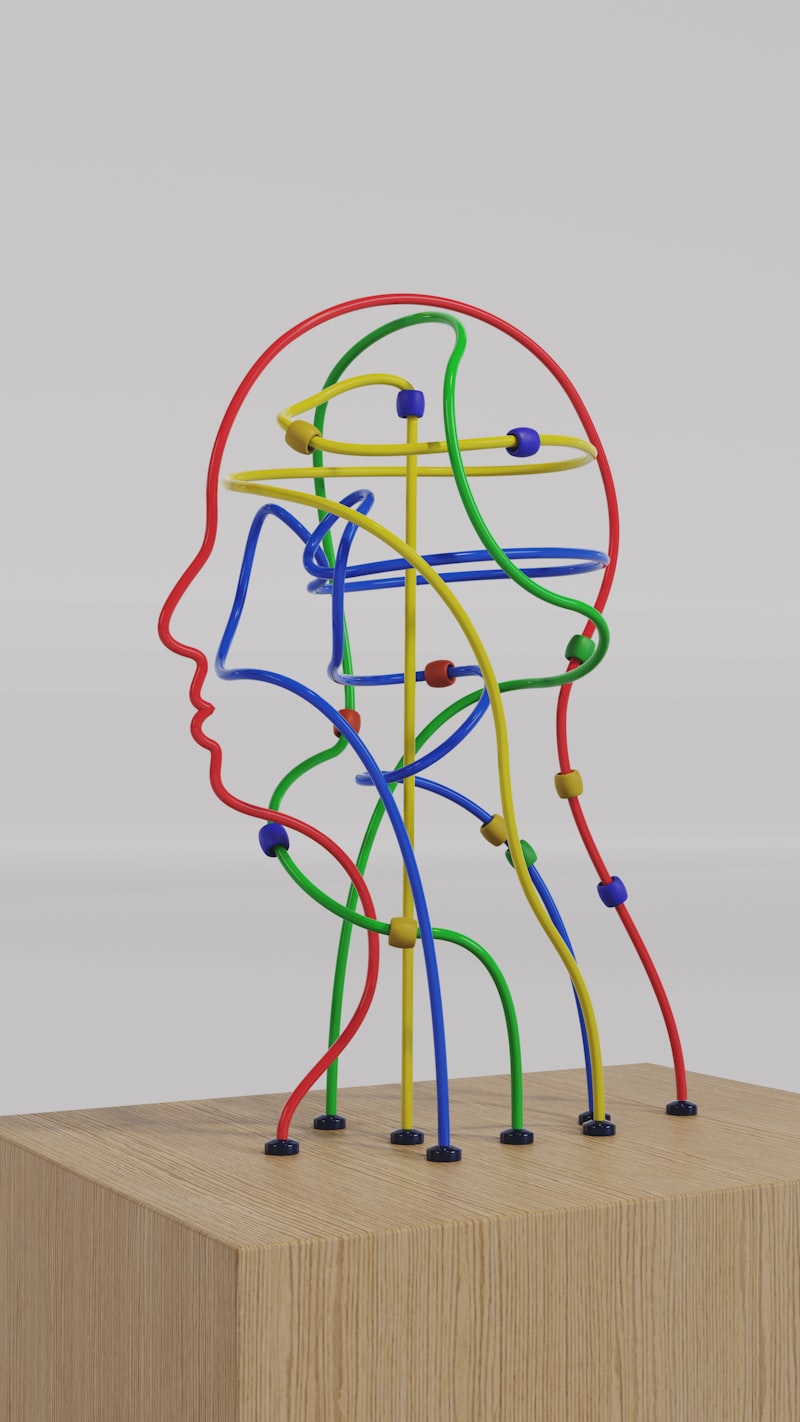
the initial dividing of the psyche into three areas or systems as postulated by Sigmund Freud in 1913. The divided sects are: (i) the system unconscious, comprised of unaware urges clustering around particular drives or instincts; (ii) the system conscious, that permits the person to acclimate to society, differentiate between inner and outer reality, postpone gratification, and anticipate the future; and (iii) the system preconscious, that resides between the unconscious and conscious systems and is comprised of logical, authentic ideas mixed with irrational pictures and fantasies.