Self-Identity: Plastic Surgery and the Transformed Ego
Scientifically Reviewed · Dr. Marwa Abd-Alazim · September 27, 2026
Review Criteria & Clinical Standards
This content undergoes rigorous scientific peer-review and medical editorial standards at Arab Psychology Network to ensure clinical accuracy, validity, and compliance with evidence-based guidelines from leading psychological and healthcare authorities (APA / WHO).
Conceptual Overview of Type-Changing Plastic Surgery
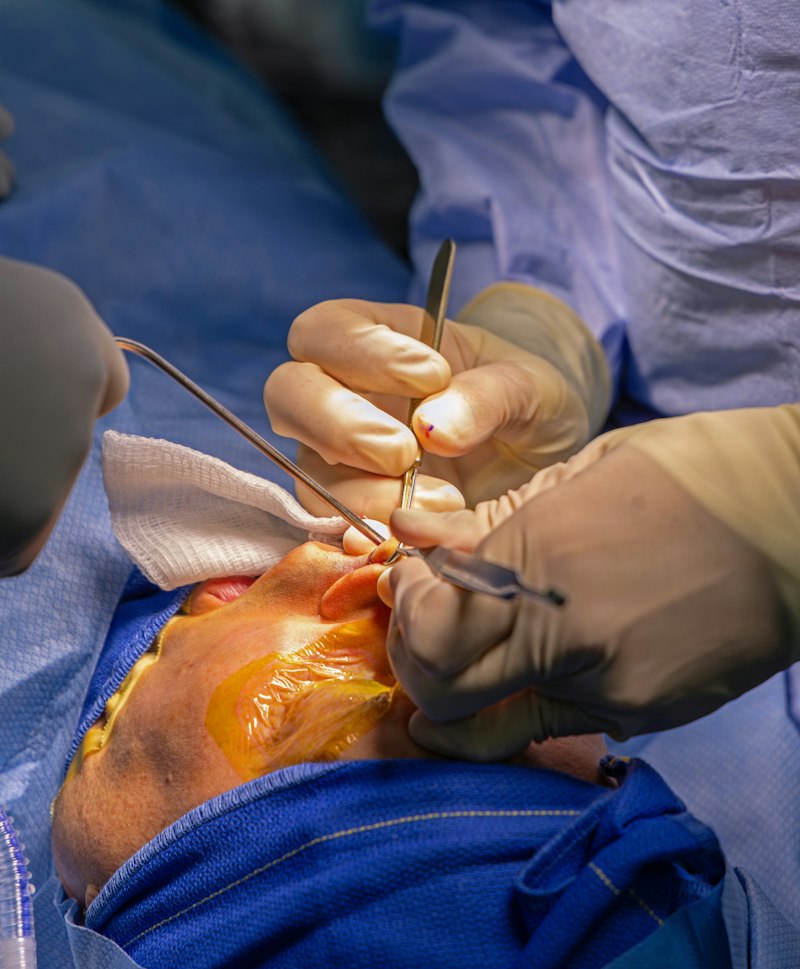
In the contemporary landscape of aesthetic medicine, type-changing plastic surgery represents a paradigm shift from traditional reconstructive and cosmetic procedures. While conventional plastic surgery often focuses on subtle enhancements or the restoration of form following trauma, type-changing procedures are characterized by their dramatic scope and the intent to fundamentally alter an individual’s physical archetype. This emerging field allows patients to move beyond minor adjustments, offering the possibility of a complete physical reinvention. By utilizing a combination of advanced surgical techniques, clinicians can now modify skeletal structures, redistribute significant volumes of soft tissue, and alter the very proportions that define a patient’s body type.
The rise of this specialized branch of surgery is driven by a complex interplay of technological advancement and evolving societal standards of beauty. As surgical precision has increased and recovery times have decreased, the threshold for what constitutes an “acceptable” level of alteration has expanded. Patients seeking type-changing plastic surgery are often motivated by a deep-seated desire to align their external appearance with a specific internal self-image that may differ radically from their biological starting point. This quest for dramatic transformation is no longer viewed as a fringe medical pursuit but is increasingly recognized as a viable path for those seeking to overcome significant dissatisfaction with their natural physical traits.
The following procedures are frequently associated with the broader category of type-changing plastic surgery:
- Full-body contouring and massive weight loss surgery.
- Facial feminization or masculinization surgery.
- Significant skeletal modification, such as jaw repositioning or limb lengthening.
- Extensive tissue grafting and implant placement to alter body proportions.
Ultimately, the objective of these interventions is to provide a breakthrough for patients who feel limited by their genetic predispositions. By enabling a holistic transformation, type-changing plastic surgery addresses both the physical and the psychological dimensions of the human experience. However, the magnitude of these changes necessitates a thorough understanding of the physiological impact, the psychosocial consequences, and the long-term maintenance required to sustain such comprehensive results in a safe and ethical manner.
Psychological Motivations and Impact on Self-Perception
The primary driver behind the pursuit of type-changing plastic surgery is often rooted in the patient’s psychological relationship with their own body. For many, the procedure is not merely about vanity but is a profound attempt to resolve body image dissatisfaction. When an individual’s physical appearance is incongruent with their self-identity, it can lead to chronic distress and social withdrawal. By undergoing a dramatic transformation, patients often report a newfound sense of agency and a significant reduction in the psychological burden associated with their previous appearance. This alignment between the self and the body is a critical component of mental well-being in the modern era.
According to research by Mintz (2018), the successful execution of these procedures can lead to a marked improvement in self-confidence and a more positive outlook on life. The psychological benefits extend beyond simple satisfaction with a new look; they often manifest as increased social engagement, improved professional performance, and a general enhancement in the quality of life. For a patient who has lived with a body type that felt foreign or restrictive, the “breakthrough” of type-changing surgery serves as a catalyst for a more authentic way of living. The shift in self-perception can be so profound that it alters the individual’s entire trajectory, fostering a sense of empowerment that was previously unattainable.
However, it is essential to distinguish between healthy self-improvement and the symptomatic pursuit of surgery driven by underlying psychological disorders. While many experience a boost in self-esteem, the psychological impact is deeply subjective. A patient’s mental health history plays a pivotal role in how they perceive the results of a type-changing procedure. Without a stable psychological foundation, even the most technically successful surgery may fail to produce the desired emotional outcome. Therefore, the psychological motivation must be carefully vetted to ensure that the patient’s expectations are realistic and that the transformative goals are rooted in a healthy desire for change rather than a compulsive need to escape the self.
Physiological Benefits and Health Optimization
Beyond the aesthetic and psychological realms, type-changing plastic surgery can offer substantial physical health benefits. In many cases, these procedures are utilized to address health issues that are intrinsically linked to an individual’s body type or structural composition. For example, individuals who suffer from morbid obesity may utilize type-changing procedures, such as bariatric-related contouring, to remove excess skin and tissue that hinders mobility and causes secondary dermatological issues. This intervention is often a critical step in a broader health strategy aimed at optimizing physiological function and preventing future illness.
As noted by Heid (2018), changing one’s body type can significantly reduce the risk of obesity-related diseases, including type 2 diabetes, hypertension, and various forms of heart disease. When a patient undergoes a dramatic reduction in body mass or a significant structural realignment, the strain on the cardiovascular and musculoskeletal systems is often greatly reduced. This can lead to improved respiratory function, increased physical stamina, and a decrease in chronic pain associated with carrying excess weight or maintaining an imbalanced posture. In this context, type-changing surgery is a proactive medical intervention that extends the patient’s lifespan and enhances their functional capacity.
The health benefits of type-changing surgery can be summarized through the following improvements:
- Enhanced metabolic regulation through the reduction of adipose tissue.
- Improved joint health and mobility due to decreased physical load.
- Reduction in chronic inflammation associated with significant tissue imbalances.
- Better sleep quality and respiratory health following structural facial or body modifications.
Furthermore, the physical changes often incentivize patients to adopt healthier lifestyles to maintain their surgical results. The “reset” provided by a type-changing procedure acts as a powerful motivator for patients to engage in regular exercise and improved nutrition. This synergistic effect between the surgical outcome and the patient’s behavioral changes creates a long-term pathway toward better health. Thus, while the dramatic transformation is the most visible result, the underlying physiological improvements are perhaps the most significant long-term benefits of these complex procedures.
Economic Realities and Financial Considerations
One of the most significant challenges facing patients who desire type-changing plastic surgery is the substantial financial investment required. Because these procedures are often multi-stage and involve highly specialized surgical teams, the total cost can be prohibitive for many individuals. Unlike minor cosmetic tweaks, type-changing surgery often requires extended hospital stays, advanced anesthesia, and a suite of follow-up treatments to ensure proper healing and aesthetic symmetry. As Kassam (2017) points out, the financial burden is not limited to the surgery itself but includes the costs of recovery, specialized garments, and potential time away from work.
Patients must also consider the long-term financial commitment associated with maintaining a transformed appearance. Many type-changing procedures require secondary “touch-up” surgeries or ongoing dermatological care to preserve the integrity of the results. Because these transformations are so extensive, the potential for financial strain is high, especially if complications arise that require additional medical intervention. It is imperative for patients to conduct a thorough cost-benefit analysis and ensure they have the financial stability to manage both the expected and unexpected costs of their journey. Without proper financial planning, the stress of the debt incurred can negate the psychological benefits of the transformation.
The financial landscape of type-changing surgery typically includes:
- Surgeon’s fees for highly specialized expertise.
- Facility and operating room expenses.
- Anesthesia fees for long-duration procedures.
- Costs of post-operative medications and specialized recovery aids.
- Potential lost wages during an extended recovery period.
Furthermore, insurance coverage for type-changing plastic surgery is often limited. While some aspects of the surgery may be deemed medically necessary—such as tissue removal after extreme weight loss—many insurance providers classify these procedures as elective and cosmetic. This leaves the patient to shoulder the majority of the expenses out-of-pocket. Consequently, the accessibility of these life-changing procedures is often restricted by socioeconomic status, raising questions about the equitable distribution of advanced medical transformations and the ethical implications of a “pay-to-transform” healthcare model.
Clinical Challenges and Risk Management
The complexity of type-changing plastic surgery introduces a heightened level of clinical risk compared to standard cosmetic operations. Because these procedures involve extensive tissue manipulation and often multiple anatomical sites, the physiological stress on the patient is significant. Potential risks include surgical site infections, hematomas, seromas, and adverse reactions to anesthesia. Additionally, the risk of thromboembolic events, such as deep vein thrombosis, is increased during long, multi-hour surgeries. Patients must be meticulously screened for pre-existing conditions that could complicate the surgical process or impede the healing trajectory.
Beyond the immediate surgical risks, there is the persistent challenge of unsatisfactory results. In the realm of type-changing surgery, the margin for error is slim, and even a minor asymmetry can be magnified by the scale of the transformation. Kassam (2017) emphasizes that the emotional devastation following a failed or disappointing surgery can be profound, potentially leading to depression or body dysmorphic tendencies. To mitigate these risks, patients must engage in extensive research to find a surgeon with specific expertise in type-changing procedures. Verifying board certifications, reviewing before-and-after portfolios, and seeking multiple consultations are essential steps in the risk management process.
Effective risk management also involves a commitment to post-operative compliance. Patients must strictly adhere to the surgeon’s recovery protocols, which may include restrictive movement, specific dietary requirements, and a rigorous schedule of follow-up appointments. Failure to follow these guidelines can lead to scarring complications, delayed healing, or the total failure of the surgical intervention. The clinical journey of a type-changing procedure is a partnership between the patient and the medical team, requiring transparency, dedication, and a shared understanding of the potential complications that may arise during the transformative process.
Ethical Dimensions and the “Slippery Slope” Hypothesis
The emergence of type-changing plastic surgery has sparked a vigorous debate within the medical community regarding its ethical implications. One of the primary concerns is the “slippery slope” phenomenon, where a patient’s initial success with a dramatic transformation leads to an insatiable desire for further alterations. Heid (2018) suggests that this cycle can result in a loss of perspective, where the patient becomes perpetually dissatisfied with their appearance, regardless of the quality of the surgical outcomes. This raises the question of where medical intervention should end and where the preservation of natural identity should take precedence.
Ethical practitioners must navigate the fine line between patient autonomy and the duty to “do no harm.” There is a significant moral responsibility to ensure that the patient is seeking a transformation for the right reasons and that they possess the psychological resilience to handle the change. When surgeons perform extreme procedures, they must consider whether they are facilitating a healthy transformation or enabling a deeper psychological struggle. The ethics of aesthetic medicine demand that the long-term well-being of the patient be prioritized over the technical ability to perform a requested change. This involves rigorous psychological screening and, in some cases, the refusal to perform a procedure that is deemed unsafe or psychologically detrimental.
Key ethical considerations in this field include:
- The validity of consent when driven by societal pressure or dysmorphia.
- The transparency of outcomes and the avoidance of over-promising results.
- The long-term impact of structural changes on the aging process.
- The responsibility of the surgeon to identify “red flag” behaviors in patients.
Furthermore, the societal implications of type-changing surgery cannot be ignored. As these procedures become more common, they may inadvertently reinforce unrealistic beauty standards and marginalize those who cannot afford or choose not to undergo such transformations. The ethical challenge for the medical community is to provide type-changing options as a tool for genuine self-actualization while simultaneously advocating for a culture that values physical diversity and psychological health above mere aesthetic perfection. Balancing these competing values is essential for the ethical evolution of plastic surgery.
The Role of Informed Consent and Psychological Safeguards
In the context of type-changing plastic surgery, the process of informed consent must be exceptionally robust. Given the life-altering nature of these procedures, it is not enough for a patient to simply sign a form; they must have a comprehensive cognitive and emotional understanding of the risks, benefits, and permanent nature of the changes. This includes a clear discussion of the limitations of surgery and the possibility that the transformation may not resolve all of the patient’s underlying psychological issues. Mintz (2018) highlights the importance of ethical considerations, noting that true consent is only possible when the patient is fully aware of the potential for complications and the reality of the recovery process.
To protect the patient, many surgical practices now implement psychological safeguards, such as mandatory evaluations by mental health professionals prior to scheduling a type-changing procedure. These evaluations are designed to identify Body Dysmorphic Disorder (BDD) or other conditions that might lead to post-surgical regret. By integrating psychological screening into the surgical workflow, clinicians can ensure that the patient has a stable identity and realistic expectations. This holistic approach treats the patient as a whole person, recognizing that a dramatic transformation of the body requires an equally significant preparation of the mind.
The following elements are critical to a comprehensive informed consent process:
- Detailed visualizations or simulations of the expected outcomes.
- A thorough review of all potential surgical risks and side effects.
- An honest discussion of the recovery timeline and lifestyle restrictions.
- An assessment of the patient’s support system during the healing phase.
- A clear explanation of the costs and potential for secondary surgeries.
Ultimately, the goal of these safeguards is to empower the patient to make an informed decision that aligns with their long-term interests. When a patient is fully informed and psychologically prepared, the likelihood of a successful and satisfying outcome is greatly increased. Type-changing plastic surgery, when performed within a framework of transparency and psychological care, can be a powerful tool for positive change. However, the responsibility lies with both the surgeon and the patient to ensure that the transformative journey is built on a foundation of honesty, safety, and mutual respect.
Conclusion
Type-changing plastic surgery represents a significant breakthrough for individuals seeking a dramatic transformation of their physical identity. By offering a path to improved body image, enhanced self-confidence, and optimized physical health, these procedures have the potential to fundamentally improve a patient’s quality of life. The ability to reinvent one’s appearance allows for a unique form of self-actualization that was once the stuff of science fiction but is now a tangible reality for those with the means and the motivation to pursue it.
However, the journey toward a complete transformation is fraught with challenges that must not be overlooked. The financial costs, the inherent clinical risks, and the complex ethical considerations necessitate a cautious and well-researched approach. As the field continues to evolve, it is imperative that the medical community maintains a rigorous standard of care, prioritizing psychological screening and informed consent to protect patients from the potential pitfalls of the “slippery slope.” A successful outcome is defined not just by the aesthetic result, but by the long-term well-being and satisfaction of the individual.
In summary, type-changing plastic surgery is a powerful medical tool that requires a high degree of responsibility from both practitioners and patients. Through extensive research, consultation with qualified professionals, and a clear-eyed understanding of the ethical implications, patients can navigate the complexities of this procedure. When approached with diligence and care, type-changing surgery can indeed provide the breakthrough necessary for a more confident, healthy, and fulfilling life. The future of this field lies in the harmonious integration of surgical excellence and psychological integrity.
References
Heid, M. (2018). The dangers of extreme body makeovers. Healthline. Retrieved from: https://www.healthline.com/health-news/the-dangers-of-extreme-body-makeovers
Kassam, A. (2017). The financial cost of plastic surgery. Forbes. Retrieved from: https://www.forbes.com/sites/alicegwalton/2017/03/02/the-financial-cost-of-plastic-surgery/#2e9ec7b06d2f
Mintz, M. (2018). The importance of ethical considerations in plastic surgery. The Huffington Post. Retrieved from: https://www.huffpost.com/entry/the-importance-of-ethical-considerations-in-plastic-surgery_b_5a7d2f86e4b00f1f71c9d8e1