Gustatory Perception: How Light Cells Shape Your Reality
Scientifically Reviewed · Dr. Marwa Abd-Alazim · August 19, 2026
Review Criteria & Clinical Standards
This content undergoes rigorous scientific peer-review and medical editorial standards at Arab Psychology Network to ensure clinical accuracy, validity, and compliance with evidence-based guidelines from leading psychological and healthcare authorities (APA / WHO).
The Core Definition and Morphology
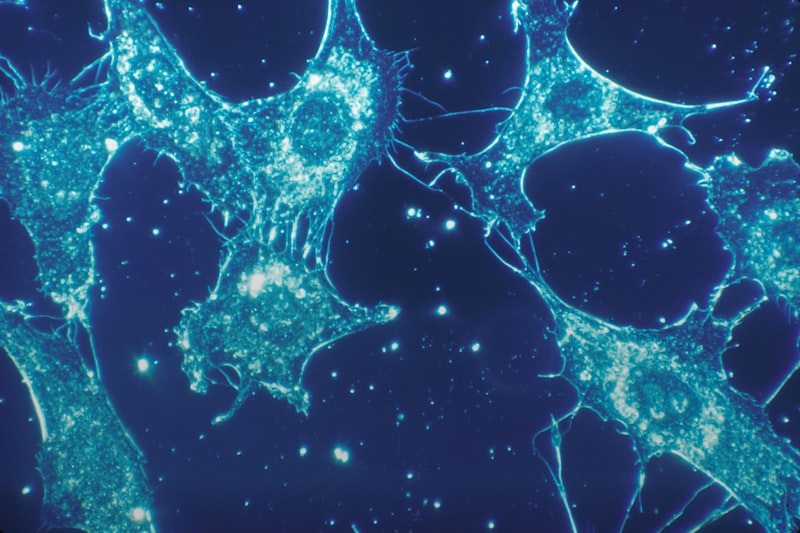
The Type II Taste Receptor Cell, frequently identified in literature as a “light cell” due to its characteristic electron-lucent appearance under electron microscopy, represents a crucial component of the mammalian taste bud structure. These cells are specialized non-neuronal epithelial cells responsible for detecting and initiating the signal transduction pathways for three of the five basic tastes: sweet, bitter, and umami. Unlike Type III cells, which form conventional synapses, Type II cells communicate with afferent nerve fibers primarily through the release of adenosine triphosphate (ATP) via non-synaptic mechanisms. They constitute approximately twenty percent of the total cell population within a mature taste bud, maintaining a vital role in chemosensory discrimination necessary for survival and nutrient intake.
Morphologically, Type II cells are readily distinguishable from their counterparts. They tend to be larger than Type I cells, though their increased volume is generally attributed to greater width rather than extended length, giving them a more robust, sometimes flask-like appearance within the tightly packed taste bud. A defining feature is their apical structure: they send short, blunt microvilli through the apical opening known as the taste pore. These microvilli extend into the oral cavity’s chemical surroundings, where they possess the specific receptor proteins required to bind taste molecules, or tastants. The electron-lucent nature, meaning they absorb fewer electrons and therefore appear lighter in transmission electron micrographs, is often linked to a lower density of cytoplasmic organelles compared to the darker Type I cells.
The fundamental mechanism employed by Type II cells centers on G Protein-Coupled Receptors (GPCRs). These cells are highly specific, meaning a single Type II cell generally expresses receptors for only one taste modality—sweet, bitter, or umami—but not a combination. When a relevant tastant molecule binds to its specific receptor on the microvilli, it triggers an intricate intracellular signaling cascade involving G proteins (specifically gustducin), which ultimately leads to an increase in intracellular calcium concentration. This increase is the critical intermediate step that triggers the non-conventional release of ATP, the primary signaling molecule that excites the adjacent sensory nerve fibers, transmitting the taste signal to the central nervous system for processing and perception.
Historical Context and Discovery
The initial differentiation of taste bud cell types began in the early to mid-20th century, largely through pioneering anatomical studies using light and rudimentary electron microscopy. Researchers observed heterogeneous cell populations within the gustatory system, leading to the classification of cells based primarily on their appearance, size, and staining properties (Type I, II, and III). However, the specific functional roles remained highly speculative for decades. The Type II cell was initially characterized purely on its morphological appearance—a large, pale cell—without knowledge of its precise molecular function.
The true functional identity of the Type II cell was solidified during the molecular revolution in taste research, primarily spanning the late 1990s and early 2000s. Key breakthroughs involved the genetic identification and cloning of the specific GPCRs responsible for bitter (T2Rs), sweet (T1R2/T1R3 heterodimer), and umami (T1R1/T1R3 heterodimer) taste reception. This molecular evidence conclusively demonstrated that these receptors were exclusively localized to the Type II cell population. This discovery shifted the understanding of taste transduction from a general epithelial response to a highly specific, labeled-line model, where dedicated receptor cells like Type II cells handle defined taste qualities.
Researchers like Charles Zuker and Nicholas Ryba were instrumental in this period, leveraging molecular biology techniques to map receptor expression and demonstrate the unique signaling pathways within these cells. This research provided the definitive evidence that Type II cells were the principal receptors for these three crucial taste modalities, overturning older theories that proposed only Type III cells were responsible for transmitting signals via classical neurotransmission. The confirmation that Type II cells utilized ATP as their primary paracrine or neurotransmitter, rather than relying on vesicle fusion and synaptic release, marked a significant paradigm shift in sensory neurobiology.
A Practical Example: Perceiving Bitterness
To understand the intricate function of a Type II cell, consider the everyday experience of tasting something intensely bitter, such as a piece of dark chocolate containing 90% cacao or a dose of unpleasant medication. The bitter taste serves a critical evolutionary function, alerting the organism to potential toxins or spoiled food. This survival mechanism is entirely reliant on the specialized bitter-sensing Type II cells distributed across the tongue, particularly concentrated toward the circumvallate papillae at the back of the mouth.
When the bitter compound enters the mouth, it dissolves in saliva and flows into the taste pore, reaching the apical microvilli of the bitter-specific Type II cells. The process then unfolds in a precise, step-by-step molecular sequence.
- The bitter molecule binds to the specialized T2R (Taste Receptor Type 2) GPCR on the Type II cell membrane.
- This binding activates the associated G protein complex, gustducin, initiating the intracellular cascade.
- The activated gustducin subunit triggers the enzyme phospholipase C (PLC), which hydrolyzes membrane lipids, leading to the production of inositol triphosphate (IP3).
- IP3 then causes the rapid release of calcium ions (Ca2+) from internal stores (the endoplasmic reticulum) into the cytoplasm, dramatically increasing the intracellular calcium concentration.
- This surge of calcium acts as the final trigger, causing the release of large quantities of ATP through specialized channels (like the pannexin-1 channel), effectively sending a robust chemical signal outside the cell.
This released ATP signaling then diffuses locally, activating purinergic receptors on the nearby afferent nerve fibers and potentially modulating the activity of surrounding Type I and Type III cells. The rapid and intense signal sent by the Type II cell is interpreted by the brain as “bitter,” ensuring a near-instantaneous warning response, often manifesting as aversion or rejection of the ingested substance. This entire process demonstrates the efficiency and specificity of the Type II cell as a dedicated chemical sensor.
Significance and Impact on Applied Science
The detailed understanding of Type II cell function has profound significance, moving beyond basic sensory neurobiology into practical applications across several industries. Primarily, these cells provide the molecular targets necessary to manipulate flavor perception. Since Type II cells are the exclusive detectors for sweet and bitter, they are central to the food and pharmaceutical industries. For instance, pharmaceutical companies leverage this knowledge to develop bitter blockers or masking agents that specifically interfere with the T2R receptors on Type II cells, thereby improving the palatability and compliance of necessary medications.
In the realm of food science and nutrition, the Type II cell mechanism is key to developing high-potency sweeteners. By engineering molecules that bind more strongly or efficiently to the T1R2/T1R3 receptors than sucrose does, scientists can create sugar substitutes that provide intense sweetness without caloric load. Furthermore, understanding the slight genetic variations in T2R receptors—such as the sensitivity to phenylthiocarbamide (PTC) or propylthiouracil (PROP)—allows researchers to explain why taste sensitivity varies dramatically among individuals, impacting dietary preferences and health outcomes, particularly concerning fat and sugar consumption.
Beyond commercial applications, the Type II cell model is critical for understanding chemosensation more broadly. The discovery of their unique non-synaptic ATP release mechanism has spurred research into similar signaling pathways in other sensory systems and epithelial tissues. This research illuminates how specialized, non-neuronal cells can act as primary sensory transducers, effectively bridging the gap between external chemical stimuli and the internal neural network, offering new models for studying sensory processing disorders and enhancing our overall comprehension of the complex interface between the environment and the nervous system.
Connections and Relations to Other Concepts
Type II cells operate within a highly integrated cellular network and are closely linked to several major psychological and biological concepts. Their function is inseparable from the overall concept of Taste Transduction, which refers to the entire chemical signaling process by which tastants are converted into neural signals. Crucially, Type II cells rely on Type I cells and Type III cells for the complete functioning of the taste bud. Type I cells (dark cells) are thought to be glial-like supportive cells that maintain the ionic environment and may function to clear neurotransmitters, while Type III cells (presynaptic cells) are the exclusive sensors for sour taste and are the only taste cells that form classical, conventional synapses with afferent nerve fibers.
The signaling mechanism utilized by Type II cells places them squarely within the broader category of signaling mediated by G Protein-Coupled Receptors. GPCRs are one of the largest and most important families of signaling proteins in the human body, involved in processes ranging from vision and olfaction to hormone regulation. The Type II cell provides an accessible and well-characterized example of GPCR signaling specificity in a sensory context, utilizing a dedicated G protein (gustducin) and a unique downstream cascade involving IP3 and calcium release, demonstrating the evolutionary adaptation of a common signaling mechanism for a highly specific sensory purpose.
The broader category of psychology to which the study of Type II cells belongs is Sensory Psychology and Neurobiology, particularly the subfield of Chemosensation. Chemosensation encompasses the senses that respond to chemical stimuli, including taste (gustation) and smell (olfaction). While olfaction utilizes a different epithelial structure and neural pathway, both systems fundamentally rely on highly specific GPCRs to detect thousands of unique molecules. The detailed mechanism of the Type II cell provides a foundational pillar for understanding how peripheral sensory organs translate complex chemical information into actionable neural code, a process essential for perception, learning, and behavior related to feeding and avoiding danger.