Cognitive Overload: Why Your Brain Struggles with Tech
Scientifically Reviewed · Dr. Marwa Abd-Alazim · September 22, 2026
Review Criteria & Clinical Standards
This content undergoes rigorous scientific peer-review and medical editorial standards at Arab Psychology Network to ensure clinical accuracy, validity, and compliance with evidence-based guidelines from leading psychological and healthcare authorities (APA / WHO).
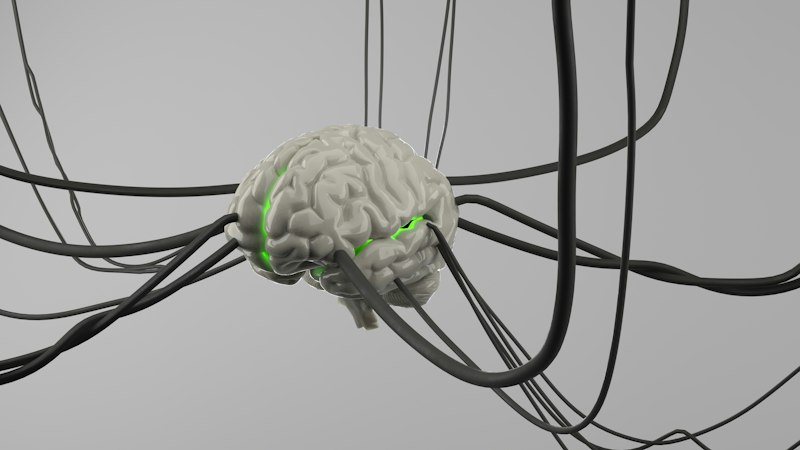
The Conceptual Framework of Warning Overload
In the contemporary digital landscape, the integration of technology into the fabric of daily existence has reached an unprecedented level of ubiquity. From the pervasive use of smartphones and high-performance computers to the sophisticated automation found within modern smart homes, technological interfaces serve as the primary conduit for information exchange, social interaction, and professional productivity. However, this seamless integration has facilitated a significant psychological and operational byproduct known as warning overload. This phenomenon describes a state in which an individual is subjected to an excessive volume of alerts, notifications, and cautionary messages from a multitude of digital sources, exceeding the user’s cognitive capacity to process and respond effectively to each signal. Researchers have dedicated significant resources to studying this occurrence, revealing that the constant influx of data does not merely represent a minor inconvenience but rather a complex psychological challenge that fundamentally alters user behavior, compromises personal health, and undermines systemic safety protocols.
The etiology of warning overload is deeply rooted in the design philosophies of modern software and hardware developers who prioritize user awareness through persistent signaling. Every application, operating system, and connected device is programmed to demand attention for a variety of reasons, ranging from critical security patches to mundane social media updates. When these signals aggregate, they create a chaotic informational environment where the importance of any single message is diluted by the sheer presence of others. This dilution is particularly problematic in professional and personal settings where the inability to distinguish between high-priority alerts and low-priority noise can lead to catastrophic failures in decision-making. As the number of connected devices per person continues to rise, the threshold for cognitive saturation is frequently breached, making warning overload a defining characteristic of the information age.
Understanding warning overload requires a comprehensive examination of how the human brain manages sensory inputs and attention. In an ideal scenario, a warning functions as a heuristic trigger, prompting an immediate and appropriate response to a specific stimulus. However, when the frequency of these triggers increases beyond a manageable limit, the brain’s executive functions become taxed. This leads to a degradation in the quality of attention, as the individual must constantly switch tasks or re-evaluate the relevance of incoming data. The long-term implications of this state are profound, often resulting in a persistent sense of mental exhaustion and a significant decrease in the user’s ability to maintain situational awareness. Consequently, the very systems designed to protect and inform the user end up contributing to a state of confusion and informational paralysis.
The Proliferation of Alerts in Digital Ecosystems
The primary catalysts for warning overload are found within the most common digital tools utilized today, specifically smartphones and personal computers. These devices are configured to provide real-time feedback and status updates, creating a continuous stream of interaction. Users are frequently bombarded with a diverse array of notifications, including system update reminders, requests for software permissions, data synchronization alerts, and security warnings. Each of these prompts requires a moment of the user’s time and a sliver of their cognitive resources. Over the course of a single day, a user may encounter hundreds of such interruptions, many of which appear at times when the user is attempting to focus on complex tasks or engage in rest. This relentless barrage ensures that the user is never truly disconnected from the demands of their digital environment.
The overwhelming nature of these notifications often leads to a paradoxical outcome where the user stops paying attention to the content of the warnings altogether. When the cost of processing a warning (in terms of time and mental effort) exceeds the perceived benefit of the information, the user develops a habit of rapid dismissal. This behavior is characterized by the reflexive clicking of “OK” or “Ignore” buttons without reading the underlying text. Such automated responses are dangerous because they circumvent the critical thinking process necessary to evaluate the risks associated with a particular action. For instance, a user might inadvertently grant a malicious application access to sensitive personal files or financial data simply because the permission request looked identical to a dozen other harmless prompts they encountered earlier that hour.
Furthermore, the diversity of sources contributes to the complexity of the overload. In a typical smart home environment, alerts may originate from security cameras, kitchen appliances, climate control systems, and entertainment hubs. Each device utilizes its own unique signaling method—be it a chime, a push notification, or a visual indicator—adding to the sensory complexity of the environment. Without a centralized or standardized method for prioritizing these signals, the user is left to navigate a fragmented landscape of alerts. This lack of cohesion in warning delivery systems exacerbates the feeling of being overwhelmed, as the user must constantly recalibrate their attention to different types of stimuli from different manufacturers, each claiming that their specific notification is of the utmost importance.
The Psychological Mechanism of Warning Fatigue
One of the most critical and well-documented consequences of warning overload is a phenomenon known as warning fatigue. This condition occurs when a person is exposed to such a high frequency of alerts that they become psychologically desensitized to the information being presented. Much like sensory adaptation, where the brain begins to ignore a persistent background noise, warning fatigue causes the individual to become “numb” to the urgency typically associated with cautionary signals. As the perceived value of a warning decreases, the user’s motivation to investigate or act upon it diminishes accordingly. This transition from active engagement to passive dismissal represents a significant shift in human-computer interaction and poses a major threat to safety-critical systems.
The transition into warning fatigue is often gradual. Initially, a user may feel prompted to read every alert, but as the volume increases, they begin to employ filtering strategies. Unfortunately, these strategies are often flawed, as the brain tends to prioritize the speed of task completion over the thoroughness of information processing. Over time, the disregard for warnings becomes a learned behavior. When a user repeatedly ignores warnings without experiencing immediate negative consequences, the behavior is reinforced through a process of negative reinforcement. They learn that ignoring the “annoying” pop-up allows them to continue their work more quickly, and since the system does not crash immediately, they assume the warning was unnecessary. This creates a false sense of security that can be shattered when a truly critical threat eventually emerges.
Research into warning fatigue highlights the serious implications for both individual and organizational safety. In high-stakes environments, such as healthcare or industrial control rooms, the failure to respond to a single alert due to fatigue can result in life-threatening errors. However, even for the average consumer, the risks are substantial. When a person becomes accustomed to dismissing security alerts, they are significantly more likely to ignore signs of cybersecurity breaches, such as unauthorized login attempts or system vulnerability notifications. The psychological barrier that once protected the user from making risky decisions is effectively eroded by the sheer volume of non-essential information, leaving them vulnerable to the very dangers the warnings were intended to prevent.
Cognitive and Emotional Impacts of Alert Overload
Beyond the immediate behavioral changes, warning overload exerts a heavy emotional toll on users, manifesting as increased levels of stress and anxiety. The constant “pinging” of devices creates a state of perpetual interruption, which prevents users from achieving a state of “flow” or deep concentration. This chronic fragmentation of attention is linked to higher cortisol levels and a persistent feeling of being “on edge.” Users often report feeling overwhelmed by the demands of their technology, leading to a sense of resentment toward the devices that were supposed to make their lives easier. The psychological pressure to stay updated and responsive to every notification contributes to a modern form of technostress that can have long-term effects on mental well-being.
A significant factor in this stress is the perceived loss of control. When a device generates warnings and notifications that the user cannot easily disable or manage, it creates a power imbalance between the human and the machine. The user feels compelled to react to the device’s schedule rather than their own, leading to a diminished sense of autonomy. This feeling of being at the mercy of one’s notifications can lead to frustration and a decrease in overall life satisfaction. In some cases, the anxiety becomes so acute that users may experience “phantom vibration syndrome,” where they mistakenly believe their phone is notifying them even when it is not, indicating a heightened state of psychological hyper-vigilance.
The cognitive impact also extends to productivity and focus. Every time a user is interrupted by a warning, there is a “switching cost” associated with moving their attention away from their primary task and then attempting to return to it. Studies suggest that it can take several minutes to regain the same level of focus after a significant interruption. In an environment of warning overload, these costs accumulate, leading to a substantial decrease in efficiency and a higher likelihood of errors in the primary task. The resulting cognitive load makes it difficult for users to engage in complex problem-solving or creative thinking, as their mental energy is constantly being siphoned off by the need to manage a digital environment that is designed to be intrusive.
Security Vulnerabilities and Behavioral Risks
The intersection of warning overload and cybersecurity is one of the most concerning areas for researchers and safety experts. When users are inundated with security-related prompts—such as certificate warnings, firewall alerts, and password change reminders—they often stop evaluating the specific context of each request. This behavioral pattern is a goldmine for malicious actors who rely on social engineering and user error to gain access to protected systems. A hacker does not always need to bypass a sophisticated firewall if they can simply trigger a notification that the user is likely to click “Allow” on without thinking. The erosion of the user’s critical faculty through overload effectively creates a massive security hole that is difficult to patch with software alone.
Common mistakes resulting from this state include the downloading of malicious software disguised as legitimate updates and the failure to perform essential data backups. Because backup reminders are often perceived as intrusive or time-consuming, they are frequently dismissed or postponed indefinitely. When a system failure or ransomware attack eventually occurs, the user finds themselves without a recovery path, all because the warning intended to prevent this situation was lost in the noise of daily notifications. Similarly, ignoring warnings about system vulnerabilities can leave a device open to exploitation for months, providing ample time for attackers to exfiltrate sensitive data or monitor user activity without detection.
To illustrate the gravity of these risks, consider the following common consequences of ignored warnings:
- Data Breach: Unauthorized access to personal or corporate information due to ignored security certificate warnings.
- Malware Infection: The installation of viruses or spyware through reflexive “OK” clicks on suspicious download prompts.
- System Failure: Critical hardware or software crashes resulting from neglected maintenance alerts and update notifications.
- Identity Theft: The compromise of financial accounts after ignoring alerts regarding suspicious login activity from unrecognized locations.
Each of these outcomes demonstrates that the failure of the warning system is not a failure of the technology itself, but a failure of the human-centric design to account for the limits of user attention and the psychological impact of overload.
Mitigation Strategies for Users and Organizations
Combating the effects of warning overload requires a multi-faceted approach involving both individual behavioral changes and systemic design improvements. For the individual user, the first step is self-awareness. Recognizing that warning fatigue is a real psychological state allows users to take proactive measures to regain control over their digital environment. This involves being highly selective about which notifications are permitted. Users should audit their device settings to disable non-essential alerts, ensuring that only the most critical information is allowed to interrupt their workflow. By reducing the volume of “noise,” the user can restore the “signal” value of important warnings, making it easier to pay attention when it truly matters.
In addition to being selective, users must cultivate a habit of mindful interaction with their devices. This means resisting the urge to reflexively dismiss pop-ups and instead taking the few seconds necessary to read and understand the implications of a warning. While this may slightly slow down the user’s immediate task, the long-term benefits in terms of security and data integrity are immense. Organizations can support this by implementing training programs that educate employees on the dangers of warning fatigue and provide clear protocols for handling different types of alerts. When employees understand the “why” behind a security prompt, they are much more likely to treat it with the necessary gravity.
From a technical standpoint, developers and manufacturers have a responsibility to design more intelligent notification systems. Rather than treating all alerts with the same level of urgency, systems should be capable of prioritizing warnings based on the current context and the severity of the threat. For example, a system could suppress non-essential updates during a user’s known working hours or utilize different sensory modalities (such as haptic feedback vs. audio) to distinguish between a low-battery warning and a potential security breach. By designing for the human element and respecting cognitive limits, the tech industry can move toward a future where technology assists rather than overwhelms the user.
The Role of System Design and Human-Computer Interaction
The study of Human-Computer Interaction (HCI) provides essential insights into how warning systems can be optimized to avoid overload. Experts in this field argue that the current “push” model of notifications, where the system decides when to interrupt the user, is fundamentally flawed for high-volume environments. Instead, a shift toward a more “pull-based” or context-aware model could mitigate many of the issues associated with fatigue. In such a model, the system might aggregate non-urgent warnings into a single daily summary, allowing the user to review them at a time of their choosing, while reserving intrusive interruptions only for immediate, high-stakes dangers.
Standardization is another critical factor in reducing the cognitive load on users. Currently, every application has its own visual language for warnings, forcing users to learn and interpret dozens of different interfaces. If the industry were to adopt a standardized warning taxonomy—using consistent colors, icons, and language to represent specific levels of risk—users could process information much more efficiently. Much like the standardized road signs used in physical traffic, a digital standard would allow for rapid, accurate recognition of threats, reducing the mental effort required to navigate a complex software environment. This would go a long way in preventing the “numbness” that arises from inconsistent and confusing signaling.
Ultimately, the goal of improved system design should be to enhance the user’s situational awareness without causing distress. This involves a delicate balance between keeping the user informed and respecting their mental space. As artificial intelligence and machine learning become more integrated into operating systems, there is potential for devices to “learn” a user’s habits and preferences, automatically filtering out the alerts that the user typically finds irrelevant while ensuring that critical security patches are highlighted. By leveraging technology to solve the problems created by technology, we can create a more sustainable and safer digital ecosystem for all users.
Summary and Future Outlook
Warning overload is a significant and growing challenge that serves as an unfortunate byproduct of our increasingly digital lives. It is a phenomenon that transcends simple annoyance, impacting psychological health, cognitive performance, and systemic security. Through the mechanisms of warning fatigue and desensitization, the very alerts designed to keep us safe and informed often achieve the opposite, leading to a culture of reflexive dismissal and increased vulnerability. The emotional consequences, including heightened stress and a loss of autonomy, further underscore the need for a comprehensive re-evaluation of how we interact with our devices and how those devices interact with us.
As we look to the future, the prevalence of warning overload is likely to increase unless significant changes are made in both user behavior and system design. The expansion of the Internet of Things (IoT) means that even more objects in our daily environment will have the capacity to generate alerts, potentially leading to a total saturation of our sensory landscape. Addressing this will require a concerted effort from researchers, developers, and users alike. By prioritizing human-centric design, implementing intelligent filtering, and fostering a culture of digital mindfulness, we can mitigate the risks of overload and ensure that technology remains a beneficial tool rather than a source of constant stress.
In conclusion, the mastery of our digital environments requires us to be vigilant not only against external threats like hackers and malware but also against the internal threat of cognitive exhaustion. By understanding the psychological foundations of warning overload and taking active steps to manage our notification ecosystems, we can protect our mental well-being and maintain the security of our personal data. The references provided below offer further academic and practical insights into this critical issue, providing a foundation for those who wish to explore the nuances of alert management and human behavior in the digital age.
Bibliographic References
- Gill, C. (2019). Warning fatigue: The unintended consequences of too many warnings. Interaction Design Foundation. Retrieved from: https://www.interaction-design.org/literature/article/warning-fatigue-the-unintended-consequences-of-too-many-warnings
- Liao, J., & Shih, T. L. (2015). Warning overload: Effects on usability and user satisfaction. International Journal of Human-Computer Interaction, 31(7), 463-475. doi:10.1080/10447318.2014.942300
- Pryor, J. (2017). How to deal with alert overload. Help Net Security. Retrieved from: https://www.helpnetsecurity.com/2017/07/26/alert-overload/