Hydrocephalus: Navigating the Fluid Brain
Scientifically Reviewed · Dr. Marwa Abd-Alazim · September 17, 2026
Review Criteria & Clinical Standards
This content undergoes rigorous scientific peer-review and medical editorial standards at Arab Psychology Network to ensure clinical accuracy, validity, and compliance with evidence-based guidelines from leading psychological and healthcare authorities (APA / WHO).
Defining Hydrocephalus: The Concept of “Water on the Brain”
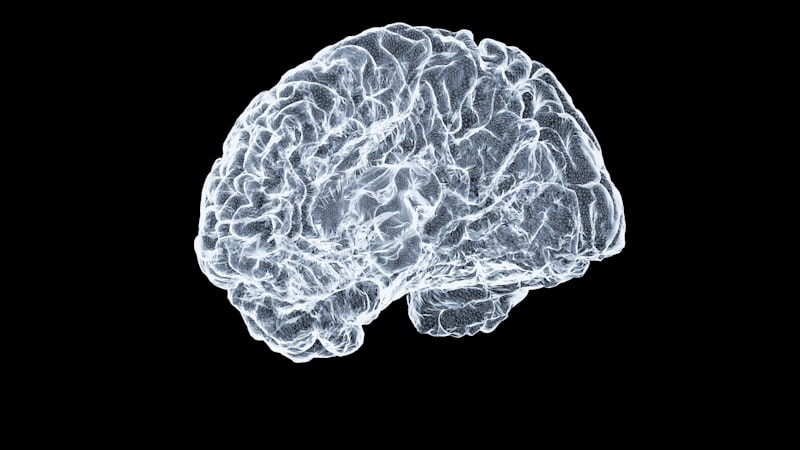
Hydrocephalus, often colloquially referred to as “water on the brain,” is a serious neurological condition characterized by the abnormal accumulation of cerebrospinal fluid (CSF) within the cerebral ventricles. This accumulation results from a fundamental imbalance between the production, circulation, and absorption of CSF. The ventricles, a system of interconnected cavities deep within the brain, are responsible for producing this clear, colorless fluid, which serves critical functions, including cushioning the brain and spinal cord, providing nutrients, and removing metabolic waste. As CSF volume increases within these confined spaces, it exerts significant pressure on the surrounding brain tissue, leading to the condition known as increased intracranial pressure (ICP). The severity of the resulting neurological deficits is directly proportional to the rate and magnitude of this pressure increase and the subsequent degree of ventricular expansion (Campbell & Weaver, 2019).
The distinction between communicating and non-communicating hydrocephalus is pivotal in understanding its diverse presentations. Non-communicating hydrocephalus, also termed obstructive hydrocephalus, occurs when the flow of CSF is physically blocked within the ventricular system itself, preventing its passage into the subarachnoid space. This blockage most often occurs at narrow anatomical junctures. Conversely, communicating hydrocephalus arises when the impairment occurs after the CSF has exited the ventricular system, typically due to issues with reabsorption at the arachnoid villi, often secondary to inflammatory processes or hemorrhage. Both forms share the common consequence of ventricular enlargement (ventriculomegaly), but their underlying causes and, importantly, their surgical management strategies differ significantly. Understanding this classification is the first step toward deciphering the complex pathophysiology inherent in this disorder.
The historical context of hydrocephalus reveals a long-standing challenge in neurological medicine. While modern neurosurgical techniques have revolutionized treatment, the condition remains a leading cause of neurological morbidity, particularly in the pediatric population. The clinical presentation of hydrocephalus is highly variable, depending heavily on the patient’s age and the chronicity of the condition. In infants, whose cranial sutures have not yet fused, the most noticeable sign is usually rapid head circumference growth. In older children and adults, where the skull is rigid, the pressure buildup is more acute, manifesting quickly as intense headaches, visual disturbances, and profound cognitive decline (Mesiwala & Kestle, 2016). The insidious nature of some forms requires vigilant monitoring and early intervention to mitigate the risk of permanent brain damage and mortality.
The Pathophysiology of Cerebrospinal Fluid (CSF) Dynamics
The normal physiology of CSF is a delicate homeostatic process, crucial for maintaining the mechanical and chemical stability of the central nervous system. CSF is primarily produced by the choroid plexus located within the lateral, third, and fourth ventricles through a process involving both active secretion and passive filtration. The human nervous system typically produces approximately 500 milliliters of CSF per day, maintaining a total circulating volume of about 150 milliliters at any given time, meaning the entire volume is replaced several times daily. This constant turnover is essential for rapid nutrient delivery and the removal of metabolic waste products from the neuronal environment. The fluid follows a specific circulatory pathway: from the lateral ventricles, through the interventricular foramen (of Monro) into the third ventricle, and then via the narrow aqueduct of Sylvius into the fourth ventricle, before exiting into the subarachnoid space through the foramina of Magendie and Luschka.
Disruptions to this streamlined circulatory pathway are the immediate mechanisms responsible for hydrocephalus. Pathophysiologically, the condition can be categorized based on the specific mechanism of failure: overproduction, obstruction of flow, or impaired absorption. While overproduction (most often due to rare tumors like choroid plexus papilloma) is statistically the least common cause, obstruction of flow—particularly at vulnerable narrow points such as the Aqueduct of Sylvius—is a frequent cause of non-communicating hydrocephalus. Impaired absorption, which occurs after the fluid has entered the subarachnoid space, is often secondary to inflammation, subarachnoid hemorrhage, or infection that damages the arachnoid villi or granulations, and is the primary mechanism underlying communicating hydrocephalus. Regardless of the proximal cause, the distal effect is the same: the rate of CSF accumulation exceeds the system’s capacity, leading to dangerously high intracranial pressures and the mechanical distortion known as ventriculomegaly.
The mechanical consequences of unchecked CSF accumulation are profound and directly contribute to neurological morbidity. As the CSF volume increases, the brain parenchyma is compressed against the rigid inner surface of the skull, leading to severe consequences for neurological function. This compression compromises blood flow, leading to periventricular ischemia and subsequent neuronal death, particularly affecting the critical periventricular white matter tracts that carry essential motor and cognitive pathways. Furthermore, the elevated pressure can physically distort and stretch the axons, leading to demyelination and functional disconnection between critical brain regions (Holland & Kestle, 2017). The resulting clinical symptoms—including motor and cognitive deficits—are direct sequelae of this cellular and structural damage. Understanding the specific point of failure in the CSF pathway is crucial for neurosurgeons planning intervention, as treatments are tailored precisely to bypass or alleviate the identified obstruction or absorption deficiency.
Clinical Manifestations and Symptomology
The clinical presentation of hydrocephalus varies dramatically depending on the patient’s age and whether the condition is acute or chronic. In infants, whose cranial sutures are not yet fused, the pliable skull allows for expansion, partially buffering the increase in ICP. Key signs in this population include rapid increase in head circumference (macrocephaly), a tense or bulging fontanelle (soft spot), distended scalp veins, and the characteristic downward gaze of the eyes known as the “setting sun” sign. Infants may also exhibit non-specific signs of distress, such as irritability, poor feeding, high-pitched crying, and progressive lethargy. The ability of the skull to expand means that symptoms of severely increased ICP, such as headache, may be absent or delayed compared to older patients, making early recognition reliant on careful measurement of head circumference.
In older children and adults, the skull is a rigid, fixed container, meaning that even small increases in CSF volume rapidly translate into severe intracranial hypertension, often necessitating emergency management. The hallmark symptom in this group is a persistent, severe headache, which is often described as generalized, worst in the morning upon waking, and sometimes exacerbated by certain positions or activities. This intense pain is frequently accompanied by nausea and projectile vomiting, often occurring suddenly without preceding feelings of sickness. Other acute symptoms include papilledema (swelling of the optic nerve head due to elevated pressure transmitted along the optic sheath), double vision (diplopia), and significant alterations in consciousness, ranging from drowsiness and apathy to stupor or coma. The appearance of these acute signs signals the urgent need for neurosurgical intervention.
Beyond the acute pressure symptoms, chronic hydrocephalus often leads to long-term motor and cognitive deficits (Mesiwala & Kestle, 2016). Cognitive impairments frequently center on executive function, memory, attention span, and processing speed, resulting in specific learning difficulties in pediatric patients and major organizational challenges in adults. Motor symptoms commonly include gait disturbances (ataxia), difficulties with balance, and spasticity, reflecting the irreversible damage to the periventricular white matter and motor control pathways. In the elderly, a specific presentation known as Normal Pressure Hydrocephalus (NPH) involves a triad of symptoms: gait disturbance, urinary incontinence, and dementia. The overall degree of intellectual and physical impairment is closely linked to the duration of the elevated pressure, the underlying etiology, and the success of timely surgical intervention.
Genetic and Inherited Determinants of Hydrocephalus
The etiology of hydrocephalus is often rooted in the genetic code, as a substantial proportion of congenital cases are associated with defined inherited factors. The search for specific genes has identified several loci whose mutations are strongly linked to hydrocephalic conditions. One of the most well-characterized examples involves mutations in the L1CAM gene, which is located on the X chromosome. Mutations in L1CAM lead to X-linked hydrocephalus, formerly known as Bickers-Adams syndrome, which is typically characterized by severe aqueductal stenosis, mental retardation, and adducted thumbs. L1CAM encodes a neuronal cell adhesion molecule that is critical for the development of the central nervous system, and its dysfunction profoundly disrupts the formation of key structures involved in CSF circulation (Finn et al., 2019).
Furthermore, other complex molecular pathways, such as those involving the WNT signaling cascade, have been implicated in abnormal neurodevelopment leading to hydrocephalus. For example, mutations in genes like WNT1, which plays a pivotal role in regulating cell proliferation, migration, and differentiation during early embryonic development, have been linked to congenital hydrocephalus. These mutations are hypothesized to disrupt the normal morphogenic processes that shape the brain and its ventricular system, ultimately resulting in structural anomalies that cause an abnormal accumulation of CSF. Identifying these specific genetic markers is increasingly important for offering precise genetic counseling to affected families and potentially for developing targeted molecular therapies that address the primary underlying cause of the disease, rather than solely the mechanical consequence.
Beyond single-gene disorders, certain large-scale chromosomal abnormalities are recognized risk factors for hydrocephalus. Specifically, severe conditions like Trisomy 18 (Edwards syndrome) are frequently associated with an increased incidence of hydrocephalus due to global developmental errors (Aoki et al., 2016). In these situations, the hydrocephalus is typically one feature within a constellation of severe congenital anomalies affecting multiple organ systems. The mechanism often relates to widespread developmental errors in the central nervous system architecture, leading to structural inadequacies in the CSF pathways. The recognition of these genetic links underscores the complexity of hydrocephalus pathophysiology, emphasizing that it is not always a purely mechanical problem but often a disorder stemming from disrupted neurodevelopmental programming.
Anatomical Obstructions and Structural Abnormalities
A large subset of hydrocephalus cases is classified as obstructive, resulting from a palpable, structural barrier that prevents the free movement of CSF through the ventricular system. The most common anatomical abnormality leading to non-communicating hydrocephalus is aqueductal stenosis, a condition defined by the congenital or acquired narrowing of the Aqueduct of Sylvius (Holland & Kestle, 2017). Because this duct connects the third and fourth ventricles and is the narrowest passageway in the entire ventricular system, it is highly susceptible to congenital narrowing, inflammatory scarring (gliosis) following infections, or external compression by localized tumors or cysts. When the aqueduct is blocked, CSF rapidly accumulates upstream in the lateral and third ventricles, causing significant, acute ventricular enlargement and pressure.
Another major anatomical contributor is the Arnold-Chiari malformation, particularly the Type II variant, which is strongly associated with hydrocephalus (Mesiwala & Kestle, 2016). This complex malformation is characterized by the downward displacement (herniation) of the cerebellar tonsils and parts of the brainstem through the foramen magnum into the spinal canal. This displacement physically obstructs the normal flow of CSF as it attempts to exit the fourth ventricle and circulate around the brainstem and spinal cord. Furthermore, the Chiari malformation often co-occurs with myelomeningocele, significantly complicating both the surgical management and the overall neurological prognosis for the patient. The resulting hydrocephalus in Chiari Type II is often a mixed presentation, exhibiting features of both obstructive flow failure and impaired absorption due to structural distortion and secondary chronic inflammation in the cisterns.
Acquired structural abnormalities also contribute significantly to the burden of hydrocephalus. These can include intracranial hemorrhages (such as intraventricular hemorrhage frequently seen in premature infants), brain tumors, and large cystic lesions. Tumors, depending on their precise location, can obstruct CSF flow directly by physically blocking a ventricle or the aqueduct, or indirectly by compressing the surrounding brain tissue and disrupting venous outflow, which exacerbates ICP. Post-hemorrhagic hydrocephalus, common in neonates, arises because the breakdown products of blood irritate and scar the meningeal linings and arachnoid granulations, leading to chronic impairment of CSF absorption. Therefore, meticulous anatomical considerations derived from advanced imaging studies often dictate the immediate surgical strategy required to divert or restore effective CSF circulation.
Environmental and Acquired Risk Factors
While genetic and developmental factors account for a significant percentage of congenital hydrocephalus, environmental factors and acquired injuries play a crucial and often preventable role, affecting individuals both prenatally and postnatally. Teratogens, substances capable of causing birth defects when exposure occurs during critical periods of fetal development, are a recognized risk. For example, the historical use of certain medications, such as the immunomodulatory drug thalidomide, during the first trimester of pregnancy has been robustly linked to an increased risk of hydrocephalus in infants, documented in comprehensive epidemiological studies (Campbell & Weaver, 2019). These environmental exposures disrupt the complex process of neurogenesis and structural formation, leading to anomalies in the ventricular system or surrounding structures that predispose the fetus to CSF flow obstruction.
Infectious agents represent another major environmental risk factor. Exposure to certain intrauterine infections during gestation can cause severe inflammation within the fetal central nervous system. Pathogens such as rubella (German measles), toxoplasmosis, cytomegalovirus (CMV), and syphilis have all been linked to an increased risk of congenital hydrocephalus (Mesiwala & Kestle, 2016). These pathogens can cause ventriculitis, an inflammation of the lining of the ventricles, which often results in scarring (gliosis) of the aqueduct or direct damage to the arachnoid granulations. This leads to irreversible obstruction (non-communicating) or absorptive failure (communicating) hydrocephalus. Preventing these congenital infections through maternal vaccination, hygiene practices, and comprehensive prenatal screening remains a critical public health strategy for reducing the incidence of environmentally induced hydrocephalus.
In older children and adults, hydrocephalus is frequently acquired secondary to significant trauma or infectious disease processes. Traumatic brain injury (TBI), particularly those resulting in subarachnoid hemorrhage (SAH), and severe bacterial or viral meningitis are common triggers. Following TBI or SAH, blood products flood the subarachnoid space. The subsequent inflammatory reaction and scarring of the delicate arachnoid granulations severely compromise their ability to reabsorb CSF, resulting in communicating hydrocephalus. Similarly, meningitis causes intense inflammation of the meninges, leading to post-infectious scarring and subsequent hydrocephalus. The management of acquired hydrocephalus often involves addressing both the underlying insult (e.g., controlling infection or hemorrhage) and the resultant fluid imbalance through surgical diversion, often resulting in a complex, chronic condition requiring long-term care.
Diagnosis, Management, and Prognosis
The effective diagnosis of hydrocephalus relies heavily on advanced neuroimaging techniques integrated with a careful clinical history and neurological examination. In infants, preliminary diagnosis can often be made using non-invasive cranial ultrasound through the open fontanelle to visualize ventricular size and detect intraventricular hemorrhage. However, the definitive diagnostic modalities are Computed Tomography (CT) and Magnetic Resonance Imaging (MRI). CT scans are rapid, essential for emergency situations, and excellent for detecting acute ventriculomegaly, hemorrhage, or mass lesions. MRI provides superior anatomical detail regarding the exact site of obstruction, the precise degree of periventricular white matter damage, and the presence of underlying structural malformations, such as Chiari malformations or aqueductal web formations. Diagnostic confirmation is based on visual evidence of enlarged ventricles that are disproportionate to the brain size, often accompanied by clinical signs of elevated ICP.
The primary goal of medical management for hydrocephalus is the rapid normalization of intracranial pressure and stabilization of the ventricular size, thereby preventing further irreversible brain damage. For the vast majority of symptomatic hydrocephalus cases, the definitive treatment is surgical diversion of the CSF using a shunt system. A shunt is a medical device consisting of three main components: a proximal catheter placed into a ventricle, a valve mechanism designed to regulate the flow rate and pressure, and a distal catheter that drains the CSF, typically into the peritoneal cavity (ventriculoperitoneal or VP shunt). While shunt placement is a life-saving intervention, it is associated with significant long-term challenges, including mechanical shunt malfunction (occlusion or disconnection), infection, and the need for frequent surgical revisions throughout the patient’s life, necessitating vigilant, lifelong neurological follow-up.
An increasingly utilized alternative surgical treatment, particularly suitable for obstructive (non-communicating) hydrocephalus, is Endoscopic Third Ventriculostomy (ETV). This minimally invasive procedure involves using a specialized neuroendoscope to create a small opening in the floor of the third ventricle. This opening allows the CSF to bypass the specific site of obstruction (e.g., aqueductal stenosis) and flow directly into the subarachnoid cisterns at the base of the brain, where it can be naturally absorbed. ETV is favored when anatomically feasible because it eliminates the need for a permanent foreign body (the shunt), significantly reducing the lifelong risk of infection and mechanical failure associated with shunts. Ultimately, the prognosis for individuals with hydrocephalus varies widely, depending heavily on the underlying etiology—whether it is a simple acquired obstruction or a complex genetic syndrome—the timeliness of the intervention, and the success of the chosen surgical management strategy.
References
-
Aoki, Y., Suzuki, H., Shimada, S., Kato, M., Hata, A., & Nishimura, G. (2016). Hydrocephalus in trisomy 18: Clinical analysis of six patients and a review of the literature. Brain and Development, 38(2), 152-158.
-
Campbell, R., & Weaver, D. (2019). Hydrocephalus: Pathogenesis, diagnosis, and management. Neurosurgery Clinics of North America, 30(2), 151-164.
-
Finn, J., Hoyer, J., & Boltshauser, E. (2019). Genetics of hydrocephalus: What have we learned so far?. American Journal of Medical Genetics Part A, 179(10), 1739-1751.
-
Holland, I., & Kestle, J. (2017). Hydrocephalus: Clinical features, pathogenesis, and management. Neurosurgery Clinics of North America, 28(1), 1-12.
-
Mesiwala, A., & Kestle, J. (2016). Congenital hydrocephalus. Pediatric Neurology, 55, 1-10.