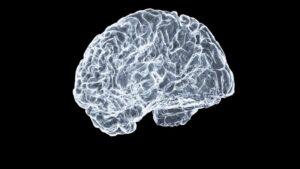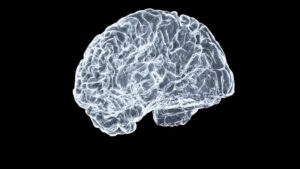
Craniosacral Therapy: Healing Through Gentle Touch
CRANIOSACRAL THERAPY: A REVIEW OF ITS EFFECTIVENESS Dinah J. Lewis, J.D., Ph.D. & Jason M. Kost, M.D. Craniosacral therapy (CST) is a form of bodywork that uses gentle touch to manipulate the bones of the skull, spine, and sacrum, in order to release tension and promote healing. CST is based on the belief that the […]
INTRACRANIAL PRESSURE (ICP)
Introduction to Intracranial Pressure (ICP) Intracranial pressure (ICP) represents a fundamental physiological parameter within the Central Nervous System (CNS), serving as a critical indicator of neurological health and stability. Technically defined, ICP is the pressure exerted by the various contents housed within the rigid confines of the cranium—specifically the brain parenchyma, intravascular blood, and cerebrospinal […]
WATER ON THE BRAIN
Defining Hydrocephalus: The Concept of “Water on the Brain” Hydrocephalus, often colloquially referred to as “water on the brain,” is a serious neurological condition characterized by the abnormal accumulation of cerebrospinal fluid (CSF) within the cerebral ventricles. This accumulation results from a fundamental imbalance between the production, circulation, and absorption of CSF. The ventricles, a […]
CSF 1
Introduction to Dual Definitions of CSF The abbreviation CSF is utilized across multiple disciplines within neuroscience, ophthalmology, and psychology, necessitating contextual clarity for precise interpretation. Primarily, CSF stands as the universally accepted abbreviation for Cerebrospinal Fluid, a vital physiological component essential for the mechanical protection and chemical homeostasis of the central nervous system. This fluid […]
LUMBAR PUNCTURE
The lumbar puncture (LP), often referred to clinically as a spinal tap, is a crucial invasive medical procedure employed primarily for diagnostic purposes within neurology and infectious disease management. The fundamental goal of this technique is to obtain a sample of cerebrospinal fluid (CSF), the clear, watery substance that circulates within the brain’s ventricles and […]
SUBARACHNOID SPACE
Definition and Anatomical Location The subarachnoid space is a critical anatomical region situated within the central nervous system (CNS), specifically positioned between two of the three protective layers known collectively as the meninges. It is defined as the interval existing between the delicate, innermost layer, the pia mater, which adheres tightly to the surface of […]
ARACHNOID GRANULATIONS
Introduction to Arachnoid Granulations Arachnoid granulations, also historically known as Pacchioni’s bodies, represent specialized structures within the central nervous system (CNS) responsible for the critical function of cerebrospinal fluid (CSF) drainage. These extensions originate from the middle meningeal layer, the arachnoid mater, and protrude into the outermost layer, the dura mater, specifically into the large […]
THIRD VENTRICLE
The Third Ventricle: Structure, Function, and Clinical Significance The Core Definition and Anatomy The third ventricle is a crucial, midline cavity deep within the brain, forming a narrow, slit-like space situated precisely between the two halves of the thalamus. This anatomical feature is central to the ventricular system, a series of interconnected chambers that are […]
SUBOCCIPITAL PUNCTURE
Suboccipital Puncture (Cisternal Puncture) Core Definition and Mechanism The Suboccipital Puncture, also widely known as the Cisternal Puncture, is a specialized medical procedure utilized to gain direct access to the subarachnoid space within the cranial vault. This technique is typically employed for both diagnostic and therapeutic purposes, serving as a critical alternative when the more […]
NONCOMMUNICATING HYDROCEPHALUS
Noncommunicating Hydrocephalus: An Encyclopedia Entry Core Definition and Mechanisms Noncommunicating hydrocephalus, also frequently referred to as obstructive hydrocephalus, is a specific type of hydrocephalus, a serious neurological condition characterized by the abnormal accumulation of cerebrospinal fluid (CSF) within the ventricles of the brain. This accumulation occurs when the normal flow of CSF is physically blocked […]
PSEUDOHYDROCEPHALUS
Pseudohydrocephalus: A Neurological Condition The Core Definition of Pseudohydrocephalus Pseudohydrocephalus is a rare and complex neurological disorder characterized by the abnormal accumulation of cerebrospinal fluid (CSF) within the ventricles of the brain. This condition, while sharing some superficial similarities with classic hydrocephalus, is distinguished by specific underlying pathological mechanisms or imaging characteristics. Fundamentally, it arises […]
EPENDYMA
The Ependyma: Structure, Function, and Clinical Significance The Ependyma: Core Definition and Overview The ependyma represents a crucial component of the central nervous system (CNS), functioning as a specialized thin membrane composed of epithelial cells. This delicate lining is strategically positioned throughout the internal fluid-filled spaces of the brain, specifically within the cerebral ventricles, and […]