Intracranial Pressure: How Hidden Forces Shape Your Mind
Scientifically Reviewed · Dr. Marwa Abd-Alazim · September 23, 2026
Review Criteria & Clinical Standards
This content undergoes rigorous scientific peer-review and medical editorial standards at Arab Psychology Network to ensure clinical accuracy, validity, and compliance with evidence-based guidelines from leading psychological and healthcare authorities (APA / WHO).
Introduction to Intracranial Pressure (ICP)
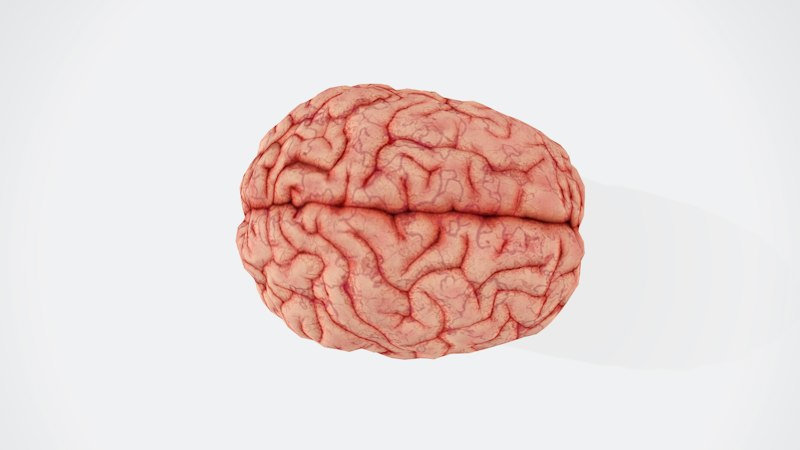
Intracranial pressure (ICP) represents a fundamental physiological parameter within the Central Nervous System (CNS), serving as a critical indicator of neurological health and stability. Technically defined, ICP is the pressure exerted by the various contents housed within the rigid confines of the cranium—specifically the brain parenchyma, intravascular blood, and cerebrospinal fluid (CSF)—against the internal surfaces of the skull. Because the adult skull is a non-expandable container, any fluctuation in the volume of these components necessitates a compensatory shift to maintain a stable pressure environment. This delicate balance is essential for the preservation of homeostasis within the brain, as even minor deviations can disrupt metabolic processes and blood flow.
The significance of monitoring and understanding intracranial pressure cannot be overstated in the context of clinical psychology and neurobiology. It is a dynamic value that responds to various physiological stressors, including changes in posture, respiratory cycles, and cardiovascular activity. When the regulatory mechanisms that govern ICP fail, the resulting intracranial hypertension can trigger a cascade of secondary injuries, ranging from cellular ischemia to global brain dysfunction. Consequently, ICP is not merely a static measurement but a reflection of the complex interplay between anatomy and physiology that allows the human brain to function within its protective osseous shell.
In this comprehensive overview, we will explore the intricate physiology of ICP, the underlying mechanisms that maintain its stability, and the pathological conditions that lead to its elevation. Furthermore, we will examine the diverse symptoms associated with altered pressure and the contemporary management strategies employed by medical professionals to normalize ICP levels. By understanding these factors, one gains a deeper insight into how the physical environment of the brain influences cognitive and psychological outcomes, particularly in the wake of trauma or disease.
Physiological Foundations and the Monroe-Kellie Doctrine
The normal physiologic range for intracranial pressure in a healthy, resting adult is typically cited between 0 and 15 mmHg. This pressure is governed by the Monroe-Kellie Doctrine, a foundational principle in neurophysiology which posits that the sum of the volumes of the brain, CSF, and intracranial blood is constant. According to this hypothesis, because the skull is rigid and incompressible, an increase in the volume of one component must be offset by an equal decrease in the volume of another. If these compensatory mechanisms are exhausted, the ICP begins to rise exponentially, leading to potential neurological catastrophe.
Regulatory factors for ICP include the total volume of the intracranial contents, the efficiency of CSF circulation, and the inherent compliance of the cranial vault. Intracranial compliance refers to the brain’s ability to accommodate increases in volume without a significant rise in pressure. In the early stages of volume expansion, compliance is high as CSF is displaced into the spinal subarachnoid space and venous blood is shunted out of the cranium. However, once these “buffer” volumes are depleted, even a minute increase in volume can cause a precipitous and dangerous surge in ICP, illustrating a low-compliance state.
Furthermore, the physical characteristics of the skull itself play a role in pressure regulation. In infants, the presence of fontanelles and open sutures allows for some degree of cranial expansion, which may temporarily mitigate the effects of increased volume. In contrast, the fused skull of an adult provides no such flexibility, making the adult population far more susceptible to the rapid onset of intracranial hypertension. Understanding these physiological constraints is vital for diagnosing and managing conditions where the structural integrity or volume of the brain is compromised.
Cerebrospinal Fluid Dynamics and Homeostasis
Cerebrospinal fluid (CSF) is a clear, colorless liquid that surrounds the brain and spinal cord, serving as a cushion, a nutrient delivery system, and a waste removal mechanism. The production of CSF is primarily handled by the choroid plexus, a specialized network of capillaries located within the ventricles of the brain. On average, the human body produces between 500 and 700 mL of CSF per day, a rate that remains remarkably constant despite fluctuations in ICP. This continuous production necessitates an equally efficient absorption system to prevent the accumulation of fluid and a subsequent rise in pressure.
The circulation of CSF follows a specific pathway, moving from the lateral ventricles through the third and fourth ventricles and into the subarachnoid space. From there, it is absorbed into the venous system through the arachnoid granulations. Any disruption in this flow—whether through overproduction, obstruction of the pathways, or impaired absorption—can result in hydrocephalus, a condition characterized by the abnormal accumulation of CSF and increased ICP. Because CSF is the most “mobile” of the intracranial components, it serves as the primary buffer during the initial stages of volume changes.
The regulation of CSF is also influenced by venous pressure. Since CSF drains into the dural venous sinuses, any increase in central venous pressure can impede the drainage of CSF, thereby contributing to elevated ICP. This relationship highlights the interconnectedness of the CNS and the cardiovascular system. Maintaining the delicate balance of CSF production and absorption is essential for ensuring that the brain remains buoyant and protected from the internal pressures generated by its own metabolic and circulatory requirements.
Etiology and Pathophysiology of Elevated ICP
Elevated intracranial pressure, or intracranial hypertension, is a frequent and serious clinical challenge that arises from various underlying pathologies. One of the most common causes is the presence of mass lesions, such as brain tumors, abscesses, or hematomas resulting from head trauma. These lesions occupy space within the fixed volume of the skull, directly increasing the total intracranial volume and eventually overwhelming the compensatory mechanisms described by the Monroe-Kellie Doctrine. The resulting pressure can lead to the displacement of brain tissue, a process known as herniation.
Another significant contributor to elevated ICP is cerebral edema, which is the swelling of the brain tissue itself. This can occur due to infectious diseases like meningitis or encephalitis, or as a secondary response to ischemic stroke or traumatic injury. In these cases, the blood-brain barrier may be compromised, allowing fluid to leak into the extracellular space of the brain. Additionally, increased intracranial blood volume—often caused by vasodilation or impaired venous return—can further exacerbate the pressure within the cranial vault. Common causes for impaired venous return include neck vein compression, thrombosis, or high thoracic pressures.
The pathophysiological mechanisms of elevated ICP are multifaceted and often self-perpetuating. As pressure rises, it can compress small blood vessels, leading to decreased cerebral blood flow and subsequent ischemia. The resulting cellular hypoxia triggers further swelling and vasodilation as the body attempts to restore oxygen delivery, which in turn increases the ICP even more. This vicious cycle of ischemia and edema is a primary target for medical intervention, as failure to break the cycle can lead to permanent neuronal damage or death.
Clinical Manifestations and Symptomatology
The clinical presentation of increased intracranial pressure is diverse, often reflecting the severity and rate of the pressure rise. Early symptoms are frequently non-specific and may be overlooked. These include:
- Headache: Often described as worsening in the morning or upon coughing/straining.
- Nausea and Vomiting: Frequently occurring without preceding nausea, sometimes described as “projectile.”
- Altered Mental Status: Ranging from mild confusion and irritability to profound lethargy and coma.
- Visual Disturbances: Such as blurred vision, double vision (diplopia), or papilledema (swelling of the optic disc).
These symptoms serve as critical warning signs that the brain’s compensatory limits are being reached.
As ICP continues to climb, more severe neurological deficits may emerge. Patients may experience seizures, focal neurological signs (such as weakness or sensory loss), and a progressive decline in the Glasgow Coma Scale (GCS) score. One of the most ominous clinical findings is the Cushing’s triad, a physiological nervous system response to increased ICP characterized by:
- Hypertension: Specifically an increase in pulse pressure (the difference between systolic and diastolic).
- Bradycardia: A slow heart rate.
- Irregular Respirations: Often following a Cheyne-Stokes pattern.
The presence of this triad typically indicates an impending brain herniation and requires immediate emergency intervention.
In the context of psychological and cognitive assessment, chronic elevations in ICP—even if not immediately life-threatening—can lead to significant impairments. Patients may exhibit changes in personality, deficits in executive function, and memory loss. The psychological burden of dealing with chronic symptoms like persistent headaches and visual loss also contributes to the overall clinical picture. Recognizing these manifestations early is paramount for preventing the progression toward irreversible brain injury and for improving the long-term quality of life for the affected individual.
Non-Invasive Management Strategies
The primary goal in managing elevated ICP is to reduce the intracranial volume and restore adequate Cerebral Perfusion Pressure (CPP). Non-invasive strategies are often the first line of defense, particularly when the patient is stabilized in an intensive care setting. One of the most common pharmacological interventions is the administration of hyperosmolar agents, such as mannitol or hypertonic saline. These substances work by increasing the osmolarity of the blood, creating an osmotic gradient that draws excess water out of the brain tissue and into the intravascular space, thereby reducing cerebral edema and total volume.
Another critical non-invasive approach involves the optimization of patient positioning and respiratory status. Elevating the head of the bed to 30 degrees promotes venous return from the brain, helping to lower blood volume within the cranium. Furthermore, controlled hyperventilation may be used as a short-term measure; by lowering the levels of carbon dioxide in the blood, hyperventilation induces cerebral vasoconstriction, which reduces intracranial blood volume. However, this must be used cautiously, as excessive vasoconstriction can lead to cerebral ischemia.
Sedation and analgesia also play a role in non-invasive management by reducing the brain’s metabolic demand and preventing spikes in ICP caused by agitation or pain. In some cases, ventriculostomy—though technically a procedure—is categorized as a management strategy to reduce the CSF production rate or to facilitate the drainage of excess fluid. By meticulously balancing these non-invasive techniques, clinicians can often stabilize ICP levels and prevent the need for more aggressive surgical interventions while the underlying cause of the pressure increase is addressed.
Invasive Monitoring and Surgical Interventions
When non-invasive measures are insufficient, invasive strategies become necessary to both monitor and treat intracranial hypertension. Intracranial pressure monitoring devices are essential tools in the neuro-intensive care unit. These include intraparenchymal transducer systems (often called “bolts”) and external ventricular drains (EVD). These devices provide real-time, accurate measurements of ICP, allowing clinicians to tailor treatments precisely. The EVD is particularly valuable because it serves a dual purpose: it measures pressure and allows for the therapeutic drainage of cerebrospinal fluid to immediately lower ICP.
In cases of refractory intracranial hypertension where the brain continues to swell despite medical management, surgical intervention may be required. A decompressive craniectomy is a procedure in which a large portion of the skull is surgically removed, and the underlying dura mater is expanded. This essentially converts the “closed box” of the cranium into an “open” system, allowing the swollen brain tissue to expand outward rather than compressing internal structures and blood vessels. This procedure can be life-saving, particularly in cases of severe traumatic brain injury (TBI) or large ischemic strokes.
The decision to utilize invasive monitoring or surgery is based on a careful risk-benefit analysis. While these interventions carry risks, such as infection or hemorrhage, they provide the necessary control over the intracranial environment to prevent brain herniation and death. Post-surgical care focuses on maintaining homeostasis, preventing secondary complications, and eventually planning for the replacement of the bone flap (cranioplasty) once the brain swelling has subsided and the patient’s condition has stabilized.
Long-Term Psychological and Cognitive Implications
The impact of sustained or acute intracranial pressure elevation extends far beyond the initial physiological crisis, often leaving lasting marks on a patient’s psychological and cognitive profile. Survivors of severe intracranial hypertension frequently face challenges with neuropsychological functioning, including deficits in attention, processing speed, and memory. These impairments occur because the increased pressure and subsequent ischemia often affect the prefrontal cortex and subcortical structures responsible for executive control. In a psychology encyclopedia context, it is vital to note that the physical health of the brain directly dictates the functional capacity of the mind.
Furthermore, the psychological trauma associated with a sudden neurological event can lead to the development of Post-Traumatic Stress Disorder (PTSD), anxiety, and depression. Patients may struggle with their loss of independence or changes in their cognitive abilities, requiring long-term psychological support and rehabilitation. The recovery process is often slow, and the degree of neuroplasticity available to the patient depends on the severity of the initial pressure insult and the speed with which the ICP was normalized. Comprehensive care must, therefore, include both medical stabilization and psychological rehabilitation.
Research into the long-term outcomes of ICP-related injuries highlights the importance of early and aggressive intervention. By minimizing the duration and severity of intracranial hypertension, clinicians can significantly improve the chances of a favorable functional recovery. Understanding the link between ICP and cognitive health allows psychologists and medical professionals to work together in creating holistic treatment plans that address the physical, cognitive, and emotional needs of the patient during their journey toward recovery.
Conclusion
In conclusion, intracranial pressure (ICP) is a fundamental physiological parameter of the Central Nervous System that serves as a vital indicator of the brain’s internal environment. The maintenance of ICP within the normal physiologic range of 0-15 mmHg is a complex process regulated by the volumes of the brain, blood, and cerebrospinal fluid, as well as the compliance of the rigid cranial vault. When this balance is disrupted, the resulting elevated ICP can lead to a wide spectrum of neurological deficits, ranging from minor cognitive impairments to life-threatening brain herniation.
The pathophysiology of elevated ICP involves a variety of triggers, including trauma, tumors, and infections, all of which necessitate a rapid and coordinated clinical response. Management strategies have evolved to include a combination of non-invasive pharmacological treatments, such as mannitol, and invasive surgical procedures, such as decompressive craniectomy and ventriculostomy. These interventions are aimed at preserving cerebral perfusion and preventing secondary brain injury, thereby maximizing the potential for recovery.
Ultimately, the study of intracranial pressure bridges the gap between hard physiology and psychological outcomes. As our understanding of brain dynamics continues to advance, so too will our ability to protect the delicate structures within the cranium. For clinicians and researchers alike, the management of ICP remains a cornerstone of neurocritical care, reflecting the ongoing effort to safeguard the most complex and vital organ of the human body.
References
Coté, D., & Luessenhop, A. (2020). Intracranial Pressure and Its Clinical Relevance. Neurosurgery Clinics of North America, 31(3), 339–348. https://doi.org/10.1016/j.nec.2020.03.008
Garcia, E. J., & Paradela, E. (2018). Intracranial Pressure Monitoring. Neurocritical Care, 28(2), 194–203. https://doi.org/10.1007/s12028-018-0513-y
Heit, J. J., & Pascual, J. L. (2017). Intracranial Pressure Monitoring: A Review. Neurosurgery Clinics of North America, 28(2), 209–219. https://doi.org/10.1016/j.nec.2016.11.006
Varghese, S., & Baskar, N. (2020). Intracranial Pressure Monitoring: Techniques and Clinical Applications. Indian Journal of Neurotrauma, 17(2), 167–176. https://doi.org/10.1016/j.ijnt.2020.02.001