Zoomorphism: Why We Project Our Souls onto Animals
Scientifically Reviewed · Dr. Marwa Abd-Alazim · September 21, 2026
Review Criteria & Clinical Standards
This content undergoes rigorous scientific peer-review and medical editorial standards at Arab Psychology Network to ensure clinical accuracy, validity, and compliance with evidence-based guidelines from leading psychological and healthcare authorities (APA / WHO).
The Conceptual Framework of Zoomorphism
The term zoomorphism refers to a pervasive cultural and psychological phenomenon wherein human characteristics, motivations, or intentions are attributed to non-human creatures. While often used interchangeably with anthropomorphism in various contexts, zoomorphism specifically highlights the bridge between the human experience and the animal kingdom, allowing for a unique blending of identities that transcends biological boundaries. This phenomenon is not merely a linguistic quirk but a fundamental aspect of human cognition that appears ubiquitously across disparate cultures, eras, and geographic locations. By projecting our own internal states onto the natural world, we create a shared language of existence that facilitates a deeper, albeit constructed, connection with the creatures that inhabit our environment.
In the broader field of psychology and cultural studies, zoomorphism serves as a critical lens through which we examine the human-animal bond. It is found deeply embedded in the structures of literature, the visual aesthetics of art, the foundational tenets of religion, and the expansive reaches of mythology. Beyond these formal disciplines, zoomorphism permeates our everyday language, where we use animal metaphors to describe human behavior, thereby reinforcing the idea that the lines between species are more porous than they might initially appear. This article provides a comprehensive exploration of the concept, tracing its various manifestations from ancient traditions to contemporary psychological theory, and analyzing how these projections influence our moral and ethical treatment of non-human entities.
Understanding zoomorphism requires an appreciation of its complexity as both a cognitive shortcut and a sophisticated creative tool. It allows humans to categorize and interpret the behavior of animals by using the only framework we possess with absolute certainty: our own consciousness. By attributing intelligence, emotion, and moral agency to animals, we integrate them into our social and ethical spheres. This integration is essential for the development of empathy, as it compels us to view animals not as inanimate objects or biological machines, but as sentient beings with whom we share a common heritage. As we delve into the nuances of this phenomenon, we uncover the ways in which zoomorphism shapes our identity and our place within the natural order.
Categorical Distinctions: Symbolic versus Literal Manifestations
To fully grasp the scope of zoomorphism, one must distinguish between its symbolic and literal manifestations. Symbolic zoomorphism is perhaps the most common form encountered in daily life, describing the attribution of human features or virtues to animals in a metaphorical or allegorical capacity. In this mode, the animal functions as a vessel for human ideals. For instance, the recurring use of lion imagery across various civilizations serves to represent the human concepts of strength, courage, and royalty. Similarly, bird imagery is frequently employed to symbolize the abstract notion of freedom or the transcendence of the human spirit. These symbols do not necessarily imply that the animal possesses these human traits in a biological sense, but rather that the animal serves as a potent visual shorthand for complex human values.
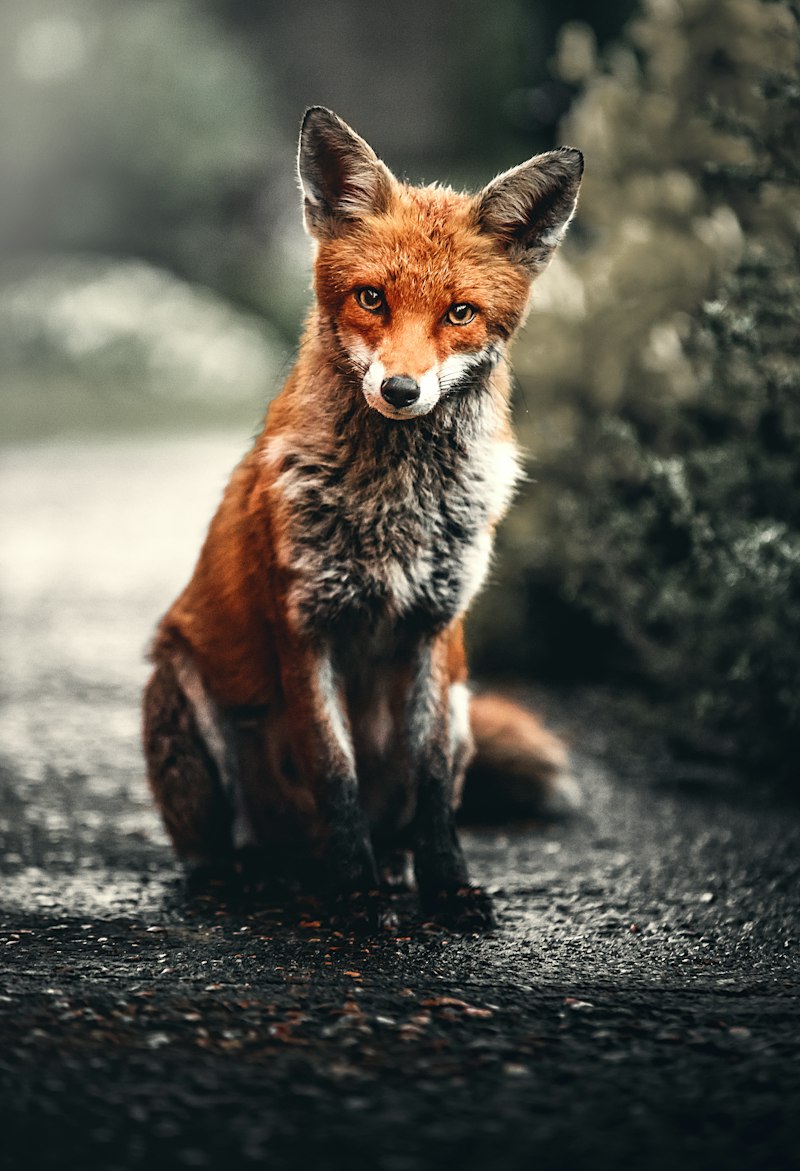
Conversely, literal zoomorphism involves a more direct and often more profound attribution of human characteristics to animals. This occurs when animals are depicted as possessing the actual cognitive or emotional faculties of humans, such as the ability to speak, reason, or experience complex social dilemmas. Literal zoomorphism is a staple of fable-telling and mythological narratives, where animal characters operate within human social structures and adhere to human ethical codes. This form of projection allows for a safe exploration of human nature by distancing the audience from the subject matter through the guise of the “other.” By observing a fox navigate a moral quandary, the human observer can reflect on their own behaviors and societal norms without the immediate discomfort of direct self-confrontation.
The distinction between these two forms is often fluid, as a symbolic representation can evolve into a literal one within the context of a specific narrative or belief system. For example, a culture might start by using a serpent as a symbol for wisdom (symbolic) and eventually produce myths where the serpent speaks and offers counsel to human heroes (literal). This transition highlights the power of narrative zoomorphism to reshape our perception of reality. Whether symbolic or literal, these projections serve the same underlying purpose: to make the animal world intelligible and relatable to the human mind, bridging the gap between the known self and the mysterious “other” of the wild.
Zoomorphism in the Visual Arts and Aesthetic Expression
The history of art is replete with examples of zoomorphism, as artists have long sought to bridge the gap between species through visual representation. In many artistic traditions, animals are depicted with human-like features—such as expressive eyes, facial structures that mimic human emotion, or postures that suggest human intelligence. This aesthetic choice is often intended to evoke a sense of empathy and to challenge the viewer’s perception of the animal as a mere object. By giving an animal a “human” face, the artist invites the audience to recognize a shared capacity for suffering, joy, and contemplation. This visual strategy has been employed by countless masters to highlight the shared humanity between all living creatures.
A notable proponent of this approach was the visionary artist William Blake, whose works frequently blurred the lines between the human and the animal. Blake’s paintings often featured tigers, horses, and other creatures endowed with strikingly human countenances, suggesting a divine or spiritual connection that transcends physical form. In his cosmology, the animal was not a subordinate being but a manifestation of the same creative energy that fuels the human soul. By imbuing his animal subjects with human-like intensity and emotion, Blake forced his audience to reconsider the hierarchy of nature and to acknowledge the inherent dignity of the non-human world. His work remains a primary example of how zoomorphism can be used to elevate the status of animals in the human imagination.
In addition to classical art, zoomorphism is a foundational element of modern visual culture, particularly in the realm of illustration and character design. The transition from the realistic depiction of animals to the zoomorphic characters found in children’s literature represents a significant shift in how we socialize young minds to view nature. By presenting animals in human clothing or engaging in human activities, artists create a point of entry for children to develop emotional bonds with the natural world. This visual tradition, while often criticized for being overly sentimental, plays a crucial role in establishing the empathetic foundations upon which future environmental and ethical concerns are built. The visual arts thus serve as a primary laboratory for the zoomorphic imagination.
Narrative Techniques and Animal Allegory in Literature
Literature provides perhaps the most fertile ground for the exploration of zoomorphism, offering a space where animals can be granted a voice and a complex internal life. Through the use of animal protagonists, authors can explore themes of morality, politics, and social hierarchy in a way that is both engaging and profound. In these narratives, animals are rarely just animals; they are mirrors reflecting the complexities of the human condition. The use of zoomorphism in literature allows for a unique form of distantiation, where the reader can analyze human flaws and virtues through the lens of a different species, often leading to insights that might be obscured in a purely human-centric story.
Classic examples of this can be found in the works of Beatrix Potter, whose characters like Peter Rabbit possess a sophisticated blend of animal instincts and human social traits. Potter’s animals live in a world that mimics the Victorian social structures of her time, yet they remain grounded in their biological identities as rabbits, ducks, or mice. This duality is central to the charm and longevity of her work. By giving her characters human problems—such as the need to follow parental advice or the consequences of trespassing—she creates a bridge of understanding for young readers. The zoomorphism in Potter’s work is not merely decorative; it is a pedagogical tool that uses the animal form to teach human lessons about responsibility and consequences.
Furthermore, literature often employs animals as potent symbols for specific human emotions or personality types. The recurring use of the wolf to represent loneliness, ferocity, or social ostracization is a prime example of how zoomorphism shapes our narrative archetypes. Conversely, the deer is frequently used to symbolize gentleness, vulnerability, and grace. These literary tropes become deeply ingrained in our collective psyche, influencing how we perceive these animals in the real world. When we see a wolf, we do not just see a canine predator; we see the “lone wolf” of our stories. This interaction between literature and perception demonstrates how zoomorphism constructs the cultural reality of the animals we live alongside.
Theological and Mythological Foundations
In the realms of religion and mythology, zoomorphism takes on a divine dimension, often serving to bridge the gap between the mortal and the sacred. Many ancient belief systems utilized zoomorphic imagery to represent the power and mystery of the gods. For the ancient Egyptians, the divine was frequently manifested in animal form, with gods and goddesses like Horus (the falcon), Bastet (the cat), and Sobek (the crocodile) serving as primary objects of worship. These zoomorphic deities were not seen as mere animals, but as beings who possessed the combined attributes of human consciousness and animal potency. By taking these forms, the gods could interact with humanity in a way that was both terrifying and familiar, embodying the untamable forces of nature within a recognizable framework.
Similarly, Hinduism features a rich tapestry of zoomorphic figures that hold profound spiritual significance. Certain animals are viewed as sacred, not just as symbols of the divine, but as actual embodiments or vehicles (vahanas) of the gods. For instance, the elephant-headed deity Ganesha represents wisdom and the removal of obstacles, blending human physiology with the strength and memory associated with the elephant. In this context, zoomorphism serves to emphasize the interconnectedness of all life and the presence of the divine within every creature. The veneration of animals in these traditions fosters a sense of stewardship and respect that is deeply rooted in the zoomorphic understanding of the universe.
Mythology also uses zoomorphism to explain the origins of the world and the characteristics of various species. Creation myths across the globe often feature “trickster” animals—such as the coyote in North American indigenous traditions or the spider Anansi in West African lore—who possess human-like cunning and are responsible for shaping the human environment. These stories use zoomorphism to project human agency onto the natural world, making the landscape and its inhabitants part of a larger moral and historical narrative. By populating their myths with zoomorphic beings, ancient cultures ensured that the animal kingdom was never viewed as separate from the human experience, but rather as an integral part of the cosmic order.
Cognitive Perspectives and Human Perception
From a cognitive science perspective, zoomorphism is understood as a fundamental byproduct of how the human brain processes information. Humans are naturally predisposed to recognize patterns and to attribute intentionality to the movement and behavior of others. This “theory of mind” is so powerful that it often overflows its biological boundaries, leading us to project human-like motivations onto animals, weather patterns, and even inanimate objects. In the case of animals, zoomorphism is a way for the brain to make sense of complex biological behaviors that would otherwise be unpredictable. By assuming an animal has “feelings” or “plans” similar to our own, we can more easily navigate our interactions with them.
Research in animal cognition suggests that while some of our zoomorphic projections are accurate—such as the attribution of basic emotions like fear or joy—others may be misinterpretations of purely biological drives. However, the psychological utility of zoomorphism remains significant. It acts as a cognitive bridge that facilitates social bonding. When a pet owner believes their dog is “feeling guilty” after breaking a rule, they are using a zoomorphic framework to maintain a social contract with the animal. Even if the dog is actually reacting to the owner’s body language rather than experiencing the human emotion of guilt, the zoomorphic belief strengthens the bond between the two, ensuring a more stable and affectionate relationship.
Moreover, zoomorphism plays a role in how we categorize and value different species. We are more likely to apply zoomorphic traits to animals that share physical similarities with humans, such as primates, or those that have been domesticated for thousands of years, such as dogs and cats. This “similarity bias” means that our empathy is often unevenly distributed across the animal kingdom. Animals that are more difficult to “zoomorphize”—such as insects or reptiles—often struggle to receive the same level of human protection and concern. Understanding the cognitive roots of zoomorphism allows us to recognize these biases and work toward a more inclusive and scientifically grounded appreciation of all non-human life.
Ethical Implications and Human-Animal Relationships
The practice of zoomorphism has profound implications for the ethical treatment of animals and the development of animal welfare standards. By attributing human characteristics to animals, we effectively bring them into our moral circle. When we see an animal as having the capacity for suffering, loneliness, or intelligence, it becomes much more difficult to justify their exploitation or mistreatment. Zoomorphism acts as a powerful catalyst for empathy, transforming animals from “other” creatures into beings with whom we can relate on a fundamental level. This shift in perception is often the first step toward advocating for animal rights and environmental conservation efforts.
Furthermore, zoomorphism helps to dismantle the “us versus them” mentality that has historically characterized human-animal relationships. By emphasizing shared humanity—or rather, a shared sentience—we begin to view animals as partners in the planetary experience rather than as resources to be consumed. This understanding has led to significant changes in how animals are portrayed in media and how they are treated in industries ranging from agriculture to entertainment. The move away from viewing animals as mere biological machines and toward seeing them as “zoomorphic subjects” has been instrumental in the rise of modern animal welfare movements.
However, it is also important to acknowledge that zoomorphism can sometimes lead to unrealistic expectations or harmful interventions. For example, treating a wild animal as if it were a domesticated human companion can lead to dangerous situations for both the human and the animal. True respect for animals involves recognizing their unique biological needs and behaviors, which may be entirely different from our own. The challenge lies in using zoomorphism as a tool for empathy without losing sight of the biological reality of the animal. When balanced with scientific understanding, zoomorphism can lead to a more profound and respectful relationship with the natural world, ensuring that we protect animals not just because they are like us, but because of their inherent value as living beings.
Conclusion: The Enduring Legacy of the Animal Image
In conclusion, zoomorphism is a multifaceted and widespread phenomenon that plays a crucial role in how we perceive and interact with the world around us. From the symbolic imagery of ancient art to the literal animal characters of modern literature, the attribution of human traits to non-human creatures is a constant thread in the fabric of human culture. It serves as a bridge between species, a tool for moral education, and a manifestation of our innate desire for connection. By exploring the various manifestations of zoomorphism, we gain a deeper understanding of our own psychological makeup and the ways in which we construct meaning in the natural world.
The study of zoomorphism also highlights the power of empathy in shaping our ethical landscape. By allowing ourselves to see the human in the animal, we foster a sense of responsibility and respect that is essential for the preservation of biodiversity and the humane treatment of all creatures. As our understanding of animal cognition continues to evolve, the ways in which we apply zoomorphic frameworks will likely become more sophisticated, blending traditional cultural narratives with modern scientific insights. This synthesis promises to further enrich our relationships with animals and to deepen our appreciation for the complex tapestry of life on Earth.
Ultimately, zoomorphism reminds us that we are not isolated from the rest of the animal kingdom. Our tendency to project our own qualities onto other species is a testament to our shared origins and our intertwined destinies. By embracing the zoomorphic imagination, we open ourselves up to a world of greater compassion and insight, where every creature is seen as a fellow traveler in the mystery of existence. Through art, literature, and science, zoomorphism will continue to be a vital lens through which we view our place in the universe and our obligations to the sentient beings who share it with us.
References
- Blake, W. (1795). The Marriage of Heaven and Hell. Retrieved from https://archive.org/details/marriagheavenhel00blakuoft
- Potter, B. (1902). The Tale of Peter Rabbit. London: Frederick Warne & Co.
- Briggs, J. (2005). The Power of Animals: A Cultural History. Oxford: Berg.
- Beal, T. (2007). Anthropomorphism, Zoomorphism, and Other Forms of Imagery: A Cognitive Science Perspective. In M.A. Regonini & J.E. Katz (Eds.), Animal Cognition (pp. 314-332). Cambridge: Cambridge University Press.
- Gill, M. (2020). Zoomorphism: Exploring Its Meaning and Significance. Journal of Applied Animal Behavior, 25(2), 109-115. doi:10.1080/10888705.2020.1780207