Psychophysiology: How Stress Disrupts Your Heart Rhythm
Scientifically Reviewed · Dr. Marwa Abd-Alazim · September 2, 2026
Review Criteria & Clinical Standards
This content undergoes rigorous scientific peer-review and medical editorial standards at Arab Psychology Network to ensure clinical accuracy, validity, and compliance with evidence-based guidelines from leading psychological and healthcare authorities (APA / WHO).
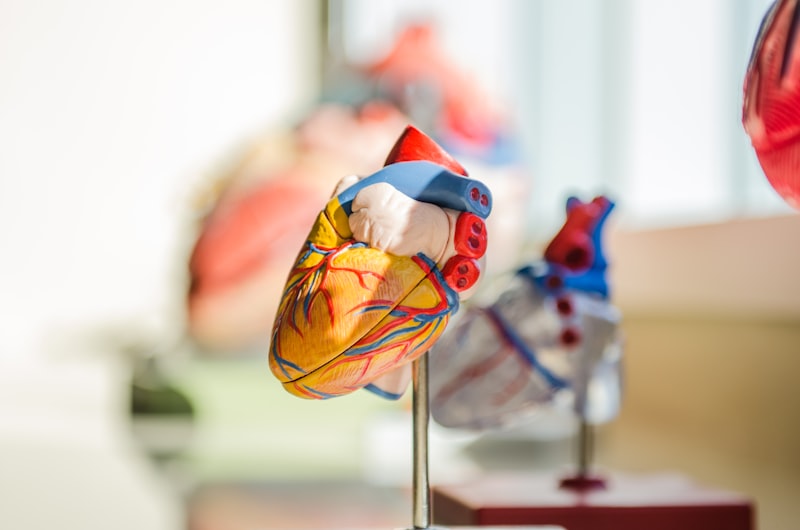
ARHINENCCPHALIA ARRHYTHMIA
The term arrhythmia refers broadly to any abnormality in the rhythm of the heart, meaning the heart is beating at a rate that is not within the normal range for an individual of that age or exhibiting an irregular pattern of contraction. While the specific nomenclature of “Arhinenccphalia arrhythmia” might suggest a linkage to neurological or structural defects, the clinical discussion centers fundamentally on the disruption of the heart’s intrinsic electrical system. The existence of an arrhythmia is a critical diagnostic marker, as the specific nature of the change in heart rhythm dictates the urgency, potential underlying etiology, and necessary therapeutic strategy. Understanding the complex interplay between rate, rhythm, and conduction is paramount for effective cardiovascular management, differentiating benign variations from potentially life-threatening cardiac emergencies.
The heart’s ability to pump blood efficiently throughout the body relies on a precise, synchronized sequence of electrical impulses. When this sequence is interrupted, delayed, or initiated from an incorrect location, an arrhythmia results, potentially compromising cardiac output and leading to symptoms ranging from mild palpitations to severe hemodynamic instability. The classification of these rhythm disorders is complex, relying heavily on the rate (fast or slow), the location of origin (atrial or ventricular), and the mechanism of the electrical disturbance (reentry, enhanced automaticity, or triggered activity). Recognizing the profound impact that these electrical anomalies have on mechanical function underscores the importance of prompt and accurate electrophysiological assessment in clinical practice.
Age is an exceptionally important factor in defining what constitutes a normal heart rate. For instance, the normal rhythm for an infant may be significantly higher, often reaching rates as high as 150 beats per minute (bpm) or even more, reflecting the physiological demands of a rapidly developing system. Conversely, such a high rate in a sedentary adult would be considered tachycardia—defined generally as any rate above 100 bpm—and could signal a serious cardiac emergency or systemic distress. This variability mandates that clinicians contextualize heart rate observations within the patient’s age, activity level, and overall physiological state before rendering a diagnosis of rhythm abnormality, thus highlighting the dynamic nature of cardiac normalcy.
The Electrophysiology of Normal Heart Rhythm
To fully appreciate the pathology of arrhythmia, one must first grasp the finely tuned electrophysiology governing the normal heart rhythm, known as sinus rhythm. The healthy heartbeat originates in the sinoatrial (SA) node, often termed the heart’s natural pacemaker, located in the right atrium. The SA node spontaneously generates electrical impulses at a regular frequency, typically 60 to 100 times per minute in a resting adult. This impulse propagates across the atria, causing them to contract and push blood into the ventricles. This initial electrical activity is crucial for setting the pace for the entire cardiac cycle and ensuring efficient filling of the lower chambers.
Following atrial activation, the electrical signal converges at the atrioventricular (AV) node, which acts as a critical gatekeeper. The AV node introduces a momentary delay in conduction, a physiological necessity that allows the ventricles sufficient time to fill completely with blood before they are triggered to contract. This delay ensures optimal stroke volume and cardiac output. From the AV node, the impulse rapidly travels down the Bundle of His, through the right and left bundle branches, and finally disperses throughout the ventricular musculature via the Purkinje fibers. This intricate, high-speed conduction network ensures that both ventricles contract simultaneously and powerfully, ejecting blood into the pulmonary and systemic circulations.
Disruptions at any point within this conduction pathway can lead to an arrhythmia. If the SA node fires too quickly or too slowly, a sinus tachycardia or bradycardia results. If ectopic foci—abnormal pacemaker cells located outside the SA node—begin to generate competing impulses, premature beats or more complex arrhythmias like atrial fibrillation may occur. Furthermore, structural damage to the AV node or the bundle branches, often resulting from ischemic heart disease or fibrosis, can impede or entirely block the transmission of the impulse, leading to various degrees of heart block. The fundamental principle remains that the regularity, speed, and pathway of electrical propagation are indispensable for sustained cardiovascular health.
Tachycardia: Mechanisms and Clinical Implications
Tachycardia, defined conventionally as a heart rate exceeding 100 beats per minute in an adult, encompasses a wide spectrum of rhythm disturbances, ranging from benign physiologic responses to severe, unstable rhythms requiring immediate intervention. Physiologic tachycardia often occurs as a normal response to stress, exercise, fever, or dehydration, where the sympathetic nervous system increases the heart rate to meet elevated metabolic demands. However, pathological tachycardias arise from inherent defects in the electrical system, often categorized based on their origin: Supraventricular Tachycardia (SVT), originating above the ventricles (in the atria or AV node), and Ventricular Tachycardia (VT), originating within the ventricles themselves.
Supraventricular Tachycardias typically involve mechanisms like reentry circuits, where an electrical impulse travels in a continuous loop, rapidly and repeatedly stimulating the atria or the AV node. Examples include Atrioventricular Nodal Reentrant Tachycardia (AVNRT) and Atrioventricular Reentrant Tachycardia (AVRT). While SVTs are usually less immediately life-threatening than ventricular rhythms, sustained rapid rates compromise ventricular filling time, leading to reduced cardiac output, symptoms such as palpitations, dizziness, and shortness of breath, and potentially angina, especially in patients with underlying coronary artery disease. Management often involves vagal maneuvers, pharmacological interventions to slow AV conduction, or definitive treatment via catheter ablation.
Ventricular Tachycardia (VT), originating below the Bundle of His, is generally considered far more dangerous. VT is often associated with significant underlying structural heart disease, such as prior myocardial infarction leading to scar tissue formation which facilitates reentry pathways. When the ventricles contract too rapidly (often 150–250 bpm) and inefficiently, the heart cannot adequately pump blood, rapidly leading to hemodynamic collapse. If VT degenerates into Ventricular Fibrillation (VF), a chaotic, non-perfusing rhythm, it results in instantaneous cardiac arrest, demanding immediate defibrillation. The distinction between SVT and VT is crucial because misdiagnosing VT as SVT and administering inappropriate medications can be fatal.
Bradycardia: Causes, Consequences, and Management
Bradycardia refers to an abnormally slow heart rate, typically defined as less than 60 beats per minute in an adult. While a low resting heart rate (e.g., 40–50 bpm) may be entirely normal and even desirable in highly trained endurance athletes due to enhanced vagal tone, a pathological bradycardia often signals the presence of heart disease or dysfunction in the intrinsic conduction system. Bradycardia is primarily categorized into two main types: Sinus Bradycardia, where the SA node fires too slowly, and Conduction Blocks, where the impulse is generated correctly but fails to transmit properly through the AV node or the His-Purkinje system.
Pathological sinus bradycardia can result from various factors, including aging (leading to fibrosis of the SA node), hypothyroidism, electrolyte disturbances, or the use of certain medications such as beta-blockers or calcium channel blockers. When the rate is too slow, the body may fail to receive adequate blood flow, leading to symptoms like fatigue, syncope (fainting), near-syncope, and chronic dizziness. If the bradycardia is persistent and symptomatic, it may necessitate therapeutic intervention. The evaluation often involves ruling out reversible causes before considering permanent device therapy.
A severe form of bradycardia is caused by AV block, where the electrical signal transmission between the atria and ventricles is delayed or completely interrupted. Third-degree (complete) heart block is particularly dangerous, as the atria and ventricles beat independently of each other. The ventricles must rely on a slower, less reliable escape rhythm originating lower down the conduction system, often leading to profoundly low heart rates (20–40 bpm) and significant risk of asystole (complete cessation of electrical activity). Treatment for symptomatic or high-grade heart blocks almost invariably involves the implantation of a permanent cardiac pacemaker to maintain an adequate heart rate.
Supraventricular Arrhythmias: Atrial Flutter and Fibrillation
Specific types of arrhythmias originating in the atria include conditions like atrial flutter and atrial fibrillation, both of which are common and carry significant morbidity. Atrial Flutter is characterized by a rapid, regular rhythm in the atria, often reaching rates of as much as 400 times per minute. This rhythm is typically caused by a large, well-defined reentry circuit, often in the right atrium (the “caval-tricuspid isthmus”). Although the atria beat extremely fast, the AV node acts as a protective mechanism, only allowing a fraction of these impulses (e.g., 2:1 or 3:1 conduction) to pass to the ventricles, resulting in a ventricular rate that is fast but usually tolerable, such as 150 bpm.
In contrast to the organized pattern of flutter, Atrial Fibrillation (AFib) is the most common sustained arrhythmia and is characterized by chaotic, disorganized electrical activity in the atria, involving multiple micro-reentry circuits. The atrial rate can reach 400 to 600 bpm, but because the electrical activity is so disorganized, the ventricular response is irregular and often rapid. AFib is particularly significant not just for the potential hemodynamic compromise caused by the loss of the atrial “kick” and rapid ventricular rate, but primarily because of the major risk of stroke. The stagnant blood flow within the fibrillating atria, particularly the left atrial appendage, promotes the formation of thrombi (clots) which can embolize to the brain.
The therapeutic strategy for both atrial flutter and fibrillation involves two principal goals: rate control and rhythm control, alongside rigorous anticoagulation to mitigate stroke risk in AFib patients. Rate control involves medications like beta-blockers or calcium channel blockers to slow the transmission through the AV node. Rhythm control aims to restore and maintain normal sinus rhythm, using anti-arrhythmic drugs or procedures such as electrical cardioversion or catheter ablation. Ablation involves mapping the abnormal tissue responsible for the arrhythmia and destroying (cauterizing) it, thereby disrupting the pathological electrical circuits.
Ventricular Arrhythmias and Premature Beats
Beyond sustained tachycardias, the electrical stability of the ventricles is frequently disturbed by premature beats, also known as ectopic beats. These are isolated, early contractions that interrupt the normal sinus rhythm. If the premature beat originates in the atrium, it is termed a Premature Atrial Contraction (PAC); if it originates in the ventricle, it is a Premature Ventricular Contraction (PVC). While occasional PACs or PVCs are common, often harmless, and may be triggered by stress, caffeine, or fatigue, frequent or complex PVCs (such as those occurring in pairs or runs) can be indicative of underlying myocardial irritation or ischemia.
PVCs are particularly important because they represent increased ventricular excitability and, in the context of acute myocardial injury or severe heart failure, can be precursors to life-threatening ventricular tachyarrhythmias, including Ventricular Fibrillation (VF). The morphology and frequency of PVCs are carefully analyzed using 24-hour Holter monitoring to assess risk. While therapy for benign, isolated PVCs may only require lifestyle modifications, complex PVCs in high-risk patients may necessitate aggressive medical management to suppress the ectopic activity and stabilize the ventricular myocardium, often involving anti-arrhythmic agents.
The most critical ventricular arrhythmias remain sustained Ventricular Tachycardia (VT) and Ventricular Fibrillation (VF). VF represents a complete electrical chaos where the ventricular muscle quivers instead of contracting, leading to zero cardiac output. VF is the leading cause of sudden cardiac death globally. Survival from VF is critically dependent on the immediate initiation of cardiopulmonary resuscitation (CPR) and the rapid delivery of defibrillation. For individuals surviving such an event, or those deemed to be at high risk (e.g., due to severe left ventricular dysfunction), prophylactic therapy often involves the implantation of an Implantable Cardioverter-Defibrillator (ICD), a device designed to monitor the heart rhythm and deliver a life-saving electrical shock if VF or unstable VT is detected.
Conduction System Abnormalities: Understanding Heart Block
Heart block represents a marked failure of the heart to contract effectively due to the interruption or significant delay of the electrical stimulus needed to trigger the contraction. These conduction disturbances are typically classified based on their anatomical location and severity, primarily affecting the AV node or the infra-nodal structures (Bundle of His and bundle branches). The severity is graded into three degrees, reflecting progressive impairment of AV conduction, which profoundly impacts ventricular activation.
- First-Degree AV Block: This is the mildest form, characterized only by a prolonged delay in conduction through the AV node. All atrial impulses eventually reach the ventricles, and the rhythm remains regular, though slow. It is often asymptomatic and requires no treatment, but may signal a propensity toward more advanced block.
-
Second-Degree AV Block: This involves intermittent failure of conduction.
- Type I (Wenckebach): Characterized by progressive lengthening of the conduction delay until one beat is completely blocked. This pattern is often nodal, generally benign, and rarely requires pacing unless symptomatic.
- Type II: Characterized by sudden, unexpected blocking of a beat without prior lengthening of the delay. This block is typically infra-nodal (in the Bundle of His or bundle branches), is considered more serious, and often progresses to complete heart block, frequently necessitating a pacemaker.
- Third-Degree (Complete) AV Block: In this severe state, there is total dissociation between atrial and ventricular activity. No atrial impulses reach the ventricles, which are forced to rely on an unstable, extremely slow escape rhythm, leading to severe bradycardia and high risk of asystole and syncope.
The clinical management of heart block centers on monitoring and intervention based on the degree of block and the presence of symptoms. While first-degree block is usually monitored, high-grade second-degree Type II block and complete third-degree block are standard indications for permanent pacemaker implantation. The pacemaker provides reliable electrical stimulation to the ventricles, overriding the block and ensuring a stable, adequate heart rate to maintain hemodynamic stability and prevent syncope.
Diagnostic Methodologies and Therapeutic Interventions
Accurate diagnosis of arrhythmia begins with a comprehensive medical history, physical examination, and the use of the 12-lead Electrocardiogram (ECG). The ECG provides a snapshot of the heart’s electrical activity and is foundational for identifying the rate, rhythm, and specific features (such as P-wave morphology or QRS duration) that classify the arrhythmia. However, because many arrhythmias are transient, continuous monitoring is frequently required.
Diagnostic tools for monitoring include:
- Holter Monitor: A portable device worn for 24 to 48 hours to continuously record all heartbeats, useful for frequent, short-lived arrhythmias.
- Event Recorder/Loop Recorder: Patient-activated devices used for symptoms that occur infrequently over several weeks or months.
- Implantable Loop Recorder (ILR): A small device implanted subcutaneously for long-term monitoring (up to three years) of highly infrequent symptoms, such as unexplained syncope.
- Electrophysiology (EP) Study: An invasive procedure where catheters are threaded into the heart to map the electrical circuits, diagnose the precise mechanism of complex arrhythmias, and identify target sites for ablation therapy.
Therapeutic strategies for arrhythmia are multifaceted, tailored to the specific rhythm disturbance, the patient’s symptoms, and their overall cardiac function. Options span pharmacological management, device implantation, and interventional procedures. Pharmacological agents, including anti-arrhythmic drugs (such as Vaughan Williams Class I, II, III, and IV agents), are used to suppress ectopic activity or control the ventricular rate. For patients with dangerous bradycardia or high-grade heart blocks, pacemakers are essential. For patients at risk of sudden cardiac death due to VT/VF, ICDs provide life-saving protection. Finally, catheter ablation remains the curative approach for many reentrant tachycardias, including AVNRT, atrial flutter, and increasingly, atrial fibrillation, by precisely destroying the small tissue area causing the electrical malfunction.