Balint’s Syndrome: When the Brain Fails to See the Whole
Scientifically Reviewed · Dr. Marwa Abd-Alazim · October 8, 2026
Review Criteria & Clinical Standards
This content undergoes rigorous scientific peer-review and medical editorial standards at Arab Psychology Network to ensure clinical accuracy, validity, and compliance with evidence-based guidelines from leading psychological and healthcare authorities (APA / WHO).
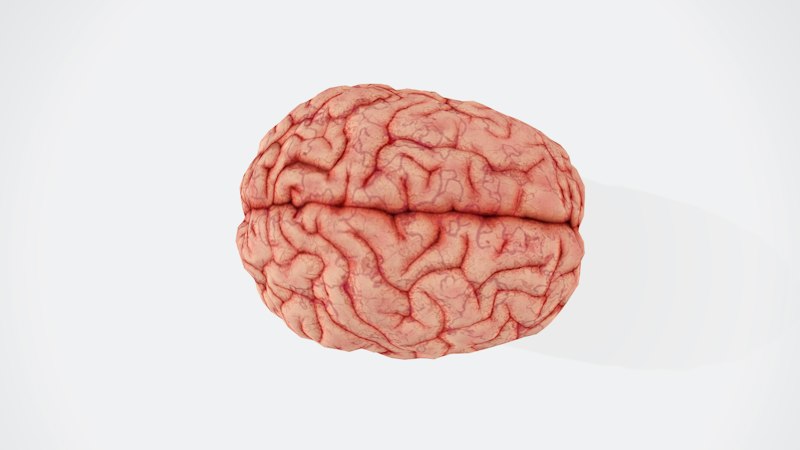
BALINT’S SYNDROME: A REVIEW OF THE NEUROLOGICAL DISORDER
Abstract
Balint’s Syndrome is a rare neurological disorder characterized by the triad of simultanagnosia, oculomotor apraxia, and optic ataxia. This review provides an overview of the disorder, including the causes, diagnosis, and management strategies. The development of Balint’s Syndrome is associated with lesions in the posterior parietal cortex of the brain, although other neurological disorders can cause similar symptoms. Diagnosis often involves a combination of tests, including neurological and ophthalmological examinations, neuropsychological tests, and imaging studies. Treatment is largely aimed at managing the symptoms and may include rehabilitation, occupational therapy, and medications.
Keywords: Balint’s syndrome; simultanagnosia; oculomotor apraxia; optic ataxia; posterior parietal cortex
Introduction
Balint’s Syndrome is a rare neurological disorder that was first identified in 1909 by the Hungarian neurologist Róbert Bálint. It is characterized by the triad of simultanagnosia, oculomotor apraxia, and optic ataxia, and is associated with damage to the posterior parietal cortex of the brain. The disorder is estimated to affect only one in every million people, but it can have a significant impact on a person’s quality of life. The purpose of this review is to provide an overview of the disorder, including the causes, diagnosis, and management strategies.
Causes
The primary cause of Balint’s Syndrome is damage to the posterior parietal cortex of the brain, which is located in the occipital lobe. This damage is typically caused by a stroke, head injury, or tumor. However, the syndrome can also be caused by other neurological disorders, such as multiple sclerosis, Alzheimer’s disease, and Creutzfeldt-Jakob disease. In addition, some cases of Balint’s Syndrome have been reported in patients with no known neurological disorder.
Diagnosis
The diagnosis of Balint’s Syndrome is often difficult due to the rarity of the disorder and the overlap of symptoms with other neurological disorders. Diagnosis usually involves a combination of tests, including neurological and ophthalmological examinations, neuropsychological tests, and imaging studies. In particular, MRI is often used to identify any damage to the posterior parietal cortex.
Management
The treatment of Balint’s Syndrome is largely aimed at managing the symptoms, which can vary in severity and frequency. Rehabilitation, occupational therapy, and medications can all be used to help improve a person’s quality of life. In addition, lifestyle modifications, such as avoiding alcohol, avoiding fatigue, and getting adequate rest, can help to reduce the severity of symptoms.
Conclusion
Balint’s Syndrome is a rare neurological disorder characterized by the triad of simultanagnosia, oculomotor apraxia, and optic ataxia. It is typically caused by damage to the posterior parietal cortex of the brain, although other neurological disorders can cause similar symptoms. Diagnosis often involves a combination of tests, including neurological and ophthalmological examinations, neuropsychological tests, and imaging studies. The treatment of Balint’s Syndrome is largely aimed at managing the symptoms and may include rehabilitation, occupational therapy, and medications.
References
Carota, A., & Dehaene, S. (2004). Balint’s syndrome: A review of the clinical and neuropsychological literature. Cortex, 40(4), 534–547. https://doi.org/10.1016/S0010-9452(08)70572-2
Gentile, A., Baillet, S., & Dehaene, S. (2008). Balint’s syndrome: A review of the clinical and functional imaging literature. Neuropsychologia, 46(3), 804–817. https://doi.org/10.1016/j.neuropsychologia.2007.08.012
Leggio, M. G., Bava, A., & Padovani, A. (2016). Management of Balint’s Syndrome: A review of the literature. European Review of Applied Psychology, 66(4), 213–218. https://doi.org/10.1016/j.erap.2016.08.002
Rudzinski, E., & Wszolek, Z. K. (2012). Balint’s Syndrome: A review of the disorder and its pathophysiology. Neurodegenerative Disease Management, 2(2), 125–131. https://doi.org/10.2217/nmt.12.6