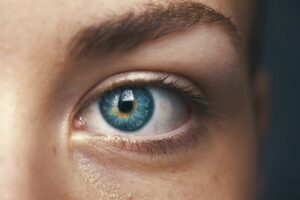
Achromatopsia: Life Through a Grayscale Lens
Achromatism (Achromatopsia): A Comprehensive Encyclopedia Entry The Core Definition of Achromatism Achromatism, clinically known as Achromatopsia, is a rare, severe visual disorder characterized by the inability to perceive color. It is often described as complete color blindness, where the world is exclusively viewed in varying shades of gray, black, and white. This condition is fundamentally […]
Ocular Dysmetria: Why Your Eyes Miss Their Mark
Ocular Dysmetria: A Comprehensive Encyclopedia Entry Core Definition of Ocular Dysmetria Ocular dysmetria is a specific neurological condition characterized by an individual’s inability to accurately direct and stop their eye movements on a visual target. This manifests as an overshoot (hypermetria) or undershoot (hypometria) of the eyes when attempting to fixate on an object, leading […]
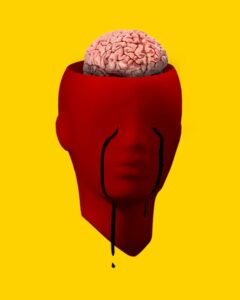
Dysmetropsia: Why Your Brain Distorts Reality
Dysmetropsia Core Definition of Dysmetropsia Dysmetropsia, often used interchangeably with asthenopia, represents a prevalent form of vision disorder characterized primarily by persistent ocular discomfort and a range of visual disturbances. While the term “dysmetropsia” can sometimes refer more specifically to a distortion of visual perception where objects appear larger or smaller than they truly are […]
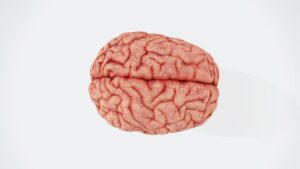
Balint’s Syndrome: The Mind’s Struggle to See the Whole
BALINT’S SYNDROME: A REVIEW OF THE NEUROLOGICAL DISORDER Abstract Balint’s Syndrome is a rare neurological disorder characterized by the triad of simultanagnosia, oculomotor apraxia, and optic ataxia. This review provides an overview of the disorder, including the causes, diagnosis, and management strategies. The development of Balint’s Syndrome is associated with lesions in the posterior parietal […]
Micropsia: When the World Shrinks Before Your Eyes
Micropsia The Core Definition of Micropsia Micropsia is a distinct and often perplexing visual perceptual disorder characterized by the perception that objects appear smaller than their actual size. This condition is not an optical illusion in the traditional sense, but rather a neurological phenomenon where the brain misinterprets or distorts the size of visual input. […]