Behavioral Analytics: Decoding Patterns in Human Action
Scientifically Reviewed · Dr. Marwa Abd-Alazim · October 1, 2026
Review Criteria & Clinical Standards
This content undergoes rigorous scientific peer-review and medical editorial standards at Arab Psychology Network to ensure clinical accuracy, validity, and compliance with evidence-based guidelines from leading psychological and healthcare authorities (APA / WHO).
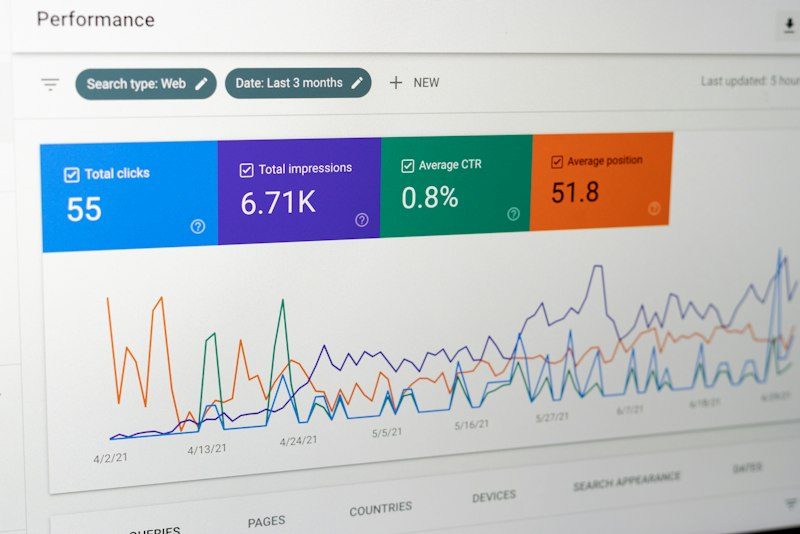
Introduction to Bar Graphs: The Foundation of Categorical Data Visualization
Bar graphs, which are frequently and interchangeably referred to as bar charts, represent one of the most fundamental, versatile, and enduring tools in the field of quantitative communication. Utilized extensively across a vast array of professional and academic disciplines—including empirical psychological research, business analytics, journalism, and educational pedagogy—their primary utility lies in their unmatched capacity to present categorical information in a clear, immediate, and intuitive visual format. At its structural core, a bar graph translates discrete numerical values into distinct rectangular bars. The length or height of each bar is constructed to be directly proportional to the specific mathematical value it represents, thereby providing an immediate spatial and visual cue that allows observers to effortlessly compare magnitudes, identify patterns, and discern relationships within a dataset without needing to parse dense tables of raw numbers.
The widespread adoption of bar graphs can be attributed to their cognitive efficiency and inherent simplicity. They are uniquely optimized for comparing distinct, mutually exclusive categories, such as the sales volume of different regional offices, the distribution of demographic cohorts within a sociological study, or the frequency of specific diagnostic classifications within a psychological survey. By mapping these qualitative categories to a spatial dimension, bar graphs exploit human visual perception—specifically our highly developed ability to judge relative lengths and heights—to make complex data sets highly accessible. This visual translation is particularly beneficial when presenting findings to diverse audiences, including those who may lack advanced statistical training, as it bridges the gap between abstract quantitative data and concrete conceptual understanding.
Furthermore, the utility of the bar graph extends far beyond static, one-dimensional comparisons. When structured appropriately, bar graphs are highly effective at illustrating fluctuations, patterns, or trends over discrete intervals of time. For example, researchers and analysts frequently employ them to demonstrate monthly operational costs, annual growth rates, or the progression of an experimental group’s performance across clearly defined stages of a longitudinal study. This adaptability, combined with their straightforward interpretive framework, cements the bar graph’s status as an indispensable instrument in the modern analytical toolkit. Consequently, mastering the design, classification, and interpretation of these graphical structures is a foundational competency for anyone engaged in data-driven decision-making or scientific inquiry.
The Historical Trajectory of Graphical Representation
To fully appreciate the contemporary prominence of the bar graph, it is instructive to examine its historical origins, which date back to the late eighteenth century. This period was characterized by a profound intellectual shift toward the systematic collection, analysis, and representation of economic and social data. Prior to this era, quantitative data was presented almost exclusively in dense, text-based tables, which required significant cognitive effort to interpret and rendered the identification of broader trends exceptionally difficult. The modern bar chart is widely credited to William Playfair, a Scottish engineer and political economist who is universally recognized as a pioneer in the field of statistical graphics. In his groundbreaking 1786 publication, “The Commercial and Political Atlas,” Playfair introduced the world to the bar chart, alongside other foundational visualizations such as the line graph and the pie chart.
Playfair’s introduction of graphical methods represented a paradigm shift in intellectual history, driven by his realization that the human eye is inherently better suited to judge proportions and physical scale than the mind is to compute abstract numerical differences from tables. His early designs were deliberately constructed to leverage this visual-spatial capacity to make complex macroeconomic indicators accessible to policymakers and the general public alike. In his atlas, Playfair utilized horizontal bars to represent the import and export values of Scotland, comparing trade balances across various nations. This innovative technique instantly exposed massive trade disparities and economic trends that had previously been obscured within pages of dry ledger entries, demonstrating the immense communicative power of visual media.
Despite their clear utility, the adoption of Playfair’s graphical innovations was not instantaneous, as the scientific and academic establishments of the nineteenth century remained deeply skeptical of visual representations, viewing them as imprecise or unscholarly compared to traditional tables. However, as the discipline of statistics matured and the demands of the Industrial Revolution necessitated rapid, data-driven decision-making, the utility of the bar graph became undeniable. By the mid-twentieth century, advancements in printing technology, coupled with the emergence of modern computer graphics, solidified the bar graph as a ubiquitous standard in global communication. Today, it remains an essential component of scientific literacy, particularly within empirical psychology, where it serves as a primary vehicle for displaying categorical experimental outcomes.
Deconstructing the Bar Graph: Essential Components and Their Functions
A standard bar graph is constructed from several key structural elements, each of which must be meticulously designed to ensure the accurate, ethical, and clear transmission of information. The framework of the graph is defined by two perpendicular axes: the horizontal axis and the vertical axis. In a traditional vertical bar graph, the independent variable, which represents the distinct categories or groups being compared, is plotted along the horizontal axis, commonly referred to as the x-axis. These categories are qualitative and discrete, meaning they have no mathematical continuity between them; examples include different experimental treatment groups, demographic segments, or distinct geographical regions. Clear, legible labeling beneath each category on this axis is vital to prevent ambiguity and ensure correct identification.
Conversely, the dependent variable, which represents the quantitative measurement or frequency associated with each category, is plotted along the vertical axis, known as the y-axis. Because this axis represents continuous numerical data, it is absolutely critical that it features a consistent, linear scale with clearly defined numerical increments. To maintain statistical integrity and avoid misleading the viewer, this scale should almost always originate at a baseline of zero. Truncating the y-axis or starting the scale at a non-zero value artificially exaggerates the differences in height between the bars, a deceptive visualization practice that can lead to highly distorted interpretations of the data. The selection of the scale’s range and intervals must therefore be handled with care, balancing the need to show detail with the ethical obligation to present data accurately.
To maximize readability and prevent misinterpretation, several supporting components must also be integrated into the graph’s design. These essential elements include:
- Descriptive Title: A clear, concise title placed at the top of the graph that immediately informs the observer of the specific variables being examined and the context of the data.
- Axis Labels: Explicit labels on both the x-axis and y-axis that define the nature of the variables and, where applicable, the specific units of measurement (e.g., percentages, milliseconds, or currency).
- Legends or Keys: Visual guides that are necessary when a graph contains multiple data series, allowing the viewer to distinguish between different groups via color coding or patterning.
- Gridlines: Optional horizontal or vertical lines that span the plotting area to assist the eye in mapping the tops of the bars to their precise values on the quantitative scale.
The systematic integration of these components ensures that the bar graph successfully fulfills its primary communicative function, delivering an objective, precise, and easily digestible summary of empirical findings.
Typologies of Bar Graphs: Tailoring Visualization to Data Complexity
While the fundamental mechanism of the bar graph remains consistent, several distinct variations have been developed to accommodate different data structures and analytical objectives. The most basic and widely utilized iteration is the simple bar graph, which can be oriented either vertically (often called a column chart) or horizontally. This format is ideal for comparing a single set of quantitative values across a series of independent categories. For instance, a researcher might use a simple vertical bar graph to display the average reaction times of participants across three distinct experimental conditions, with each bar representing a single condition and its height representing the mean reaction time in milliseconds. This straightforward layout excels at highlighting direct, uncomplicated differences between discrete groups.
When the analysis requires the simultaneous comparison of multiple sub-categories within each primary category, the clustered bar graph (also known as a grouped bar chart) is the most appropriate choice. In this configuration, multiple bars representing different sub-groups are placed side-by-side within distinct clusters along the horizontal axis, with each sub-group distinguished by a unique color or pattern. For example, a developmental psychologist might use a clustered bar graph to display cognitive test scores across different age groups, with separate bars within each age cluster representing male and female participants. This arrangement allows the viewer to make immediate comparisons both within a specific category (e.g., comparing males and females of a certain age) and across different categories (e.g., comparing males across different age groups).
Alternatively, when the analytical focus shifts from direct comparison to understanding the internal composition of each category, the stacked bar graph is highly effective. In a stacked bar graph, the individual bars representing the main categories are divided into colored segments, with each segment representing a specific sub-category. The height or length of each segment is proportional to its contribution to the category’s total, and the overall height of the stacked bar represents the cumulative sum of all components. This format is particularly useful for visualizing how a total quantity is distributed among various parts, such as showing the proportion of different therapeutic modalities utilized within various clinical settings, thereby illustrating both overall scale and internal distribution simultaneously.
Finally, it is theoretically and practically essential to distinguish the bar graph from the histogram, a common point of confusion in statistical literacy. Although both visualizations utilize rectangular bars, they serve entirely different analytical purposes and represent different types of data. While a bar graph compares discrete, qualitative categories, a histogram is designed exclusively to illustrate the continuous frequency distribution of a single quantitative variable. Consequently, the horizontal axis of a histogram represents continuous intervals (or “bins”) of data, such as age ranges or test scores, rather than separate categories. Because the data in a histogram is continuous, the bars are plotted adjacent to one another without any gaps, signaling to the viewer that the underlying variable is numerical and uninterrupted, unlike the distinct, reorganizable categories of a bar graph.
Mastering Interpretation: Extracting Insights from Bar Graph Visualizations
The ultimate value of any data visualization lies in its capacity to facilitate accurate, efficient, and sophisticated interpretation. When analyzing a simple bar graph, the primary interpretive task involves comparing the relative heights or lengths of the individual bars to assess the differences between categories. Because the human visual system is highly adept at detecting linear differences, viewers can quickly identify the highest-performing or lowest-performing categories, establish a clear ranking order, and detect obvious anomalies or outliers. For instance, in a graph depicting the frequency of coping strategies used by clinical patients, an observer can immediately discern whether cognitive reframing is utilized significantly more often than avoidance behaviors, providing rapid insight into behavioral patterns.
Interpreting clustered bar graphs requires a more advanced cognitive approach, as the viewer must process multiple layers of comparative information simultaneously. To extract meaningful insights, one must systematically compare the individual bars within a single cluster before comparing the overall patterns across different clusters. This dual-level analysis is crucial for identifying interactions between variables, which is a key objective in experimental research. For example, if a clustered bar graph shows that a new teaching method yields higher test scores than traditional methods for high-school students, but lower scores for elementary-school students, the visual interaction between the bars immediately alerts the researcher to a moderating effect of age on instructional efficacy.
With stacked bar graphs, interpretation focuses heavily on understanding proportions and compositional shifts. Viewers must assess both the total height of each bar, which indicates the overall magnitude of the category, and the relative sizes of the internal segments, which reveal how the composition changes across different conditions or over time. This requires careful attention, as comparing segments that do not align at a common baseline (i.e., segments stacked on top of other segments) can be visually challenging. To mitigate this, interpreters must rely on the precise scale of the y-axis or look for substantial, obvious shifts in segment size, such as a dramatic increase in the proportion of “attention-related errors” versus “memory-related errors” across successive learning trials, which points to underlying cognitive transitions.
A Practical Application: Illustrating Consumer Preference Data
To demonstrate the practical utility of these visualization principles, consider a real-world scenario involving a consumer psychology study designed to investigate beverage preferences across different age demographics. Imagine a market research firm has collected survey data from a diverse sample of participants, who have been categorized into three distinct age cohorts: Young Adults (18-25 years), Middle Adults (26-45 years), and Older Adults (46-65 years). Each participant selected their preferred daily beverage from four choices: coffee, tea, soft drinks, and water. While the raw survey responses could be compiled into a percentage-based contingency table, presenting this multi-variable dataset visually through a clustered bar graph makes the underlying behavioral trends instantly recognizable.
The construction of this specific visualization proceeds through a series of logical, structured steps:
- Data Aggregation: The raw survey responses are processed to calculate the exact percentage of preference for each of the four beverage types within each of the three defined age demographics.
- Axis Configuration: The x-axis is established to represent the independent variable of age, divided into three main category regions: Young Adults, Middle Adults, and Older Adults.
- Cluster Design: Within each age category on the x-axis, a cluster of four distinct bars is plotted, with each bar representing one of the beverage options (coffee, tea, soft drinks, water) and colored uniquely to ensure clear differentiation.
- Scale Calibration: The y-axis is calibrated with a continuous linear scale ranging from 0% to 100%, representing the percentage of participant preference, ensuring that all comparisons are mathematically proportional.
Once constructed, the resulting clustered bar graph allows stakeholders to extract immediate, actionable insights. A viewer can compare the heights of the bars within the “Young Adults” cluster to quickly see that soft drinks command the highest preference share in this demographic. Simultaneously, by tracking the height of the “soft drinks” bar across the three age clusters, the viewer can easily observe a dramatic, linear decline in soft drink popularity as age increases. Conversely, the “coffee” bar might show a corresponding upward trajectory across the cohorts. These clear visual trends provide the marketing firm with precise, data-driven insights that can be directly applied to targeted advertising campaigns and product development strategies, demonstrating the practical efficacy of the bar graph as a communicative tool.
The Profound Significance and Widespread Impact of Bar Graphs
The significance of the bar graph extends far beyond its role as a basic charting utility; it is a foundational pillar of empirical communication that shapes how scientific findings, business metrics, and public policies are understood and disseminated. In the field of psychological research, where investigators must routinely communicate complex statistical interactions and group differences to both academic peers and public audiences, the bar graph is invaluable. It serves as the primary visual medium for displaying the results of analysis of variance (ANOVA) and t-tests, allowing researchers to present mean differences and experimental effects in a format that is instantly comprehensible, thereby fostering greater transparency, reproducibility, and engagement within the scientific community.
Beyond the confines of academic laboratories, the impact of the bar graph is felt across virtually every sector of modern society. In the corporate world, executives and analysts rely on bar graphs to monitor key performance indicators, evaluate market share, analyze consumer demographics, and guide strategic financial planning. In the field of public health, epidemiologists and policymakers utilize bar graphs to track disease prevalence, illustrate vaccination coverage, and assess the outcomes of healthcare interventions, transforming complex epidemiological datasets into clear visual narratives that can drive public behavior and policy change. In each of these contexts, the bar graph’s ability to simplify complex data without sacrificing accuracy is critical to effective governance and operational success.
Furthermore, the bar graph plays a vital role in democratic discourse and civic education. In modern journalism and media, bar graphs are continuously employed to explain electoral polling, economic indicators, budget allocations, and social trends to the general public. By translating abstract, intimidating numerical data into accessible visual formats, bar graphs democratize information, allowing citizens to critically evaluate statistical claims and participate more fully in public debates. The enduring popularity and universal applicability of the bar graph stem from this unique balance of simplicity and informational depth, making it an irreplaceable tool for fostering data literacy and evidence-based decision-making in an increasingly data-rich world.
Interconnections and Broader Contexts: Bar Graphs in the Landscape of Data Science
Within the broader architecture of data science, quantitative methodology, and statistical analysis, bar graphs do not function in isolation; rather, they are deeply interconnected with a wide range of analytical concepts and alternative visualization techniques. At their most fundamental level, bar graphs are mathematically bound to the visualization of categorical data (nominal or ordinal scales) and discrete numerical data. This positions them as a primary tool within descriptive statistics, which is the branch of statistical science dedicated to summarizing, organizing, and presenting the core features of a dataset. By providing a spatial representation of frequency distributions and group means, bar graphs complement numerical summary statistics such as standard deviations, standard errors, and confidence intervals.
In practice, researchers must constantly decide when to employ a bar graph versus other common visualization formats, a decision that depends entirely on the nature of the variables and the specific analytical narrative they wish to convey. For instance, while a pie chart can also represent categorical proportions, bar graphs are mathematically and perceptually superior for comparing exact magnitudes, particularly when dealing with more than three categories or when the differences between categories are subtle, as the human eye can compare linear heights far more precisely than angular slices. Similarly, line graphs are strictly reserved for depicting continuous trends over continuous time intervals, whereas bar graphs are ideal for comparing distinct, discrete time periods or non-temporal categories. Scatter plots, by contrast, are used to explore the correlation between two continuous variables, representing an entirely different analytical domain.
Moreover, within the context of experimental psychology and advanced data science, bar graphs are frequently enhanced to bridge the gap between descriptive and inferential statistics. This is achieved through the integration of error bars, which are small vertical markers overlaid on top of each main bar. These error bars can represent standard deviations (showing data variability), standard errors of the mean (indicating measurement precision), or confidence intervals (demonstrating statistical significance). By incorporating these visual representations of variance directly into the bar graph, researchers can communicate both the central tendency (the height of the bar) and the statistical uncertainty (the error bar) of their data simultaneously. This integration elevates the bar graph from a simple descriptive chart to a sophisticated tool of inferential analysis, illustrating its central role within the broader scientific ecosystem.
Conclusion: The Enduring Utility of Bar Graphs in Modern Analytics
In conclusion, the bar graph stands as an exceptionally robust, elegant, and enduring methodology for data visualization, serving as a cornerstone of quantitative communication for over two centuries. Its brilliance lies in its simplicity: by translating abstract numerical values into physical, proportional bars, it aligns perfectly with the natural strengths of human visual perception, enabling rapid, accurate, and intuitive comparisons. Whether utilized to display simple categorical frequencies, dissect complex multi-variable interactions through clustering, or illustrate compositional distributions through stacking, the bar graph offers a versatile and highly adaptable framework capable of meeting diverse analytical challenges across countless professional and academic fields.
The historical trajectory of the bar graph—from William Playfair’s initial, revolutionary economic charts to its current status as a ubiquitous standard in computer-generated graphics—underscores its foundational importance in the evolution of statistical literacy. Its structural components, when designed with care and ethical precision, ensure that empirical findings are communicated clearly, accurately, and without bias. As society becomes increasingly reliant on massive, complex datasets to guide public health, business strategy, educational policy, and scientific discovery, the need for clear and honest communication of data has never been more urgent. In this context, the bar graph remains a vital, irreplaceable instrument for cutting through quantitative noise and delivering clear, actionable insights.
Ultimately, understanding how to construct, analyze, and interpret bar graphs is not merely a technical skill, but a vital component of modern intellectual and civic literacy. By providing an intuitive visual bridge between raw, quantitative data and qualitative, conceptual understanding, the bar graph empowers researchers to share their discoveries, business leaders to optimize their operations, and citizens to understand their world. As the landscape of data visualization continues to expand with increasingly complex and interactive technologies, the fundamental, elegant simplicity of the bar graph ensures that it will remain a steadfast and essential tool in the ongoing human pursuit of knowledge and evidence-based truth.