Bilateral Symmetry: Why Our Brains Crave Perfect Balance
Scientifically Reviewed · Dr. Marwa Abd-Alazim · September 6, 2026
Review Criteria & Clinical Standards
This content undergoes rigorous scientific peer-review and medical editorial standards at Arab Psychology Network to ensure clinical accuracy, validity, and compliance with evidence-based guidelines from leading psychological and healthcare authorities (APA / WHO).
Introduction and Definition of Bilateral Symmetry
Bilateral symmetry, a foundational concept in anatomy, biology, and increasingly relevant to psychology, describes a geometric arrangement where the body or organism can be divided into two halves—typically designated as left and right—that are approximate mirror images of each other along a central, longitudinal axis. This organizational principle is not merely a superficial feature but represents a fundamental architectural plan underlying the vast majority of complex animal life, known collectively as Bilateria. The existence of a distinct midline dictates the structured placement of internal organs and external appendages, ensuring an optimized distribution of mass and function necessary for efficient locomotion and interaction with the surrounding environment. Understanding this symmetrical layout is crucial, as it dictates how organisms develop, perceive their surroundings, and engage in social behaviors, particularly those related to mate choice and assessment of biological fitness.
The defining characteristic of bilateral symmetry is the presence of a single plane of symmetry, often referred to as the midsagittal plane, which divides the organism into equivalent halves. This perfect mirroring, however, is often an idealized geometric concept; in nature, organisms exhibit varying degrees of deviation from perfect symmetry, a phenomenon known as fluctuating asymmetry. While macroscopic structures like limbs, eyes, and ears appear paired and balanced, subtle differences always exist due to developmental noise, environmental stressors, or minor genetic mutations. Despite these natural variations, the underlying blueprint remains bilaterally symmetrical, contrasting sharply with other forms of organization, such as radial symmetry observed in organisms like jellyfish, where multiple planes of symmetry exist radiating from a central point, or asymmetry found in sponges.
For the purposes of psychological study, particularly in the fields of visual perception and social psychology, bilateral symmetry serves as a critical perceptual cue. Humans possess an innate ability to rapidly detect and prioritize symmetrical patterns, suggesting deep cognitive relevance. This rapid processing capability is thought to have evolved because symmetry often signals important information about an object or organism, whether it be the structural integrity of a manufactured tool or, more importantly, the health and genetic quality of a potential mate. Therefore, the concept extends beyond pure morphology, entering the realm of cognitive science as a significant factor influencing aesthetic judgments, recognition processes, and automatic allocation of attention.
The human body provides the quintessential example of this architectural strategy, featuring paired limbs, kidneys, lungs (though slightly asymmetrical), and highly symmetrical facial structures. This structural balance facilitates upright posture, balanced movement, and directional awareness, all prerequisites for complex terrestrial life. The initial development of bilateral symmetry in the embryo, marked by the establishment of the anterior-posterior and dorsal-ventral axes, is a highly conserved evolutionary process, indicating its deep adaptive value across phyla. Subsequent sections will delve into how this anatomical feature translates into powerful psychological drivers regarding attractiveness and perceived fitness.
Anatomical and Biological Basis
The anatomical basis for bilateral symmetry originates early in embryonic development, specifically during the establishment of the body axes. This process, governed by highly conserved signaling pathways and regulatory genes, ensures that tissues and organs are allocated systematically relative to the central midline. In vertebrates, the formation of the notochord and the subsequent neural tube defines the primary central axis. Following this blueprint, structures differentiate laterally, resulting in paired organs and appendages. This precise regulation is vital because even minor disruptions during these early stages can lead to major congenital asymmetries and developmental anomalies, highlighting the biological necessity of maintaining the symmetric plan for functional integrity.
While external features such as the skeletal musculature, sensory organs, and the arrangement of limbs demonstrate striking bilateral equivalence, it is critical to acknowledge that perfect symmetry is rarely achieved, even at the macroscopic level. Furthermore, many internal organs exhibit a controlled, genetically programmed asymmetry, a phenomenon known as situs inversus or typical visceral asymmetry. For instance, the human heart is positioned predominantly on the left side of the chest cavity, the liver resides primarily on the right, and the lungs possess different lobar structures. This internal asymmetry, however, does not contradict the overall bilateral design; rather, it represents a necessary functional specialization superimposed upon a fundamentally symmetrical scaffolding. The mechanisms governing this controlled breakdown of symmetry in specific organ systems involve complex molecular cascades, notably involving cilia movement and nodal flow during gastrulation, ensuring consistent left-right axis determination across individuals.
The functional advantage of external bilateral symmetry is intrinsically linked to locomotion and spatial orientation. Having mirror-image appendages (legs, wings, fins) allows for balanced propulsion and controlled movement through three-dimensional space, facilitating efficient hunting, evasion of predators, and general mobility. Any significant deviation from this balance would introduce torque or instability, increasing the energetic cost of movement and potentially compromising survival. This anatomical efficiency translates directly into ecological success, underpinning the dominance of bilaterally symmetrical organisms in diverse environments, ranging from marine depths to aerial habitats.
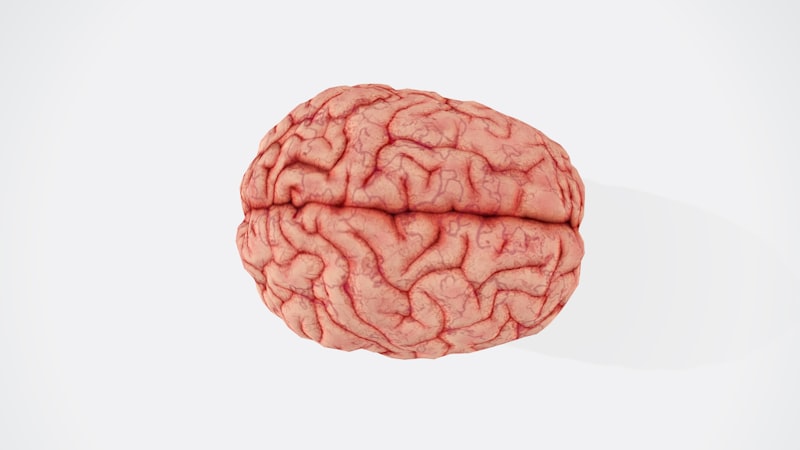
Moreover, the centralized nervous system, characterized by the brain and spinal cord, is fundamentally symmetrical, composed of two cerebral hemispheres that are mirror images in gross structure, though specialized in function (lateralization). Sensory input structures—the eyes, ears, and nostrils—are also paired and symmetrically placed, ensuring accurate stereoscopic vision, stereophonic hearing, and spatial localization of stimuli. This symmetrical input system is essential for the rapid and accurate processing of environmental information, which is a prerequisite for adaptive behavioral responses. The integration of this sensory data by the symmetrical brain structure allows for a coherent, unified perception of the world, further underscoring the functional interdependence of symmetry and neurological organization.
Evolutionary Significance of Bilateral Symmetry
Bilateral symmetry marks a pivotal evolutionary transition, first appearing prominently in the early Cambrian period with the rise of the Bilateria. This body plan provided immense advantages over radially symmetrical or asymmetrical ancestors, fundamentally enabling cephalization—the concentration of sensory organs and nervous tissues at the anterior end, forming a distinct head. This development was crucial for actively moving, directional organisms, allowing them to sense the environment into which they were moving. The establishment of a clear anterior-posterior axis, facilitated by bilateral symmetry, allowed for the development of complex motor patterns and sophisticated predatory behaviors, dramatically increasing evolutionary fitness and contributing to the Cambrian explosion of life forms.
The adaptive value of this symmetrical arrangement lies primarily in its efficiency for movement. Animals that move forward typically encounter their environment head-on, requiring a streamlined body form that minimizes drag and maximizes directional control. Bilateral symmetry provides this hydrodynamic or aerodynamic efficiency, whether the organism is swimming, running, or flying. Furthermore, the development of paired appendages, symmetrically positioned relative to the center of mass, ensures that forces generated during locomotion are balanced, preventing unwanted rotation and ensuring stable movement. This mechanical advantage is a critical factor explaining why the vast majority of motile, complex organisms adhere to this body plan.
From an evolutionary perspective, symmetry often serves as an honest signal of genetic quality and developmental stability. Perfect or near-perfect symmetry suggests that the organism possesses a robust genetic makeup capable of buffering the disruptive effects of environmental stressors, pathogens, and developmental noise during growth. Organisms facing high levels of stress (e.g., nutritional deficiency, disease load, extreme temperatures) often exhibit greater deviations from symmetry, resulting in higher levels of fluctuating asymmetry. Therefore, symmetry evolved not just as an efficient structure, but as a publicly available advertisement of underlying biological robustness, particularly important in contexts of sexual selection.
The ubiquity of bilateral symmetry across disparate phyla, from arthropods and mollusks to chordates, confirms its profound evolutionary success. The genetic pathways controlling the development of the three primary body axes—anterior-posterior, dorsal-ventral, and left-right—are highly conserved, indicating that the bilateral body plan is deeply entrenched in the metazoan lineage. Disruptions to these pathways are typically lethal or severely debilitating, reinforcing the notion that symmetry is not merely an aesthetic preference but a prerequisite for functional viability in complex organisms. This deep evolutionary history underpins its importance in psychological domains, as humans, like many other species, have evolved perceptual mechanisms finely tuned to detect and evaluate symmetrical features.
Bilateral Symmetry and Perception (Visual Processing)
The human cognitive system demonstrates a remarkable efficiency in detecting bilateral symmetry, suggesting that symmetry processing is either hardwired or developed extremely early through interaction with the physical environment. Studies in visual perception confirm that symmetrical patterns are identified faster, processed more easily, and are often preferred aesthetically over asymmetrical counterparts. This preference is hypothesized to stem from an evolutionary advantage: the ability to quickly recognize a symmetrical object allowed for rapid classification (e.g., predator vs. prey, food vs. non-food) and efficient decision-making. The symmetrical arrangement provides a perceptual redundancy that simplifies the computational load on the visual cortex, allowing the brain to extrapolate the whole from just one half of the image.
The neurological underpinnings of symmetry detection involve specialized pathways. Research suggests that the visual system, particularly areas within the extrastriate cortex, is highly sensitive to reflective symmetry. When observers view symmetrical stimuli, there is often enhanced neural activity compared to viewing random or asymmetrical patterns. This rapid, automatic processing indicates that symmetry acts as a powerful Gestalt principle, enabling the brain to impose order and structure onto complex visual scenes. This mechanism is critical for tasks such as pattern recognition, camouflage breaking, and navigating environments where identifying structured objects is paramount to survival.
Furthermore, the context in which symmetry is perceived significantly influences its cognitive impact. Symmetry in biological forms, such as faces or body shapes, carries immense socio-biological weight, triggering emotional and evaluative responses related to attractiveness and health. In contrast, symmetry in inanimate objects, such as geometric shapes or architecture, often elicits aesthetic pleasure and a sense of order. However, the fundamental mechanism—the efficient processing of reflective invariance—remains constant. This dual role of symmetry as both an aesthetic principle and a biological signal highlights its pervasive influence on human cognitive architecture.
The speed and accuracy of symmetry detection are so pronounced that they are often used as metrics in cognitive psychology experiments. For instance, reaction time studies consistently show that participants can categorize symmetrical images significantly faster than asymmetrical ones, even when the stimuli are briefly flashed or degraded. This robust finding underscores the fundamental nature of symmetry in organizing visual experience. The ability to abstract the symmetrical rule from complex noise demonstrates a sophisticated pattern-matching capacity, crucial not only for appreciating art and design but also for the complex social judgments involved in interaction and mate selection.
Symmetry in Psychology: Attractiveness and Mate Selection
Perhaps the most widely studied psychological application of bilateral symmetry concerns its role in attractiveness and mate selection. Numerous cross-cultural studies have demonstrated a robust preference for facial and bodily symmetry, particularly in potential romantic partners. This preference is understood within the framework of evolutionary psychology, where symmetry serves as a powerful, non-verbal indicator of underlying genetic quality, health, and developmental resilience. Highly symmetrical individuals are perceived as more attractive, suggesting that human mate preferences have evolved to favor partners who exhibit fewer signs of environmental stress or genetic anomalies, thereby maximizing the chances of healthy offspring.
The crucial measure in this context is often fluctuating asymmetry (FA), which refers to small, random deviations from perfect bilateral symmetry in paired traits that are symmetrical at the population level. High FA indicates greater developmental instability—the inability of an organism to buffer its development against disruptive forces. Conversely, low FA (high symmetry) signals a superior ability to maintain the intended genetic blueprint despite environmental challenges. This relationship provides the biological underpinning for the psychological preference: humans subconsciously assess FA as a proxy for genetic fitness. Studies have correlated low facial FA with indicators of good health, robust immune function, and better overall physical condition.
The preference for symmetry is not limited to conscious aesthetic judgment but affects physiological and behavioral responses. Research has shown that highly symmetrical individuals are often rated as more dominant, healthier, and generally more desirable. Furthermore, this preference may fluctuate depending on hormonal cycles; women, for example, often show an increased preference for symmetrical male features during the fertile phase of their menstrual cycle, suggesting a fine-tuning of this mechanism to maximize reproductive success when conception is most likely. This cyclical variation reinforces the adaptive nature of symmetry preference as a mechanism of mate choice.
While symmetry is a powerful determinant of attractiveness, it interacts complexly with other factors such as averageness, facial masculinity/femininity, and personality traits. However, symmetry appears to provide a foundational boost to perceived quality. The psychological mechanism may involve a rapid, automatic neural assessment of facial symmetry, followed by the activation of reward pathways, leading to the subjective experience of attraction. This deep integration of anatomical geometry with psychological preference underscores the pervasive influence of bilateral organization on human social and reproductive strategies, linking fundamental biology directly to complex human behavior.
Developmental Stability and Fluctuating Asymmetry
Developmental stability (DS) is a measure of an organism’s ability to undergo precise and controlled development, resulting in a phenotype close to the species norm, despite the presence of environmental perturbations or genetic mutations. Fluctuating asymmetry (FA) is the most common and widely utilized metric for quantifying developmental stability. FA arises when paired traits deviate randomly from perfect symmetry across the population mean, indicating that the developmental system failed to perfectly execute the genetic instructions under stressful conditions. High FA is thus a reliable indicator of low developmental stability and, by extension, poorer overall biological quality.
The measurement of FA is critical in evolutionary biology and behavioral ecology because it provides a non-invasive, quantifiable window into an organism’s underlying stress history and genetic load. Traits commonly measured for FA include finger length, ear placement, elbow width, and specific facial features. Researchers use precise statistical methods to distinguish FA from other forms of asymmetry, such as directional asymmetry (where one side is consistently larger than the other, like the heart placement) or antisymmetry (where the larger side is random but non-zero). True FA is characterized by a mean difference between the left and right sides of zero across the population, with individual deviations following a normal distribution.
The psychological significance of FA stems from the perceptual ability of humans and other animals to detect these subtle deviations, even if they cannot articulate the measurement. Although the differences in FA between highly symmetrical and moderately asymmetrical individuals are often small—sometimes only fractions of a millimeter—the human visual system is exquisitely tuned to detect these minor imperfections, particularly in faces. This heightened sensitivity ensures that the signal of developmental stress is efficiently conveyed during social interactions, impacting judgments of health, fertility, and genetic resilience. Therefore, the degree of bilateral symmetry serves as a powerful, evolutionarily relevant biomarker.
Furthermore, studies investigating the correlation between FA and psychological variables have linked high FA not only to lower attractiveness ratings but also potentially to certain negative personality traits or indicators of suboptimal cognitive function, although these correlations are generally weaker and more contested. The core finding remains that symmetry is strongly linked to overall biological quality. The mechanism by which the body achieves high symmetry—robust homeostatic mechanisms and efficient DNA repair—are the same mechanisms that contribute to longevity and resistance to disease, solidifying the interpretation of low FA as a proxy for fitness and biological excellence.
Cognitive Processing of Symmetry
The cognitive processing of symmetry involves more than just visual preference; it represents a fundamental mechanism by which the brain organizes and interprets sensory input. Symmetry serves as a powerful principle of perceptual organization, allowing for efficient encoding and retrieval of information. When a pattern is symmetrical, the brain only needs to encode the information for one half, significantly reducing the memory and processing load. This efficiency suggests that symmetry detection is an intrinsic optimization strategy employed by the nervous system to handle the immense volume of data received from the visual field.
Neuroscientific investigations using fMRI and EEG techniques have provided insights into the areas of the brain dedicated to symmetry detection. Specific regions in the posterior parietal cortex and occipital lobe show heightened activity when participants are exposed to symmetrical stimuli, supporting the idea of a dedicated neural substrate for processing this geometric structure. Importantly, this processing often occurs pre-attentively; that is, the brain detects symmetry before conscious attention is fully engaged, suggesting an automatic filtering mechanism that prioritizes structured inputs over random noise. This automaticity underscores the evolutionary importance of symmetry as a signal.
Symmetry also plays a critical role in object recognition. Symmetrical objects are more easily identifiable and recognizable across different viewpoints and orientations. This invariance property—where rotating or translating a symmetrical object still preserves its fundamental structure—makes recognition robust against changes in perspective. For organisms requiring rapid identification of objects in a dynamic environment, this cognitive advantage is substantial, enabling faster threat assessment or resource location. The rapid establishment of object constancy is greatly facilitated by the underlying principle of bilateral symmetry.
Furthermore, the ability to process and appreciate symmetry underlies complex human endeavors such as mathematics, art, and architecture. The aesthetic pleasure derived from symmetrical designs is thought to be rooted in the inherent ease of processing these patterns. When an artwork or building adheres to symmetrical principles, it aligns with the brain’s optimized processing mechanism, resulting in a feeling of harmony and correctness. Therefore, the cognitive preference for symmetry bridges the gap between basic biological signal detection and higher-order human aesthetic experience, demonstrating its profound influence across the entire spectrum of psychological function.
Exceptions, Variations, and Internal Asymmetry
While bilateral symmetry is the dominant organizational plan for complex animal life, it is crucial to recognize the systematic and functional deviations that exist, both internally and externally. The most significant structural deviation is the aforementioned visceral asymmetry, where vital internal organs are positioned nonsymmetrically. This controlled, genetically mandated asymmetry is essential for optimal function; for instance, the specific looping of the intestines or the lateralization of the liver maximizes the efficiency of nutrient absorption and detoxification within a confined body cavity. This internal handedness, established early through mechanisms like the Nodal signaling pathway, is highly conserved and non-random.
Beyond internal organ placement, functional lateralization in the nervous system represents another critical deviation. The human brain, while structurally symmetrical, exhibits significant functional asymmetry, most notably in language processing (typically localized to the left hemisphere in right-handed individuals) and spatial awareness. This cerebral lateralization allows for specialized, efficient processing of complex tasks, demonstrating that functional specialization sometimes necessitates a departure from strict symmetry, even within the most critical control structure of the body.
External exceptions to perfect symmetry, aside from fluctuating asymmetry, include instances of developmental disorders or trauma. Pathological asymmetries, such as those resulting from injury or congenital conditions like scoliosis, clearly demonstrate the functional drawbacks of losing the balanced bilateral structure. These cases highlight that while minor fluctuations are tolerated and even used as signals (FA), major or directional asymmetries compromise biomechanical efficiency and aesthetic appeal, reinforcing the functional necessity of the symmetrical blueprint.
In conclusion, bilateral symmetry is not a rigid rule but a highly successful biological strategy that provides the optimal framework for mobile, complex life. Its pervasive influence spans anatomy, evolution, and psychology, serving as a vital signal of fitness and a fundamental principle of cognitive organization. While systematic internal and functional asymmetries exist for specialization, the foundational bilateral architecture remains the crucial determinant of overall structure, efficiency, and perceived quality in the human experience.