Biogenic Amines: The Secret Chemicals Controlling Your Mood
Scientifically Reviewed · Dr. Marwa Abd-Alazim · September 15, 2026
Review Criteria & Clinical Standards
This content undergoes rigorous scientific peer-review and medical editorial standards at Arab Psychology Network to ensure clinical accuracy, validity, and compliance with evidence-based guidelines from leading psychological and healthcare authorities (APA / WHO).
Introduction and Definition of Biogenic Amines
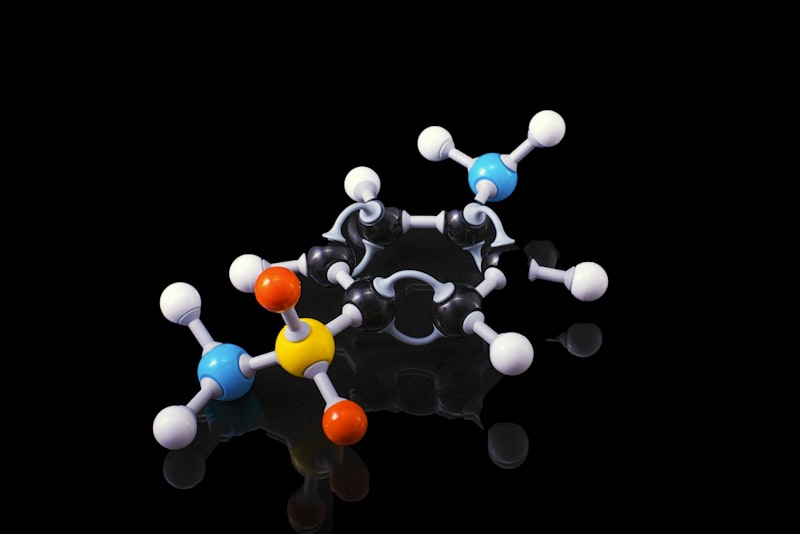
Biogenic amines represent a critical class of biologically active organic compounds essential for the regulation of virtually all physiological processes across the living world. Derived fundamentally from the decarboxylation or transamination of common amino acids, these nitrogenous molecules serve as powerful modulators, signaling molecules, and precursors to various hormones and cofactors. The term biogenic emphasizes their origin within living organisms, while amine refers to the presence of an amino group (–NH₂). These compounds are generated primarily through the enzymatic breakdown of dietary or endogenous proteins, making them intrinsically linked to nutritional intake and metabolic integrity. Their profound influence ranges from the rapid signaling across synaptic clefts in the nervous system to the regulation of localized immune responses and systemic metabolism. Understanding the complex interactions of biogenic amines is central to pharmacology, neuroscience, and nutritional science, as their dysregulation is implicated in numerous major health conditions.
Chemically, biogenic amines are relatively small molecules characterized by their basicity, which allows them to readily interact with specific receptor proteins embedded in cell membranes. This characteristic basicity dictates their solubility and distribution within tissues, often requiring active transport mechanisms to cross barriers such as the blood-brain barrier. The efficiency and selectivity of these compounds are derived not only from their structure but also from the highly regulated enzymatic pathways responsible for their synthesis, storage, release, and inactivation. Key examples include the classic monoamine neurotransmitters—dopamine, norepinephrine, and serotonin—along with compounds like histamine and tyramine. Collectively, they mediate fast and slow signaling events, defining the temporal dynamics of biological communication within the organism.
The initial understanding of biogenic amines highlighted their role simply as intermediate metabolic products. However, decades of research have elevated their status to indispensable regulatory agents. They operate across multiple scales: at the cellular level, influencing membrane potential and gene expression; at the tissue level, controlling vascular tone and glandular secretion; and at the systemic level, coordinating complex behaviors like mood, sleep, appetite, and stress response. Due to their pervasive regulatory function, fluctuations in the concentration or activity of biogenic amines—whether due to genetic predisposition, environmental stress, or pharmacological intervention—can dramatically alter physiological homeostasis, underscoring their importance in both health maintenance and disease pathology.
Classification and Major Subtypes
Biogenic amines are broadly classified based on the chemical structure of their precursor amino acid, leading to several distinct functional categories. This classification is crucial as it often correlates with the specific metabolic pathways, receptor types, and physiological roles associated with the compounds. The primary categories include the Catecholamines, the Indoleamines, and the Ethylamines or Imidazoleamines, among others. While all derived from amino acids, the final molecular architecture dictates which receptors they bind to and, consequently, the biological response they elicit, thereby forming a highly specialized signaling system within the body.
The Catecholamines are perhaps the most studied group, derived from the amino acid tyrosine. This category includes dopamine, norepinephrine (also known as noradrenaline), and epinephrine (adrenaline). Characterized by a catechol nucleus (a benzene ring with two hydroxyl groups) and an amine side chain, these compounds are paramount in regulating the sympathetic nervous system, stress response, and central motivation. Dopamine, for instance, is critical for motor control, reward, and cognition, synthesized initially from tyrosine, which is hydroxylated to DOPA, and then decarboxylated to dopamine. Norepinephrine and epinephrine subsequently derive from dopamine through further enzymatic action, primarily functioning as hormones and neurotransmitters controlling alertness, blood pressure, and heart rate.
The Indoleamines constitute another vital group, predominantly represented by serotonin (5-hydroxytryptamine, or 5-HT), which is synthesized from the essential amino acid L-tryptophan. Serotonin is structurally distinct, featuring an indole ring, and plays a crucial role in regulating mood, sleep cycles, appetite, and gastrointestinal motility. Unlike the catecholamines, which are concentrated in areas like the adrenal medulla and specific brain nuclei, serotonin is widely distributed, with approximately 90% residing in the enteric nervous system (the gut). This broad distribution reflects its diverse functions, influencing processes as varied as platelet aggregation and intestinal peristalsis.
Other significant classes include the Imidazoleamines, exemplified by histamine, derived from histidine. Histamine is notorious for its role in allergic and inflammatory responses, acting powerfully on local vascular permeability and smooth muscle contraction. Furthermore, amines like tyramine and phenylethylamine, though often referred to as trace amines, also exhibit psychoactive properties and interact with dedicated trace amine-associated receptors (TAARs), suggesting accessory roles in neurotransmission and neuromodulation that are still being fully elucidated by contemporary research.
Biosynthesis, Storage, and Metabolism Pathways
The highly specific function of biogenic amines necessitates rigorous control over their life cycle, which encompasses complex processes of biosynthesis, vesicular storage, controlled release, and rapid enzymatic inactivation. The metabolic pathways involved are highly conserved across species, ensuring that the concentration of these potent signaling molecules remains precisely balanced to prevent either deficiency or toxic accumulation. These processes often occur within specialized neurons or endocrine cells that possess the necessary rate-limiting enzymes and transport proteins.
The biosynthesis of biogenic amines is typically initiated by the uptake of their precursor amino acid into the cell, followed by a series of enzymatic modifications. A key step for most biogenic amines is decarboxylation, mediated by L-amino acid decarboxylase (AADC) or similar enzymes, which removes the carboxyl group and yields the active amine. For example, tyrosine is converted to DOPA via tyrosine hydroxylase (the rate-limiting step for catecholamine synthesis), and DOPA is then decarboxylated to dopamine. Tryptophan is hydroxylated to 5-hydroxytryptophan before being decarboxylated to serotonin. The efficiency of these pathways is often regulated by feedback mechanisms and the availability of essential cofactors, such as Vitamin B6 (pyridoxal phosphate), which is crucial for decarboxylase activity.
Once synthesized, biogenic amines are not immediately released into the synapse or circulation; rather, they are actively packaged into synaptic vesicles by specialized vesicular monoamine transporters (VMATs). This storage mechanism is critical for two reasons: first, it protects the amines from intracellular degradation by enzymes; and second, it allows for their rapid, quantified release upon the arrival of an action potential. The release process itself is calcium-dependent exocytosis, ensuring that signaling occurs only when necessary. Drugs that interfere with VMAT function, such as reserpine, can deplete amine stores, highlighting the vulnerability of this storage step.
Metabolic inactivation is equally important to terminate the signal and recycle the components. The primary enzymes responsible for the breakdown of monoamines are Monoamine Oxidase (MAO) and Catechol-O-methyltransferase (COMT). MAO, which exists in two isoforms (MAO-A and MAO-B), deaminates the amines, while COMT methylates catecholamines. These enzymes convert the active amines into inactive metabolites, which are subsequently excreted. Pharmacological agents known as MAO Inhibitors (MAOIs) are used clinically to block this breakdown, thereby increasing the concentration and duration of action of biogenic amines in the synapse, which is a key strategy in treating certain mood disorders.
Role in Neurotransmission and the Central Nervous System
Within the central nervous system (CNS), biogenic amines function predominantly as neurotransmitters and neuromodulators, exerting widespread influence over complex behaviors, emotional states, and cognitive functions. Their ability to affect vast networks of neurons stems from their relatively diffuse projections emanating from small nuclei in the brainstem and midbrain, allowing a focused release event to modulate activity across entire brain regions simultaneously.
Dopamine is central to the brain’s reward system, playing a fundamental role in motivation, pleasure, and reinforcement learning. Projections from the Ventral Tegmental Area (VTA) to the Nucleus Accumbens (the mesolimbic pathway) are crucial for mediating feelings of reward and are heavily implicated in addictive behaviors. Furthermore, the nigrostriatal pathway, projecting from the Substantia Nigra to the striatum, is essential for initiating and controlling voluntary movement. Degeneration of these dopaminergic neurons is the hallmark pathology of Parkinson’s disease, resulting in severe motor deficits. Dopamine also influences frontal lobe functions related to executive control and working memory.
Serotonin (5-HT) is crucial for regulating affective states. Originating primarily from the Raphe nuclei, serotonergic projections are extensive, modulating sleep-wake cycles, thermoregulation, pain perception, and most notably, mood. Deficits or imbalances in serotonin transmission have been strongly linked to mood disorders such as major depressive disorder (MDD) and anxiety disorders. The efficacy of Selective Serotonin Reuptake Inhibitors (SSRIs), which block the reuptake of serotonin back into the presynaptic neuron, thereby increasing its synaptic concentration, provides strong evidence for the central role of this indoleamine in emotional regulation.
Norepinephrine (NE) acts as a key neurotransmitter in the CNS, primarily associated with arousal, vigilance, and the “fight or flight” response. Neurons originating in the Locus Coeruleus (LC) project widely throughout the cortex and cerebellum, driving attention and regulating the level of responsiveness to external stimuli. In conjunction with epinephrine (adrenaline), which acts more prominently as a peripheral hormone, NE helps manage the body’s acute stress response, preparing the organism for immediate action. Dysregulation of NE pathways is implicated in attention deficit hyperactivity disorder (ADHD) and certain forms of anxiety.
Peripheral Functions and Systemic Regulation
While the neuroregulatory roles of biogenic amines often receive the most attention, their functions in the periphery—outside the CNS—are equally vital for systemic homeostasis, involving regulation of the cardiovascular system, immune response, and gastrointestinal activity. In peripheral tissues, these compounds frequently act as local hormones, paracrine signaling agents, or sympathetic postganglionic neurotransmitters.
Histamine is perhaps the most prominent peripheral biogenic amine, derived from mast cells and basophils within the immune system, as well as specific neurons in the hypothalamus. Its peripheral function is overwhelmingly associated with the immune and allergic response. Upon exposure to allergens or tissue injury, histamine is rapidly released, leading to vasodilation, increased capillary permeability (resulting in swelling and redness), and contraction of smooth muscle, particularly in the bronchi. The clinical use of antihistamines, which block histamine receptors (H1 receptors), underscores its potent role in mediating inflammatory symptoms. Additionally, histamine plays a crucial role in regulating gastric acid secretion via H2 receptors in the stomach lining.
The peripheral activity of Norepinephrine and Epinephrine is central to the operation of the autonomic nervous system. Released by sympathetic postganglionic neurons (NE) and the adrenal medulla (Epinephrine), these catecholamines regulate cardiovascular dynamics. They increase heart rate (chronotropy), strengthen the force of contraction (inotropy), and modulate vascular tone, ensuring appropriate blood pressure distribution during periods of physical exertion or stress. Epinephrine, in particular, mobilizes energy reserves by promoting glycogenolysis in the liver, demonstrating its interconnectedness with metabolic pathways.
Even Serotonin, despite its fame as a neurotransmitter, performs critical non-neuronal functions. Over 90% of the body’s serotonin is synthesized and stored in the enterochromaffin cells of the gut mucosa. Here, it regulates intestinal motility and secretion (peristalsis). Furthermore, when released from damaged endothelial cells, serotonin is taken up by platelets, where it aids in hemostasis (blood clotting) and vasoconstriction. Disorders of peripheral serotonin function are linked to conditions like irritable bowel syndrome (IBS), highlighting the necessity of balanced amine activity both centrally and peripherally.
Historical Context of Discovery
The recognition of biogenic amines as powerful biological agents spans more than a century, marking a foundational period in pharmacology and neuroscience. Early investigations often focused on the profound physiological effects observed when crude extracts of glandular tissues were administered, long before the precise chemical structures of the active components were known. This historical trajectory illustrates the gradual shift from observing systemic effects to identifying molecular mechanisms.
The initial breakthroughs occurred in the late 19th and early 20th centuries. In 1895, George Oliver and Edward Schäfer demonstrated that extracts from the adrenal glands caused a dramatic rise in blood pressure, leading to the isolation of epinephrine (adrenaline) shortly thereafter by Jokichi Takamine in 1901. This was the first hormone to be isolated and crystallized in a pure form. Further research in the 1920s, notably by Walter Cannon, established the role of adrenaline and its close relative, noradrenaline, in the sympathetic nervous system and the stress response, coining the famous term “fight or flight.”
The critical understanding of these compounds as neurotransmitters lagged somewhat. While Otto Loewi famously demonstrated chemical neurotransmission using acetylcholine in the 1920s, the role of monoamines in the central nervous system was firmly established later. The discovery of serotonin in the 1940s was initially related to its role in constricting blood vessels (hence sero-tonin, or serum-tonic agent). However, in 1948, Maurice Rapport’s identification of its chemical structure paved the way for subsequent findings by Betty Twarog and others, confirming its presence and function as a major neurotransmitter in the brain during the 1950s.
The era spanning the 1950s and 1960s cemented the field. Scientists like Arvid Carlsson conducted pioneering work demonstrating that dopamine was not merely a precursor to norepinephrine but a distinct neurotransmitter with its own critical functions, particularly in motor control. Carlsson’s work, which showed that administering L-DOPA could alleviate Parkinsonian symptoms in animals, revolutionized the understanding and treatment of neurological disorders and eventually earned him the Nobel Prize. These historical discoveries laid the groundwork for the molecular psychopharmacology revolution, enabling the targeted development of drugs affecting amine metabolism and receptor binding.
Clinical Significance and Disease Implications
The delicate balance of biogenic amine activity is paramount for maintaining mental and physical well-being, and consequently, their dysregulation is central to the etiology and manifestation of numerous pathological conditions. Clinical research continuously focuses on modulating amine pathways to treat disorders ranging from neurodegenerative conditions to mood and anxiety disorders, illustrating their powerful therapeutic relevance.
In the realm of mental health, imbalances in serotonin and norepinephrine are strongly associated with Major Depressive Disorder (MDD) and Bipolar Disorder. The Monoamine Hypothesis of Depression posits that depression results from a functional deficit of these neurotransmitters in key brain circuits. Pharmacological interventions, such as SSRIs (targeting serotonin) and SNRIs (targeting both serotonin and norepinephrine), aim to correct this functional deficit. Furthermore, severe psychiatric disorders like schizophrenia often involve complex dysregulation of dopamine systems, particularly hyperdopaminergic activity in the mesolimbic pathway, leading to positive symptoms like psychosis.
Neurodegenerative diseases are profoundly linked to amine system failure. As mentioned previously, the loss of dopaminergic neurons in the substantia nigra leads directly to the motor symptoms of Parkinson’s disease. Conversely, the treatment relies heavily on manipulating the dopamine pathway—primarily through the administration of L-DOPA, a dopamine precursor that can cross the blood-brain barrier. In addition, changes in norepinephrine and serotonin levels have been observed in Alzheimer’s disease, suggesting that amine deficits contribute to the cognitive and behavioral symptoms associated with neurodegeneration.
Beyond the CNS, peripheral amine dysregulation causes significant clinical issues. Excessive histamine release characterizes allergic reactions and anaphylaxis, necessitating treatment with antagonists. In the gastrointestinal system, altered serotonin signaling is implicated in functional bowel disorders. Moreover, certain drugs and foods containing high levels of specific biogenic amines, such as tyramine found in aged cheeses or cured meats, can precipitate hypertensive crises in individuals taking MAO inhibitor medications, illustrating the critical importance of metabolic regulation in preventing peripheral toxicity.
Conclusion and Future Research Directions
Biogenic amines are indisputably one of the most critical classes of endogenous molecules, functioning as fundamental chemical messengers that mediate communication across the nervous, endocrine, and immune systems. Derived from simple amino acids, these compounds—including dopamine, serotonin, norepinephrine, and histamine—govern essential processes such as mood, movement, vigilance, and immune response. Their profound involvement in the maintenance of homeostasis means that the study of their biosynthesis, receptor mechanisms, and metabolism remains central to modern biological and medical sciences.
Future research is increasingly focusing on the subtlety of amine signaling. While early research focused on overall amine levels, contemporary studies are investigating the differential roles of specific receptor subtypes (e.g., the 14 distinct serotonin receptor subtypes) and the impact of trace amines and their associated receptors (TAARs), which may provide novel targets for therapeutic development. Furthermore, the burgeoning field of the gut-brain axis is highlighting the intricate two-way communication mediated by peripherally synthesized amines like serotonin, challenging the traditional view of CNS exclusivity.
The complexity of biogenic amine interactions, particularly the synergistic and compensatory roles they play, offers both challenges and opportunities. Continued investigation utilizing advanced techniques, such as optogenetics and sophisticated molecular imaging, promises to reveal the fine-grained circuitry governed by these compounds, ultimately leading to more precise and personalized pharmacological treatments for a wide spectrum of human diseases, from depression and Parkinson’s disease to inflammatory conditions.
References for Further Reading
To delve deeper into the complex biochemistry and clinical applications of biogenic amines, the following scholarly references are recommended:
- Hou, J., & Peng, L. (2020). Biogenic amines: Sources, properties, and applications. Critical Reviews in Food Science and Nutrition, 60(17), 2587-2603.
- Engel, J. (2002). Neurotransmitters and neuromodulators: The biochemistry of their synthesis and metabolism. Pharmacological Reviews, 54(3), 827-871.
- Sussman, N., & Seeman, P. (2008). Biogenic amines and their receptors: A review. Neuropsychopharmacology, 33(1), 31-51.
- Dunn, A. J., & Swiergiel, A. H. (2008). Biogenic amines and the neurobiology of stress. In G. Fink, D. W. Pfaff, & J. Levine (Eds.), Handbook of Neuroendocrinology. Elsevier.