Gut-Brain Axis: Why Your Stress Triggers Digestive Bloat
Scientifically Reviewed · Dr. Marwa Abd-Alazim · October 12, 2026
Review Criteria & Clinical Standards
This content undergoes rigorous scientific peer-review and medical editorial standards at Arab Psychology Network to ensure clinical accuracy, validity, and compliance with evidence-based guidelines from leading psychological and healthcare authorities (APA / WHO).
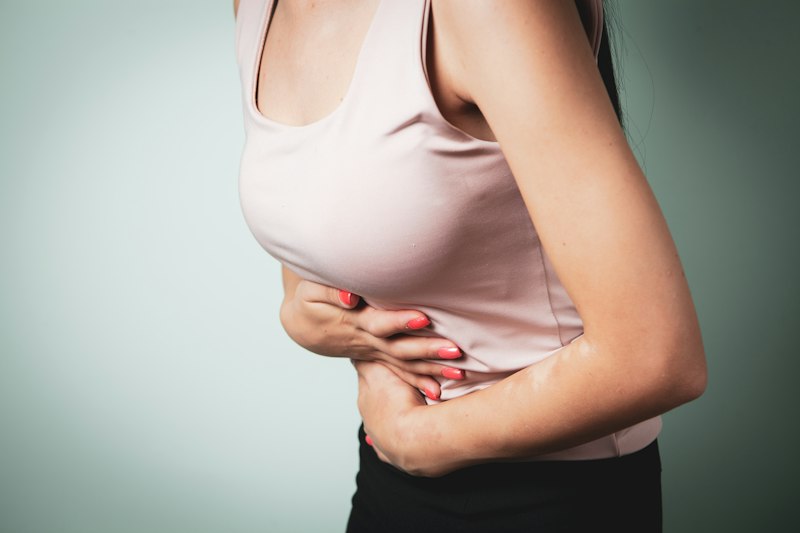
Bloating is a common gastrointestinal (GI) symptom that is characterized by the feeling of abdominal fullness, tightness, and distention. It is often accompanied by abdominal pain, discomfort, and flatulence. Bloating is a common symptom experienced by all individuals, but the degree of distention and associated discomfort can vary from mild to severe. The causes of bloating are numerous and can be divided into four main categories: diet, gut microbiome, hormonal changes, and underlying medical conditions.
Diet is one of the most common causes of bloating. Eating large meals and consuming hard-to-digest foods, such as legumes, can lead to bloating. Eating foods high in artificial sweeteners and sugar alcohols can cause bloating as well. Drinking carbonated beverages and consuming foods high in soluble fiber can also lead to bloating.
The gut microbiome is another common cause of bloating. Imbalances in the gut microbiota can lead to bloating and can be caused by certain medications, such as antibiotics, as well as poor dietary choices. The gut microbiota plays an important role in digestion and the breakdown of food, and an imbalance can lead to fermentation of undigested carbohydrates, resulting in gas production and bloating.
Hormonal changes can also cause bloating. During the menstrual cycle, levels of the hormones estrogen and progesterone can fluctuate, leading to an increase in water retention and bloating. Additionally, certain hormonal medications, such as birth control pills, can cause bloating.
In some cases, bloating can be a sign of an underlying medical condition. Irritable bowel syndrome (IBS), lactose intolerance, and small intestinal bacterial overgrowth (SIBO) are all potential causes of bloating. Additionally, certain food allergies can result in bloating.
Treatment of bloating depends on the underlying cause. Diet changes, such as reducing the intake of foods that are difficult to digest and avoiding artificial sweeteners, may help with bloating. Additionally, probiotics can be used to restore the balance of the gut microbiota. In cases of hormonal changes, hormonal medications can be used to reduce water retention. In cases of underlying medical conditions, such as IBS or SIBO, medications can be used to reduce the symptoms.
In conclusion, bloating is a common symptom experienced by all individuals and can be caused by a variety of factors, including diet, the gut microbiome, hormonal changes, and underlying medical conditions. Treatment depends on the underlying cause and can include dietary changes and medications.
References
El-Salhy, M., Ystad, S. O., & Gundersen, D. (2015). Bloating and flatulence: Mechanisms and management. World Journal of Gastroenterology, 21(14), 4271-4281.
Whelan, K., Quigley, E. M., & O’Mahony, L. (2015). Diet and the irritable bowel syndrome: What role do fermentable carbohydrates play?. International Journal of Food Sciences and Nutrition, 66(1), 8-17.
Vojvodic, A., & Stojanovic, S. (2017). The role of hormones in bloating and abdominal distention. Frontiers in Endocrinology, 8, 131.
Lilja, G., & Simrén, M. (2018). Irritable bowel syndrome: From diagnosis to treatment. World Journal of Gastroenterology, 24(14), 1584-1603.