Cranial Morphology: How Skull Shape Shapes Social Bias
Scientifically Reviewed · Dr. Marwa Abd-Alazim · October 13, 2026
Review Criteria & Clinical Standards
This content undergoes rigorous scientific peer-review and medical editorial standards at Arab Psychology Network to ensure clinical accuracy, validity, and compliance with evidence-based guidelines from leading psychological and healthcare authorities (APA / WHO).
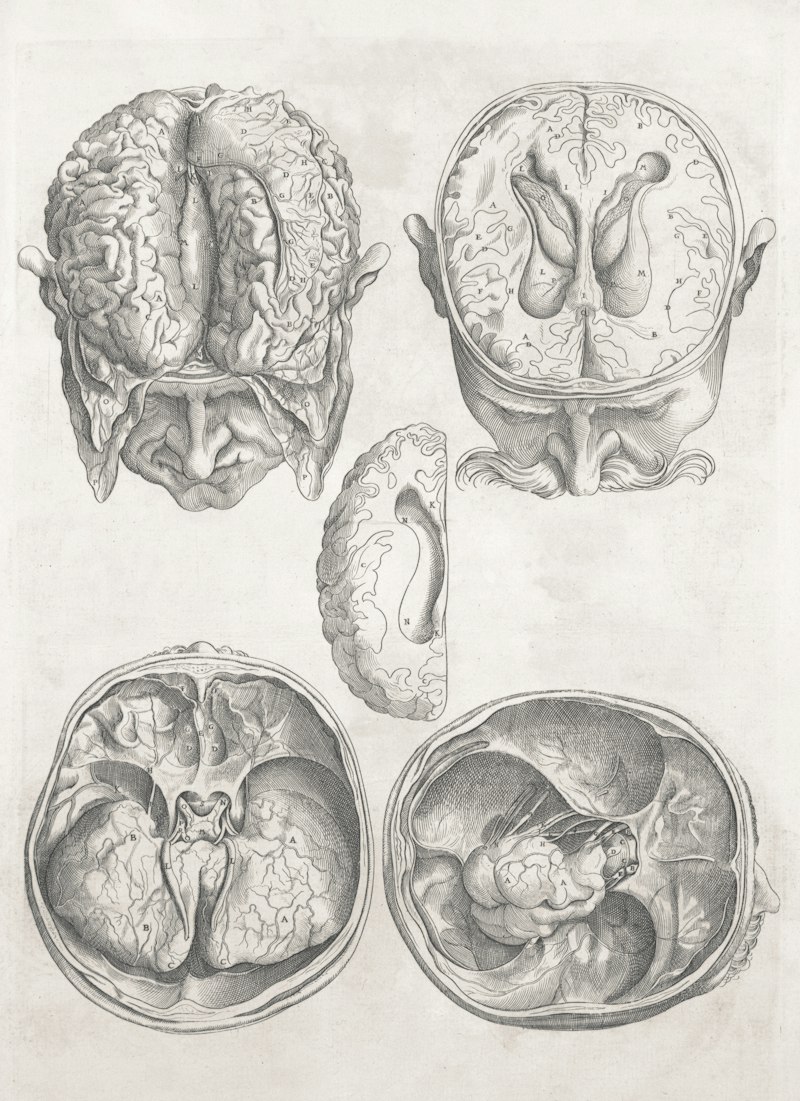
The Core Definition of Brachycephaly
Brachycephaly, derived from Greek words meaning “short” and “head,” describes a specific cranial shape characterized by an abnormally wide and short skull. In a medical context, it is often discussed in relation to craniosynostosis, a congenital condition where one or more sutures between the skull bones of an infant close prematurely. This premature fusion restricts the natural expansion of the skull perpendicular to the affected suture, leading to compensatory growth in other directions and resulting in the distinctive flattened head shape. While some degree of head shape variation is normal, severe brachycephaly can indicate underlying developmental issues that warrant clinical investigation.
The fundamental mechanism behind brachycephaly, particularly when pathological, involves the disruption of normal skull growth dynamics. A baby’s skull is composed of several bony plates separated by fibrous joints called sutures, which allow the skull to expand rapidly to accommodate the growing brain during infancy. In brachycephaly, if a coronal suture fuses too early, or if there’s external pressure consistently applied to the back of the head, the skull cannot grow lengthwise, leading to a wider and shorter appearance. Understanding this interplay between bone development and brain growth is crucial for appreciating the potential implications of this condition.
It is also important to note the increasing prevalence of positional brachycephaly in infants, a non-synostotic form often linked to modern infant care practices. This distinction is critical as it guides diagnosis and management, differentiating between a potentially serious medical condition requiring intervention and a largely cosmetic concern amenable to conservative measures.
Unpacking the Etiology: Causes and Risk Factors
The causes of brachycephaly are diverse, ranging from intrinsic developmental anomalies to extrinsic environmental influences. Primarily, when discussing brachycephaly in a clinical context, it refers to either a true craniosynostosis or positional (deformational) brachycephaly. Craniosynostosis-related brachycephaly arises from the premature fusion of skull bones, often due to genetic mutations that affect bone formation or the connective tissue between skull plates. These mutations can be sporadic or inherited, leading to a range of syndromic and non-syndromic forms of craniosynostosis, each with its own specific genetic fingerprint and clinical presentation.
Conversely, positional brachycephaly, which has seen an increase in incidence, is largely attributed to environmental factors, particularly sustained pressure on the back of an infant’s head. This often results from infants spending extended periods lying on their backs, a practice widely recommended to reduce the risk of Sudden Infant Death Syndrome (SIDS). While vital for SIDS prevention, this recommendation, coupled with limited “tummy time” or varied positioning, can lead to a flattening of the occipital region of the skull, resulting in the characteristic wide and short appearance. Other external forces, such as tight swaddling or certain types of headgear, can also contribute to this deformational variant.
It is important to differentiate between these two main etiologies, as their management and long-term prognoses differ significantly. True craniosynostosis, involving premature fusion, can potentially restrict brain growth and development if left untreated, while positional brachycephaly, though aesthetically concerning, rarely poses a direct threat to brain development. However, both forms warrant careful assessment to rule out underlying issues and to provide appropriate guidance to parents regarding cranial development and infant care practices, emphasizing early detection and intervention.
Historical Perspectives on Cranial Development and Abnormalities
The study of cranial development and its abnormalities has roots stretching back centuries, with early observations of unusual head shapes noted in ancient civilizations. However, the systematic understanding of conditions like craniosynostosis and brachycephaly began to emerge with advancements in anatomy and medicine. Key historical figures like Rudolf Virchow, a prominent German physician and anthropologist in the 19th century, made significant contributions by describing the premature fusion of cranial sutures and establishing principles of cranial growth that are still relevant today. Virchow’s law, for instance, posits that growth is restricted perpendicular to a fused suture, with compensatory growth occurring in parallel sutures.
In the 20th century, as pediatric medicine and neurosurgery evolved, more sophisticated classifications and surgical techniques for craniosynostosis began to take shape. The development of imaging technologies, such as X-rays and later CT scans, revolutionized diagnosis, allowing clinicians to visualize the cranial sutures and underlying brain structures with unprecedented clarity. This period also saw an increased focus on the developmental consequences of cranial deformities, prompting research into long-term cognitive and neurological outcomes and the recognition of the critical window for intervention.
More recently, the late 20th and early 21st centuries have witnessed a rise in awareness and incidence of positional brachycephaly, largely due to public health campaigns advocating supine sleeping for infants. This shift has prompted renewed research into infant head shape development, the effectiveness of conservative management strategies like helmet therapy, and the psychological impact of visible cranial deformities on children and their families. This historical trajectory underscores a continuous evolution in both the scientific understanding and clinical management of conditions affecting cranial morphology.
Diagnostic Approaches and Early Intervention
The diagnosis of brachycephaly typically commences with a thorough physical exam conducted by a pediatrician or specialist. During this examination, the clinician meticulously assesses the infant’s head shape, looking for characteristic signs such as a flattened occiput, increased head width, and possibly bulging of the temporal regions. Palpation of the skull sutures is crucial to detect any ridges or fusions that might indicate craniosynostosis. The overall head circumference and shape are often measured and plotted against growth charts to monitor trends and identify deviations from normative development, providing an initial baseline for assessment.
If craniosynostosis is suspected based on the physical examination, further diagnostic imaging is usually warranted. A plain X-ray of the skull can provide an initial assessment of the sutures, revealing signs of premature fusion. However, for a more definitive diagnosis and to differentiate between positional brachycephaly and true craniosynostosis, a computed tomography (CT) scan is often considered the gold standard. A CT scan offers detailed three-dimensional images of the skull, allowing for precise visualization of all sutures, identification of any fusions, and assessment of the underlying brain parenchyma for any signs of increased intracranial pressure or associated anomalies.
Early intervention is paramount, especially in cases of true craniosynostosis, where timely diagnosis and treatment can significantly impact developmental outcomes. Prompt identification allows for appropriate medical or surgical planning, which can prevent potential complications related to brain compression and facilitate optimal brain growth and development. For positional brachycephaly, early recognition enables parents to implement conservative strategies, such as repositioning techniques and increased “tummy time,” which are most effective when initiated during the infant’s early months when the skull is most malleable and responsive to external molding.
Management Strategies and Their Developmental Implications
The management approach for brachycephaly is dictated by its underlying cause. For cases of true craniosynostosis, where there is premature fusion of skull bones, surgery is often the primary treatment. The goal of surgical intervention is to release the fused sutures, reshape the skull, and create adequate space for the growing brain. These procedures are typically performed by specialized neurosurgeons or craniofacial surgeons, ideally within the first 12 months of life, when the skull bones are still relatively pliable and the brain is undergoing its most rapid growth phase. Early surgical correction aims to prevent potential complications such as elevated intracranial pressure, visual impairments, and developmental delays, thereby supporting optimal neurocognitive development.
In contrast, positional brachycephaly, which accounts for the vast majority of cases, is typically managed with conservative strategies. These include repositioning techniques, where parents are advised to regularly change the infant’s head position during sleep and waking hours to alleviate pressure on the flattened area. Increased “tummy time” is also a critical recommendation, as it strengthens neck muscles, reduces pressure on the back of the head, and promotes motor development. For more severe cases of positional brachycephaly, or when conservative measures are insufficient, cranial orthotic helmets may be prescribed. These custom-fitted helmets gently redirect skull growth over several months, encouraging symmetrical head shape development.
Beyond the direct physical interventions, the developmental implications of brachycephaly and its management extend to psychological and social domains. Parents often experience anxiety and concern regarding their child’s appearance and potential developmental trajectory. Therefore, comprehensive care includes not only medical treatment but also parental education, emotional support, and, when necessary, referrals to developmental specialists. Monitoring for developmental milestones and providing early intervention services, such as physical therapy or occupational therapy, can be crucial to address any associated motor delays or other developmental challenges, ensuring a holistic approach to the child’s well-being.
The Broader Impact: Psychological and Social Dimensions
While brachycephaly is fundamentally a condition affecting physical cranial development, its broader impact extends significantly into the psychological and social spheres, particularly for children and their families. The visible alteration in head shape can be a source of considerable parental anxiety and distress. Parents may worry about their child’s physical appearance, potential social stigma, and the long-term implications for cognitive development and overall well-being. This emotional burden underscores the importance of sensitive communication and robust psychological support from healthcare providers, ensuring that families feel heard and understood throughout the diagnostic and treatment journey.
For children themselves, especially as they grow older, a significantly altered head shape can potentially lead to self-consciousness, body image issues, and challenges in social interactions. Although most infants with positional brachycephaly do not experience cognitive impairments directly linked to the head shape, the focus on their appearance can sometimes overshadow attention to their developmental progress. Furthermore, the process of diagnosis and management, particularly if it involves surgery or prolonged helmet therapy, can be stressful for both the child and family, requiring resilience and adaptation and potentially impacting early parent-child bonding experiences.
Therefore, comprehensive care for brachycephaly extends beyond medical interventions to include psychosocial support. Pediatric psychologists and social workers can play a vital role in helping families cope with the diagnosis, manage treatment adherence, and address any developmental concerns. Educating families on realistic outcomes, fostering positive coping strategies, and encouraging an environment of acceptance and self-esteem are crucial components in mitigating the potential psychological and social impacts of this condition, ensuring that children can thrive developmentally and emotionally within their social environments.
Connections to Developmental Psychology and Related Fields
Brachycephaly, despite its primary medical classification, holds significant connections to various subfields within developmental psychology and other related disciplines. From a developmental perspective, the integrity of the skull is intrinsically linked to early brain development. While positional brachycephaly rarely impacts brain growth directly, true craniosynostosis can, if severe and untreated, lead to restrictions that impinge upon brain expansion, potentially influencing neurocognitive trajectories. Developmental psychologists are interested in understanding how such physical conditions might correlate with, or contribute to, variations in cognitive, motor, and socio-emotional development, emphasizing the importance of early environmental enrichment.
The field of cognitive development is particularly relevant when considering the potential impacts of severe brachycephaly or craniosynostosis on brain function. Researchers investigate whether altered brain morphology or increased intracranial pressure in early life could lead to subtle or overt delays in cognitive milestones, language acquisition, or executive functions. Early intervention studies often examine the efficacy of surgical or conservative treatments not just on head shape correction, but also on optimizing developmental outcomes, highlighting the interdisciplinary nature of care and research and the long-term follow-up required.
Furthermore, brachycephaly touches upon aspects of social psychology through the lens of body image, social perception, and potential stigmatization. As children with visible differences grow, their experiences with peers and the broader social environment can influence their self-concept and social adaptation. The role of family systems, parental stress, and attachment theory also comes into play, demonstrating how a medical condition can ripple through the entire psychosocial fabric of a child’s early life, necessitating a comprehensive, family-centered approach to care. Thus, a holistic understanding of brachycephaly requires an appreciation of these intricate developmental, cognitive, and social dimensions.
A Practical Illustration of Developmental Support
Consider the case of Baby Leo, a healthy infant who, at two months old, was diagnosed with moderate positional brachycephaly. His parents, initially concerned about his flattened head, were reassured by their pediatrician that it was not craniosynostosis but rather due to his preferred sleeping position and limited “tummy time.” This scenario provides a practical illustration of how developmental support can be integrated into the management of brachycephaly, fostering parental engagement and proactive care.
The “how-to” for Baby Leo involved a multi-faceted approach, centered on parental education and consistent implementation. First, his parents were educated on repositioning techniques: they were advised to alternate Leo’s head position during naps and sleep, using gentle cues to encourage him to look left and right. Second, “tummy time” was significantly increased, starting with short, supervised sessions multiple times a day. This not only relieved pressure on the back of his head but also strengthened his neck, shoulder, and core muscles, crucial for later motor development and achievement of milestones like rolling and sitting. Third, his parents were encouraged to engage him actively in various positions during play, such as holding him upright or in a carrier, to minimize prolonged pressure on any single area of his skull and promote symmetrical development.
Over several months, with consistent parental effort and regular follow-ups, Baby Leo’s head shape gradually improved, becoming more rounded and symmetrical. This practical example highlights the importance of early identification, comprehensive parental education, and consistent application of conservative developmental strategies. It demonstrates how simple, non-invasive interventions, when applied early and diligently, can effectively address positional brachycephaly, supporting both physical cranial development and broader motor skill acquisition without the need for more intensive medical interventions. Furthermore, it empowered the parents by giving them actionable strategies to positively influence their child’s development.
Conclusion and Future Directions
Brachycephaly, characterized by a disproportionately wide and short skull, represents a spectrum of conditions ranging from benign positional deformities to more complex forms of craniosynostosis. While its causes can be attributed to genetic factors, environmental influences like sustained supine positioning are increasingly recognized as significant contributors to the rising incidence of positional brachycephaly in infants. Diagnosis relies primarily on physical examination, often supplemented by advanced imaging techniques such as CT scans to differentiate between the various etiologies and ensure accurate identification of the underlying cause.
Management strategies are tailored to the specific cause, with surgical intervention reserved for true craniosynostosis to ensure proper brain growth and prevent neurological complications, and conservative approaches like repositioning and helmet therapy employed for positional brachycephaly. Beyond the physical aspects, the psychological and social implications for affected children and their families necessitate a comprehensive, multidisciplinary approach to care. This includes providing robust parental support, addressing developmental concerns, and fostering positive coping mechanisms to mitigate potential psychosocial challenges that may arise from the condition or its treatment.
Future directions in the understanding and management of brachycephaly involve further research into the genetic underpinnings of craniosynostosis, refinement of non-invasive treatment modalities for positional brachycephaly, and longitudinal studies assessing the long-term neurocognitive and psychosocial outcomes across the spectrum of conditions. Continuous efforts in public health education regarding infant positioning, coupled with advancements in diagnostic and therapeutic interventions, will be crucial in optimizing outcomes for children affected by brachycephaly and ensuring their holistic development into healthy, well-adjusted individuals.