Neuroscience: Decoding the Architecture of Your Mind
Scientifically Reviewed · Dr. Marwa Abd-Alazim · October 13, 2026
Review Criteria & Clinical Standards
This content undergoes rigorous scientific peer-review and medical editorial standards at Arab Psychology Network to ensure clinical accuracy, validity, and compliance with evidence-based guidelines from leading psychological and healthcare authorities (APA / WHO).
The Core Definition of Brain Research
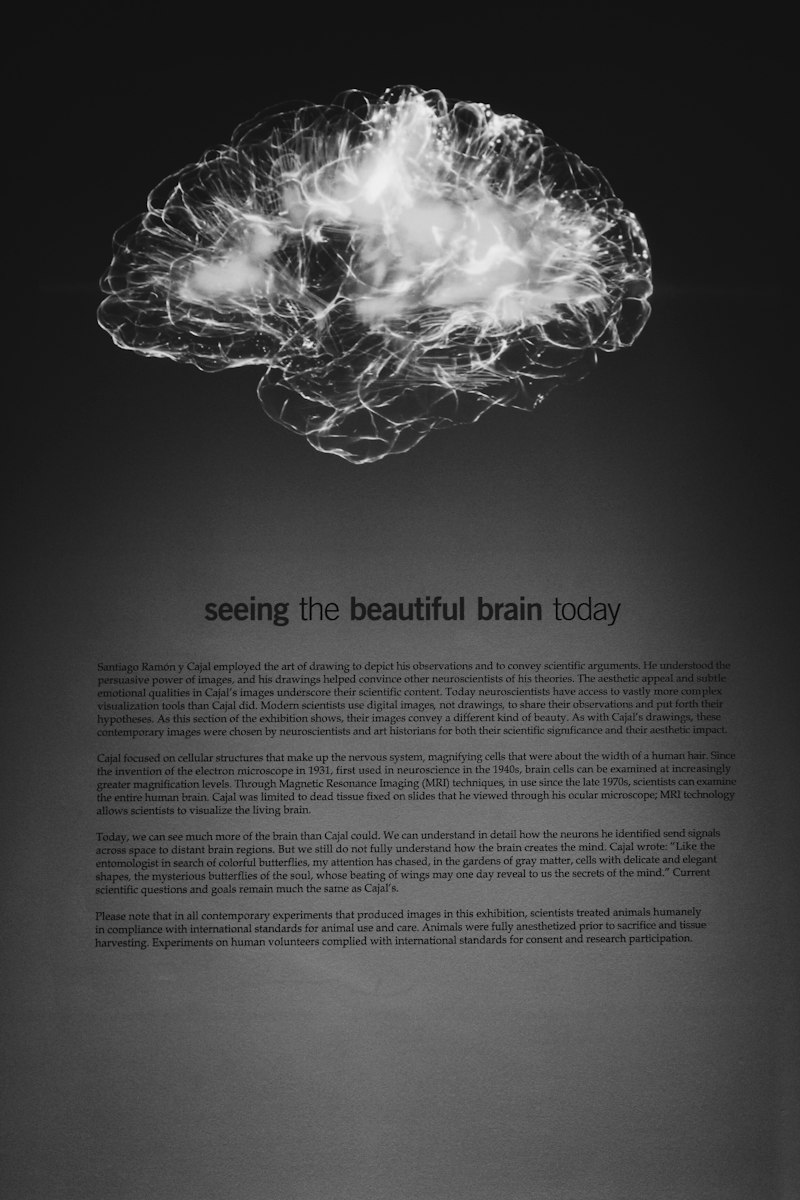
Brain research encompasses the systematic investigation into the structure, function, development, disorders, and evolution of the nervous system, with a primary focus on the brain. This complex and dynamic organ serves as the central command center for virtually all human experience, orchestrating everything from fundamental physiological processes like breathing and heart rate to sophisticated cognitive functions such as decision-making, emotion regulation, and motor control. Essentially, brain research seeks to unravel the mysteries of how this intricate biological machine enables thought, perception, memory, and consciousness, and how these processes can go awry in various neurological and psychiatric conditions.
The fundamental mechanism underlying brain function involves the intricate communication between billions of specialized cells called neurons. These neurons transmit electrical and chemical signals across vast networks, forming the basis of all mental and physical activities. Brain research delves into understanding these cellular and molecular interactions, exploring how neural circuits are formed, how they process information, and how they adapt over time through mechanisms like synaptic plasticity. This investigation spans multiple levels of analysis, from the genetic and molecular underpinnings of individual neurons to the large-scale functional organization of entire brain regions, highlighting the profoundly interdisciplinary nature of the field.
The core principle driving brain research is the quest to map the brain’s enormous complexity, connecting its physical architecture to its emergent properties. This involves identifying specific brain regions associated with particular functions, understanding how these regions interact, and deciphering the neural codes that encode information. Furthermore, a significant aspect of this research involves studying the brain’s development from conception through old age, examining how it changes in response to experience, learning, and injury. By piecing together these diverse elements, researchers aim to construct a comprehensive model of brain function, paving the way for advancements in medicine, technology, and our fundamental understanding of what it means to be human.
Historical Context and Evolution of Brain Research
The study of the brain has a long and fascinating history, evolving from ancient philosophical inquiries to modern empirical neuroscience. Early civilizations, such as the Egyptians, recognized the brain’s presence but often dismissed its importance, sometimes even discarding it during mummification. The Greek physician Hippocrates, in the 5th century BCE, was among the first to propose that the brain was the seat of intelligence and emotion, challenging earlier notions that placed these functions in the heart. Later, Galen, a Roman physician in the 2nd century CE, conducted detailed dissections of animal brains, observing their fluid-filled ventricles and speculating on their role in sensation and movement, a theory that dominated thought for over a millennium.
The Renaissance brought renewed anatomical investigation, though functional understanding remained primitive. It was not until the 19th century that significant breakthroughs began to emerge, largely driven by advancements in microscopy and staining techniques. Key figures like Santiago Ramón y Cajal and Camillo Golgi, sharing the Nobel Prize in 1906, revolutionized our understanding of neural structure. Golgi developed a silver nitrate staining method that allowed visualization of individual neurons, while Cajal, using Golgi’s technique, meticulously mapped neural circuits, leading to the “neuron doctrine” – the concept that the brain is composed of discrete individual cells rather than a continuous network.
Simultaneously, the concept of localization of function gained traction, with researchers like Paul Broca and Carl Wernicke identifying specific brain regions responsible for language production and comprehension through studies of patients with brain injuries. This era marked a crucial shift from purely anatomical descriptions to linking specific brain structures with behavioral and cognitive functions. The 20th century then witnessed an explosion of research, integrating psychology, physiology, and biochemistry, laying the groundwork for modern interdisciplinary neuroscience and the development of sophisticated tools to probe the living brain.
Key Methodologies: Structural and Functional Imaging
One of the most transformative advancements in modern brain research has been the development of non-invasive neuroimaging techniques, allowing scientists to visualize brain structures and activity in living individuals. Among these, Magnetic Resonance Imaging (MRI) stands out for its ability to provide high-resolution images of brain anatomy without using ionizing radiation. MRI operates by placing a patient in a powerful magnetic field, which aligns the protons in the body’s water molecules. Radiofrequency currents are then pulsed through the patient, briefly knocking the protons out of alignment. When the radiofrequency is turned off, the protons relax back into alignment, releasing energy that is detected by the scanner. Different tissues relax at different rates, allowing computers to construct detailed images of brain structures like gray matter, white matter, and cerebrospinal fluid, which is crucial for identifying anatomical abnormalities or changes over time.
Building upon the principles of MRI, Functional Magnetic Resonance Imaging (fMRI) revolutionized the study of brain function by measuring changes in blood flow associated with neural activity. When a specific brain region becomes active, it requires more oxygenated blood. fMRI detects these changes in blood oxygenation levels – known as the Blood-Oxygen-Level-Dependent (BOLD) signal – without the need for external contrast agents. By monitoring the BOLD signal, researchers can infer which brain areas are most active during various cognitive tasks, such as language processing, emotional responses, or motor movements. This technique provides unparalleled spatial resolution for functional mapping, enabling scientists to pinpoint the neural correlates of complex mental processes with remarkable precision, though its temporal resolution (how quickly it detects changes) is limited by the relatively slow hemodynamic response.
While MRI and fMRI offer incredible insights into brain structure and function, they are often complemented by other imaging modalities. Computed Tomography (CT) scans, for instance, use X-rays to create cross-sectional images of the brain, particularly useful for detecting acute conditions like hemorrhages or fractures, though with less detail than MRI. Positron Emission Tomography (PET) scans, on the other hand, involve injecting a radioactive tracer into the bloodstream, which accumulates in metabolically active brain regions. PET can measure various physiological processes, including glucose metabolism, neurotransmitter activity, and receptor binding, providing biochemical insights that fMRI cannot. Each imaging technique thus offers unique advantages, contributing to a multifaceted understanding of the brain’s intricate workings.
Electrophysiological and Neurochemical Approaches
Beyond imaging structural and metabolic activity, brain research extensively utilizes electrophysiological techniques to directly measure the electrical activity of the brain. Electroencephalography (EEG) is a prominent example, involving the placement of electrodes on the scalp to detect the summed electrical potentials generated by thousands of neurons firing synchronously. These electrical signals, often displayed as waveforms, reflect underlying brain states (e.g., wakefulness, sleep) and cognitive processes. EEG boasts excellent temporal resolution, allowing researchers to track brain activity changes with millisecond precision, making it invaluable for studying rapid neural responses to stimuli, diagnosing neurological disorders like epilepsy, and investigating sleep architecture.
Complementing EEG, Event-Related Potentials (ERPs) are derived from EEG data by averaging brain responses to specific stimuli or events. This averaging technique filters out random background noise, revealing consistent patterns of electrical activity locked in time to a particular stimulus or cognitive process. ERP components, characterized by their latency and amplitude, are associated with distinct stages of information processing, such as early sensory encoding, attention allocation, and cognitive evaluation. For instance, the P300 component is often linked to surprise or novelty detection, while the N400 is associated with semantic incongruity. These precise temporal markers provide critical insights into the sequential nature of cognitive operations in the brain.
Furthermore, brain research delves into the neurochemical basis of brain function, investigating the roles of neurotransmitters, hormones, and other signaling molecules. Pharmacological manipulation, as mentioned in the original content, is a key approach in this area. By administering specific drugs that either mimic or block the action of certain neurotransmitters (e.g., dopamine, serotonin, acetylcholine), researchers can observe the resulting changes in behavior, cognition, and neural activity. This helps to elucidate the causal roles of these chemicals in processes like mood regulation, learning, and motor control, providing crucial information for understanding and treating psychiatric and neurological conditions. Techniques like microdialysis also allow for direct measurement of neurotransmitter concentrations in specific brain regions.
Animal Models and Genetic/Molecular Insights
While human studies provide invaluable insights, ethical and practical limitations often necessitate the use of animal models in brain research, particularly for investigating fundamental biological mechanisms and testing potential therapies. Animals such as rodents (mice, rats), fruit flies, and non-human primates share significant genetic and physiological similarities with humans, making them suitable subjects for studying complex brain processes. Researchers employ a variety of techniques in animal models, including lesioning (selectively damaging specific brain regions to observe functional deficits), detailed electrophysiology (recording activity from individual neurons or small populations), and advanced pharmacological manipulation to explore how the brain processes information and how it is affected by different drugs and other stimuli. The ability to precisely control genetic background, environmental factors, and experimental interventions in animal models allows for rigorous causal inference that is often difficult to achieve in human studies.
Furthermore, the advent of sophisticated genetic and molecular approaches has opened new frontiers in brain research, moving beyond circuit-level analysis to the fundamental building blocks of neural function. This involves examining the effects of specific genetic mutations on brain development and function, providing insights into the molecular etiology of neurological and psychiatric disorders. Techniques like CRISPR-Cas9 gene editing allow scientists to precisely modify genes in animal models, creating disease models or investigating the roles of specific genes in neural circuit formation and function. Researchers can also identify genes that may be associated with various brain disorders through large-scale genomic studies, paving the way for targeted therapies.
At the molecular level, scientists investigate the expression of genes, the synthesis of proteins, and the intricate signaling pathways that govern neuronal communication and plasticity. Techniques such as optogenetics and chemogenetics have revolutionized the ability to precisely control neuronal activity using light or designer drugs, respectively, allowing for unprecedented manipulation and study of specific neural circuits in living animals. These cutting-edge methods enable researchers to dissect the complex molecular and cellular mechanisms underlying various brain functions and dysfunctions, bridging the gap between genetic blueprints and observable behaviors, and offering powerful tools for understanding the brain’s remarkable complexity from its most basic components.
A Practical Example of Brain Research Application
To illustrate the multifaceted nature of brain research, consider the practical example of investigating how the brain processes and remembers traumatic events, a key area of study in understanding conditions like Post-Traumatic Stress Disorder (PTSD). A real-world scenario might involve a researcher aiming to understand why some individuals develop persistent, intrusive memories after trauma while others do not. This question necessitates a comprehensive approach, integrating various brain research methodologies to explore the underlying neural and molecular mechanisms that differentiate these responses.
The “how-to” of this research would involve several steps. Initially, researchers might use fMRI to scan the brains of individuals who have experienced trauma, comparing those with PTSD symptoms to resilient individuals and healthy controls. During the scan, participants might be shown trauma-related cues or asked to recall traumatic memories. The fMRI would allow researchers to observe differences in brain activity in key regions such as the amygdala (involved in fear processing), the hippocampus (critical for memory formation and contextualization), and the prefrontal cortex (involved in emotional regulation and executive control). Findings might reveal hyperactivation of the amygdala and hypoactivation of the prefrontal cortex in individuals with PTSD, suggesting impaired emotional regulation and exaggerated fear responses.
Following this, researchers could employ EEG to examine the precise timing of neural responses to traumatic stimuli, identifying early attentional biases or altered emotional processing within milliseconds. Concurrently, genetic and molecular studies would be conducted, analyzing blood or saliva samples to identify genetic markers or epigenetic changes (e.g., DNA methylation patterns) that are associated with increased vulnerability or resilience to trauma. This could involve looking at genes related to stress hormones like cortisol or neurotransmitters like serotonin. Finally, to establish causality and test potential interventions, animal models (e.g., rodents exposed to stress paradigms) could be utilized. In these models, researchers might use optogenetics to manipulate specific neuronal circuits identified in human fMRI studies, observing how this affects fear memory consolidation and extinction, and testing novel pharmacological agents that target identified genetic or molecular pathways to alleviate trauma-related behaviors. This integrated approach allows for a deep, multi-level understanding of a complex psychological phenomenon.
Significance and Impact of Brain Research
Brain research holds profound significance for the entire field of psychology and beyond, serving as the biological bedrock for understanding human behavior, cognition, and emotion. By elucidating the neural mechanisms underlying mental processes, it bridges the gap between the mind and the body, providing empirical evidence for psychological theories. Understanding how the brain learns, remembers, perceives, and decides offers crucial insights into normal psychological functioning and sheds light on the origins of psychological dysfunctions. This foundational knowledge is indispensable for developing comprehensive models of human experience, moving beyond purely descriptive accounts to mechanistic explanations rooted in neurobiology.
The practical applications of brain research are vast and continue to expand across numerous domains. In the clinical realm, it has revolutionized the diagnosis and treatment of a wide array of neurological and psychiatric disorders. For instance, advanced neuroimaging techniques aid in the early detection of conditions like Alzheimer’s disease and Parkinson’s disease, while insights into neurotransmitter systems have led to the development of targeted pharmacological treatments for depression, anxiety disorders, and schizophrenia. Furthermore, brain research informs therapeutic interventions such as deep brain stimulation for movement disorders and severe depression, offering hope for conditions previously deemed untreatable.
Beyond clinical applications, brain research influences fields like education, informing strategies for optimizing learning and memory based on how the brain processes information. In marketing, neuromarketing leverages insights into consumer decision-making and reward pathways. Moreover, the study of brain-computer interfaces (BCIs), directly inspired by brain research, promises revolutionary technologies for assistive devices for individuals with paralysis or communication disorders. Ultimately, brain research is not merely about understanding a biological organ; it is about comprehending the very essence of human experience, improving quality of life, and pushing the boundaries of what is possible in medicine, technology, and self-understanding.
Connections to Other Psychological Concepts and Fields
Brain research is inherently interdisciplinary, forming vital connections with numerous other psychological concepts and subfields, as well as broader scientific disciplines. It provides the biological underpinnings for cognitive psychology, explaining how neural circuits enable processes such as perception, attention, memory, language, and problem-solving. For example, research on the hippocampus‘s role in memory formation or the prefrontal cortex‘s role in executive functions directly informs cognitive models. Similarly, developmental psychology benefits immensely from brain research by studying how the brain matures from infancy through adolescence and into old age, understanding critical periods of plasticity and the neural basis of developmental disorders.
The connections extend deeply into clinical psychology and abnormal psychology, where understanding brain dysfunction is paramount. Research into the neurobiological correlates of mental health disorders like schizophrenia, bipolar disorder, and obsessive-compulsive disorder helps to refine diagnostic criteria, identify biomarkers, and develop more effective pharmacological and psychotherapeutic interventions. By mapping structural and functional abnormalities in the brains of individuals with these conditions, researchers can tailor treatments to specific neural pathways, moving towards precision psychiatry.
Furthermore, brain research intersects with social psychology in fields like social cognitive neuroscience, exploring the neural bases of social cognition, empathy, moral decision-making, and group behavior. It also contributes to evolutionary psychology by investigating how brain structures and functions have evolved over millennia to adapt to environmental challenges. The broader category that brain research primarily belongs to is neuroscience, an expansive interdisciplinary field that draws upon biology, psychology, medicine, chemistry, physics, computer science, and engineering to achieve a holistic understanding of the nervous system. This rich network of connections underscores the central role of brain research in advancing scientific knowledge across diverse domains.