Mild Traumatic Brain Injury: Healing the Invisible Wound
Scientifically Reviewed · Dr. Marwa Abd-Alazim · September 12, 2026
Review Criteria & Clinical Standards
This content undergoes rigorous scientific peer-review and medical editorial standards at Arab Psychology Network to ensure clinical accuracy, validity, and compliance with evidence-based guidelines from leading psychological and healthcare authorities (APA / WHO).
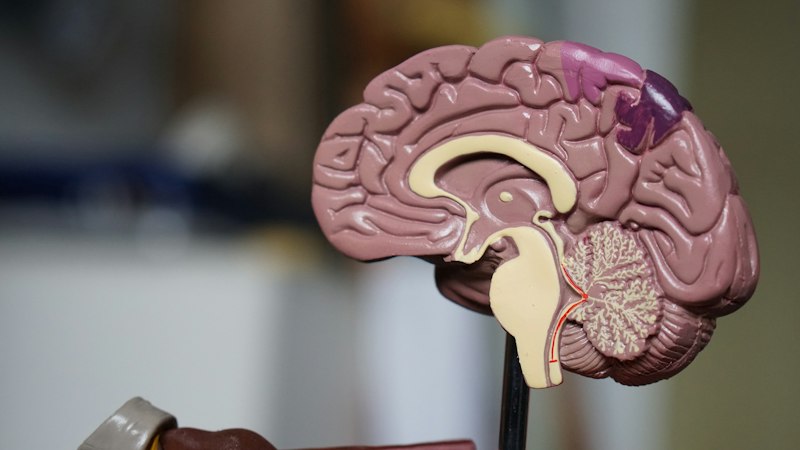
Definition and Etiology of Brain Concussion
A brain concussion, formally categorized as a mild form of traumatic brain injury (mTBI), represents a complex pathophysiological process affecting the brain, typically induced by biomechanical forces. It is fundamentally defined as a transient neurological dysfunction resulting from a direct blow to the head, or an indirect force such as whiplash or sudden jarring that causes the brain to accelerate and decelerate rapidly within the skull. This physical trauma initiates a cascade of neurochemical and metabolic changes, temporarily disrupting normal cerebral activity without necessarily causing macroscopic structural damage visible on conventional neuroimaging scans. Although the term “mild” is used in the clinical classification, it is crucial to recognize that a concussion is a serious injury requiring careful management, as it involves significant, albeit reversible, functional compromise to the central nervous system. The mechanisms of injury often involve rotational forces, which shear and strain neuronal axons, leading to widespread but subtle cellular disturbance.
The etiology of concussions is diverse, stemming from various activities where head impact or rapid movement is common. Common causes include participation in contact sports, motor vehicle accidents, falls, and assaults. In the context of sports, the frequency and cumulative effect of subconcussive impacts are gaining increasing attention, although a classic concussion usually results from a single, forceful event. Regardless of the source, the underlying mechanism involves the transmission of kinetic energy through the skull and cerebrospinal fluid to the delicate brain tissue. This sudden transfer of energy momentarily exceeds the brain’s tolerance threshold, leading to a functional shutdown or disruption of electrochemical signaling pathways necessary for maintaining consciousness and cognitive integrity. Understanding the precise circumstances of the injury is paramount for clinical assessment, as it provides critical insight into the magnitude and direction of the forces involved.
Historically, a concussion was often minimized as merely “getting your bell rung,” but modern neuroscience confirms it is a genuine injury that temporarily disrupts brain function. The critical distinction between a concussion and more severe forms of TBI lies in the expected outcome: a concussion is characteristically followed by a full and spontaneous recovery, though the duration of this recovery can vary significantly among individuals. This expectation of recovery distinguishes mTBI from moderate or severe TBI, where permanent structural damage and long-term deficits are more common. However, the presence of even a brief loss of consciousness (LOC) is evidence of a profound, albeit temporary, physiological shock to the brainstem or reticular activating system, reinforcing the need for immediate withdrawal from activity and thorough medical evaluation to rule out intracerebral hemorrhage or other life-threatening complications.
Pathophysiology: Mechanisms of Injury
The immediate consequence of the biomechanical trauma that causes a concussion is a transient ionic flux across neuronal membranes, often termed the “ionic storm.” This rapid depolarization event leads to the massive, uncontrolled release of excitatory neurotransmitters, notably glutamate, into the synaptic cleft. This excessive release is neurotoxic and forces an emergency energy demand on the brain. Specifically, the efflux of potassium ions and the influx of calcium ions into the neurons trigger cellular swelling and further metabolic distress. The cell must expend significant energy, primarily through the sodium-potassium pump, to restore ionic homeostasis, leading to a state of hypermetabolism coupled with a temporary reduction in cerebral blood flow, resulting in an energy crisis where demand significantly outstrips supply.
Following the initial ionic and excitotoxic cascade, a period of relative cerebral metabolic depression ensues. While the brain is desperately trying to restore balance, mitochondria, the cellular powerhouses, become dysfunctional, further exacerbating the energy shortage. This metabolic vulnerability typically peaks within the first 24 to 72 hours post-injury and can persist for days or weeks. During this time, the brain is extremely susceptible to secondary injury. The temporary functional disruption inherent in a concussion is thus explained by this combination of metabolic mismatch and impaired neurotransmission, which interrupts the complex signaling networks responsible for attention, memory processing, and overall executive function. It is this underlying physiological disturbance, rather than gross structural damage, that accounts for the constellation of cognitive and somatic symptoms experienced by the patient.
Furthermore, the physical jarring, particularly involving rotational acceleration, induces widespread axonal injury known as diffuse axonal injury (DAI), even in its mildest form consistent with concussion. Although severe DAI involves actual tearing of axons, concussive forces cause subtle stretching and swelling of these white matter tracts. These mechanical stresses impair axonal transport, leading to delayed disconnection of neurons and contributing significantly to the functional deficits observed, such as slow processing speed and difficulty multitasking. The integrity of the white matter is crucial for efficient communication between different brain regions, and its temporary impairment is a key component of the concussive pathology. This understanding underscores why cognitive rest is as vital as physical rest during the acute recovery phase, allowing the metabolically stressed neurons and compromised axons time to repair and normalize function.
Clinical Presentation and Immediate Symptoms
The clinical presentation of a brain concussion is highly variable, but there is a recognized cluster of classic signs and symptoms that facilitate diagnosis. Clinically, the most definitive sign of functional disruption is a period of altered mental status, which may range from momentary confusion or disorientation to a complete, though temporary, loss of consciousness. The immediate impact often results in the patient appearing dazed or stunned, unable to recall the events immediately preceding or following the injury. According to established clinical guidelines, the classic symptoms of brain concussion typically include a severe headache, often described as pressure or throbbing, significant disorientation, and acute memory loss, specifically involving post-traumatic or retrograde amnesia.
Somatic symptoms are frequently reported and can significantly impair the patient’s quality of life during the acute phase. These commonly include nausea, sometimes accompanied by vomiting, dizziness or vertigo, and sensitivity to light (photophobia) and sound (phonophobia). The physiological disruption also manifests as problems with visual processing and balance, which are critical indicators for assessing injury severity and determining fitness for return to activity. It is important to note that loss of consciousness is not a mandatory criterion for diagnosing a concussion; in fact, the majority of concussive injuries occur without any period of unconsciousness, although its presence often signals a higher magnitude of trauma and greater immediate physiological disruption.
Cognitive and emotional changes represent another major domain of concussive symptomatology. Patients often report feeling mentally “foggy,” experiencing slowed reaction times, difficulty concentrating, and issues with complex problem-solving. Emotional lability, irritability, anxiety, and changes in sleep patterns (insomnia or excessive sleepiness) are also common immediate sequelae. These diverse symptoms are direct reflections of the widespread but transient metabolic and ionic disturbance affecting various functional regions of the brain. Because symptoms can evolve over hours or days, continuous monitoring of the patient’s neurological status is essential following the injury event to detect any deterioration that might indicate a progression to a more serious intracranial pathology, such as an evolving hematoma.
Diagnosis and Assessment Criteria
The diagnosis of a brain concussion is primarily clinical, relying heavily on the patient’s subjective reporting of symptoms and objective observations made by medical personnel or bystanders. Unlike more severe TBI, standard structural neuroimaging, such as CT scans or MRI, is typically normal in concussion, as the injury is primarily functional rather than structural. Therefore, standardized assessment tools are employed to evaluate the spectrum of symptoms and cognitive impairments. These tools often include the Sport Concussion Assessment Tool (SCAT) or similar instruments that evaluate symptom severity, balance, and orientation status, providing a structured framework for immediate sideline or clinical assessment.
A critical factor in determining the immediate severity of the injury is the patient’s level of awareness and responsiveness immediately following the trauma. The duration of unconsciousness helps determine the severity in injury, although even brief LOC is considered a significant marker of neurophysiological compromise. A prolonged period of unconsciousness suggests a more severe injury involving deeper structures of the brainstem and warrants immediate emergency investigation. Furthermore, the length of time over which the patient experiences post-traumatic amnesia (PTA)—the inability to recall events immediately after the injury—is another robust indicator of the magnitude of the impact and is often correlated with the speed of recovery. Assessment of the patient’s Glasgow Coma Scale (GCS) score immediately post-injury is standard practice; a score of 13 to 15 typically defines mTBI, consistent with concussion.
The diagnostic process requires ruling out alternative or co-existing diagnoses, such as cervical spine injury, skull fracture, or intracranial hemorrhage. Although most concussions do not require advanced imaging, scans are mandated if “red flag” signs are present, including worsening headache, recurrent vomiting, focal neurological deficits (e.g., weakness or numbness), or progressive decline in the level of consciousness. The complexity of concussion diagnosis lies in the fact that there is no single, definitive biomarker; rather, the diagnosis is synthesized from a careful history of the injury mechanism, a detailed symptom checklist, and objective cognitive and balance testing. Accurate assessment is crucial for establishing a baseline for monitoring recovery and preventing the potentially catastrophic consequences of returning to activity too soon.
Prognosis and Recovery Patterns
The prognosis for a typical brain concussion is overwhelmingly positive, characterized by the expectation of full and spontaneous recovery. For the vast majority of patients—estimated at 80 to 90 percent—symptoms resolve completely within seven to ten days, though this timeline can be longer in adolescents and young adults due to ongoing brain development and metabolic vulnerability. The recovery process involves the normalization of the ionic environment, restoration of mitochondrial function, and repair of subtly damaged axonal pathways. Initially, management focuses heavily on both physical and cognitive rest to minimize energy demands on the healing brain, thereby accelerating the return to baseline function.
However, recovery is not always linear, and the trajectory can be influenced by several factors, including the patient’s age, injury history (specifically previous concussions), the presence of pre-existing conditions like migraines or learning disabilities, and the mechanism of injury. A prolonged period of symptoms beyond the typical 10-day window warrants further investigation and specialized multidisciplinary treatment, as it suggests the development of Post-Concussion Syndrome (PCS). Patients are typically advised to gradually reintroduce cognitive activities before resuming physical exertion, following a structured, stepwise protocol designed to ensure symptoms do not recur or worsen during the rehabilitation process. Monitoring sleep patterns and mood stability are also essential components of managing the recovery phase.
The concept of spontaneous recovery underscores the brain’s inherent plasticity and restorative capabilities following temporary functional impairment. During the acute phase, the brain employs compensatory mechanisms to manage the metabolic crisis. Successful recovery is marked by the patient’s ability to fully return to their pre-injury level of functioning across academic, occupational, social, and physical domains without the persistence of debilitating symptoms. Emphasis must be placed on patient education regarding the importance of adherence to recovery guidelines, as premature return to high-risk activities drastically increases the risk of a second impact syndrome, a rare but often fatal complication of concussion occurring before the initial injury has fully healed.
Post-Concussion Syndrome (PCS)
While most patients recover swiftly, a significant minority experience persistent symptoms lasting weeks, months, or even years, a condition clinically defined as Post-Concussion Syndrome (PCS). PCS is diagnosed when three or more of the characteristic symptoms—including headache, dizziness, fatigue, irritability, insomnia, concentration difficulty, or memory problems—persist beyond the expected recovery window. The underlying pathophysiology of PCS is complex and believed to involve a combination of lingering physiological disturbance (such as persistent cerebral metabolic dysfunction or subtle white matter changes) and psychological factors, including anxiety, depression, and pain amplification loops.
The persistence of symptoms in PCS often necessitates a comprehensive, multidisciplinary approach to management. Treatment typically involves neurologists, neuropsychologists, physical therapists, and psychiatrists working collaboratively to address the specific symptom cluster. For example, persistent dizziness or balance problems may require vestibular rehabilitation therapy, while chronic headaches often benefit from pharmacological management and specialized pain clinics. Cognitive rehabilitation is crucial for addressing ongoing difficulties with executive function and information processing, helping patients develop coping strategies to manage their workload and academic demands effectively.
It is important to differentiate the physiological components of PCS from co-existing psychological factors that may prolong recovery. Chronic pain, stress related to disrupted life routines, and fear avoidance behaviors can amplify perceived symptoms. Therefore, psychological intervention, such as cognitive behavioral therapy (CBT), plays a vital role in managing the emotional consequences of the injury, including frustration, anxiety, and depressive symptoms that often accompany prolonged recovery periods. Early recognition and aggressive management of risk factors, such as previous mental health issues or severe initial symptom load, are key to mitigating the likelihood of developing debilitating PCS.
Management and Treatment Protocols
The management of an acute brain concussion follows a structured protocol centered on rest and symptom management. The initial treatment phase emphasizes complete physical and cognitive rest for 24 to 48 hours following the injury to reduce the metabolic load on the recovering neurons. Cognitive rest is particularly critical and includes minimizing activities that require intense concentration, such as screen time, reading, texting, or schoolwork. Pharmacological interventions are generally limited to managing symptoms like headache (using non-opioid analgesics) and nausea, while avoiding drugs that might mask worsening neurological signs.
Following the initial rest period, treatment transitions to a gradual, symptom-limited return-to-activity strategy. This usually involves a stepwise progression, often structured into stages, beginning with light daily activities and progressing through light aerobic exercise, non-contact sport-specific drills, and eventually, full-contact practice, provided the patient remains asymptomatic at each stage. If symptoms recur or worsen during any stage, the patient must immediately revert to the previous asymptomatic level of activity. This methodical approach is essential to prevent premature exposure to risk and ensure the underlying physiological recovery is complete before challenging the brain with high-intensity tasks.
Specific therapeutic interventions are tailored to the individual’s persistent symptoms. For example, patients experiencing persistent convergence insufficiency or ocular tracking issues often benefit from vision therapy prescribed by a neuro-optometrist. Similarly, those with significant cervical pain or post-traumatic headaches frequently require physical therapy focusing on neck stabilization and posture correction, as musculoskeletal injuries often co-exist with concussions. The overarching goal of these protocols is not merely symptom suppression but facilitating the complete restoration of neurophysiological function, guided by clinical expertise and objective measures of balance and cognitive performance.
Long-Term Neurological Risks
While the acute prognosis for a single concussion is generally favorable, growing scientific evidence highlights potential long-term risks associated with repetitive head trauma, particularly in athletes exposed to multiple concussions or repeated subconcussive blows over their career. The most serious long-term concern is the development of Chronic Traumatic Encephalopathy (CTE), a progressive neurodegenerative disease linked to repetitive brain trauma. CTE is pathologically characterized by the accumulation of hyperphosphorylated tau protein deposits in the brain, distinct from those seen in Alzheimer’s disease, leading to atrophy and profound clinical deterioration.
The clinical manifestations of CTE typically emerge years or decades after the exposure to trauma has ceased and include progressive decline in memory and executive function, behavioral changes such as impulsivity and aggression, mood disorders, and eventually, motor symptoms. Although the precise incidence and risk factors for CTE are still under intense investigation, particularly regarding the threshold of injury required for its development, current research strongly suggests a dose-dependent relationship between the number and severity of head impacts and the risk of later neurological decline. This concern has driven major policy changes in sports organizations regarding player safety, equipment standards, and concussion management protocols.
Beyond CTE, repetitive concussions may also contribute to an increased risk of developing other neurodegenerative conditions, including Parkinson’s disease and dementia, or may exacerbate pre-existing psychiatric conditions. Furthermore, individuals with a history of multiple concussions often report persistent, subtle cognitive deficits, even years after apparent clinical recovery, affecting complex tasks requiring speed and efficiency of processing. Therefore, while recovery from a single concussive event is typically complete, the cumulative effect of head injuries necessitates ongoing research into prevention strategies, improved diagnostic tools, and long-term surveillance programs for high-risk populations to mitigate these profound neurological risks.