Brain Reserve: Build Your Cognitive Shield
Scientifically Reviewed · Dr. Marwa Abd-Alazim · September 12, 2026
Review Criteria & Clinical Standards
This content undergoes rigorous scientific peer-review and medical editorial standards at Arab Psychology Network to ensure clinical accuracy, validity, and compliance with evidence-based guidelines from leading psychological and healthcare authorities (APA / WHO).
Defining Brain Reserve Capacity
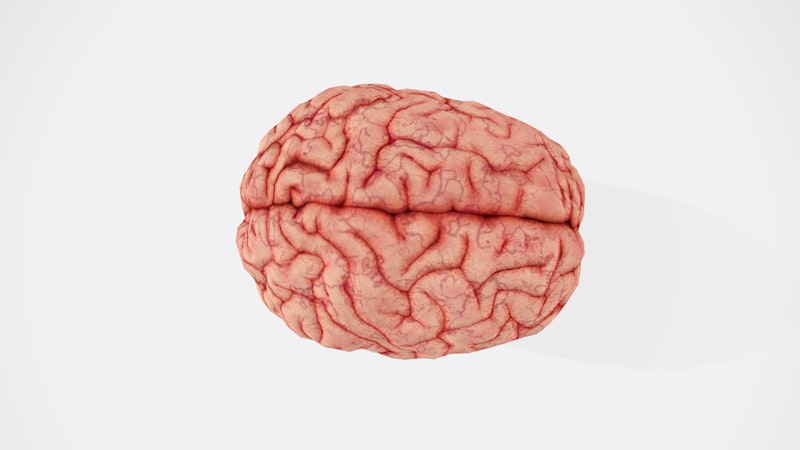
Brain Reserve Capacity, often simply termed Brain Reserve (BR), refers to the intrinsic ability of the central nervous system to withstand the detrimental effects of pathological insults, such as disease, trauma, or aging, without manifesting overt clinical symptoms or functional deficits. This concept posits that the brain possesses a degree of resilience, where healthy or undamaged neural tissue can effectively compensate for the functions normally performed by regions that have become diseased or destroyed. This compensatory mechanism allows individuals with higher levels of reserve to maintain cognitive integrity and functional independence for a significantly longer duration, even in the presence of substantial underlying neuropathology that would severely compromise an individual with lower reserve. The definition hinges on the idea of a structural or passive buffer, where sheer quantity or quality of neural resources provides protection against loss, delaying the moment when accumulated damage crosses the critical threshold necessary to trigger measurable clinical impairment.
The core principle underlying Brain Reserve Capacity is the observation of a stark disconnect between the actual level of observable neuropathology—such as amyloid plaques, neurofibrillary tangles, or vascular lesions—and the clinical expression of cognitive decline. It is frequently noted in post-mortem studies that two individuals may harbor the same severe extent of Alzheimer’s disease pathology, yet one may have been clinically diagnosed with severe dementia, while the other remained largely asymptomatic throughout their life. This discrepancy is the empirical basis for the reserve hypothesis, suggesting that the brain structure itself, through factors like neuronal count, synaptic density, or overall brain volume, provides a protective buffer that determines the individual’s threshold for clinical manifestation. Therefore, a brain with higher reserve requires a greater magnitude of damage before the clinical signs of deficit and impairment finally become apparent to the clinician or the patient’s family.
Understanding the nature of Brain Reserve is critical because it moves beyond a simple linear model of pathology leading directly to deficit. Instead, it introduces a mediating variable—the capacity for resilience—that dictates the relationship between the biological disease process and the functional outcome. This capacity is not static; it develops over the lifespan, influenced by genetics, environment, and experience. Consequently, Brain Reserve is viewed as a measure of the structural integrity and robustness of the neural architecture, reflecting the physical ‘hardware’ of the brain. While the mechanism involves the healthy tissue taking over functions of those which are damaged or diseased, the reserve itself is the underlying structural potential that makes that functional takeover possible, positioning it as a fundamental concept in the study of healthy aging and neuroprotection.
The Distinction Between Brain Reserve and Cognitive Reserve
While often discussed together and sometimes used interchangeably in popular science, it is crucial in formal neuropsychology to delineate the differences between Brain Reserve (BR) and Cognitive Reserve (CR), as they represent distinct, though interdependent, mechanisms of resilience against neuropathology. Brain Reserve is primarily structural, focusing on the quantitative and qualitative aspects of the brain’s physical architecture. This includes measures such as maximal brain size, neuronal count, dendritic arborization, white matter integrity, and the total number of synapses. It essentially quantifies the sheer amount of neural machinery available; a larger or structurally denser brain provides more redundancy and thus a higher baseline capacity to absorb damage before functional systems fail. BR is largely a passive mechanism, a buffer provided by the underlying biological capital.
In contrast, Cognitive Reserve refers to the functional and dynamic strategies the brain employs to cope with pathology. It is considered an active mechanism, reflecting the efficiency, flexibility, and adaptability of cognitive processing networks. Individuals with high CR do not necessarily have physically larger brains, but they utilize the available neural resources more efficiently, recruiting alternative brain networks or employing superior cognitive strategies to perform tasks normally impacted by damage. This means that for a given task, an individual with high CR might activate different, more efficient, or less commonly used neural pathways to achieve the same result as a healthy brain, effectively masking the presence of the underlying pathology. This functional efficiency is often accumulated through lifetime experiences, particularly those involving high cognitive engagement.
The interaction between these two concepts is profound and often synergistic. Brain Reserve provides the necessary hardware—the physical substrate—while Cognitive Reserve dictates the software—the efficiency of processing. A person with high BR has more neurons available for compensatory recruitment, while a person with high CR is better at finding and utilizing those alternative pathways when primary pathways fail. For instance, a large brain volume (high BR) provides a solid foundation, but high educational attainment and complex occupational history (high CR) teach the brain how to optimally route information around damaged areas. Research suggests that while BR establishes the initial threshold of resistance, CR significantly extends the duration an individual can function above that critical threshold by enhancing the functional plasticity and efficiency of the remaining healthy tissue.
Structural and Functional Mechanisms of Brain Reserve
The mechanisms that underpin Brain Reserve Capacity can be broadly categorized into passive, structural elements and active, functional compensation strategies, though the reserve itself is usually defined by the passive components. The primary passive mechanism relates directly to quantitative neural capital. This includes having a larger baseline number of neurons, greater dendritic complexity, increased synaptic density, and superior myelination integrity. These factors mean that even when disease destroys a significant portion of neural tissue, the remaining structural mass is still sufficient to maintain operational connectivity and processing power. A larger starting volume, particularly in critical areas like the hippocampus or cortex, provides a margin of safety against the atrophy or cell death associated with aging and neurodegenerative conditions.
Beyond mere size, Brain Reserve also incorporates the concept of structural redundancy. The brain often has parallel processing pathways for various cognitive functions. High reserve implies robust, potentially overlapping networks that can quickly take over when the primary pathway is compromised. This redundancy is often linked to factors developed early in life, such as genetic predisposition for robust neurogenesis and early childhood nutritional status. For example, a high synaptic count allows for multiple potential connections between regions. If one connection fails due to pathology, alternative, previously underutilized synapses can rapidly strengthen and maintain communication flow. This structural robustness is the bedrock upon which functional recovery and compensation efforts are built, ensuring the physical infrastructure remains viable for reorganization.
The relationship between Brain Reserve and functional plasticity is complex. While BR is structurally defined, its effectiveness relies on the brain’s ability to engage active compensatory processes, which border on Cognitive Reserve. When damage occurs, the brain initiates reorganization. This involves mechanisms such as axonal sprouting, synaptogenesis in adjacent areas, and the recruitment of contralateral homologous brain regions to perform the functions of the damaged hemisphere. Brain Reserve facilitates this process by ensuring the adjacent, healthy tissue possesses the necessary metabolic resources and connectivity density to successfully undergo rapid, large-scale reorganization. The capacity of brain tissue which remains healthy to take over functions of those which are damaged or diseased is the ultimate functional proof of high Brain Reserve, demonstrating the dynamic use of the available structural resources.
Factors Influencing the Accumulation of Brain Reserve
The development and maintenance of high Brain Reserve Capacity is a lifelong process influenced by a complex interplay of genetic, developmental, and environmental factors. Genetic predisposition plays a significant role, affecting parameters such as maximum brain size, density of neuronal packing, and the efficiency of repair mechanisms. However, genetics only provide the potential ceiling; environmental factors determine how closely that potential is realized. Early life experiences, particularly those related to nutrition, exposure to toxins, and freedom from early childhood stress or trauma, are critical determinants of optimal brain development, establishing a robust foundation of neural capital—the foundational Brain Reserve.
Throughout childhood and adolescence, formal education is one of the most consistently correlated factors with high reserve. While education is often cited as a proxy for Cognitive Reserve (improving efficiency), the rigorous demands of learning promote extensive synaptogenesis, dendritic complexity, and the strengthening of complex neural networks, thereby physically increasing structural reserve. Higher levels of educational attainment translate directly into a physically richer and more densely connected neural architecture. Furthermore, engaging in complex occupations that require continuous problem-solving, cognitive flexibility, and information processing throughout adulthood serves to maintain and potentially augment this structural complexity, acting as a buffer against age-related neurodegeneration.
Lifestyle choices are indispensable in maintaining the integrity of accumulated reserve. Physical activity, especially aerobic exercise, is linked to improved cerebral blood flow, reduced inflammation, and the production of neurotrophic factors, such as Brain-Derived Neurotrophic Factor (BDNF), which support neuronal survival and plasticity. Similarly, maintaining a rich social network and engaging in mentally stimulating activities (like learning new languages or skills) throughout older age helps prevent synaptic pruning and metabolic decline. Conversely, chronic stress, poor diet, cardiovascular disease, and lack of sleep are known risk factors that accelerate pathology and erode the existing structural reserve, lowering the tolerance threshold for disease manifestation. Therefore, the accumulation of reserve is not merely about achieving a peak, but actively protecting that accumulated capital against environmental and pathological degradation.
- Education and Occupation: Higher levels of formal schooling and complex, demanding jobs correlate strongly with increased synaptic density and network efficiency.
- Physical Health: Cardiovascular fitness and management of chronic diseases prevent vascular pathology, which is a major contributor to reduced functional reserve.
- Cognitive Engagement: Continuous learning and mentally challenging hobbies promote the recruitment and maintenance of diverse neural networks.
- Genetic Factors: Inherited traits influencing neuronal growth, density, and efficiency of neural repair mechanisms.
Clinical Significance and Threshold Effects
The clinical significance of Brain Reserve Capacity lies in its profound influence on the trajectory and presentation of neurodegenerative diseases. High BR individuals possess a protective buffer that effectively masks significant neuropathological burden. This phenomenon leads to the critical observation that individuals with high reserve may reach a diagnosis of dementia later in life, but once symptoms begin to emerge, the rate of decline often appears accelerated. This apparent rapid decline is not due to faster disease progression, but rather reflects the fact that by the time clinical symptoms become undeniable, the underlying pathology has already reached an exceptionally severe stage, having exhausted the compensatory resources afforded by the high reserve.
This threshold effect presents substantial challenges for early detection and intervention. Since clinical symptoms—the indicators used for diagnosis—are delayed in individuals with high reserve, the window of opportunity for therapeutic intervention may be significantly narrowed. For instance, in the context of Alzheimer’s disease, a patient with low reserve might exhibit measurable cognitive impairment early in the disease process, allowing for timely treatment initiation. However, a high-reserve patient might be functioning normally until the pathology is so advanced that major structural and functional collapse occurs almost simultaneously, limiting the effectiveness of treatments aimed at slowing early disease progression. Therefore, understanding an individual’s reserve capacity is crucial for interpreting imaging and biomarker data, as high reserve can render traditional clinical symptom scales misleadingly benign.
Furthermore, Brain Reserve plays a vital role in recovery following acute insults such as stroke or traumatic brain injury (TBI). Patients with greater structural reserve often exhibit superior recovery outcomes because the undamaged neural tissue has a greater inherent capacity for functional reorganization and plasticity. When damage occurs, the robust, pre-existing structural architecture facilitates the brain’s ability to reorganize functions, recruit alternative pathways, and sustain the metabolic demands required for intensive rehabilitation. Thus, BR is not only relevant to slow, chronic diseases but also to acute neurological events, serving as a powerful prognostic indicator for functional recovery, emphasizing the enduring importance of structural robustness in mitigating neurological harm.
Measuring and Modeling Brain Reserve
Directly measuring Brain Reserve Capacity in living human subjects is inherently challenging because BR is a latent construct—it represents the potential capacity rather than a measurable function. Consequently, researchers rely heavily on proxies and indirect statistical modeling techniques. The most common proxies for structural Brain Reserve include metrics derived from neuroimaging, such as total intracranial volume (ICV), global cortical thickness, and regional grey matter volume. ICV is often used as a stable measure of maximum brain size achieved early in life, providing an estimate of the maximum neural capital developed before disease onset. Higher ICV, statistically adjusted for head size, is consistently correlated with delayed onset of dementia symptoms.
Modeling approaches typically involve residual methods where observed neuropathology (e.g., amyloid load, hippocampal atrophy measured via MRI) is regressed against the observed cognitive performance. Brain Reserve is then estimated as the residual variance in cognitive performance not explained by the degree of pathology. For example, if two patients have identical, severe amyloid plaque burdens, but one performs significantly better on cognitive tests, that difference in performance is attributed to higher reserve. Additionally, researchers utilize lifetime achievement markers as proxies, including years of education, occupational complexity scores, and participation in intellectually stimulating activities, to statistically estimate the accumulated reserve capital, recognizing that these factors contribute significantly to structural robustness.
Advanced neuroimaging techniques are continuously refining the measurement of underlying structural factors contributing to BR. Diffusion Tensor Imaging (DTI) allows for the assessment of white matter integrity and connectivity, offering insight into the efficiency of communication pathways which is a key component of structural reserve. Furthermore, sophisticated machine learning algorithms are being employed to analyze complex patterns of connectivity and structural health across the entire brain, moving beyond simple volumetric measures. The goal of these modeling efforts is to create personalized reserve indices that can accurately predict an individual’s vulnerability to neuropathological insults, ultimately aiding in risk stratification and the timing of prophylactic interventions.
- Measurement via Intracranial Volume (ICV): A stable proxy for maximal brain development, used to normalize for head size and estimate baseline neural capital.
- Measurement via Pathology-Performance Residuals: Statistical models that attribute better-than-expected cognitive performance relative to known pathology to the reserve capacity.
- Measurement via Lifetime Proxies: Using years of education, occupational status, and engagement in complex activities as measurable indicators of accumulated reserve.
Implications for Neurodegenerative Diseases
The concept of Brain Reserve Capacity holds profound implications for how neurodegenerative diseases are studied, understood, and potentially treated. By demonstrating that clinical outcomes are not solely dependent on the extent of pathology but are heavily mediated by structural resilience, researchers are shifting focus toward interventions aimed at building and protecting reserve rather than solely targeting the pathological agents themselves. For diseases like Alzheimer’s, where current treatments primarily aim to slow the underlying disease process, maximizing reserve capacity offers a complementary strategy: even if the disease progresses, the brain’s ability to function normally remains intact for a longer period due to its superior capacity for compensation.
In Parkinson’s disease, high reserve can similarly mask motor and non-motor symptoms. Individuals with high reserve may tolerate greater loss of dopaminergic neurons in the substantia nigra before the characteristic tremor and bradykinesia manifest. This means that clinical trials targeting disease modification must account for reserve, as high-reserve participants might artificially inflate the perceived effectiveness of a placebo or delay the observation of true therapeutic benefit. Furthermore, interventions such as cognitive training, physical exercise programs, and management of vascular risk factors are now being explicitly framed as reserve-building activities, recognized as critical components of a holistic approach to dementia prevention.
Moreover, the understanding of BR influences personalized medicine approaches. If an individual is identified as having low structural reserve (e.g., small ICV combined with low educational attainment), they can be prioritized for aggressive risk factor reduction and earlier monitoring, knowing that they have a lower threshold for clinical deficit. Conversely, high-reserve individuals, while seemingly healthier, require different monitoring strategies—perhaps relying more heavily on advanced biomarkers (e.g., cerebrospinal fluid analysis or specialized PET scans) rather than traditional cognitive assessments, because their superior capacity for compensation makes clinical symptoms unreliable early indicators of disease progression.
Future Directions and Philosophical Considerations
Future research into Brain Reserve Capacity is focused on refining biological markers and developing interventions specifically tailored to enhance structural and functional resilience. Key areas include the investigation of genetic factors that modulate reserve, the role of specific early-life critical periods in establishing maximal neural capital, and detailed longitudinal studies tracking how reserve is depleted over time by different pathologies. Crucially, developing pharmacological agents that promote synaptogenesis or enhance the metabolic efficiency of existing healthy neurons represents a frontier that seeks to actively build reserve, rather than merely relying on lifestyle factors.
The scope of Brain Reserve also touches upon profound philosophical questions regarding the ultimate potential and unknown capabilities of the human brain. The observation that the brain possesses a capacity for recovery and repair is well-established, linking directly to the mechanisms of functional compensation that define reserve. However, historic discussion surrounding the vast, often untapped potential of neural networks sometimes extends into highly speculative domains. As noted in early considerations of this concept, there is ongoing, albeit highly theoretical, debate regarding whether the highest levels of uncompromised neural integrity might harbor exceptional, non-standard functional capabilities.
While the scientific community currently focuses on empirically verifiable phenomena like plasticity and compensatory function, there remains a persistent, philosophical interest in the ultimate capacity limits of the human brain. The potential for exceptional recovery and inherent repair capabilities are robustly supported by evidence. Yet, the possibility that the structural complexity underpinning maximal Brain Reserve might allow for highly unusual cognitive states or processes—such as the potential for telepathy or clairvoyance—remains firmly within the realm of speculation and future inquiry, illustrating the expansive and often mysterious nature of the neural architecture. What is known about brain reserve capacity so far is that the brain does have a capacity for recovery and repair, and perhaps, for telepathy or clairvoyance too, though the latter remains an unproven hypothesis linked to the idea of maximized, robust functionality.