Carebaria: The Psychology of Overwhelming Pressure
Scientifically Reviewed · Dr. Marwa Abd-Alazim · September 11, 2026
Review Criteria & Clinical Standards
This content undergoes rigorous scientific peer-review and medical editorial standards at Arab Psychology Network to ensure clinical accuracy, validity, and compliance with evidence-based guidelines from leading psychological and healthcare authorities (APA / WHO).
Introduction and Definition of Carebaria
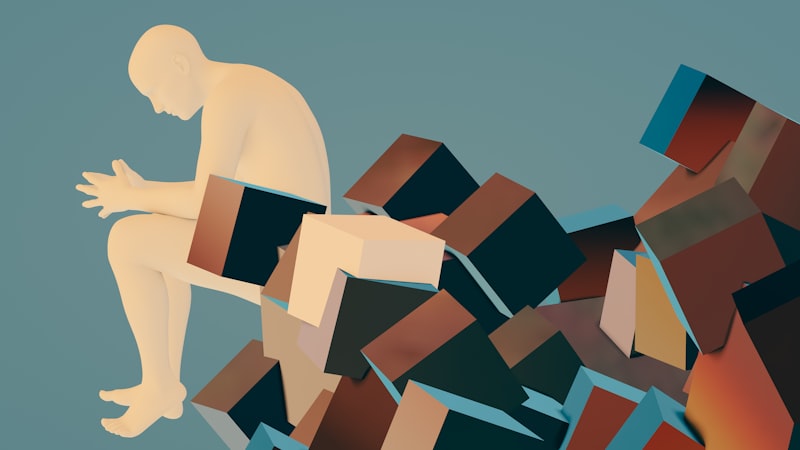
Carebaria, defined clinically as a specific form of headache, is primarily characterized by overwhelming sensations of pressure and heaviness. This distinct presentation differentiates it from common pain profiles, often manifesting as an intense, dull ache rather than sharp or throbbing pain. The term itself is utilized within certain clinical contexts to categorize headaches that feel physically burdensome, suggesting a significant load or weight applied to the cranial structure. Unlike migraines, which are often unilateral and pulsatile, Carebaria typically presents bilaterally and symmetrically, centering its profound discomfort along the forehead and sometimes extending into the temples or orbit area. The persistent nature of this pressure is what renders the condition particularly disturbing and uniquely distressing to the affected individual, significantly impacting concentration and daily functioning.
The phenomenological experience of Carebaria is frequently described by sufferers as a “splitting type of headache,” a descriptor indicating the severity and pervasive nature of the discomfort that feels as though the skull itself is under immense internal or external strain. This sensation of splitting, however, should not be confused with the explosive pain characteristic of cluster headaches; rather, it relates to the relentless, constrictive pressure that builds up slowly and persists for extended periods. This continuous, oppressive feeling means that Carebaria often resists simple over-the-counter pain relief, necessitating a deeper investigation into underlying somatic or energetic imbalances, particularly those involving muscular tension and psychological stress.
From a diagnostic perspective, Carebaria occupies a space that overlaps somewhat with chronic Tension-Type Headaches (CTTH) due to the involvement of pericranial muscles and the bilateral location. However, Carebaria places a specific emphasis on the subjective feeling of weight and oppression, which may suggest a stronger vascular or mechanical component influencing the sensation of pressure. The distinguishing factor in its clinical identity is often its responsiveness to non-conventional therapeutic modalities, setting the stage for treatment protocols that prioritize mind-body harmonization. Recognizing the specific burden associated with Carebaria is the first step toward effective management, moving beyond simple analgesia to address the root causes of the severe and lingering discomfort.
Symptomology and Clinical Presentation
The clinical presentation of Carebaria is marked by a consistency in its symptomatology, making the diagnosis relatively straightforward once the patient articulates the characteristic heavy and pressing pain. The hallmark symptom is the unwavering sense of immense pressure, almost like a vise tightening around the head, concentrated disproportionately across the frontal region. Patients often report that the headache is maximally intense across the brow ridge and the frontal sinuses, sometimes creating a misleading impression of a sinus infection, though traditional indicators of mucosal inflammation are typically absent. This specific location contributes to the profound distress experienced, as the pain occupies the visual field and severely hampers cognitive tasks requiring focus and visual acuity.
While classified as a splitting type of headache, the pain of Carebaria usually lacks the associated autonomic symptoms commonly seen in migraine disorders, such as severe nausea, vomiting, or pronounced photophobia and phonophobia. Instead, the disturbing nature of Carebaria stems from its sheer persistence and the depth of the oppressive sensation. It is not merely painful but psychologically taxing, forcing the sufferer into a state of lethargy and mental exhaustion. The intensity level is often high enough to be categorized as moderate to severe, but unlike the fluctuating intensity of a migraine attack, the intensity of Carebaria tends to be stable but unrelenting throughout the episode, providing very little natural respite.
Furthermore, a key feature in the symptom profile is the exacerbation of heaviness upon physical exertion or mental stress. Activities that require sustained focus, such as long periods of screen time or intense reading, frequently heighten the sensation of pressure, reinforcing the link between cerebral activity, muscular tension, and the development of the headache. The diurnal pattern often shows the headache worsening throughout the day as environmental stressors accumulate, reaching peak intensity in the late afternoon or evening. This pattern strongly suggests a contribution from chronic musculoskeletal strain and cumulative stress responses, which fail to dissipate naturally without therapeutic intervention.
Differential Diagnosis and Classification Challenges
Accurate differential diagnosis is critical when managing headaches characterized by pressure and heaviness, as Carebaria must be carefully distinguished from more common headache types, particularly Tension-Type Headache (TTH) and chronic daily headache syndromes. While TTH shares the bilateral distribution and non-pulsatile quality, Carebaria’s defining characteristic—the severe, almost physical sensation of heaviness and weight—often exceeds the typical pain index reported in TTH. Moreover, TTH is often described as a tight band around the head, whereas Carebaria is frequently localized specifically to the frontal region and is felt as a downward or inward crushing force. The clinical challenge lies in the fact that Carebaria, as a descriptor, emphasizes the subjective experience of burdensome pressure more than standard classification systems typically allow.
Distinguishing Carebaria from migraine without aura is equally important. Migraines, even when non-pulsatile, generally include at least two of the following: moderate to severe intensity, aggravation by physical activity, or associated nausea/photo/phonophobia. Carebaria often lacks these defining features, yet its intensity is undeniably severe and highly distressing. Clinicians must rely heavily on patient self-reporting regarding the quality of pain—specifically the pervasive feeling of being weighed down—to correctly categorize the condition. Failure to accurately differentiate Carebaria may lead to inappropriate treatment protocols, particularly if standard migraine prophylaxis is applied without consideration for the strong mind-body components that define Carebaria.
Within the internationally recognized International Classification of Headache Disorders (ICHD), the unique profile of Carebaria often leads to its initial categorization as a sub-type of chronic daily headache or refractory TTH. However, the high responsiveness to specific holistic modalities, particularly those related to energy flow and somatic alignment, suggests that Carebaria may represent a distinct physiological pathway involving dysregulation of the autonomic nervous system and chronic muscular holding patterns that resist traditional pharmacological treatment. Therefore, the challenges in classification underscore the need for a personalized approach that acknowledges the profound interplay between physical sensation, emotional stress, and perceived cranial burden.
Proposed Etiological Mechanisms
The etiology of Carebaria is understood through a multimodal lens, integrating neurovascular, musculoskeletal, and psychosomatic factors. One dominant theory revolves around chronic muscular tension in the pericranial and cervical musculature. Prolonged stress or poor posture leads to sustained contraction of the frontalis, temporalis, and suboccipital muscles. This sustained isometric contraction results in ischemia and the accumulation of metabolic waste products, which activate nociceptors and generate pain signals. The unique sensation of heaviness is hypothesized to result from this unrelenting stiffness, creating a physical sensation of resistance and weight that is constantly transmitted to the brain.
A second significant etiological pathway involves potential dysregulation of the central nervous system’s pain processing capabilities, often termed central sensitization. In chronic headache sufferers, the threshold for pain activation lowers over time, causing non-painful stimuli (such as normal blood flow or slight changes in intracranial pressure) to be interpreted as severe pressure or weight. This sensitization may explain why the pain is so profoundly distressing and resists conventional analgesics. Furthermore, the strong correlation between Carebaria episodes and periods of heightened emotional stress or anxiety suggests a powerful link to the hypothalamic-pituitary-adrenal (HPA) axis, where chronic cortisol release contributes to systemic inflammation and sustained muscular bracing.
Finally, the effectiveness of alternative therapies strongly points toward mechanisms involving the body’s energy pathways, as described in Traditional Chinese Medicine (TCM). Within this framework, Carebaria may be viewed as a stagnation of Qi (vital energy) or an imbalance between Yin and Yang forces in the head and upper body meridians, particularly those traversing the forehead. This stagnation, often caused by emotional constraint or chronic stress, prevents the smooth flow of energy and blood, leading to the localized buildup of pressure and the sensation of debilitating heaviness. This perspective provides the theoretical foundation for the successful application of therapies like acupoint stimulation and Qi Gong, which aim to restore harmonious flow and alleviate the physical manifestation of energetic blockage.
Psychological and Emotional Impact
The psychological footprint of Carebaria is immense, often exceeding the impact of headaches that register higher on a purely numerical pain scale. The constant, oppressive nature of the pressure—the feeling of being permanently weighed down—is profoundly disturbing and distressing. Unlike episodic pain, Carebaria creates a pervasive sense of limitation and fatigue, leading quickly to the development of comorbid mental health issues, most notably generalized anxiety disorder and clinical depression. The struggle to maintain concentration and the necessity of constantly managing the feeling of heaviness erode self-efficacy and contribute to a feeling of hopelessness regarding recovery.
Furthermore, the chronic nature of the pain frequently initiates a vicious cycle of pain-related anxiety. Patients begin to anticipate the onset or worsening of the headache, leading to hypervigilance and increased muscular tension, which in turn feeds the headache mechanism. This sustained state of psychological distress and physiological bracing exacerbates central sensitization, making the nervous system more reactive to internal and external stimuli. The relentless burden of the pain isolates sufferers, leading to withdrawal from social activities and occupational impairment, reinforcing the psychological distress associated with chronic illness.
The specific location of the pain in the frontal lobe, the center of executive function, means that Carebaria directly interferes with cognitive processing. Patients frequently report mental fog, difficulty with memory recall, and slowed reaction times, symptoms collectively termed “cephalalgia-related cognitive impairment.” This cognitive burden, combined with the underlying emotional distress, necessitates that therapeutic interventions for Carebaria include robust psychological support, such as cognitive behavioral therapy (CBT), specifically adapted to address chronic pain behaviors and catastrophizing thoughts related to the sensation of cranial heaviness.
Conventional and Alternative Therapeutic Approaches
The management of Carebaria typically requires a multimodal approach due to its refractory nature concerning standard over-the-counter analgesics. Conventional pharmacological interventions often mirror those used for chronic Tension-Type Headaches, including muscle relaxants, tricyclic antidepressants (TCAs) used for their pain-modulating effects, and non-steroidal anti-inflammatory drugs (NSAIDs). However, these agents often provide only limited or temporary relief, prompting a strong clinical recommendation for the integration of specialized alternative modalities.
It is widely observed that the pain associated with Carebaria is particularly well-relieved through techniques centered on somatic and energetic realignment, specifically Qi Gong and acupoint therapy. These modalities focus on reducing the profound pressure and heaviness by restoring flow and reducing deep-seated muscular and fascial tension. Qi Gong, an ancient Chinese practice involving slow movements, meditation, and controlled breathing, is highly effective because it directly addresses the psychosomatic component, promoting deep relaxation and improving the circulation of energy and blood, thus dispersing stagnation in the head and neck.
Acupoint therapy (Acupuncture or Acupressure) targets specific points along the body’s meridians to release blockages that are hypothesized to cause the sensation of pressure. For Carebaria, points on the gallbladder, bladder, and stomach meridians that traverse the frontal region are frequently stimulated. The underlying mechanisms of success for these alternative approaches include:
- Endorphin Release: Acupoint stimulation triggers the release of endogenous opioids, providing natural pain relief.
- Muscle Relaxation: Qi Gong and targeted acupoints decrease tension in the pericranial and cervical muscles, directly counteracting the source of the heaviness.
- Autonomic Balance: Both modalities help shift the nervous system from a sympathetic (fight-or-flight) dominance to a parasympathetic (rest-and-digest) state, reducing the overall stress response that contributes to the headache cycle.
- Improved Circulation: Enhanced blood and energy flow helps clear metabolic waste products accumulated in tense tissues.
The successful application of these alternative modalities underscores the importance of a holistic understanding of Carebaria, viewing the severe headache not merely as a localized pain problem but as an expression of systemic imbalance exacerbated by chronic stress and energy stagnation.
Prognosis and Management Strategies
The prognosis for individuals suffering from Carebaria is generally favorable, provided that the management strategy adopts a comprehensive, patient-centered approach that integrates both conventional symptomatic relief and dedicated alternative therapies. Since Carebaria often represents a deeply ingrained pattern of stress response and muscular bracing, long-term improvement hinges on the patient’s commitment to self-management and lifestyle modifications designed to interrupt the chronic pain cycle. Relieving the intense pressure and heaviness is achievable, but maintaining relief requires consistent effort.
Effective management strategies emphasize proactive measures rather than reactive treatment of acute episodes. Key lifestyle adjustments include stringent stress management protocols, regular practice of mindfulness or meditation, and consistent engagement with somatic therapies like Qi Gong. Furthermore, attention to ergonomics, particularly reducing strain during prolonged desk work, and maintaining optimal sleep hygiene are crucial in reducing the daily accumulation of tension that precipitates the characteristic heaviness. Patients are encouraged to keep detailed headache diaries to identify and avoid specific environmental or emotional triggers that exacerbate the frontal pressure.
In summary, managing severe headaches such as Carebaria necessitates a transition toward holistic therapeutic goals. The clinical evidence strongly supports the use of alternative therapy, specifically the combination of regular Qi Gong practice for sustained energetic balance and periodic acupoint therapy for acute relief and long-term regulation of flow. By addressing the severe pressure through physical, mental, and energetic harmonization, individuals with Carebaria can achieve significant reduction in pain frequency and intensity, transforming a profoundly disturbing and distressing chronic condition into a manageable health challenge.