Articles
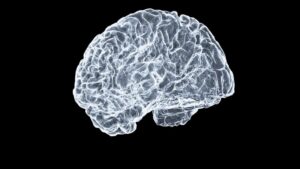
Ipsilateral Brain Anatomy: Why Your Sides Shape You
Introduction to Ipsilateral Concepts The concept of anatomical orientation is fundamental to fields ranging from...
Introduction to Ipsilateral Concepts The concept of anatomical orientation is fundamental to fields ranging from...

IRRELEVANT LANGUAGE Language serves as the fundamental mechanism for human connection, enabling the complex exchange...

An Involved Grandparent: The Impact of Grandparental Involvement on Child Development Grandparents are a key...

Introduction to Inversion 1 (INV1): Definition and Scope Inversion 1 (INV1) is recognized within the...

Introduction to Interviews in Psychological Research The interview stands as a cornerstone method within the...

Introduction to Intraconscious Personality The study of personality represents a cornerstone of psychological inquiry, engaging...

Defining the Interpretive Response The interpretive response is a sophisticated and crucial element within various...

Introduction and Foundational Theory Interpersonal Group Psychotherapy (IGP) stands as a highly regarded, evidence-based intervention...

Introduction and Definition Interstitial Cells (ICs) represent a diverse population of non-parenchymal cells found embedded...

Introduction to the International Standard Manual Alphabet (ISMA) The International Standard Manual Alphabet (ISMA) represents...

Isoniazid: A Comprehensive Overview Isoniazid, frequently abbreviated as INH, stands as one of the most...

Intergroup Dynamics: The Impact of Internal Grouping Intergroup dynamics are an important element of group...