Emotional Eating: Why Cookies Soothe Your Mind
Scientifically Reviewed · Dr. Marwa Abd-Alazim · October 9, 2026
Review Criteria & Clinical Standards
This content undergoes rigorous scientific peer-review and medical editorial standards at Arab Psychology Network to ensure clinical accuracy, validity, and compliance with evidence-based guidelines from leading psychological and healthcare authorities (APA / WHO).
The Core Definition and Culinary Essence
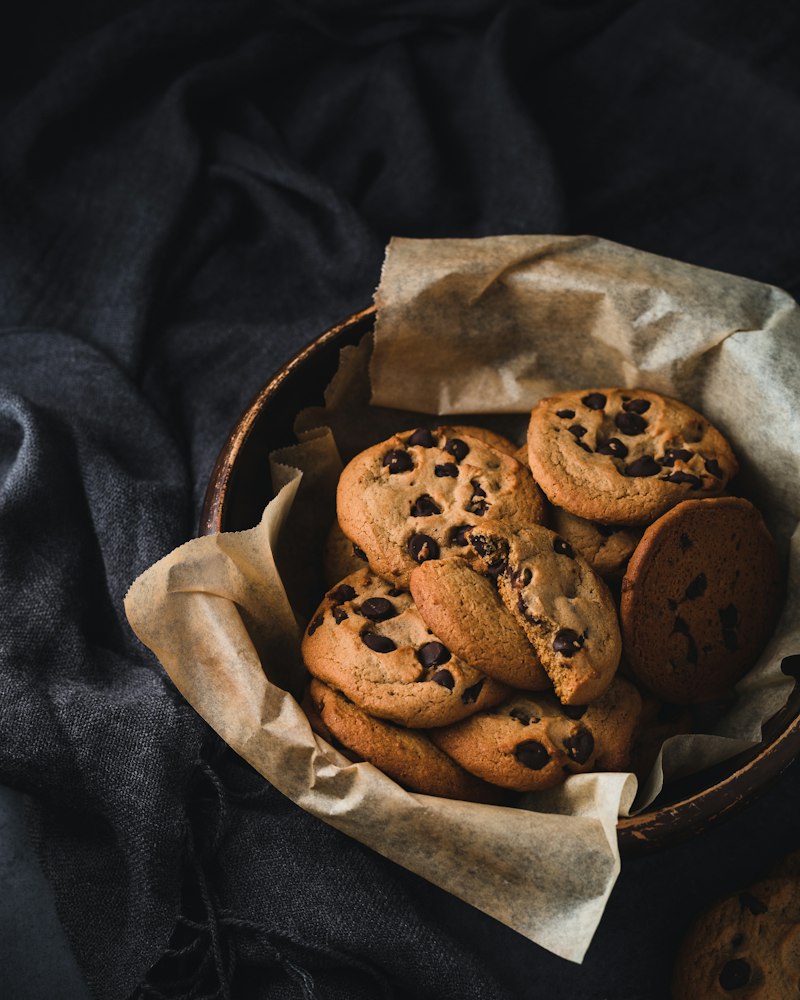
A cookie, in its most fundamental sense, is a small, flat, and typically sweet baked confection, widely recognized and consumed across diverse cultures globally. Derived from the Dutch word “koekje,” meaning “little cake,” this term encapsulates its heritage as a diminutive, often indulgent treat. While the precise definition can vary regionally—for instance, what Americans call a cookie, the British often refer to as a biscuit—the universal appeal lies in its convenient size, palatable sweetness, and versatile nature. Cookies serve as a popular snack food, a delightful dessert, and a comforting accompaniment to beverages like milk or coffee, embodying a simple yet profound culinary pleasure.
The fundamental mechanism behind a cookie’s appeal is its remarkable adaptability. From the universally adored chocolate chip cookie, known for its gooey interior and crisp edges, to the chewy texture of an oatmeal raisin cookie, the spectrum of varieties is vast. This culinary diversity arises from subtle alterations in basic ingredients and preparation methods, allowing for an endless array of textures, flavors, and appearances. Whether it is a crisp shortbread, a soft gingerbread, or a delicate meringue-based macaron, each cookie variant offers a unique sensory experience, catering to a wide range of individual preferences and dietary considerations across the globe.
At its heart, a cookie’s composition typically involves a harmonious blend of flour, sugar, fat (such as butter or oil), eggs, and a leavening agent like baking powder. These core ingredients, when combined in varying proportions and processed through specific techniques, dictate the final characteristics of the baked good. The interplay of these components during mixing and baking is crucial; for example, the type and quantity of flour affect gluten development and thus texture, while the sugar content influences both sweetness and browning through caramelization. Understanding this basic chemistry is key to appreciating the seemingly simple yet intricately designed nature of this ubiquitous snack.
Historical Evolution and Global Diffusion
The origins of what we recognize today as the cookie can be traced back to the burgeoning culinary practices of the 7th century AD in the Persian Empire, where sugar cultivation became widespread. These early precursors were often used as small test cakes to gauge oven temperatures before baking larger, more elaborate pastries. As sugar became more accessible through trade routes, these sweet, small baked goods began to spread, making their way to Europe and eventually gaining significant popularity in England by the late 1700s, often as a light snack or dessert for the affluent.
From their early European strongholds, cookies embarked on a remarkable journey of global diffusion, largely facilitated by exploration, trade, and migration. Each new cultural context adopted and adapted the basic cookie concept, incorporating local ingredients and culinary traditions. This led to the emergence of distinct regional variations, such as the Italian biscotti, the German lebkuchen, or the American chocolate chip cookie, which became a cultural icon in the 20th century. This cross-cultural exchange enriched the cookie repertoire, creating a tapestry of flavors and forms that reflect the diverse culinary landscapes of the world.
The Industrial Revolution marked a pivotal moment in the history of cookies, transforming them from artisanal treats to mass-produced staples. Advancements in milling technology, mechanized baking processes, and improved packaging methods enabled manufacturers to produce cookies on an unprecedented scale, making them affordable and widely available to all segments of society. This industrialization not only democratized access to cookies but also fostered innovation in ingredient science and recipe development, further cementing their status as a universally beloved and accessible snack food that transcends social and economic boundaries.
The Science of Cookie Production
The creation of a cookie is a delicate balance of chemical reactions and physical transformations, orchestrated by the precise interaction of its core ingredients. Flour, primarily providing structure, contains proteins that form gluten when hydrated, lending elasticity to the dough. Sugar contributes not only sweetness but also aids in tenderizing the dough by interfering with gluten development, and it caramelizes during baking to impart rich color and flavor. Fats, such as butter or shortening, provide richness, moisture, and contribute to the cookie’s tender texture by coating flour particles and hindering extensive gluten formation. Eggs act as binders, emulsifiers, and contribute to leavening and richness, playing a multifaceted role in the dough’s integrity.
The mixing process is critical to achieving the desired cookie texture. Techniques like the “creaming method,” where butter and sugar are beaten together until light and fluffy, incorporate air into the mixture, contributing to a lighter, more tender cookie. Conversely, overmixing can lead to excessive gluten development, resulting in a tough or rubbery texture. The order of ingredient addition, the temperature of the components, and the duration of mixing all influence the dough’s rheology and its subsequent behavior in the oven, emphasizing the scientific precision required even in home baking.
Baking transforms the raw dough into a finished cookie through a series of heat-induced changes. The heat activates leavening agents, such as baking soda or baking powder, which produce carbon dioxide gas, causing the cookies to rise. Proteins from eggs and flour denature and coagulate, setting the cookie’s structure. Sugars undergo caramelization, contributing to browning and complex flavors, while the Maillard reaction between amino acids and reducing sugars further enhances the flavor profile and crust development. The precise control of baking time and temperature is paramount, as it dictates the final moisture content, chewiness, crispness, and overall flavor intensity of the cookie.
Nutritional Profile and Dietary Considerations
Cookies, depending on their ingredients and preparation, can offer a diverse nutritional profile. They are primarily a source of readily available energy, mainly supplied by carbohydrates from flour and sugar, which are essential for bodily functions and sustained activity. Additionally, cookies contain varying amounts of fats, crucial for hormone production and nutrient absorption, and some proteins, which are vital for tissue repair and growth. While typically consumed as a treat, the macronutrient composition of cookies can contribute to daily energy requirements, particularly in moderation within a balanced diet.
Beyond the macronutrients, certain cookies can also be fortified with or naturally contain essential vitamins and minerals. For instance, whole-grain cookies may provide B vitamins and dietary fiber, while those made with nuts can offer minerals like magnesium and zinc. Dark chocolate varieties are known for their antioxidant content, which can help combat oxidative stress in the body. Furthermore, some commercial cookies are fortified with iron and calcium, enhancing their nutritional contribution, though these additions must be weighed against their caloric density and sugar content.
Despite their potential to provide some nutrients and satisfy hunger, the consumption of cookies requires careful consideration due to their typically high sugar and fat content. While they can offer a quick source of energy, excessive intake can contribute to caloric surplus, potentially leading to weight gain and increasing the risk of associated health issues. Therefore, enjoying cookies in moderation is key. Opting for homemade versions with reduced sugar, whole grains, and healthy fats, or choosing commercial options with beneficial additions like nuts and seeds, can transform them into a more mindful and health-conscious snack choice.
Cookies in Cultural Context and Social Rituals
Beyond their nutritional and culinary attributes, cookies hold significant cultural and symbolic weight in societies worldwide. They frequently transcend their role as mere food items to become potent symbols of comfort, celebration, and hospitality. For many, the aroma of freshly baked cookies evokes powerful feelings of nostalgia, transporting individuals back to childhood memories, family gatherings, or moments of warmth and solace. This deep emotional connection transforms cookies into more than just a snack; they become a repository of shared experiences and sentimental value.
Cookies are deeply embedded in various social rituals and traditions across the globe. They are a staple during holiday seasons, with specific recipes and designs passed down through generations—think of the elaborate Christmas cookies in Western cultures or the intricately designed Eid cookies in the Middle East. Offering cookies to guests is a universal gesture of welcome and generosity, fostering social bonding and connection. They are also a common expression of care, often baked and given as gifts to friends, family, or neighbors during times of celebration or sympathy, reinforcing community ties and personal relationships.
The global presence of cookies is further illustrated by their diverse cultural adaptations. From the crisp rice crackers known as senbei in Japan, which are often savory, to the buttery, crumbly nankhatai of India, each culture has imprinted its unique culinary identity onto the cookie concept. These variations highlight not only the adaptability of the basic recipe but also the role of cookies in reflecting local agricultural products, flavor preferences, and historical influences, demonstrating their pervasive and multifaceted integration into the world’s culinary heritage.
The Psychology of Cookie Consumption
The act of consuming cookies is often driven by more than simple hunger; it frequently falls into the category of hedonic eating, where food is consumed for pleasure and emotional satisfaction. The combination of sugar and fat in many cookies activates reward pathways in the brain, releasing neurotransmitters like dopamine, which creates a pleasurable sensation and reinforces the desire to consume more. This powerful neurobiological response contributes significantly to the craveability of cookies, making them a highly attractive and often difficult-to-resist food item.
Cookies are quintessential comfort food, widely sought after for their ability to provide emotional solace and reduce stress. This psychological association often stems from early life experiences where cookies were linked with positive reinforcement, nurturing, or celebratory moments. The sensory attributes—the sweet taste, the familiar aroma, the specific texture—can trigger powerful learned associations and sensory memories that evoke feelings of security and well-being. Consequently, people may turn to cookies not just for physical sustenance, but as a mechanism for emotional regulation, seeking the psychological warmth and familiarity they represent.
The decision-making process surrounding cookie consumption also illuminates various psychological principles, particularly concerning self-control and impulsive behavior. Faced with a tempting plate of cookies, individuals engage in an internal struggle between immediate gratification and long-term health goals. Factors influencing this choice include current emotional state, perceived stress levels, social context (e.g., eating with others), and the power of advertising. Understanding these cognitive and emotional drivers is crucial for comprehending human eating behavior and developing strategies for mindful consumption.
Marketing, Innovation, and Future Trends
The enduring popularity of cookies makes them a prime target for sophisticated marketing strategies that leverage principles of consumer psychology. Marketers often tap into the emotional and nostalgic associations of cookies, using imagery of family, home, and celebration to create a strong emotional connection with potential buyers. Additionally, advertising frequently highlights convenience, indulgence, or even perceived health benefits (e.g., “made with real fruit,” “whole grain”) to influence purchasing decisions, demonstrating a nuanced understanding of consumer desires and motivations. Brand loyalty is often cultivated through consistent quality and effective emotional branding.
Innovation in the cookie industry is driven by evolving consumer demands and technological advancements. This includes the development of alternative sweeteners to cater to health-conscious consumers, the rise of gluten-free flours and plant-based fats for dietary restrictions, and the implementation of advanced automation in manufacturing to increase efficiency and consistency. Ingredient science continually explores new ways to enhance flavor, extend shelf life, and incorporate functional ingredients, ensuring that cookies remain relevant and accessible in a dynamic market environment.
Looking ahead, the cookie market is poised for continued evolution, shaped by emerging trends in personalized nutrition, sustainability, and global culinary fusion. We can anticipate a greater emphasis on cookies tailored to individual dietary needs and preferences, such as those with added protein, probiotics, or specific allergen-free formulations. Sustainable sourcing of ingredients, eco-friendly packaging, and ethical production practices are also becoming increasingly important. Furthermore, the ongoing global exchange of culinary ideas will likely lead to even more innovative hybrid cookie varieties, blending traditional flavors with contemporary twists.
Connections to Human Behavior and Well-being
The study of cookie consumption is profoundly relevant to the field of nutritional psychology and broader public health initiatives. Understanding why individuals are drawn to energy-dense, palatable foods like cookies, and the psychological factors influencing their intake, is essential for designing effective dietary interventions. Insights into cravings, emotional eating, and habits surrounding cookie consumption can inform strategies aimed at promoting balanced eating patterns and fostering healthier relationships with food, thereby contributing to improved public health outcomes.
Cookies also play a discernible role in the social psychology of eating. They frequently serve as facilitators of social interaction, acting as a shared element that enhances group cohesion during celebrations, gatherings, or casual coffee breaks. The act of offering and sharing cookies can strengthen social bonds, signify camaraderie, and create a positive atmosphere, illustrating how food, particularly an accessible and universally liked item like a cookie, can mediate complex social dynamics and influence interpersonal relationships.
While often associated with indulgence, a mindful approach to cookie consumption can contribute positively to overall well-being. When eaten consciously, savoring the flavors and textures without guilt, cookies can provide genuine pleasure and satisfy cravings, which is a legitimate component of psychological health. Conversely, mindless or emotional overeating of cookies can detract from well-being. The broader category encompassing the study of cookies, their production, consumption, and cultural impact draws upon insights from various fields, including food science, anthropology, sociology, and notably, consumer psychology, nutritional psychology, and the psychology of eating behavior. These psychological subfields examine the cognitive, emotional, and social factors that influence our complex relationship with food.