Cutaneous Perception: The Hidden Language of Human Touch
Scientifically Reviewed · Dr. Marwa Abd-Alazim · September 18, 2026
Review Criteria & Clinical Standards
This content undergoes rigorous scientific peer-review and medical editorial standards at Arab Psychology Network to ensure clinical accuracy, validity, and compliance with evidence-based guidelines from leading psychological and healthcare authorities (APA / WHO).

Cutaneous Perception: Exploring the Role of the Skin in Interoception
The skin plays a significant role in providing sensory information to the brain about the body and the environment. Cutaneous perception, or the sense of touch, is the primary modality of communication between the body and the outside world. Cutaneous perception is essential for the maintenance of homeostasis and provides the basis for many other aspects of physical and psychological health. The aim of this article is to review the literature on cutaneous perception and explore its role in interoception, the perception of internal bodily states.
Cutaneous perception is a complex process that involves the integration of multiple sensory modalities. The receptive fields of cutaneous afferents are activated by mechanical, thermal, and chemical stimuli and are modulated by the brain. The primary afferents are mechanoreceptors, which detect mechanical stimulation, and nociceptors, which detect tissue damage and noxious stimuli. Other receptors, such as thermoreceptors and chemoreceptors, can provide additional information about the environment.
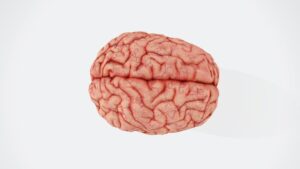
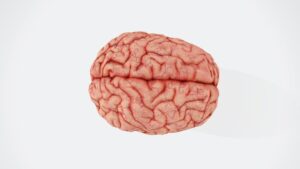
The brain processes cutaneous stimuli in a hierarchical fashion. The primary somatosensory cortex is the first region of the brain to respond to cutaneous inputs, followed by the secondary somatosensory cortex and the thalamus. These regions are important for the localization of cutaneous stimuli and the discrimination of different types of stimulation. The insular cortex and anterior cingulate cortex are also important for the recognition of emotional states and the modulation of autonomic responses.
Cutaneous perception is also important for interoception. Interoception is the perception of internal bodily states, such as heart rate, respiration rate, and temperature. Interoceptive awareness is important for the maintenance of homeostasis and is essential for the detection of emotional and physical states. Recent research suggests that the skin plays an important role in interoception. Cutaneous afferents can transmit information about the body’s internal states to the brain, which can then be used to regulate behavior.
Cutaneous perception is an important factor in maintaining physical and psychological health. It is essential for the discrimination of different types of stimulation and the recognition of emotional states, as well as for the perception of internal bodily states. Future research should focus on further elucidating the role of the skin in interoception and its implications for physical and psychological health.
References
Birznieks, I. (2016). Cutaneous mechanoreception. Progress in Neurobiology, 145, 1-16. https://doi.org/10.1016/j.pneurobio.2016.02.001
Craig, A. D. (2002). How do you feel? Interoception: The sense of the physiological condition of the body. Nature Reviews Neuroscience, 3(8), 655–666. https://doi.org/10.1038/nrn894
Hollins, M., & Johnson, K. O. (2011). Cutaneous perception: A review. Psychological Bulletin, 137(2), 243-261. https://doi.org/10.1037/a0022228
Kandel, E. R., Schwartz, J. H., & Jessell, T. M. (Eds.). (2013). Principles of neural science (5th ed.). McGraw-Hill Education.
Olausson, H., Wessberg, J., Morrison, I., McGlone, F., & Vallbo, A. B. (2002). Unmyelinated tactile afferents signal touch and project to insular cortex. Nature Neuroscience, 5(9), 900-904. https://doi.org/10.1038/nn890