Vestibular Psychology: Why Mice Dance to the Rhythm
Scientifically Reviewed · Dr. Marwa Abd-Alazim · October 23, 2026
Medically & Scientifically Reviewed
Verified: October 23, 2026
Review Criteria & Clinical Standards
This content undergoes rigorous scientific peer-review and medical editorial standards at Arab Psychology Network to ensure clinical accuracy, validity, and compliance with evidence-based guidelines from leading psychological and healthcare authorities (APA / WHO).
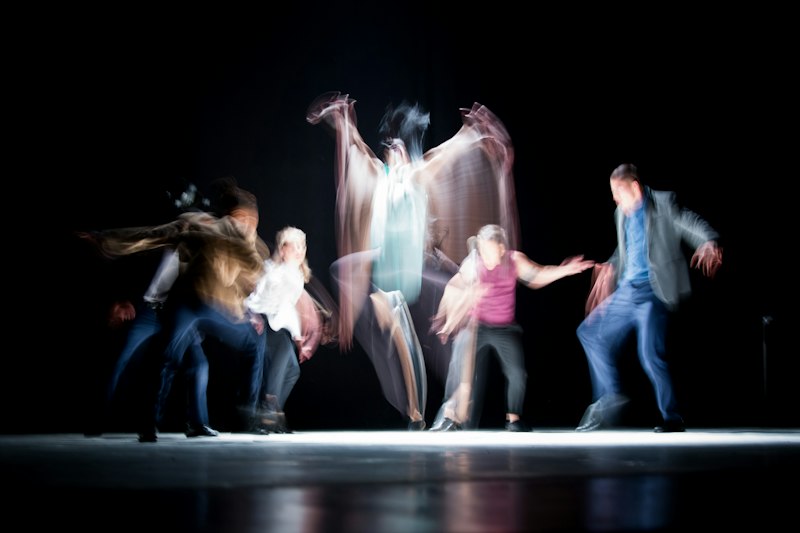
a group of mice demonstrating behavior similar to dancing. They possess a genetic fault wherein deterioration of hair cells occurs in the inner ear, generating loss of audile abilities and handicapped operations of the vestibular system of the ear, thereby eliciting the dancing.
DANCING MOUSE: “A dancing mouse will often run forward to backward in circles while standing in one place.”