Cognitive Latency: Why Your Brain Pauses Before Reacting
Scientifically Reviewed · Dr. Marwa Abd-Alazim · September 19, 2026
Review Criteria & Clinical Standards
This content undergoes rigorous scientific peer-review and medical editorial standards at Arab Psychology Network to ensure clinical accuracy, validity, and compliance with evidence-based guidelines from leading psychological and healthcare authorities (APA / WHO).
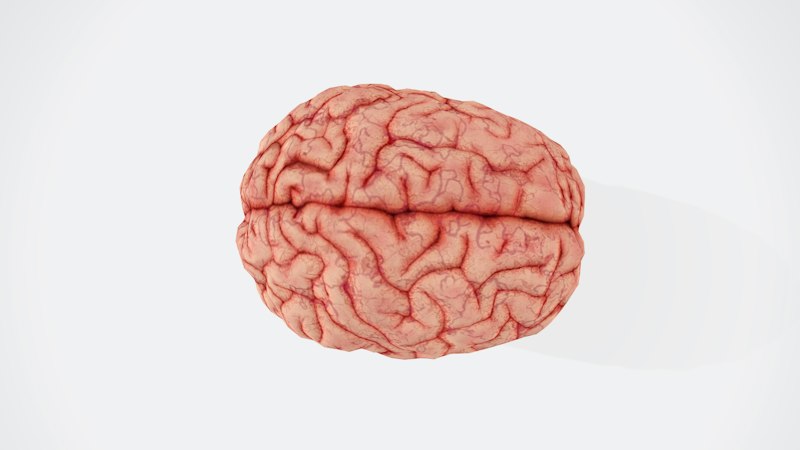
Delayed Reaction: An Overview
The concept of delayed reaction refers to a fundamental phenomenon in cognitive and behavioral psychology where an organism’s response to a specific stimulus occurs only after a measurable period has elapsed following the initial presentation of that stimulus. This temporal gap between stimulus presentation and behavioral output distinguishes delayed reaction from simple reaction time tasks, where the response is expected immediately. The study of this delay is crucial because it provides a window into the complex internal processes—such as encoding, retrieval, and working memory maintenance—that mediate perception and action. Observing delayed reaction is not restricted to controlled laboratory settings; it is a pervasive aspect of daily life, influencing complex decision-making, planning, and social interactions, where immediate responses might be suboptimal or impossible.
Historically, research into delayed reaction began in the early 20th century, particularly through comparative psychology studies focusing on animal intelligence and memory capacities. These early experiments, often utilizing delayed response tasks (such as requiring an animal to choose a location based on a cue presented minutes earlier), established the basic parameters for investigating non-immediate behavioral responses. The significance of this research lies in its ability to isolate and quantify the capacity for representational thought—the ability to hold a mental image or instruction active in the absence of the physical stimulus. This pioneering work laid the groundwork for modern cognitive psychology, demonstrating that the brain possesses mechanisms specifically designed to bridge temporal gaps, thereby enabling sophisticated forms of learning and problem-solving that extend beyond immediate stimulus-response chains.
Modern psychological investigation treats delayed reaction as a multifaceted construct influenced by a dynamic interplay of neurological, environmental, and individual factors. Understanding the duration and variability of the delay period offers critical insight into the efficiency and limitations of the cognitive architecture. For instance, variations in delayed reaction performance are often used as biomarkers for assessing cognitive load, identifying deficits associated with neurological disorders, or tracking developmental milestones in infants and children. Therefore, the study of delayed reaction time (DRT) is not merely an academic exercise but a vital tool for assessing overall cognitive health and the functional integrity of executive control systems, confirming its central importance in both theoretical psychology and applied neuropsychology.
Defining the Phenomenon
Strictly defined, delayed reaction is the manifestation of a behavioral, motor, cognitive, or affective response to a stimulus only after a predefined or measured interval has passed since the stimulus ceased to be present or relevant. This definition emphasizes the required temporal displacement. Unlike standard reaction time (RT) measures, which focus on the swiftness of an immediate response (measured in milliseconds), delayed reaction tasks impose a retention interval, sometimes lasting seconds, minutes, or even hours, during which the subject must maintain the stimulus information in an accessible state. The successful completion of a delayed reaction task therefore requires not only the capability to perceive the stimulus but, more critically, the sustained ability to retrieve and act upon the stored representation of that stimulus after the delay has concluded, highlighting the critical role of active maintenance within working memory processes.
The spectrum of responses encompassed by delayed reaction is broad. Motor responses, such as pressing a specific lever corresponding to a previously seen light, are common in laboratory studies. However, cognitive responses, like solving a problem based on instructions received earlier, or emotional responses, such as exhibiting fear based on a delayed conditioned cue, are equally valid examples. The crucial element unifying these diverse manifestations is the internal processing necessary to bridge the time gap. This internal processing often involves complex stages: encoding the initial stimulus, storage of the encoded trace during the delay, and finally, retrieval and execution of the appropriate response upon the presentation of the probe or cue signaling the end of the delay period. Failure at any of these stages results in an inaccurate or absent delayed reaction, providing diagnostic information about the locus of cognitive breakdown.
In distinguishing delayed reaction from related concepts, it is important to clarify its relationship with long-term memory. While long-term memory involves the permanent storage of information, delayed reaction primarily taps into working memory and short-term retention capabilities. The duration of the delay in typical DRT paradigms usually spans the timeframe associated with working memory (seconds to a few minutes), testing the individual’s capacity to actively hold and manipulate limited information. Furthermore, the complexity of the stimulus and the required response significantly influence the measured delay time. A simple, highly salient cue might permit a longer delay than a complex sequence of instructions, illustrating that the demands placed on cognitive resources—particularly attentional focus and resistance to interference—are paramount determinants of successful delayed reaction performance.
Theoretical Foundations and Psychological Context
The theoretical importance of delayed reaction tasks gained prominence in the behaviorist and early cognitive eras as researchers sought quantifiable methods to study internal mental representations, moving beyond simple stimulus-response models. The seminal work of figures like Robert M. Yerkes and subsequently, the extensive comparative studies conducted by Walter Hunter using the Delayed Response Task (DRT), demonstrated that species varied widely in their capacity to sustain a response over time, correlating performance with putative complexity of frontal lobe function. This initial framework established delayed reaction as a measure of higher-order cognitive abilities, specifically the capacity for symbolic thought and the ability to act based on internally represented knowledge rather than immediate external feedback. These historical findings cemented DRT as a foundational paradigm for studying animal cognition and later, human development.
Within contemporary cognitive psychology, delayed reaction is often analyzed through the lens of information processing models. These models posit that the delay period necessitates continuous neural activity to maintain the memory trace, counteracting the natural decay or degradation of information over time. The successful execution of a delayed response is therefore viewed as a measure of executive function, requiring active inhibition of irrelevant competing stimuli (interference control) and strategic resource allocation (attentional maintenance). The prefrontal cortex (PFC) is consistently implicated as the primary neurological substrate supporting this function, suggesting that delayed reaction performance is a sensitive indicator of PFC maturation, integrity, and functional capacity, especially concerning tasks requiring planning and goal-directed behavior.
Furthermore, delayed reaction tasks provide critical experimental support for models of memory capacity, particularly the differentiation between temporary storage (working memory) and permanent storage (long-term memory). The duration and fidelity of the reaction following the delay are highly sensitive to intervening activities; if a distracting task is introduced during the retention interval, performance typically degrades, a phenomenon known as proactive or retroactive interference. This sensitivity underscores the fragile nature of the actively maintained memory trace and provides empirical data supporting models that conceptualize working memory as a limited-capacity, attention-dependent system. The theoretical implications extend into clinical psychology, where impaired delayed reaction capabilities are frequently observed in populations suffering from disorders characterized by executive dysfunction, such as Schizophrenia, ADHD, and various neurodegenerative conditions.
The Role of Cognitive Factors: Memory and Encoding
Memory is arguably the most essential cognitive factor governing the success of a delayed reaction. The ability to react appropriately after a delay hinges entirely on the fidelity of the memory trace established during the initial stimulus presentation—the encoding phase. Effective encoding involves transforming sensory input into a durable mental representation that can withstand the passage of time. Factors influencing encoding quality, such as the depth of processing, the saliency of the stimulus, and the emotional relevance, directly correlate with the likelihood of a successful delayed reaction. For instance, memories that are encoded recently are more likely to be retrieved during a delayed reaction task than those encoded at an earlier time. Stimuli that are processed semantically (deep processing) tend to result in more robust memory traces than those processed superficially (shallow processing), leading to superior performance in delayed response tasks, even when the delay interval is extended.
During the retention interval, the encoded information is temporarily held in working memory. This phase is critical because the memory trace is susceptible to decay and interference. Research highlights that memories encoded recently are statistically more likely to be retrieved accurately during a delayed reaction task than older memories, though this relationship is complicated by the level of consolidation. If the delay is sufficiently long, the memory might transition from transient working memory into a more consolidated, long-term state, thereby changing the underlying retrieval mechanisms utilized during the reaction phase. However, for typical DRT durations, performance strongly reflects the efficiency of active maintenance—the cognitive effort expended to rehearse or refresh the memory trace, often theorized to be supported by persistent firing of neural ensembles in the PFC.
The interaction between memory and delayed reaction is further illuminated by studies involving different types of stimuli. Non-verbal stimuli (e.g., spatial locations or visual patterns) primarily engage visuospatial working memory, whereas verbal stimuli engage the phonological loop. The capacity limits of these respective systems directly constrain the maximum duration or complexity of the delay that can be successfully navigated. Furthermore, the process of retrieval at the end of the delay is critical. This retrieval process must be efficient and specific, ensuring that the correct, previously encoded memory trace is accessed and translated into the appropriate motor or cognitive response. Impairments in retrieval, perhaps due to interference or insufficient cueing, manifest as errors in the delayed reaction, even if the initial encoding and maintenance were adequate.
Attentional Processes and Arousal States
Beyond memory, attention is a crucial determinant of delayed reaction success. An individual must first be able to attend fully to the stimulus during the initial encoding phase to form a high-quality memory trace. If attention is diverted, fragmented, or insufficient during the stimulus presentation, the resulting memory encoding will be weak, making successful retrieval during the delayed reaction highly improbable. Furthermore, attention plays an indispensable role during the retention interval. This is known as sustained attention or vigilance, which is required to protect the working memory trace from internal and external distractors. Without sustained attentional resources dedicated to maintaining the information, the memory trace quickly degrades, leading to errors when the time comes to execute the delayed reaction.
The relationship between arousal and delayed reaction performance is often explained through the classic Yerkes-Dodson Law, which posits an inverted U-shaped relationship between physiological or psychological arousal and performance. Optimal performance, including the speed and accuracy of delayed reactions, occurs at moderate levels of arousal. If arousal is too low (e.g., drowsiness or lack of motivation), attentional resources are insufficient, leading to slow and inaccurate reactions. Conversely, if arousal is excessively high (e.g., high stress or anxiety), cognitive resources are diverted to managing emotional states, leading to cognitive rigidity, reduced working memory capacity, and consequently, impaired delayed reaction speed and accuracy. Therefore, the physiological state of alert attention is a prerequisite for efficient delayed reaction performance.
Specifically regarding the speed of response in delayed reaction tasks, arousal is a significant predictor. Studies have consistently shown that increased levels of alertness and attentiveness correlate positively with faster response times once the delay period concludes, assuming the memory trace has been successfully maintained. This suggests that while memory handles the “what” (the content of the response), arousal affects the “when” (the efficiency of the motor execution or cognitive decision). Manipulating arousal through experimental means—such as introducing mild stressors or utilizing pharmacological agents—allows researchers to dissect the contribution of generalized alertness versus specific cognitive maintenance processes to overall delayed reaction performance, offering nuanced insights into the interplay between motivational state and executive control.
Research Paradigms and Measurement Techniques
The primary experimental tool for studying this phenomenon is the Delayed Response Task (DRT). In a typical DRT, a subject is presented with a cue (e.g., a light appearing in one of two locations). This cue is followed by a retention interval (the delay period), during which the cue is absent. Finally, a response phase requires the subject to recall the original cue and execute the correct action (e.g., choosing the location indicated by the prior light). Variations of the DRT include the Delayed Match-to-Sample (DMTS) task, where the subject must select from multiple options the one that matches the stimulus presented before the delay, and the Delayed Non-Match-to-Sample (DNMTS) task, which requires selection of the novel item. These paradigms are highly flexible, allowing researchers to manipulate variables such as delay duration, stimulus complexity, and the nature of distractors introduced during the retention interval, thereby isolating specific cognitive components.
Measurement techniques in delayed reaction research focus primarily on two metrics: accuracy and reaction time (RT). Accuracy measures the proportion of correct responses following the delay, serving as a direct measure of memory trace maintenance fidelity. A decline in accuracy as the delay increases indicates the decay or interference vulnerability of the memory system. RT, measured from the onset of the response cue to the subject’s execution of the response, provides insight into the speed of retrieval and motor planning. Analyzing the distribution of RTs—often showing heavy-tailed distributions that may follow exponential or power laws—allows cognitive modelers to infer the underlying decision processes and the efficiency with which the stored information is accessed and translated into action. Modern research increasingly incorporates neurophysiological measures alongside behavioral data, utilizing techniques such as electroencephalography (EEG) and functional magnetic resonance imaging (fMRI) to monitor brain activity during the encoding, maintenance, and retrieval phases of the delayed reaction.
Neuroimaging studies have been instrumental in localizing the neural circuits responsible for delayed reaction. fMRI data consistently show robust, sustained activation in the dorsolateral prefrontal cortex (DLPFC) during the retention interval of DRTs, confirming its role in actively maintaining non-spatial and spatial information. Furthermore, connectivity analyses reveal how the PFC interacts with posterior sensory cortices (for encoding) and motor planning areas (for response execution). These findings support a distributed network model of delayed reaction, where the PFC acts as a central executive system orchestrating the temporary storage and manipulation of information necessary to bridge the temporal gap. The sophistication of these techniques allows for the differentiation of neural activity associated with memory maintenance versus attention allocation, providing a molecular and cellular context for the behavioral observations of delayed reaction.
Implications for Learning, Cognition, and Aging
The study of delayed reaction has profound implications across various fields of psychological theory and application. In the domain of learning, delayed reaction tasks demonstrate that effective learning often requires more than immediate reinforcement; it demands the capacity to retain and apply information across temporal gaps. This is particularly relevant in educational settings, where the ability to recall and utilize previously learned material after a break is fundamental to academic success. Understanding the factors that optimize delayed reaction—such as optimal encoding strategies and reduced interference—can lead to the development of more effective pedagogical techniques aimed at improving retention and long-term application of knowledge. The capacity for delayed reaction is intrinsically linked to the development of complex cognitive skills, including sequencing, planning, and abstract reasoning.
For general cognition, delayed reaction serves as a critical proxy measure for executive control. Its performance profile offers insights into how individuals manage concurrent tasks, resist distraction, and strategically retrieve necessary information. Deficits in delayed reaction are often observed alongside broader impairments in working memory and cognitive flexibility, suggesting that the underlying mechanisms are shared. Clinical neuroscience utilizes DRT performance to assess the severity and progression of various neurological conditions. For example, individuals with damage to the frontal lobes often exhibit dramatically shortened effective delay intervals, demonstrating severe impairment in their capacity for active information maintenance. Similarly, delayed reaction tasks are key components in assessing the functional impact of conditions like Attention Deficit Hyperactivity Disorder (ADHD), where difficulties in sustained attention and inhibition directly compromise successful performance.
Crucially, delayed reaction research provides valuable insight into the effects of aging on cognitive performance. Numerous studies indicate that delayed reaction time generally increases with advancing age, and accuracy tends to decline, particularly when the retention interval is long or when the task involves high cognitive load. These age-related changes are often attributed to the structural and functional decline observed in the prefrontal cortex, which compromises the efficiency of working memory maintenance and attentional control. Research using DRTs helps to distinguish between normal age-related cognitive slowing and pathological decline associated with neurodegenerative diseases like Alzheimer’s. By providing a sensitive, quantifiable measure of memory maintenance under temporal pressure, delayed reaction studies contribute significantly to identifying early markers of cognitive impairment and evaluating interventions designed to mitigate age-related decline.
Conclusion
Delayed reaction stands as a cornerstone concept in cognitive psychology, representing the crucial ability of an individual to successfully respond to a stimulus only after a significant period of time has elapsed. This phenomenon fundamentally relies on sophisticated internal mechanisms, primarily involving the intricate interplay of memory encoding, active working memory maintenance, and attentional control. The duration and fidelity of the reaction serve as powerful indicators of an organism’s capacity for symbolic thought, executive function, and resistance to temporal interference, underscoring its relevance across comparative, developmental, and clinical psychology.
The investigation of delayed reaction, heavily reliant on the Delayed Response Task paradigm and its variations, has yielded essential knowledge regarding the neural substrates of memory, firmly establishing the critical role of the prefrontal cortex in bridging the gap between perception and delayed action. Factors such as arousal state and the complexity of the task significantly modulate performance, confirming that successful delayed reaction is a dynamic process requiring continuous resource allocation and vigilance. Further research is needed to better understand the causes of delayed reaction and its implications for research and theory. Future research efforts will continue to refine models of working memory and executive function by exploring the molecular and cellular mechanisms underpinning the sustained neural activity observed during the delay interval.
In summation, delayed reaction is far more than a simple metric of response time; it is a complex measure that illuminates core aspects of human and animal cognition, offering vital insights into how we learn, plan, and sustain information in a temporally dynamic world. Its implications for understanding neurodevelopmental disorders, cognitive aging, and the fundamental architecture of memory systems ensure that the study of delayed reaction remains a vital and expanding area of scientific inquiry.
References
The following scholarly works provide foundational and recent perspectives on the study and analysis of delayed reaction and its underlying cognitive mechanisms:
- Berman, R. A., & Bruya, L. (2014). Memory and delayed reaction: The role of attention and arousal. Frontiers in Psychology, 5, 712. https://doi.org/10.3389/fpsyg.2014.00712
- Colombo, J., & Mitchell, D. (2011). The development of delayed reaction time in infants and toddlers. Developmental Psychology, 47(3), 882-892. https://doi.org/10.1037/a0023014
- Heathcote, A., Brown, S. D., & Mewhort, D. J. (2000). The power law repealed: The case for an exponential law of reaction times. Psychological Review, 107(3), 739-761. https://doi.org/10.1037/0033-295X.107.3.739
- Kimmel, J. R., & Szpunar, K. K. (2016). Age-related changes in delayed reaction time. Aging, Neuropsychology, and Cognition, 23(2), 272-286. https://doi.org/10.1080/13825585.2015.1064892
- McCloskey, M., & Cohen, N. J. (1989). Catastrophic interference in connectionist networks: The sequential learning problem. In D. E. Rumelhart & J. L. McClelland (Eds.), Parallel distributed processing: Explorations in the microstructure of cognition (Vol. 2, pp. 170-215). MIT Press.