Defense Mechanisms: How Your Mind Protects Your Sanity
Scientifically Reviewed · Dr. Marwa Abd-Alazim · September 19, 2026
Review Criteria & Clinical Standards
This content undergoes rigorous scientific peer-review and medical editorial standards at Arab Psychology Network to ensure clinical accuracy, validity, and compliance with evidence-based guidelines from leading psychological and healthcare authorities (APA / WHO).
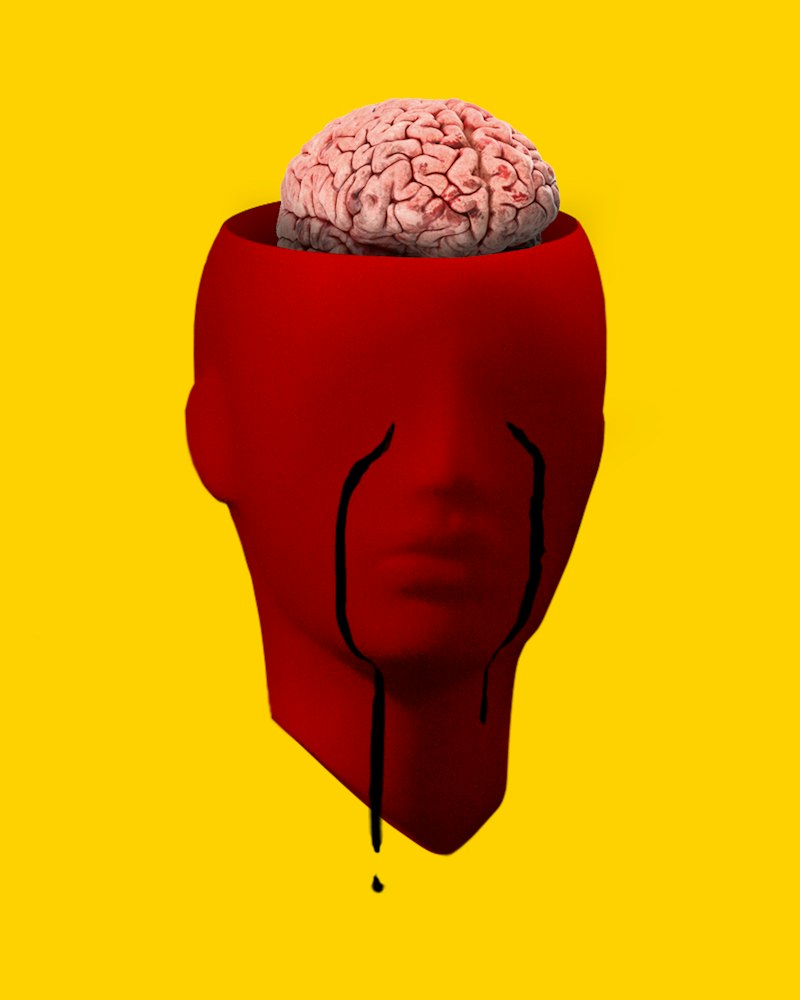
Defense Mechanisms: An Overview of Ego Defense Mechanisms
Defense mechanisms are fundamental psychological operations designed to manage and mitigate internal conflicts and external stressors. They represent essential strategies that the human psyche employs to cope with emotions such as anxiety, fear, guilt, and frustration, which, if experienced without psychological protection, could become overwhelming or debilitating. This complex system of psychological maneuvering is largely unconscious, operating automatically to maintain psychological equilibrium and protect the integrity of the individual’s sense of self. While often viewed through the lens of psychoanalytic theory, the concept of defense mechanisms has been widely integrated across various schools of psychological thought as a crucial element in understanding both normal human behavior and psychopathology.
The core concept revolves around the Ego Defense Mechanism, emphasizing the role of the ego—the organized, realistic part of the psyche—in mediating between the primitive drives (Id), the moral conscience (Superego), and the constraints of external reality. The ego’s primary function, in this context, is to protect the individual’s sense of self and maintain stability against internal and external threats. By distorting or masking the reality of a threat, defense mechanisms allow the individual temporary relief, enabling them to navigate stressful situations without being completely consumed by negative affect. Understanding these mechanisms is paramount for clinical psychology, as their chronic or excessive use can transition from adaptive coping strategies into maladaptive patterns that hinder personal growth and lead to psychological distress.
This entry explores the foundational principles of ego defense mechanisms, detailing their historical origins, psychological purpose, and the implications stemming from their use. We will examine the spectrum of these mechanisms, ranging from the more primitive, reality-distorting defenses to the more mature, reality-integrating strategies. By providing a comprehensive overview of the types, functions, and consequences of these psychological maneuvers, we aim to illuminate how individuals universally manage emotional discomfort and maintain cognitive coherence in the face of life’s inevitable challenges.
Historical Context and Theoretical Foundations
The theoretical foundation of defense mechanisms is inextricably linked to the work of Sigmund Freud, the father of psychoanalysis. Freud initially introduced the concept in the late 19th century, referring broadly to strategies used to manage psychic conflict. However, it was his seminal work, notably The Ego and the Id (1923), that solidified the structural model of the psyche and contextualized the mechanisms as specific tools utilized by the ego. Freud posited that anxiety arose when the ego felt threatened by the Id’s instinctual demands, the Superego’s harsh judgments, or the dangers presented by external reality. Defense mechanisms were thus conceptualized as the ego’s unconscious means of resolving or neutralizing these sources of anxiety, often by pushing painful material out of conscious awareness, a process most famously termed repression.
The comprehensive mapping and systematization of these psychological strategies, however, were largely undertaken by Freud’s daughter, Anna Freud. In her foundational text, The Ego and the Mechanisms of Defense (1936), she expanded upon her father’s work, detailing ten distinct defense mechanisms and shifting the focus from the content of the unconscious conflicts to the specific processes the ego uses to manage them. Anna Freud emphasized that defenses are not inherently pathological; rather, they are natural, universal, and essential aspects of psychological development. Her contribution allowed clinicians and theorists to categorize and analyze these behaviors systematically, providing a framework for assessing an individual’s psychological maturity based on the characteristic defenses they employ.
Following the psychoanalytic tradition, subsequent theorists, including George Vaillant, further refined the classification of defenses, organizing them into a hierarchy based on their level of maturity and adaptiveness. This development recognized that defenses could serve positive functions, such as channeling destructive impulses into constructive activities (sublimation), or negative functions, such as severely distorting reality (denial). Contemporary psychology continues to utilize these concepts, integrating them into modern psychodynamic, cognitive-behavioral, and even neurobiological models, recognizing that while the language may evolve, the fundamental need for the psyche to defend itself against overwhelming psychological pain remains constant and universal across all human experience.
Core Function and Psychological Purpose
The primary function of ego defense mechanisms is to maintain psychological homeostasis, acting as a sophisticated internal regulatory system. When an individual encounters a situation that triggers high levels of anxiety, guilt, or shame—emotions that fundamentally threaten the ego’s perception of itself as competent and worthy—the defense mechanisms are automatically engaged. Their immediate purpose is to reduce the emotional intensity associated with the threat, providing a buffer that allows the individual to continue functioning without succumbing to emotional paralysis or breakdown. This protective shield is crucial, especially during developmental stages or in response to acute trauma, where reality testing is temporarily sacrificed for the sake of emotional survival.
A key characteristic defining these mechanisms is their largely unconscious nature. If these strategies were consciously chosen, they would lose their effectiveness; the ego protects itself most efficiently when the individual is unaware that reality is being filtered or distorted. For instance, an individual using denial genuinely believes the unpleasant truth does not exist, rather than consciously choosing to ignore it. This unconscious execution ensures that the emotional pain is genuinely managed, though it often comes at the cost of genuine insight or accurate self-perception. The unconscious aspect is why therapeutic intervention often focuses on helping the patient recognize and bring these habitual defensive patterns into conscious awareness, allowing for more intentional and adaptive coping strategies.
Furthermore, defense mechanisms serve a vital function in preserving self-esteem and maintaining a coherent sense of identity. By altering the perception of internal drives or external events, the ego avoids acknowledging painful truths about one’s self-concept, such as personal failure or moral deficiency. For example, projection allows an individual to externalize unacceptable feelings, thereby maintaining the internal belief that “I am good,” while displacing the negative attribute onto another person. While this offers immediate psychological relief, the long-term goal of psychological health involves integrating these difficult truths into a balanced self-concept, a process that requires the gradual relinquishing of reliance on primitive defenses in favor of more mature forms of coping and emotional regulation.
Primary Defense Mechanisms
While dozens of specific defense mechanisms have been cataloged, several are considered primary due to their prevalence and foundational role in psychoanalytic theory. These mechanisms operate on a spectrum, with some involving significant distortion of external reality and others focusing primarily on managing internal emotional states. Recognizing the operation of these primary defenses is essential for understanding a wide range of human behaviors, from everyday stress responses to complex psychological symptoms.
The following ordered list details six of the most frequently studied and clinically relevant ego defense mechanisms, providing core definitions and examples of their operation:
- Denial: Denial involves the outright refusal to accept reality or facts that are too uncomfortable or distressing to face. It is often considered one of the most primitive defenses because it requires a significant distortion of objective external reality. For example, an individual may deny the severity of a terminal medical diagnosis or refuse to acknowledge overwhelming evidence of a partner’s infidelity, thereby avoiding the immediate pain associated with the traumatic event.
- Repression: Repression is the act of involuntarily pushing uncomfortable, unwanted thoughts, impulses, or traumatic memories out of conscious awareness and into the unconscious. Unlike suppression (which is a conscious choice to avoid thinking about something), repression is an automatic, unconscious process. The repressed material does not disappear but remains active in the unconscious, potentially influencing behavior, dreams, and emotional responses without the individual’s direct awareness.
- Projection: Projection is the act of attributing one’s own unacceptable thoughts, feelings, or impulses onto someone else. This is a mechanism for avoiding self-recognition of negative attributes. For instance, a person struggling with feelings of hostility may accuse others of being hostile or aggressive toward them, thereby avoiding the guilt or anxiety associated with their own internal feelings.
- Displacement: Displacement involves redirecting emotions or behavioral responses from the original, threatening source of stress or anxiety onto a safer, often less threatening target. The emotional energy remains, but the object changes. A classic example is an individual who is angry at their boss (the threatening source) but cannot express this anger safely, and instead goes home and yells at their partner or children (the safer target).
- Rationalization: Rationalization is the cognitive process of providing a logical, seemingly reasonable, or socially acceptable explanation for an event, behavior, or feeling in order to mask the true, often less acceptable, underlying motives. This defense involves self-deception by constructing plausible excuses. For example, an individual who fails an exam might rationalize that the course material was inherently flawed or that the instructor was biased, rather than facing their own lack of preparation.
- Sublimation: Sublimation is often viewed as the most mature and adaptive defense mechanism. It involves converting unacceptable or negative instincts and impulses (such as aggression or sexual energy) into more positive, socially constructive behaviors and activities. For example, an individual dealing with immense frustration or aggressive urges might channel that energy into intense physical activity like competitive running or martial arts, or into creative endeavors like painting or writing.
While these mechanisms are distinct, they rarely operate in isolation. Individuals typically employ a combination of defenses, creating a unique defensive style that characterizes how they interact with stress and conflict. The specific blend of defenses used can provide significant insights into an individual’s psychological resilience and their capacity for managing complex emotional realities.
Adaptive vs. Maladaptive Use
The application of defense mechanisms exists on a continuum of functionality. In the short term, especially during periods of acute crisis, trauma, or overwhelming emotional pain, the temporary use of defense mechanisms is highly adaptive. They function as psychological first aid, allowing the individual time to process the event gradually without being immediately incapacitated. For instance, a period of denial immediately following a devastating loss can provide the necessary emotional cushioning before the individual can begin the painful work of grieving. In this context, defenses prevent ego disintegration and facilitate survival.
However, when these mechanisms are used too frequently, relied upon chronically, or employed rigidly, their utility diminishes, and they become maladaptive. Maladaptive defenses are characterized by their chronic ability to prevent genuine insight and hinder emotional growth. If an individual perpetually uses rationalization, they may never take responsibility for their actions or learn from their mistakes. Similarly, chronic denial can lead to catastrophic outcomes, such as refusing necessary medical treatment or ignoring dangerous behavioral patterns. The shift from adaptive to maladaptive use is typically defined by whether the defense mechanism facilitates eventual confrontation with reality or perpetually maintains avoidance of it.
Psychological maturity is often assessed by the typical hierarchy of defenses an individual utilizes. Mature defenses, such as sublimation, humor, and anticipation, integrate negative impulses into constructive actions, minimizing reality distortion and maximizing social acceptability. Immature defenses, conversely, such as denial, splitting, and projection, severely distort reality and tend to damage interpersonal relationships and impede accurate self-awareness. The therapeutic goal is not to eliminate defenses entirely—which would be impossible and undesirable—but rather to help the individual transition from relying on primitive, reality-distorting defenses to employing more mature, reality-integrating strategies that promote long-term psychological health and resilience.
Recognizing and Addressing Defense Mechanisms
In a clinical setting, recognizing the presence and habitual pattern of defense mechanisms is essential for effective treatment. Defenses are rarely reported directly by the patient; instead, they are inferred by the therapist through observing the patient’s behavior, patterns of emotional avoidance, inconsistencies in narratives, and characteristic ways of resisting self-exploration during sessions. For example, a patient who consistently shifts blame during discussion of conflict may be utilizing projection, while a patient who intellectualizes intensely about emotional topics may be employing isolation of affect to avoid feeling the associated pain.
The psychodynamic approach places particular emphasis on analyzing these defensive patterns. The therapist’s role is not to strip away the defenses immediately, which could be destabilizing, but rather to gently bring the patient’s attention to how they manage conflict, rather than just what the conflict is about. This process involves interpreting the defense, exploring its utility, and identifying the underlying anxiety or fear it is protecting against. As the therapeutic alliance strengthens, the patient gains the capacity to tolerate the anxiety previously managed by the defense, allowing for conscious awareness and integration of the repressed material.
In cognitive-behavioral therapy (CBT) and other contemporary modalities, while the terminology might differ, the concept of defensive avoidance remains relevant. For instance, avoidance behaviors—which often align with denial or displacement—are identified and systematically challenged. The focus shifts toward teaching the patient new, explicit coping skills to handle anxiety and distress directly, thereby diminishing the need for unconscious defensive maneuvers. Regardless of the specific therapeutic orientation, the ultimate aim is to enhance the individual’s capacity for self-reflection, emotional tolerance, and conscious choice, enabling them to replace automatic, rigid defensive reactions with flexible, intentional coping strategies that promote better adaptation to reality.
Conclusion
Defense mechanisms are indispensable components of the human psychological apparatus, serving as the ego’s primary tools for navigating the inherent conflicts arising from internal drives and external demands. As psychological strategies, they are designed to protect the sense of self and mitigate overwhelming feelings of stress, anxiety, and guilt. Ego defense mechanisms, as first systematically described by the psychoanalytic tradition, are crucial for short-term psychological survival and the maintenance of internal equilibrium.
There exists a wide range of these defenses, including denial, repression, projection, displacement, rationalization, and the highly adaptive sublimation. While these mechanisms are universal, their manner of employment dictates their impact on mental health. Mechanisms used sporadically or those categorized as mature (like sublimation) are crucial for healthy adaptation, allowing individuals to channel difficult emotions constructively. Conversely, the chronic and rigid reliance on immature, reality-distorting defenses can become profoundly maladaptive, leading to significant psychological distress, interpersonal difficulties, and a persistent inability to achieve authentic self-awareness.
Awareness of one’s own defensive patterns is a key milestone in psychological growth. By recognizing the function and consequences of defense mechanisms, individuals, often through therapeutic assistance, can gradually reduce their dependence on automatic avoidance. The shift toward conscious, intentional coping methods allows for greater emotional tolerance and facilitates a more direct, integrated relationship with reality, ultimately supporting robust mental health and continuous personal development.
References
- Alden, L. E. (2019). Cognitive-behavioral therapy for social anxiety disorder. New York, NY: Guilford Press.
- Freud, S. (1923). The Ego and the Id. International Journal of Psycho-Analysis, 4(3), 1-66.
- Hendricks, J. (2020). Defense mechanisms: How we cope with stress. Psychology Today. Retrieved from https://www.psychologytoday.com/us/blog/talking-about-trauma/202006/defense-mechanisms-how-we-cope-stress
- Kramer, P. (2020). What are defense mechanisms? Verywell Mind. Retrieved from https://www.verywellmind.com/what-are-defense-mechanisms-2795951
- McLeod, S. (2020). Defense mechanisms. Simply Psychology. Retrieved from https://www.simplypsychology.org/defense-mechanisms.html