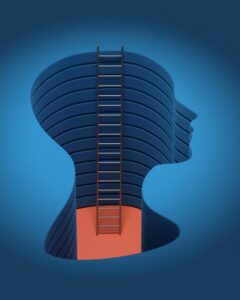
Major Depressive Disorder: Navigating the Path to Healing
Scientifically Reviewed · Dr. Marwa Abd-Alazim · October 12, 2026
Review Criteria & Clinical Standards
This content undergoes rigorous scientific peer-review and medical editorial standards at Arab Psychology Network to ensure clinical accuracy, validity, and compliance with evidence-based guidelines from leading psychological and healthcare authorities (APA / WHO).

The Core Definition: Understanding Depression as a Mental Disorder
Depression, clinically known as Major Depressive Disorder (MDD), is a profound and pervasive mental disorder characterized by persistent feelings of sadness, emptiness, and hopelessness. It extends beyond transient mood fluctuations, deeply impacting an individual’s thoughts, emotions, behaviors, and physical health for an extended period. This debilitating condition significantly interferes with daily functioning, affecting relationships, work or school performance, and overall quality of life. Unlike typical sadness or grief, clinical depression is often disproportionate to life circumstances, or it may occur without any apparent external trigger, rendering individuals unable to “snap out of it” despite their best efforts. The fundamental mechanism often involves complex interactions between neurochemical imbalances in the brain, particularly involving neurotransmitters like serotonin, dopamine, and norepinephrine, coupled with psychological factors such as negative thought patterns and learned helplessness, and environmental stressors.
Individuals experiencing depression frequently report a loss of interest or pleasure in activities they once enjoyed, a symptom known as anhedonia. Accompanying these emotional disturbances are often a range of physical symptoms, including significant changes in appetite or weight, sleep disturbances (insomnia or hypersomnia), fatigue, and psychomotor agitation or retardation. Cognitive symptoms can manifest as difficulty concentrating, impaired memory, indecisiveness, and recurrent thoughts of death or suicide. The Diagnostic and Statistical Manual of Mental Disorders (DSM-5) outlines specific criteria for diagnosing MDD, requiring the presence of at least five symptoms, including either depressed mood or anhedonia, for a period of at least two weeks, causing clinically significant distress or impairment in social, occupational, or other important areas of functioning.
The experience of depression is highly individualized, varying in severity, duration, and symptom presentation across different individuals. While some may experience a single episode in their lifetime, many individuals experience recurrent episodes, highlighting the chronic and relapsing nature of the disorder for a significant portion of those affected. The profound impact of depression necessitates a comprehensive understanding of its multifaceted nature, encompassing biological, psychological, and social dimensions, to facilitate effective assessment and intervention strategies. Its global prevalence underscores its status as a major public health concern, affecting millions worldwide and contributing substantially to the global burden of disease.
Historical Context: Evolving Understandings of Melancholia
The concept of what we now call depression has been recognized, albeit under different names, for millennia. Ancient civilizations, including the Greeks and Romans, described a condition known as “melancholia,” which shares many symptomatic parallels with modern depression. Hippocrates, for instance, attributed melancholia to an imbalance of the body’s four humors, specifically an excess of black bile. This humoral theory, though scientifically unfounded, represented an early attempt to understand and categorize mental suffering within a physiological framework, laying rudimentary groundwork for future medical approaches to mental illness.
Throughout the Middle Ages and Renaissance, the understanding of melancholia oscillated between medical, philosophical, and theological explanations. It was sometimes viewed as a spiritual affliction, a sign of demonic possession, or a punishment, leading to various non-medical, and often harsh, treatments. However, influential texts like Robert Burton’s “The Anatomy of Melancholy” (1621) provided extensive treatises on the condition, cataloging its myriad causes and symptoms, and suggesting a combination of remedies ranging from diet and exercise to philosophy and medication. This period saw a gradual shift towards more humanistic perspectives, albeit still within a nascent scientific understanding.
The 19th and 20th centuries marked a significant turning point, as psychology and psychiatry emerged as distinct scientific disciplines. Sigmund Freud’s psychoanalytic theories, particularly his work on “Mourning and Melancholia” (1917), provided a psychological framework, suggesting depression stemmed from unresolved grief, loss, or internalized anger. Concurrently, the rise of biological psychiatry began to explore physiological underpinnings, with early pharmacological discoveries in the mid-20th century, such as the accidental finding of antidepressant properties in certain drugs, revolutionizing treatment and solidifying the neurobiological hypothesis of depression. This dual progression from ancient humoral theories to modern biopsychosocial models illustrates the complex etiology and evolving understanding of depression.
Etiology and Risk Factors: A Multifaceted Perspective
The etiology of depression is widely recognized as complex and multifaceted, involving an intricate interplay of genetic, biological, psychological, and environmental factors. No single cause explains the onset of depression; rather, it typically arises from a combination of vulnerabilities and stressors. Research consistently highlights the role of genetic predisposition, indicating that individuals with a family history of depression are at a higher risk of developing the disorder themselves. This suggests that certain genetic variations may influence brain chemistry, structure, and stress response systems, thereby increasing susceptibility.
Beyond genetics, neurobiological factors play a crucial role. Imbalances in brain neurotransmitters, such as serotonin, norepinephrine, and dopamine, are frequently implicated in the pathophysiology of depression. These neurotransmitters are essential for regulating mood, sleep, appetite, and cognitive functions. Additionally, structural and functional abnormalities in brain regions involved in emotion regulation, such as the prefrontal cortex, hippocampus, and amygdala, have been observed in individuals with depression. Chronic stress can also lead to neuroendocrine changes, particularly involving the hypothalamic-pituitary-adrenal (HPA) axis, further contributing to depressive symptomatology.
Environmental stressors and adverse life events are powerful triggers for depressive episodes. Traumatic experiences, chronic stress, significant loss (such as bereavement or job loss), difficult interpersonal relationships, and socioeconomic disadvantages can all contribute to the development of depression, especially in individuals with existing vulnerabilities. Furthermore, certain medical conditions, chronic pain, and substance use can either mimic depressive symptoms or exacerbate existing ones. The intricate interaction among these diverse risk factors underscores why a holistic approach is essential for both understanding and treating depression effectively, recognizing the unique profile of each individual.
Symptoms and Diagnostic Criteria
The presentation of depression is characterized by a core set of symptoms that significantly impair an individual’s functioning. The primary indicators include a persistently depressed mood, encompassing feelings of sadness, emptiness, or irritability, present for most of the day, nearly every day. Equally central is anhedonia, the marked diminution of interest or pleasure in almost all activities. These two symptoms are paramount for a diagnosis of Major Depressive Disorder (MDD) and must be present for at least two consecutive weeks. However, the diagnostic picture extends beyond these emotional states, encompassing a range of physical, cognitive, and behavioral manifestations.
Physical symptoms frequently associated with depression include significant changes in appetite or weight, which can manifest as either a decrease (leading to weight loss) or an increase (leading to weight gain). Sleep disturbances are also highly prevalent, typically presenting as insomnia (difficulty falling or staying asleep) or, less commonly, hypersomnia (excessive sleepiness). Individuals may also experience pervasive fatigue or loss of energy, feeling drained even after adequate rest. Psychomotor agitation (restlessness, pacing, inability to sit still) or psychomotor retardation (slowed movements, speech, and thought processes) can also be observed, reflecting the profound impact on an individual’s physical and mental energy levels.
Cognitive and behavioral symptoms further delineate the depressive experience. These include feelings of worthlessness or excessive or inappropriate guilt, diminished ability to think or concentrate, and indecisiveness. Perhaps most concerning are recurrent thoughts of death, suicidal ideation, or specific plans for suicide, which necessitate immediate clinical attention. The DSM-5 specifies that for a diagnosis of MDD, at least five of these symptoms must be present during the same two-week period and represent a change from previous functioning, causing significant distress or impairment. It is also crucial to rule out other medical conditions or substance use as direct causes of these symptoms, ensuring an accurate and appropriate diagnosis.
A Practical Example: Navigating Depression in Daily Life
Consider Sarah, a 32-year-old marketing professional who initially prided herself on her energy and enthusiasm. Over several months, Sarah began to notice a gradual shift in her demeanor. What started as occasional feelings of fatigue and a slight dip in her motivation at work escalated into a pervasive sense of sadness that lingered regardless of circumstances. She found herself increasingly withdrawn, declining invitations from friends for weekend hikes—an activity she once adored—preferring instead to stay home, often in bed. Her work performance, once exemplary, began to suffer as she struggled with concentration and decision-making, missing deadlines and feeling overwhelmed by tasks that were previously routine.
The “How-To” of her experience reveals the insidious progression of depression. Initially, Sarah rationalized her feelings as stress from a demanding job, attempting to push through with sheer willpower. However, the psychological principle of depression, characterized by its persistent and often internally generated nature, meant that external efforts to “cheer up” or “be productive” were largely ineffective. Her anhedonia meant that even successful project completions brought no sense of accomplishment. The cognitive distortions associated with depression led her to interpret constructive feedback as personal failure, reinforcing feelings of worthlessness. Her sleep became erratic, sometimes struggling with insomnia, other times sleeping for excessive hours without feeling rested, further exacerbating her fatigue.
When her partner and a close friend expressed concern, suggesting she seek help, Sarah initially resisted, believing she should be able to manage on her own. This common reaction highlights how the stigma surrounding mental health can delay intervention. Eventually, recognizing the severity of her functional impairment—her inability to enjoy life, her deteriorating work, and her strained relationships—Sarah sought professional help. This example clearly illustrates how depression infiltrates multiple domains of an individual’s life, from personal enjoyment and social interaction to professional competence, underscoring the necessity of clinical intervention rather than simply relying on self-correction.
Therapeutic Approaches: Psychotherapy and Comprehensive Care
A comprehensive treatment plan for depression typically integrates a combination of evidence-based interventions, with psychotherapy playing a foundational role. Psychotherapy, often referred to as “talk therapy,” involves working with a trained mental health professional to address the psychological, emotional, and behavioral aspects of depression. It provides individuals with strategies to manage symptoms, cope with stressors, and develop healthier thought patterns. This collaborative process empowers individuals to gain insight into their condition and make meaningful changes in their lives.
Among the various forms of psychotherapy, Cognitive Behavioral Therapy (CBT) has consistently demonstrated high efficacy in treating depression. CBT operates on the principle that an individual’s thoughts, feelings, and behaviors are interconnected. It focuses on helping individuals identify and challenge negative or distorted thought patterns—such as catastrophic thinking, overgeneralization, or all-or-nothing thinking—that contribute to depressive symptoms. By modifying these cognitive distortions and developing more adaptive coping strategies, individuals can experience a significant reduction in their symptoms. Research by Forman et al. (2015) has affirmed CBT’s effectiveness in achieving clinically significant improvements in depressive symptoms, often by teaching skills that promote long-term resilience.
Other effective psychotherapeutic modalities include Interpersonal Therapy (IPT), which focuses on improving relational functioning and addressing interpersonal conflicts that may contribute to or exacerbate depression, and Psychodynamic Therapy, which explores unresolved past conflicts and unconscious processes. The choice of psychotherapy often depends on the individual’s specific needs, preferences, and the nature of their depressive experience. Furthermore, psychotherapy can be highly effective when used in combination with medication, particularly for moderate to severe cases of depression, as this combined approach has been shown to enhance treatment effectiveness and improve long-term outcomes, as noted by Baldwin and Hirschfeld (2016).
Pharmacotherapy and Lifestyle Interventions
In conjunction with psychotherapy, medication, specifically antidepressants, constitutes another critical pillar in the treatment of depression, particularly for individuals experiencing moderate to severe symptoms. Antidepressants work by targeting neurotransmitter systems in the brain, aiming to restore chemical balances that are believed to be disrupted in depression. Selective Serotonin Reuptake Inhibitors (SSRIs) are among the most commonly prescribed antidepressants, known for their relatively favorable side-effect profiles. Other classes include Serotonin-Norepinephrine Reuptake Inhibitors (SNRIs), tricyclic antidepressants (TCAs), and monoamine oxidase inhibitors (MAOIs), each with distinct mechanisms of action and considerations for use. The selection of medication is a clinical decision, often involving careful consideration of potential side effects, patient history, and co-occurring conditions.
Beyond clinical interventions, significant attention has been given to the role of lifestyle changes in managing and mitigating depressive symptoms. Regular exercise, for instance, has been consistently identified as an effective complementary treatment for depression. Physical activity releases endorphins, reduces stress hormones, and can improve sleep quality, all of which contribute to enhanced mood and well-being. Research by Jorm et al. (2013) demonstrated that regular exercise can significantly reduce symptoms and aid in maintaining remission, highlighting its utility as a powerful tool in a holistic treatment strategy.
Other lifestyle modifications that can be profoundly beneficial include improving sleep hygiene, ensuring a balanced and nutritious diet, and actively engaging in relaxation techniques such as mindfulness, meditation, or yoga. Addressing factors like social isolation by fostering meaningful connections, reducing chronic stress through effective management strategies, and avoiding excessive alcohol or substance use are also vital components of a comprehensive self-care regimen. These lifestyle adjustments not only help manage existing symptoms but also contribute to overall mental resilience, forming an integral part of a proactive approach to managing depression and preventing relapse.
Significance, Impact, and Related Concepts
The significance of understanding and treating depression cannot be overstated, as it represents one of the leading causes of disability worldwide. Its profound impact extends beyond individual suffering, influencing families, communities, and national economies through lost productivity and healthcare costs. To the field of psychology, the study of depression has been central to the development of various therapeutic modalities, diagnostic frameworks, and neurobiological research. It has driven advancements in clinical psychology, psychopharmacology, and cognitive science, continually refining our understanding of the human mind and its vulnerabilities.
The application of depression research and treatment is vast. In clinical settings, the principles derived from studying depression guide the development of evidence-based psychotherapies and pharmacological interventions. In public health, understanding risk factors and prevalence informs prevention programs and mental health awareness campaigns. In education, insights into cognitive symptoms help tailor learning environments for affected students. Furthermore, the concept of depression has broadened our understanding of human resilience, the interplay between mind and body, and the crucial role of social support systems. It has also spurred important discussions about mental health stigma and access to care, advocating for greater equity in health services.
Depression is often comorbid with other mental health disorders, meaning it frequently co-occurs with conditions such as anxiety disorders, post-traumatic stress disorder (PTSD), and substance use disorders. This comorbidity underscores the importance of comprehensive assessment and integrated treatment approaches, recognizing that treating one condition can positively impact the other. For instance, addressing underlying anxiety can alleviate depressive symptoms, and vice-versa. Additionally, social and cultural factors significantly influence the expression and experience of depression, with research indicating differences in symptom presentation and help-seeking behaviors across various cultural and ethnic groups (Cheng & McLeod, 2014), necessitating culturally sensitive diagnostic and therapeutic strategies.
This complex disorder belongs broadly to the subfield of Clinical Psychology and Psychopathology, which are dedicated to the study, assessment, diagnosis, treatment, and prevention of mental disorders. It also draws heavily from Neuroscience, particularly in understanding its biological underpinnings, and Cognitive Psychology, through the study of thought patterns and biases. Understanding depression also connects to other mood disorders like bipolar disorder (where depressive episodes alternate with manic or hypomanic episodes), emphasizing the spectrum of mood dysregulation. The continuous exploration of these connections enriches our knowledge of mental health and fosters innovative approaches to care.