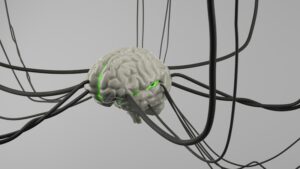
Emotional Dimming: Reclaim Your Inner Spark
Scientifically Reviewed · Dr. Marwa Abd-Alazim · October 2, 2026
Review Criteria & Clinical Standards
This content undergoes rigorous scientific peer-review and medical editorial standards at Arab Psychology Network to ensure clinical accuracy, validity, and compliance with evidence-based guidelines from leading psychological and healthcare authorities (APA / WHO).

Defining the Emotional Dimming Effect
The Emotional Dimming Effect refers to a distinct psychological phenomenon characterized by a pervasive, long-term reduction in both the intensity and the overall range of an individual’s emotional experiences. Unlike transient mood fluctuations or temporary emotional exhaustion, this condition represents an enduring state of affective flattening. Individuals experiencing this phenomenon frequently describe their internal world as muted, numb, or dull, wherein both positive and negative emotions lose their natural vibrancy and depth. The capacity to experience profound joy, excitement, empathy, sadness, or anger becomes significantly compromised, resulting in a flattened emotional landscape that strips life of its subjective richness.
At its core, the primary mechanism of the Emotional Dimming Effect is a profound disruption within the brain’s emotional processing and response networks. Often, this state develops as an adaptive—yet ultimately maladaptive—coping mechanism designed to protect the psychological integrity of an individual undergoing chronic stress, trauma, or prolonged environmental adversity. By dampening emotional responsiveness, the subconscious mind constructs a defensive shield that buffers the individual against overwhelming psychological pain. However, this protective barrier is non-selective; in silencing distressing emotions, it simultaneously attenuates positive affective experiences, leading to a generalized state of emotional detachment and functional empty space.
This psychological state carries severe implications for an individual’s overall quality of life, relational health, and psychological well-being. When the ability to feel is restricted, individuals often grapple with a profound sense of inner emptiness, existential detachment, and a persistent inability to establish genuine interpersonal connections. Because emotional reciprocity and expressive empathy serve as the bedrock of social bonding, those affected may find themselves increasingly isolated. Recognizing and understanding this effect is therefore critical for clinicians and researchers, as it highlights the subtle, systemic ways in which sustained psychological pressure can alter the human psyche.
Historical Trajectories and Conceptual Evolution
Although the specific term “Emotional Dimming Effect” is a contemporary formulation within modern descriptive phenomenology, the clinical observation of a muted emotional existence has a long history in psychological literature. Early psychoanalytic theories established by Sigmund Freud during the late nineteenth and early twentieth centuries addressed similar phenomena through the conceptualization of defense mechanisms. Freud identified processes such as “repression” and the “isolation of affect” to explain how the ego defends itself against anxiety. Through the isolation of affect, an individual can cognitively recall a highly distressing memory while remaining entirely detached from the intense emotions originally paired with the event, illustrating an early clinical conceptualization of defensive emotional numbing.
During the mid-twentieth century, the focus of psychological research shifted toward the physiological and systemic impacts of stress and trauma. Endocrinologist Hans Selye introduced the General Adaptation Syndrome (GAS), illustrating how prolonged exposure to stressors drives the body through stages of alarm, resistance, and eventual exhaustion. While Selye’s work was fundamentally physiological, it laid the groundwork for psychologists to investigate the corresponding mental exhaustion, including emotional depletion. Later in the twentieth century, the formal clinical recognition of Post-Traumatic Stress Disorder (PTSD) introduced terms like “emotional numbing” and “restricted range of affect” into mainstream diagnostic manuals, establishing that severe trauma can fundamentally alter an individual’s capacity to feel.
The contemporary understanding of emotional dimming has evolved through an integration of cognitive psychology, affective neuroscience, and modern research into occupational burnout. As researchers mapped the neural pathways responsible for emotional regulation, they recognized that chronic stress could recalibrate the brain’s baseline sensitivity. Rather than viewing emotional flatness merely as a passive symptom of depression or anxiety, contemporary clinicians view the dimming effect as an active, systemic downregulation of the affective system. This shift reflects a more comprehensive appreciation of the dynamic relationship between environmental demands, cognitive appraisals, and neurobiological adaptation.
Clinical Manifestations and Symptomatology
The clinical presentation of the Emotional Dimming Effect is multifaceted, extending far beyond a simple report of feeling unhappy. Individuals living with this condition describe a persistent state of internal grayness, where the diverse palette of human emotion is replaced by a monotonous, mechanical existence. This internal void often leads to depersonalization, where individuals feel like detached observers of their own lives rather than active participants. The primary manifestations of this psychological state can be categorized through several key symptomatic indicators:
- Anhedonia: A profound inability to experience pleasure or satisfaction from activities, hobbies, and social interactions that were once deeply fulfilling.
- Affective Flattening: A visible reduction in the intensity of emotional expression, characterized by a monotonous vocal tone, diminished facial expressions, and restricted body language.
- Relational Disconnection: A marked difficulty in experiencing and expressing empathy, leading to superficial social interactions and a progressive deterioration of close personal relationships.
- Cognitive and Physical Exhaustion: A state of mental fogginess, reduced creative drive, and physical lethargy, reflecting the systemic nature of affective downregulation.
Crucially, this dimming of affect applies equally to negative emotions. While the inability to experience sadness or anger might initially appear advantageous to an individual undergoing crisis, it ultimately impedes healthy psychological processing. Without the ability to experience grief, individuals cannot effectively process loss; without anger, they struggle to recognize and assert personal boundaries. This lack of emotional signaling results in cognitive stagnation, preventing individuals from adapting to changing life circumstances and leaving them highly vulnerable to unresolved psychological distress.
Furthermore, the physical and cognitive symptoms associated with this condition emphasize its holistic impact on the human organism. Because the emotional system is closely integrated with somatic regulation, individuals frequently report sleep disturbances, altered appetite, and chronic fatigue. The cognitive deficit—often experienced as an inability to focus or a loss of imaginative capacity—further isolates the individual, creating a self-perpetuating loop of withdrawal and emotional attenuation that requires targeted clinical intervention.
A Practical Case Study: Navigating Chronic Stress
To understand how the Emotional Dimming Effect manifests in daily life, consider the case of Elena, a senior project manager operating within a highly competitive corporate environment. For several years, Elena was subjected to unrelenting professional demands, characterized by long working hours, high-stakes decision-making, and a complete absence of work-life balance. Initially, her system responded with acute stress; she experienced heightened anxiety, irritability, and sleep disruptions. However, as the chronic pressure persisted without relief or adequate coping mechanisms, her psychological architecture began to adapt, shifting from active resistance to systemic emotional dimming.
The development and progression of Elena’s emotional dimming occurred through a series of distinct phases, illustrating the systemic nature of this defense mechanism:
- The Initiation of Affective Detachment: Elena began to notice a marked decline in her emotional reactions to workplace outcomes. Major achievements that once brought pride elicited only mild relief, while critical setbacks no longer triggered constructive frustration, leaving her feeling detached and mechanical.
- The Generalization of Numbness: This emotional blunting quickly spilled over into her personal life. Social gatherings with family and friends, which had previously been a source of joy and rejuvenation, began to feel like obligations; her laughter became performative, and she felt entirely disconnected from the warmth of her loved ones.
- The Loss of Somatic and Emotional Feedback: Over time, Elena lost the ability to accurately identify her own internal states. When asked how she felt, she defaulted to a superficial “I’m fine,” because her internal emotional barometer had been silenced, preventing her from recognizing her own exhaustion and need for help.
In Elena’s case, the emotional dimming functioned as an emergency psychological brake. By reducing the intensity of her emotional responses, her mind protected her from collapsing under the weight of intolerable professional anxiety. However, the long-term cost of this adaptation was severe. By living behind an emotional barrier, Elena was deprived of the positive experiences that make life meaningful, ultimately resulting in profound existential weariness and a loss of personal agency. This case study demonstrates how a defense mechanism designed for short-term survival can, when prolonged, impoverish the entire human experience.
Neurobiological Underpinnings and Brain Dynamics
The neurobiological architecture of the Emotional Dimming Effect involves complex, bi-directional alterations within brain regions responsible for emotional processing, cognitive control, and reward evaluation. Central to this phenomenon is the dysregulation of the limbic system, particularly the amygdala—which detects emotional salience—and the hippocampus, which is essential for memory consolidation and contextualizing emotional experiences. Under conditions of chronic stress, the hypothalamic-pituitary-adrenal (HPA) axis becomes hyperactive, flooding the brain with high levels of cortisol. Over time, this sustained glucocorticoid exposure can cause structural changes, including dendritic atrophy in the hippocampus and altered connectivity within the amygdala, leading to a diminished capacity to register emotional stimuli.
Simultaneously, the brain’s neurotransmitter systems undergo significant adaptations that contribute directly to the experience of emotional numbness. The dopaminergic pathway, which projects from the ventral tegmental area to the nucleus accumbens and is responsible for processing reward, motivation, and positive reinforcement, often becomes downregulated. This reduction in dopamine signaling or receptor sensitivity explains the profound anhedonia observed in affected individuals. Similarly, the serotonergic system, which modulates mood stability and emotional threshold levels, is frequently compromised, further flattening the individual’s affective responsiveness and limiting their emotional range.
Furthermore, the prefrontal cortex (PFC)—specifically the ventromedial and dorsolateral sectors—plays an active role in maintaining this state of dimming. In healthy individuals, the PFC exerts top-down regulation over the limbic system to manage emotional responses. However, in cases of emotional dimming, this regulatory control can become excessively inhibitory. The PFC over-dampens limbic activity, effectively turning down the emotional “volume” of the brain to preserve cognitive processing capacity in the face of perceived threat. This chronic over-regulation blocks the integration of emotional information, leaving the individual in a state of cognitive detachment from their internal feelings.
Significance in Psychological Research and Clinical Practice
The clinical recognition of the Emotional Dimming Effect is of paramount significance to contemporary psychology, as it provides a comprehensive framework for interpreting the long-term consequences of trauma and chronic stress. Historically, clinical practice has focused heavily on mitigating high-arousal negative symptoms, such as acute anxiety or panic. However, focusing solely on these symptoms can cause clinicians to overlook the quieter, more insidious presentation of emotional flatness. By establishing emotional dimming as a distinct clinical target, practitioners can better understand why some patients remain functionally impaired or report a low quality of life even after their acute anxiety has resolved.
In terms of practical application, this construct is highly relevant across several psychological subdisciplines. Within clinical psychology and psychotherapy, identifying emotional dimming allows therapists to tailor their interventions specifically toward emotional restoration rather than just symptom reduction. For individuals suffering from severe burnout, PTSD, or chronic depression, therapeutic goals must explicitly include rebuilding emotional capacity and tolerance. Standard cognitive interventions may need to be modified, as attempting to restructure thoughts in an individual who cannot feel can lead to intellectualization rather than genuine healing and emotional integration.
Beyond individual therapy, the concept has vital utility in organizational psychology and public health. In high-stress industries, monitoring for signs of emotional dimming can serve as an early warning system for widespread systemic burnout, allowing organizations to intervene before employees experience complete psychological exhaustion. From a public health perspective, understanding how chronic societal stressors—such as economic instability or marginalization—induce collective emotional dimming can inform community-level resilience programs. This systemic perspective shifts the focus from individual pathology to environmental factors, emphasizing the need for healthier social and occupational structures.
Therapeutic Interventions and Recovery Pathways
Treating the Emotional Dimming Effect requires a structured, phase-oriented therapeutic approach that prioritizes safety, somatic awareness, and gradual emotional exposure. Because the dimming effect functions as a defense mechanism against overwhelm, therapists must first establish a highly secure therapeutic alliance. Attempting to force emotional expression too quickly can trigger defensive resistance or re-traumatization. The initial phase of treatment focus is on developing emotional literacy skills, helping patients slowly identify, name, and tolerate subtle internal sensations using tools like feeling wheels, somatic tracking, and gentle mindfulness practices.
Once a foundation of safety is established, Cognitive Behavioral Therapy (CBT) can be utilized to identify and modify core beliefs that perpetuate emotional suppression. Patients often hold unconscious assumptions, such as “showing vulnerability is dangerous” or “if I start crying, I will never stop.” Restructuring these cognitive distortions helps patients view emotions as valuable signals rather than threats. Concurrently, Dialectical Behavior Therapy (DBT) offers practical distress tolerance and emotional regulation skills, ensuring that as patients begin to feel again, they possess the psychological resources to manage these experiences without reverting to defensive numbness.
For individuals whose emotional dimming is rooted in deep-seated trauma, specialized modalities are often necessary. Eye Movement Desensitization and Reprocessing (EMDR) can help process traumatic memories that have been defensively isolated from their associated affect, allowing for the integration of mind and body. Additionally, experiential therapies such as Gestalt therapy, somatic experiencing, and psychodrama can bypass intellectual defense mechanisms, encouraging patients to safely experience and express emotions physically. Through these combined approaches, individuals can gradually dismantle their protective shields, reclaiming their capacity for a vibrant, fully realized emotional life.
Connections to Broader Psychological Constructs
The Emotional Dimming Effect does not exist in isolation; rather, it is closely related to several established psychological constructs, sharing overlapping symptoms while maintaining a unique clinical identity. It is frequently confused with anhedonia; however, while anhedonia refers specifically to the loss of pleasure, emotional dimming is a broader construct that encompasses the dampening of all emotions, including grief, anger, and fear. Similarly, while terms like emotional blunting or flattened affect are often used descriptively in psychiatric contexts—particularly regarding schizophrenia—emotional dimming is conceptualized as an active, stress-induced regulatory defense rather than a structural neurocognitive deficit.
This phenomenon is also closely aligned with alexithymia, a subclinical trait characterized by an inability to identify and describe emotions. While alexithymia can be a stable personality trait, the emotional dimming effect is typically an acquired, state-dependent condition resulting from prolonged stress or trauma. Furthermore, the construct is deeply connected to theories of dissociation and depersonalization. When stress becomes intolerable, the mind may dissociate, creating an experiential barrier between the self and the environment; emotional dimming can be understood as the affective manifestation of this dissociative process, serving to reduce psychological friction.
In the broader taxonomy of psychological science, this construct belongs to the domains of Clinical Psychology, Affective Neuroscience, and Health Psychology. It serves as an important conceptual bridge, linking the physiological pathways of chronic stress with the subjective, lived experience of psychological suffering. By studying this effect, researchers gain deeper insight into how the human brain adapts to chronic adversity, advancing our understanding of emotional regulation and highlighting new pathways for therapeutic healing and the restoration of human vitality.