Reproductive Psychology: Healing Through the Fertility Gap
Scientifically Reviewed · Dr. Marwa Abd-Alazim · September 13, 2026
Review Criteria & Clinical Standards
This content undergoes rigorous scientific peer-review and medical editorial standards at Arab Psychology Network to ensure clinical accuracy, validity, and compliance with evidence-based guidelines from leading psychological and healthcare authorities (APA / WHO).
Definition and Global Prevalence
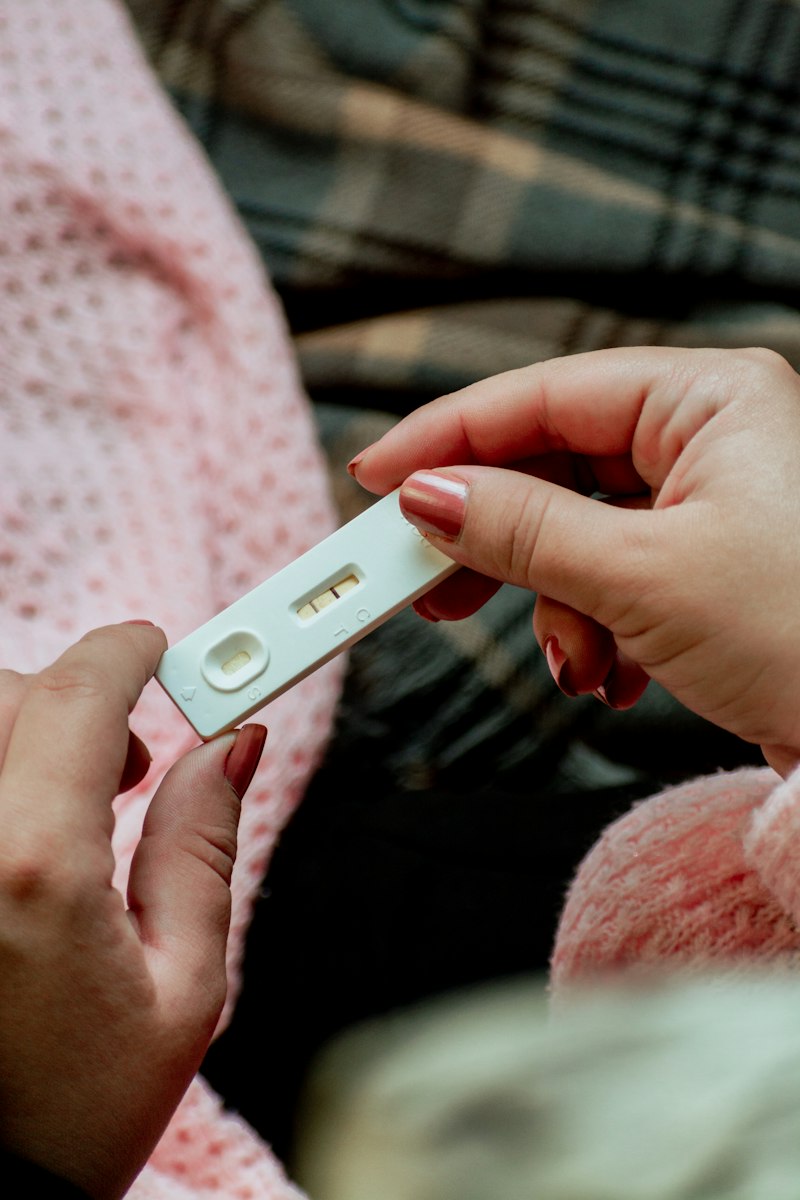
Infertility is medically defined as the inability of a couple to achieve pregnancy after twelve months or more of regular, unprotected sexual intercourse. This definition is sometimes adjusted to six months for women over the age of 35 or when known risk factors are present, recognizing that age significantly impacts ovarian reserve and overall reproductive potential. It is a condition of considerable global significance, affecting an estimated 10 to 15 percent of couples in their reproductive years worldwide. Given this high prevalence, infertility is recognized by major health organizations not merely as a clinical condition but as a public health issue that profoundly impacts social well-being and psychological health across diverse populations. The diagnosis of infertility necessitates a thorough evaluation of both partners, as etiology is often shared or attributed equally to factors originating in either the male or female reproductive system, demanding a comprehensive and unbiased diagnostic approach.
The pervasive nature of infertility means millions of individuals face complex medical and ethical choices related to family building. The diagnostic process can often be protracted and emotionally taxing, frequently complicated by the fact that the underlying causes are not immediately apparent, leading to a classification known as unexplained infertility. This category, which can represent up to 20 percent of cases, highlights the limits of current diagnostic technology and underscores the multifactorial nature of human conception. Furthermore, cultural perceptions and societal pressures surrounding parenthood amplify the psychological burden associated with this diagnosis, transforming a physiological challenge into a profound personal and relational crisis. Understanding infertility requires moving beyond the simple definition of conception failure and examining the complex biological, environmental, and emotional inputs that contribute to reproductive health.
While the 12-month benchmark serves as the clinical trigger for intervention, it is crucial to understand that fertility is a continuum influenced by age, lifestyle, and genetic predispositions. The increasing trend of delaying childbearing in many industrialized nations has contributed to a higher incidence of age-related infertility, making timely diagnosis and intervention more critical than ever. The global burden of infertility is not uniform; access to diagnostic tools and advanced treatment options, such as Assisted Reproductive Technology (ART), varies dramatically based on socioeconomic status and geographical location, creating significant disparities in care. Therefore, epidemiological studies and public health initiatives must continue to focus on preventive measures, early education, and equitable access to specialized reproductive healthcare services globally.
Etiology of Infertility: Male and Female Factors
The causes of infertility are numerous and complex, often involving a combination of factors in both partners, though statistically, approximately one-third of cases are attributed primarily to female factors, one-third to male factors, and the remaining third to a combination of both or remain unexplained. In female infertility, the most common etiologies involve ovulatory dysfunction, which includes conditions such as Polycystic Ovary Syndrome (PCOS), hypothalamic amenorrhea resulting from extreme stress or weight changes, and primary ovarian insufficiency (POI). These conditions disrupt the regular release of a viable egg, thereby preventing successful fertilization. Structural issues, such as damage or blockage to the fallopian tubes, often caused by previous pelvic inflammatory disease (PID) or endometriosis, are also critical barriers, preventing the sperm and egg from meeting or obstructing the passage of the fertilized embryo to the uterus.
Male factor infertility primarily revolves around issues related to the production, function, or delivery of sperm. Semen analysis is the primary diagnostic tool, assessing parameters such as sperm count (oligozoospermia), motility (asthenozoospermia), and morphology (teratozoospermia). Common causes include genetic abnormalities, such as Y chromosome microdeletions, hormonal imbalances (e.g., low testosterone or high prolactin), and structural defects, such as a varicocele—an enlargement of the veins within the scrotum that can lead to increased testicular temperature and impaired sperm quality. Additionally, previous infections (like mumps or sexually transmitted infections), exposure to environmental toxins, and systemic illnesses can severely compromise spermatogenesis, requiring specialized urological assessment in conjunction with reproductive endocrinology expertise.
Beyond the readily identifiable physical and hormonal causes, lifestyle and environmental factors play an increasingly recognized role in contributing to subfertility in both men and women. Factors such as smoking, excessive alcohol consumption, high levels of chronic stress, extreme weight fluctuations (both obesity and being underweight), and exposure to endocrine-disrupting chemicals found in various plastics and pesticides have been shown to negatively impact gamete quality and reproductive outcomes. Clinicians are increasingly integrating discussions about these modifiable risk factors into the initial treatment planning, recognizing that addressing lifestyle choices can sometimes significantly improve natural conception rates or optimize the success of assisted reproductive treatments. Effective management requires a holistic approach that considers all potential influences, ranging from microscopic cellular defects to macro-level environmental exposures.
Physical Manifestations and Diagnostic Indicators
While infertility itself is often asymptomatic until a couple attempts to conceive, certain underlying conditions manifest through recognizable physical symptoms that serve as crucial diagnostic indicators. For women, perhaps the most prominent symptom related to reproductive dysfunction is the presence of irregular menstrual cycles (oligomenorrhea or amenorrhea). Cycles that are consistently too long, too short, or entirely absent often point directly to an underlying ovulatory disorder, such as PCOS or hypothalamic dysfunction, which prevents the regular release of an egg necessary for conception. Furthermore, some individuals experience dyspareunia, or painful intercourse, which can be symptomatic of conditions like severe endometriosis or pelvic adhesions that physically obstruct or inflame reproductive organs, hindering conception and negatively impacting sexual health.
Hormonal imbalances, frequently associated with ovulatory dysfunction, often lead to secondary physical manifestations. These can include dermatological symptoms like persistent, hormonally induced acne that resists standard treatments, and abnormal hair growth (hirsutism) in patterns typical of male secondary characteristics, such as on the face, chest, or abdomen. These signs are strong indicators of androgen excess, common in conditions like PCOS, and necessitate immediate endocrine evaluation. Although these symptoms may seem peripheral to the act of conception, they are critical markers pointing toward systemic hormonal dysregulation that directly impedes fertility. Therefore, a detailed patient history must meticulously document the onset and severity of these physical characteristics.
In men, the physical signs of underlying fertility issues are often less overt but can include subtle indicators such as changes in testicular size or consistency, or the presence of a varicocele, which may feel like a “bag of worms” above the testicle and can cause discomfort or atrophy. Systemic symptoms like fatigue, unexplained weight gain, or changes in libido, while non-specific, can sometimes indicate an underlying hormonal deficiency, particularly low testosterone levels which affect sperm production. A thorough physical examination, therefore, is an indispensable component of the initial workup, guiding the subsequent specialized testing, particularly the semen analysis, which provides objective data regarding the quality and quantity of sperm available for fertilization.
The Psycho-Emotional Impact of Infertility
The journey through infertility is characterized by significant psychological distress, often eclipsing the physical discomforts of the condition or its treatments. The perpetual cycle of hope and disappointment associated with menstrual cycles and treatment failures frequently leads to chronic, debilitating stress. The emotional consequences are profound, commonly manifesting as clinical depression and pervasive anxiety. Individuals and couples often experience a profound sense of loss—not just the loss of a potential child, but the loss of control over their life narrative, the loss of self-identity tied to parenthood, and the loss of privacy due to the necessity of sharing intimate medical details. This prolonged emotional duress can strain personal relationships, diminish quality of life, and in some cases, lead to treatment discontinuation despite the desire to conceive.
A particularly damaging psychological feature of infertility is the pervasive feeling of guilt and self-blame. Regardless of which partner receives the diagnosis, individuals often internalize the failure to conceive, believing they are fundamentally flawed or responsible for the situation. This guilt is frequently compounded by societal expectations regarding reproductive success and the perceived ease of conception for others. Moreover, the anxiety associated with repeated medical procedures, financial strain, and the uncertainty of outcome creates a high-pressure environment. It is common for patients undergoing ART to report symptoms consistent with Post-Traumatic Stress Disorder (PTSD) related to injections, embryo transfers, and the constant fear of a negative pregnancy test. Mental health support, including counseling and support groups, is therefore not merely supplementary but an essential component of comprehensive fertility care.
Infertility is also a significant relational stressor. The differing ways partners cope with the diagnosis, the scheduling demands of treatment, and the required precision of timed intercourse can erode intimacy and communication. The sexual aspect of the relationship often transforms from an expression of affection into a clinical task, further increasing pressure and reducing spontaneity. Furthermore, couples frequently face social isolation, finding it difficult to maintain relationships with friends and family who are easily conceiving or who fail to understand the depth of the emotional pain. Effective psychological intervention seeks to normalize these feelings, improve coping mechanisms, and provide strategies for managing anxiety and depression, ultimately supporting the couple’s resilience throughout the often grueling process of diagnosis and treatment.
Diagnostic Protocols and Initial Assessments
The investigative pathway for infertility typically follows a structured, stepwise approach designed to efficiently identify the underlying cause while minimizing invasive procedures. The initial evaluation begins with a comprehensive review of the couple’s medical history, including previous pregnancies, surgeries, menstrual regularity, frequency of intercourse, and exposure to reproductive toxins. For the male partner, the fundamental first step is the semen analysis, which assesses the quantity, motility, and morphology of sperm. Abnormal results necessitate further evaluation, potentially including hormonal profiling (e.g., testosterone, FSH, LH) and specialized genetic testing, or referral to a reproductive urologist for structural assessment.
For the female partner, the initial diagnostic phase focuses on confirming ovulation and assessing structural integrity. Ovulation confirmation is typically achieved through basal body temperature charting, ovulation predictor kits, or, more reliably, through blood tests measuring progesterone levels during the luteal phase. Assessment of ovarian reserve is critical, usually involving blood tests for Follicle-Stimulating Hormone (FSH), Luteinizing Hormone (LH), and Anti-Müllerian Hormone (AMH), often supplemented by an antral follicle count (AFC) via transvaginal ultrasound. These tests provide crucial insight into the remaining quantity and quality of oocytes and help predict response to ovarian stimulation medications.
A key component of the female workup is the assessment of tubal patency and uterine cavity health. The most common procedure for this is the Hysterosalpingography (HSG), an X-ray procedure involving the injection of dye into the uterus to visualize the structure of the uterine cavity and confirm whether the fallopian tubes are open. If structural abnormalities are suspected based on these initial tests—such as submucosal fibroids, polyps, or severe tubal disease—more invasive procedures like hysteroscopy (to view the inside of the uterus) or laparoscopy (to view the pelvic organs externally, diagnose and treat endometriosis, or remove adhesions) may be required. Only after a thorough and systematic investigation of both partners can a definitive diagnosis be established, allowing for the creation of a targeted and effective treatment plan.
Pharmacological and Surgical Treatment Modalities
Treatment for infertility is highly individualized, depending entirely on the identified etiology, but often begins with less invasive pharmacological or surgical interventions before progressing to ART. Pharmacological treatments are primarily aimed at correcting hormonal imbalances and inducing ovulation in anovulatory women. Common medications include Clomiphene Citrate (Clomid), which acts as a selective estrogen receptor modulator to stimulate the release of FSH and LH, thereby promoting follicular growth. For patients who do not respond to oral agents, or those with more profound hormonal deficiencies, injectable gonadotropins (FSH and LH) are utilized to directly stimulate the ovaries to produce multiple follicles, often used in conjunction with intrauterine insemination (IUI).
Surgical interventions play a vital role, particularly in addressing structural causes of infertility. For women, surgical procedures can include the laparoscopic treatment of endometriosis (removing endometriotic implants and adhesions), hysteroscopic removal of uterine fibroids or polyps that impede implantation, and tubal reversal surgery for women who previously had their tubes tied. These procedures aim to restore normal pelvic anatomy and function, thereby maximizing the chance of natural or IUI conception. Surgical correction is often the definitive treatment for structural issues, offering a potential cure rather than merely managing symptoms.
In male factor infertility, surgical options are also crucial. The most common procedure is the correction of a varicocele (varicocelectomy), which is performed to improve sperm quality, although the effectiveness of this procedure remains a topic of clinical debate. For men with obstructive azoospermia (blockage preventing sperm release), microsurgical procedures can sometimes restore patency. Furthermore, surgical sperm retrieval techniques, such as Testicular Sperm Extraction (TESE) or Microdissection TESE (MicroTESE), are necessary when sperm is not present in the ejaculate, allowing the retrieved sperm to be used subsequently in conjunction with advanced ART procedures like Intracytoplasmic Sperm Injection (ICSI).
Assisted Reproductive Technology (ART)
When conventional treatments fail, or when the underlying cause is severe (such as bilateral tubal blockage or profound male factor infertility), couples often turn to Assisted Reproductive Technology (ART), which encompasses all fertility treatments in which both eggs and sperm are handled outside of the body. The most well-known and successful form of ART is In Vitro Fertilization (IVF). The IVF process involves stimulating the ovaries to produce multiple eggs, retrieving the eggs surgically, fertilizing them with sperm in a laboratory setting, and then transferring the resulting embryo(s) back into the woman’s uterus several days later. IVF bypasses many common barriers to conception, including tubal issues and mild male factor issues, offering high success rates, though these rates are highly dependent on the woman’s age and the quality of the gametes used.
ART technologies have advanced significantly, offering specialized solutions for complex cases. For severe male factor infertility or cases involving previously failed IVF cycles due to fertilization issues, Intracytoplasmic Sperm Injection (ICSI) is frequently utilized. ICSI involves the direct injection of a single, selected sperm into the center of an egg, dramatically increasing the probability of fertilization even when sperm counts or motility are extremely low. Additionally, preimplantation genetic testing (PGT) allows clinicians to screen embryos for chromosomal abnormalities or specific genetic diseases before transfer, optimizing the selection of the healthiest embryo and reducing the risk of miscarriage or passing on known genetic conditions, adding a layer of diagnostic precision to the treatment cycle.
Beyond IVF and ICSI, other ART options include the use of third-party reproduction, such as donor eggs, donor sperm, or gestational carriers (surrogacy), for individuals or couples who cannot use their own gametes due to advanced age, genetic risk, or medical necessity. These options require extensive counseling regarding legal, ethical, and psychological implications. Furthermore, the effectiveness of ART is heavily influenced by lifestyle changes, as optimizing body mass index (BMI), ceasing smoking, and managing chronic stress have been shown to improve ovarian response and implantation rates, demonstrating the crucial interplay between medical intervention and patient engagement in maximizing treatment success.
Further Reading
-
https://www.ncbi.nlm.nih.gov/pmc/articles/PMC6331467/
-
https://www.sciencedirect.com/science/article/pii/S2214442018300773
-
https://www.tandfonline.com/doi/abs/10.1080/09513590.2018.1445674
-
https://www.liebertpub.com/doi/abs/10.1089/hum.2017.103
-
https://www.sciencedirect.com/science/article/pii/S0956423919300579?via%3Dihub